



For generations, the scientific community and the public alike held a prevailing belief: birds, with their dazzling plumage and keen eyesight, were largely devoid of a sense of smell. This assumption, deeply rooted in early anatomical studies that pointed to comparatively small olfactory bulbs in avian brains, painted a picture of creatures primarily reliant on vision and hearing. However, a paradigm shift has been underway for several decades, driven by rigorous research that has systematically dismantled this long-held notion, revealing a far more complex and olfaction-dependent avian world than ever imagined. Today, a growing body of evidence demonstrates that many bird species possess a remarkably acute sense of smell, or olfaction, which plays a crucial role in their survival, navigation, social interactions, and even mate selection. This sophisticated sensory capability, once dismissed as negligible, is now recognized as a vital dimension of avian life, shaping behaviors and influencing ecological interactions in profound ways.
The Enduring Myth: Why Vision Trumped Scent
The persistence of the "flightless scent" myth can be attributed to several interconnected factors, the most prominent being the undeniable visual prowess of birds. Their vibrant colors, intricate courtship displays, and exceptional visual acuity have long captivated human observers. As humans themselves are primarily visual beings, our attention naturally gravitates towards observable visual behaviors, making them easier to interpret and document. This anthropocentric bias inadvertently overshadowed the subtler, less immediately apparent sensory modalities, such as olfaction.
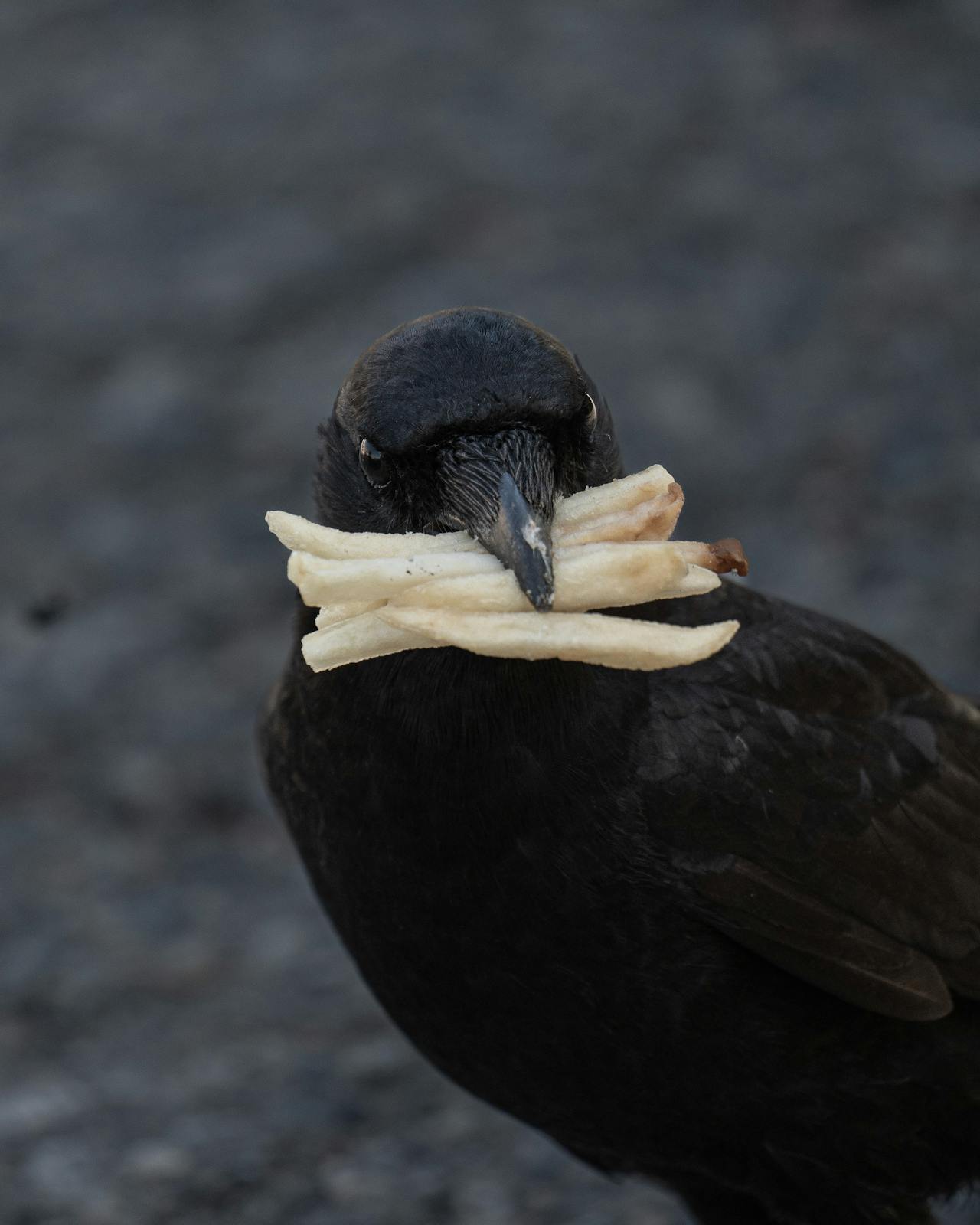
Beyond perceptual biases, structural interpretations played a significant role. Early comparative anatomy studies highlighted that the olfactory bulbs—the brain regions responsible for processing smell—in many bird species were notably smaller than those found in mammals like dogs or rodents, animals renowned for their olfactory capabilities. This size comparison led to a straightforward, albeit flawed, conclusion: smaller bulbs equated to weaker smelling abilities. This simplistic equation failed to account for the intricate efficiency and specialized adaptations that can exist within a smaller neural architecture. Modern research has shown that brain size alone is an inadequate metric for assessing sensory capacity, and that even modest olfactory systems can be remarkably sophisticated and highly effective. The accumulation of field experiments and detailed physiological studies has provided irrefutable evidence that this earlier anatomical interpretation was incomplete and, in many cases, misleading.
The Architecture of Avian Olfaction: A Functional Perspective
The olfactory system in birds, though architecturally distinct from that of mammals, operates on the same fundamental principle: detecting airborne chemical compounds and translating them into meaningful sensory information about the environment. Air enters the bird’s nasal passages through nares, typically located on the upper mandible of the beak. Within the nasal cavity, specialized tissues house olfactory receptors. These receptors are exquisitely sensitive to specific molecules, initiating a cascade of neural signals that are transmitted to the olfactory bulbs in the brain. Here, these signals are processed and interpreted, allowing the bird to perceive and react to a vast array of scents.
The degree of development within this system varies considerably across avian species, directly correlating with their reliance on olfaction. Species for whom smell is paramount, such as certain seabirds and raptors, exhibit more elaborate olfactory structures, including larger and more complex olfactory bulbs and a greater density of olfactory receptors. This anatomical specialization underscores the functional significance of smell in their daily lives, enabling them to navigate vast distances, locate scarce food resources, and engage in complex social signaling.

Masters of the Ocean’s Scent: Seabirds as Olfactory Navigators
Perhaps the most compelling evidence for the sophisticated olfactory capabilities of birds comes from the realm of seabirds, including albatrosses, petrels, and shearwaters. These remarkable creatures undertake epic migrations, traversing seemingly featureless expanses of ocean for thousands of miles. Their ability to locate productive feeding grounds with uncanny precision, even in the absence of visual cues, has long been a source of scientific intrigue.
Groundbreaking research has revealed that many of these seabirds are adept at detecting a specific chemical compound: dimethyl sulfide (DMS). DMS is a volatile sulfur compound produced by marine phytoplankton when they are consumed by zooplankton. Its presence in the water is a strong indicator of abundant food sources, such as fish and squid, which in turn attract these seabirds. By following gradients of DMS, seabirds can effectively "smell" their way to rich feeding areas, a remarkable feat of olfactory navigation over vast oceanic distances. Experiments involving the blocking of their sense of smell have demonstrated a significant impairment in their ability to navigate back to their colonies, providing direct evidence of olfaction’s critical role in their spatial orientation.
Furthermore, some petrel species exhibit an astonishing ability to recognize the unique scent signatures of their burrows and even their mates within densely packed colonies, which can number in the tens of thousands. This fine-tuned olfactory discrimination is essential for maintaining pair bonds and ensuring the successful raising of young in crowded nesting environments.

The Vulture’s Keen Nose: A Symphony of Decay
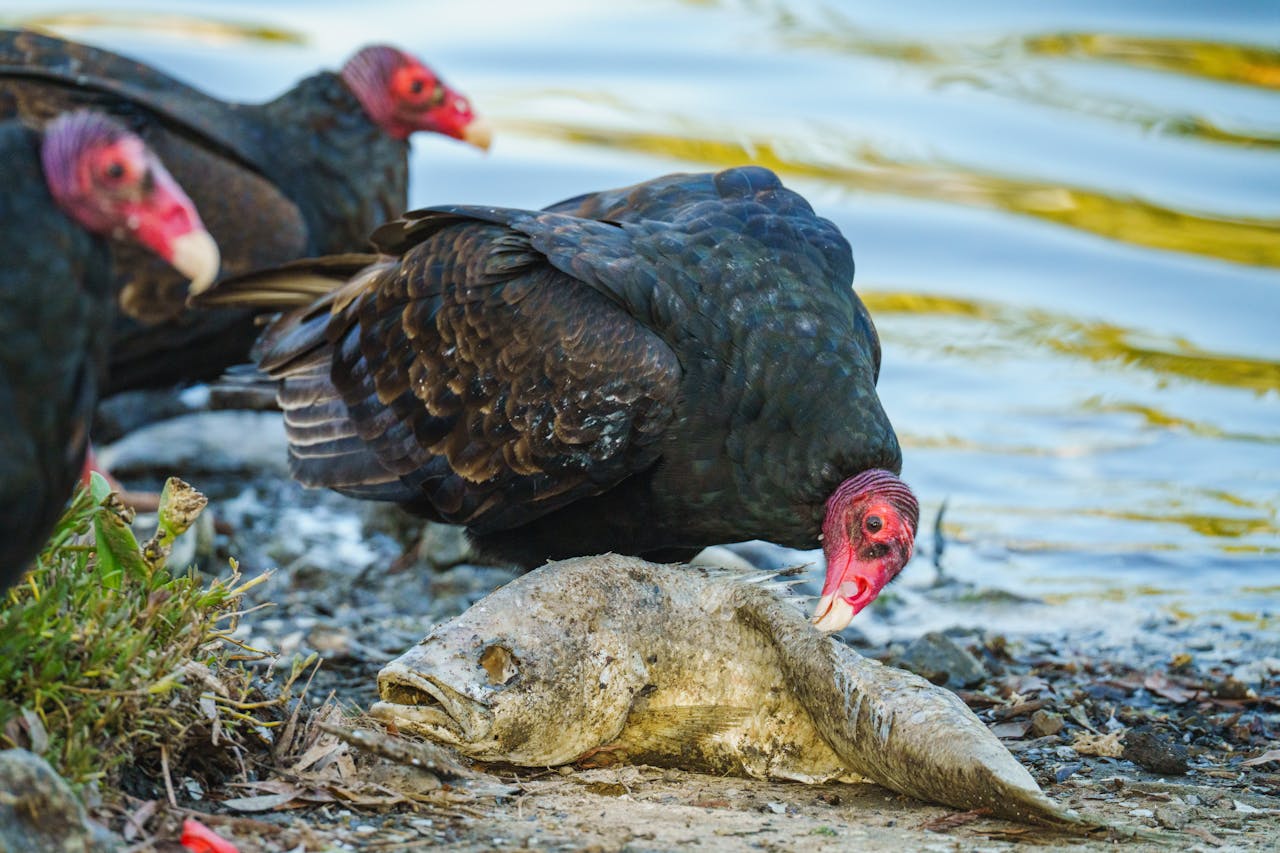
In the Americas, Turkey Vultures (Cathartes aura) stand as a testament to the power of olfaction in foraging. These iconic scavengers possess an extraordinary ability to locate carrion, even when it is concealed beneath dense forest canopies or otherwise invisible from the air. Their success hinges on their sensitivity to the gases produced by decaying organic matter, particularly ethyl mercaptan, a compound released during decomposition.
This remarkable olfactory prowess has even found practical applications. Historically, gas companies in some regions have utilized the olfactory capabilities of Turkey Vultures. By introducing small amounts of ethyl mercaptan into underground gas pipelines, they could observe where the vultures congregated, thereby identifying leaks and facilitating timely repairs. This anecdote powerfully illustrates the reliability and potency of the vulture’s sense of smell.
While not all vulture species rely equally on olfaction—some are more visually oriented or follow the foraging efforts of other birds—the Turkey Vulture exemplifies how a highly developed sense of smell can be a critical adaptation for survival in specific ecological niches.
Everyday Birds, Extraordinary Noses: Beyond the Specialists
The importance of olfaction extends beyond the specialized senses of seabirds and vultures. Even common birds, often overlooked in discussions of sensory perception, demonstrate a surprising reliance on scent for various aspects of their lives.
Pigeons, for instance, have long been studied for their remarkable homing abilities. While visual cues and magnetic sense are recognized factors, emerging research suggests that pigeons also utilize olfactory cues as part of their navigational toolkit. When displaced to unfamiliar territories, they appear to construct a "scent map" of their surroundings, integrating regional odors carried by prevailing winds into their spatial understanding. This allows them to orient themselves and find their way back to their home lofts.
For songbirds, olfaction can play a crucial role in parental care and predator avoidance. Studies have indicated that songbirds can detect the odors of predators in the vicinity of their nests, prompting behavioral changes such as increased vigilance or altered foraging patterns to protect their vulnerable offspring. Moreover, evidence suggests that some songbird species can differentiate between the chemical cues emitted by their own partners and those of strangers, or even assess the physiological condition of potential mates through scent.

Even familiar domestic birds like chickens and ducks exhibit olfactory responses that influence their feeding behavior and social interactions. While these abilities might be more subtle than those of their wild counterparts, they underscore the pervasive presence and functional significance of smell across a broad spectrum of avian life.
The Kiwi’s Unique Olfactory Landscape
The nocturnal kiwi, endemic to New Zealand, presents one of the most striking examples of avian olfactory adaptation. Unlike most birds, the kiwi possesses nostrils located at the very tip of its elongated beak. This specialized anatomy is perfectly suited for its foraging strategy: probing the soil and leaf litter to locate invertebrates such as insects and worms. The kiwi’s olfactory bulbs are relatively large for its body size, and its reliance on smell for foraging in the dark is paramount. In this case, vision plays a secondary role, highlighting a clear divergence from the visually dominant sensory landscape of many other bird species.
Olfactory Communication: A Developing Frontier
A burgeoning area of research is exploring the role of olfaction in avian communication. Birds produce preen oil from a gland near their tail, which they use to maintain the condition of their feathers. However, it is increasingly understood that this oil may also serve as a carrier of chemical information, potentially signaling an individual’s identity, health status, or reproductive readiness.

In species that nest colonially, where thousands of visually similar individuals congregate, olfactory cues could be vital for recognizing mates and offspring. While research in this domain is still in its nascent stages, it holds the promise of further revolutionizing our understanding of bird social dynamics and the intricate ways in which they interact through chemical signals.
The Lingering Shadow of Doubt: A Historical Perspective
The enduring misconception regarding birds’ lack of smell stems, in large part, from the inherent difficulty in observing and quantifying olfactory behaviors. Unlike the readily apparent actions associated with vision or hearing, the detection and interpretation of invisible chemical trails are far more challenging for human observers. Without the sophisticated experimental methodologies and analytical tools available today, early naturalists and scientists simply missed the subtle but significant evidence of avian olfaction. The development of advanced research techniques, including controlled experiments, gas chromatography, and neurobiological studies, has been instrumental in bringing these hidden sensory capabilities to light.
A World Rich in Odours: Reimagining the Avian Environment
To a bird, the air may be a complex tapestry of olfactory information, conveying messages about the presence of distant food sources, the direction of home, the identity of kin, or the imminence of danger. Smell adds an entirely new dimension to how birds perceive and interact with their environment, complementing and sometimes even superseding their reliance on sight and sound.

The diverse sensory strategies employed by different avian species reflect their unique ecological niches and evolutionary histories. While eagles might prioritize their extraordinary visual acuity, owls depend on their acute hearing, and petrels navigate by scent. Each sensory modality is finely tuned to the specific demands of the bird’s lifestyle, contributing to a remarkable spectrum of adaptations that ensure their survival and success in a myriad of habitats.
Conclusion: Embracing the Scent of Discovery
The scientific understanding of avian olfaction has undergone a profound transformation. The long-held myth of the scentless bird has been definitively debunked, replaced by a rich and nuanced appreciation for the sophisticated olfactory capabilities present across the avian world. From the vast oceanic journeys guided by chemical trails to the intricate social signaling within dense colonies, smell is an indispensable tool for countless bird species.
This ongoing scientific exploration not only deepens our understanding of bird biology but also challenges our own perceptions of the natural world. The next time you observe a bird in flight or foraging on the ground, consider the invisible world of scents it might be navigating—a world brimming with information that enriches its existence and shapes its behavior in ways we are only just beginning to comprehend. The avian olfactory revolution is a testament to the enduring power of scientific inquiry to unveil the hidden wonders of the natural world.

