


Etsy, the prominent global marketplace known for its emphasis on handmade, vintage, and creative goods, has officially announced a sweeping new policy that will prohibit the sale of all animal fur products across its platform. This landmark decision, scheduled to be fully implemented by August 2026, follows an intensive multi-year advocacy campaign led by People for the Ethical Treatment of Animals (PETA) and supported by over 100,000 individual communications from concerned consumers worldwide. The move signals a major shift in the e-commerce landscape, as one of the world’s largest creative retail hubs aligns its corporate governance with modern animal welfare standards and the evolving ethical expectations of the global consumer base.
The policy change was confirmed in April 2026, marking a significant victory for animal rights activists who have long targeted the platform for its inclusion of fur items. While Etsy has historically maintained a decentralized seller model that allows for a wide range of products, the company’s leadership indicated that the move is part of a broader commitment to ethical commerce and sustainability. By setting an August 2026 deadline, Etsy provides its global network of sellers with a transition period to phase out existing inventory and adjust their business models to comply with the new "fur-free" mandate.
The Evolution of the Fur-Free Campaign
The decision to ban fur was not an overnight development but the culmination of a rigorous push by international advocacy groups. PETA, an organization known for its high-profile corporate engagement, spearheaded a campaign that highlighted the discrepancies between Etsy’s brand image—which focuses on "keeping commerce human"—and the inherent cruelty associated with the fur industry.
According to records provided by advocacy groups, the campaign reached a fever pitch in late 2025 and early 2026. Supporters sent more than 100,000 messages to Etsy’s executive leadership, utilizing social media, direct correspondence, and public petitions to voice their opposition to the sale of fur. The campaign successfully mobilized a diverse coalition of international supporters, ranging from ethical fashion influencers to grassroots animal lovers, creating a groundswell of pressure that the company could no longer ignore.
In a statement reflecting on the policy shift, organizers noted that the victory underscores the power of collective consumer action. When a platform as influential as Etsy—which hosts millions of active sellers and tens of millions of buyers—chooses to remove a category of products based on ethical grounds, it creates a ripple effect throughout the entire retail sector.
Understanding the Ethical and Environmental Impetus
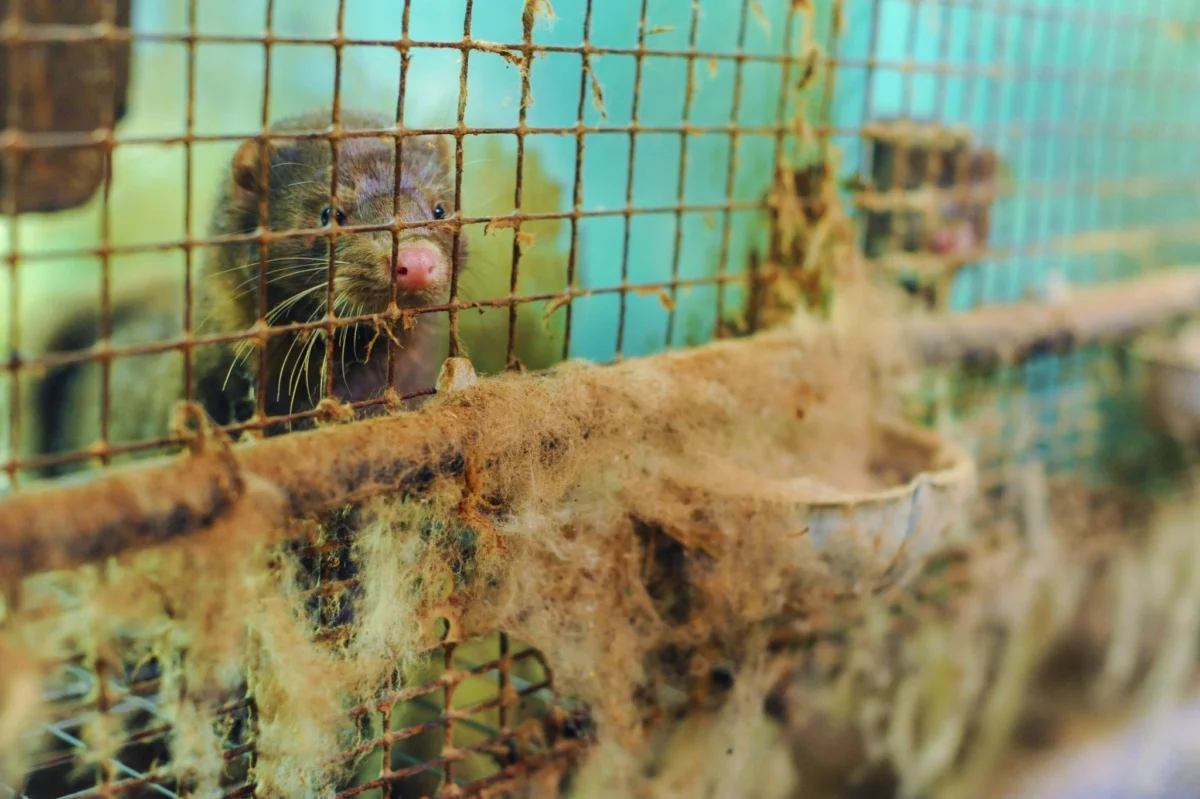
The core of the argument against the fur trade lies in the treatment of fur-bearing animals, such as minks, foxes, rabbits, and chinchillas. Industry investigations have frequently documented the conditions within fur farms, where animals are often confined to small, unsanitary wire cages. These environments prevent animals from engaging in natural behaviors, leading to extreme psychological distress, self-mutilation, and the spread of untreated diseases.
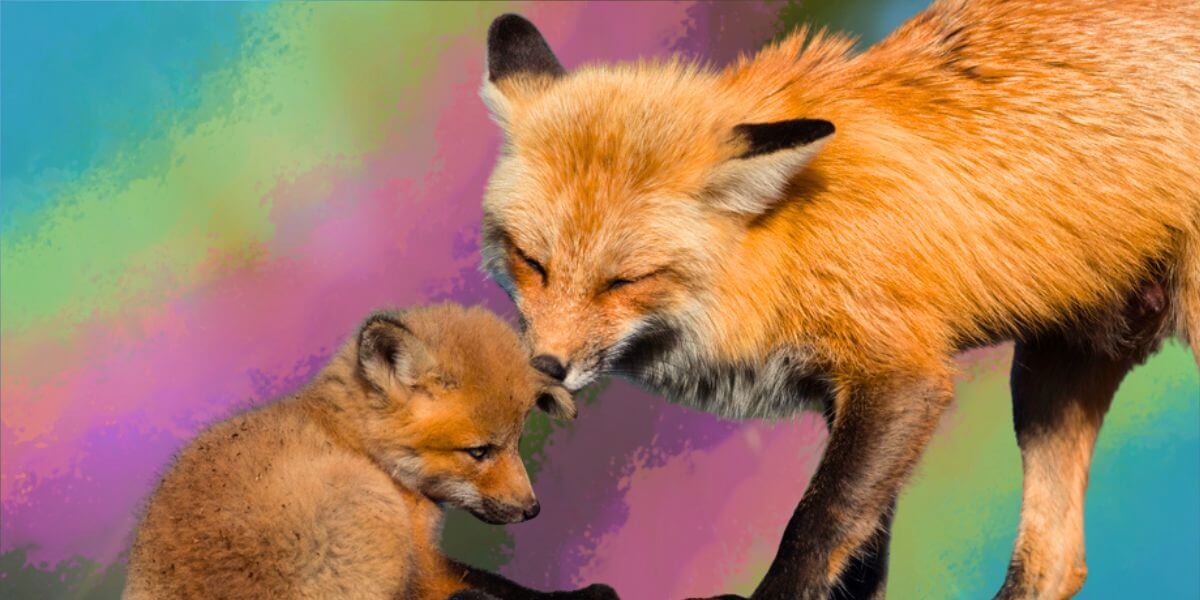
Beyond the welfare of the animals during their lives, the methods used to harvest fur have drawn intense scrutiny. To preserve the integrity of the pelt, the industry frequently employs methods such as gassing, electrocution, or cervical dislocation. By removing the marketplace for these products, Etsy effectively reduces the demand that fuels these practices.
Furthermore, the environmental impact of fur production has become a secondary but vital point of contention. Contrary to the "natural" image often promoted by the industry, the processing of animal fur is a chemically intensive endeavor. Raw pelts must be treated with a variety of toxic substances—including formaldehyde, chromium, and various dyes—to prevent them from decomposing. These chemicals pose significant risks to both the environment and the workers in tanning facilities. Additionally, the carbon footprint associated with raising thousands of animals for their skins is significantly higher than that of many synthetic or plant-based alternatives.
A Growing Industry Trend: The Context of the Ban
Etsy’s decision does not occur in a vacuum; rather, it follows a decade-long trend of major fashion houses and retailers distancing themselves from animal fur. The list of companies that have adopted fur-free policies now includes some of the most prestigious names in luxury and mass-market retail, such as Gucci, Prada, Versace, Armani, and Burberry.
In the e-commerce sector, Etsy joins other major players like ASOS, Net-a-Porter, and Farfetch, which have already implemented similar bans. Even fast-fashion giants like SHEIN have committed to fur-free policies in response to the changing tides of public opinion. This industry-wide pivot is largely driven by the shifting values of Gen Z and Millennial consumers, who prioritize transparency, ethics, and sustainability when making purchasing decisions. Market research indicates that younger demographics are significantly more likely to boycott brands associated with animal cruelty, making "fur-free" a strategic business move as much as an ethical one.
Chronology of Etsy’s Policy Shift
To understand the significance of this announcement, it is helpful to look at the timeline leading up to the 2026 deadline:
- 2020–2023: PETA and other animal rights groups begin increasing public pressure on Etsy, citing the availability of real fur items masquerading as "vintage" or "handmade" on the platform.
- Late 2024: Advocacy groups launch a concentrated digital campaign, resulting in tens of thousands of automated and personalized emails being sent to Etsy’s board of directors.
- January 2026: Etsy leadership enters formal discussions with animal welfare representatives to discuss the feasibility of a platform-wide ban.
- April 8, 2026: Etsy officially announces its commitment to a fur-free policy, citing a desire to foster a more compassionate marketplace.
- August 2026: The ban is set to take full effect, with automated filters and manual moderation teams tasked with removing non-compliant listings.
Analysis of Implications for Sellers and the Marketplace
The transition to a fur-free model presents both challenges and opportunities for Etsy’s vast community of independent sellers. For artisans who have specialized in fur-trimmed accessories or vintage fur restoration, the new policy necessitates a pivot toward alternative materials.
However, industry analysts suggest that the ban will likely stimulate innovation in the "faux-fur" and bio-material sectors. Etsy has long been a hub for sustainable innovation, and the removal of animal fur may encourage sellers to explore high-quality plant-based alternatives, such as those derived from pineapple leaves, mushrooms (mycelium), or recycled plastics. These materials often align better with the "eco-friendly" branding that many Etsy shoppers seek.
From a regulatory standpoint, Etsy will need to invest in more robust monitoring tools. Distinguishing between high-quality faux fur and real animal fur can be difficult through digital images alone. The company is expected to update its seller handbook and utilize AI-driven image recognition software to identify and flag potential violations of the new policy.
The Next Frontier: Pressure Mounts on Competitors
With Etsy now committed to a fur-free future, advocacy groups have turned their attention to other major e-commerce platforms that continue to profit from the sale of animal skins. A primary target of current campaigns is Temu, the rapidly growing online marketplace that has faced criticism for its lack of transparent ethical standards.
Activists argue that Temu is currently "flooding" the market with low-cost products made from fur, angora, and wild-animal skins. Unlike Etsy, which has a history of engaging with its community on ethical issues, Temu has been slower to respond to international pressure regarding its supply chain. The campaign against Temu emphasizes that as a global leader in e-commerce, the company has a moral responsibility to follow the lead of Etsy, ASOS, and other industry peers.
The demand for Temu to ban fur, wildlife skins, and angora is part of a broader movement to eliminate "cruelty-based" products from the global supply chain. Angora production, in particular, has been condemned for the violent methods used to harvest wool from rabbits, while the trade in wild-animal skins often involves the poaching or unsustainable trapping of exotic species.
Conclusion and Future Outlook
Etsy’s decision to ban fur is a landmark moment in the history of online commerce. It reflects a growing consensus that artistic expression and business profitability do not require the exploitation of sentient beings. By listening to the voices of over 100,000 advocates and taking a definitive stand, Etsy has reinforced its position as a leader in the movement toward a more ethical and humane retail environment.
As the August 2026 deadline approaches, the retail world will be watching closely to see how Etsy manages the transition. If successful, this move could serve as a blueprint for other marketplaces to follow, eventually making animal fur a relic of the past in the world of mainstream fashion and craft. The victory for PETA and its supporters demonstrates that in the digital age, the collective voice of compassionate consumers is a powerful force for corporate change, capable of reshaping the policies of even the largest global entities.

