


The sudden onset of swelling around a parrot’s eye is a condition that demands immediate attention from avian caregivers. Whether the puffiness is centered on the eyelid, the globe of the eye, or the surrounding infraorbital sinus, it serves as a critical indicator of underlying physiological stress. Because birds are biologically hardwired to mask signs of illness until a condition reaches an advanced stage, any noticeable change in the periocular region—the area surrounding the eye—should be treated as a potential medical emergency until proven otherwise by a qualified avian veterinarian.
The Anatomy of Avian Eye Health and Swelling
To understand why eye swelling occurs, one must first consider the unique anatomy of the avian head. Unlike mammals, birds possess a complex system of infraorbital sinuses that wrap closely around the eyes. Consequently, inflammation within the respiratory system or the sinuses often manifests as physical swelling of the eyelids.
When an owner observes a "swollen eye," they are frequently witnessing the secondary effects of a primary issue. Clinical observations suggest that the swelling may stem from several distinct categories: mechanical irritation, traumatic injury, infectious disease (bacterial, fungal, or viral), or systemic nutritional deficiencies. The proximity of the sinus cavities to the eye means that respiratory infections—common in captive parrots due to poor air quality or nutritional imbalances—frequently lead to unilateral or bilateral swelling.
Chronology and Diagnostic Indicators
A timeline of symptoms is essential for an accurate veterinary diagnosis. A sudden onset, such as a bird waking up with a closed or puffed eye, often points to a traumatic event, such as a night fright where the bird collided with a cage bar. Conversely, a gradual onset, characterized by intermittent puffiness that worsens over several days, is more suggestive of a progressive infection or chronic irritation caused by environmental allergens, such as aerosolized cleaners, scented candles, or heavy dust accumulation.
Veterinary professionals typically categorize the urgency of the condition based on the presence of specific markers. If the swelling is accompanied by clear or purulent discharge, the probability of an infection rises significantly. Furthermore, if the bird displays behavioral lethargy, changes in vocalization, or decreased appetite, the condition is no longer localized to the eye and has likely become a systemic health crisis.
Comparative Clinical Data
In the field of avian medicine, practitioners utilize a diagnostic hierarchy to determine the severity of ocular issues. Clinical data suggests that while mild, transient puffiness might be attributed to minor environmental irritants, the presence of specific symptoms shifts the urgency level:
| Symptom Cluster | Potential Clinical Significance | Recommended Action |
|---|---|---|
| Mild puffiness; normal eye opening | Environmental irritation | Remove allergens; monitor closely |
| Persistent rubbing or blinking | Corneal abrasion or foreign body | Immediate veterinary examination |
| Purulent discharge or crusting | Bacterial/Fungal infection | Urgent veterinary intervention |
| Post-collision/trauma swelling | Hemorrhage or tissue damage | Emergency care required |
| Respiratory distress/Sneezing | Sinusitis or respiratory infection | Same-day urgent care |
The correlation between these symptoms and clinical outcomes cannot be overstated. A delay in treatment for a corneal abrasion, for instance, can lead to permanent vision loss, while untreated sinusitis in birds is notoriously difficult to manage once the infection becomes entrenched in the bone or air sacs.
Environmental and Nutritional Context
A significant portion of ocular issues in companion parrots is linked to husbandry practices. Parrots are highly sensitive to particulate matter. The respiratory system of a bird is significantly more efficient and fragile than that of a human; therefore, exposure to non-stick cookware fumes (PTFE toxicity), cigarette smoke, or high levels of dander can cause severe inflammation of the ocular and sinus tissues.
From a nutritional standpoint, the role of Vitamin A is paramount. A diet consisting primarily of seeds is inherently deficient in Vitamin A, which is essential for the health of the epithelial tissues, including the lining of the sinuses and the eyelids. When these tissues become keratinized or weakened due to chronic malnutrition, they become highly susceptible to opportunistic bacterial infections. While supplementation with carotenoid-rich foods—such as red palm oil or specific formulated vitamins—can support general health, it is imperative to note that these are preventative measures, not therapeutic treatments for an active infection. They do not replace the need for antibiotics or anti-inflammatory medication in an acute medical setting.
The Role of Professional Veterinary Intervention
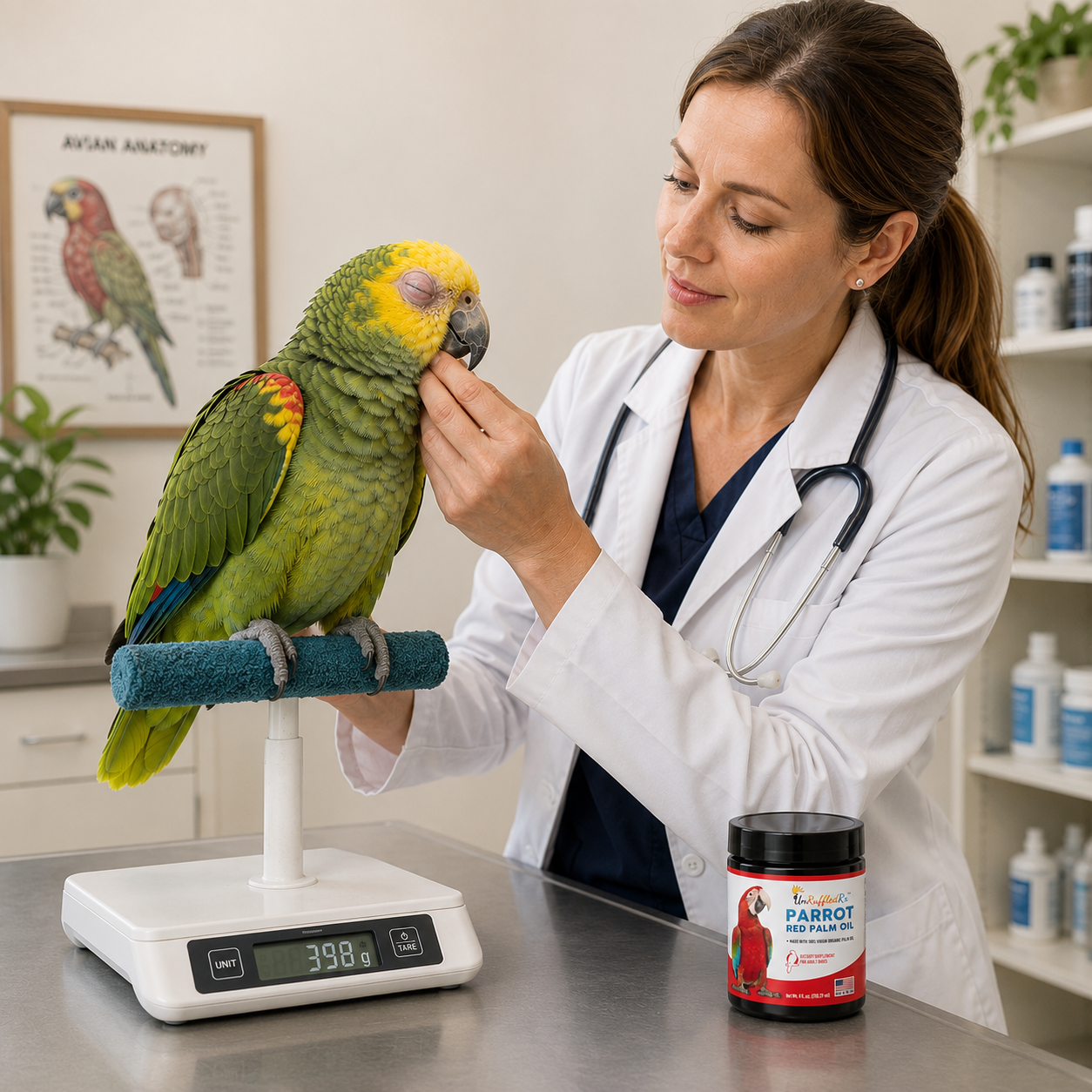
When a parrot presents with ocular swelling, a veterinarian will typically perform a full physical examination, potentially including a Gram stain, a cytology of the eye discharge, or blood work to identify systemic pathogens. The goal is to determine if the swelling is primary (an issue with the eye itself, such as a scratch) or secondary (a systemic disease manifesting in the eye).
Avian specialists warn against the use of over-the-counter human eye drops. Many human ophthalmic preparations contain steroids that can mask symptoms or actively exacerbate certain fungal or viral infections common in birds. Home remedies are often ineffective and can lead to the "ticking clock" effect, where the owner spends days attempting to treat the symptoms at home, allowing a treatable infection to progress into a life-threatening systemic illness.

Implications for Long-Term Avian Care
The impact of eye health on a bird’s overall quality of life is profound. Birds are visual predators and prey animals; a compromised eye significantly affects their depth perception, confidence, and interaction with their environment. Owners who prioritize a proactive approach—monitoring for subtle changes, maintaining a clean and ventilated environment, and ensuring a balanced, pellet-based diet—are statistically more likely to avoid these acute crises.
Furthermore, the documentation of health events is a vital skill for the responsible owner. Taking clear, high-resolution photographs or short videos of the swelling at different times of the day can provide a veterinarian with crucial information that may not be apparent during a brief clinic visit. This data-driven approach facilitates a more accurate diagnosis and a swifter recovery period.
In summary, a swollen eye is a significant diagnostic signal in avian medicine. It is rarely a standalone issue and almost always serves as a indicator of environmental, infectious, or traumatic stress. Given the rapid metabolism and unique physiological structure of parrots, owners should view any persistent swelling as a valid reason for a veterinary consultation. By prioritizing professional care over home-based intervention, bird owners can ensure that minor irritations do not escalate into catastrophic health failures, ultimately supporting the long-term well-being of their companion birds.
For those seeking further guidance, it is recommended to consult with a board-certified avian veterinarian or a specialized clinic equipped with the diagnostics necessary to evaluate the complex interplay between the ocular, respiratory, and sinus systems in avian patients.

