


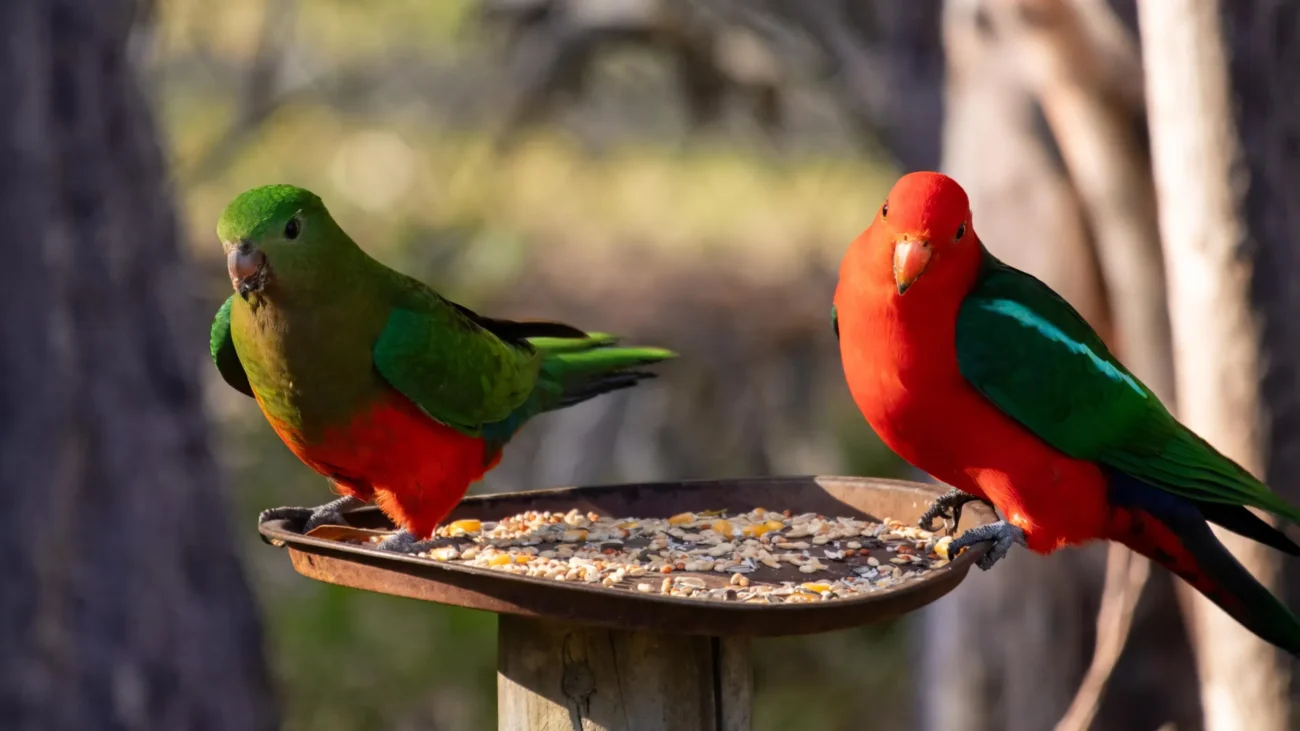
Backyard bird feeding, traditionally regarded as one of Australia’s most cherished and widespread domestic pastimes, has suddenly transformed into a focal point of intense biosecurity concern. Empirical research indicates that approximately half of all Australian households participate in the practice of feeding wild birds, with a significant percentage doing so on a daily basis. While well-intentioned citizens view putting out seeds, grains, and meat scraps as a compassionate act that fosters a personal connection with nature, wildlife health experts and biosecurity authorities are issuing urgent warnings. They caution that residential feeding stations can easily function as epidemiological superspreader events, inadvertently accelerating the transmission of the highly pathogenic H5N1 avian influenza virus across both avian populations and vulnerable native mammal species.
The current strain of the H5N1 virus represents an unprecedented global ecological crisis. Over the past several years, this particular clade of avian influenza has moved relentlessly across the globe, decimating wild bird colonies and breaching mammalian barriers on an unprecedented scale. Historically, avian influenza outbreaks were largely confined to commercial poultry operations, where containment protocols could be strictly enforced. However, the contemporary H5N1 panzootic has evolved into a pervasive environmental threat, striking migratory seabirds, apex predators, marine mammals, and terrestrial scavengers with equal lethality.
As the virus tightens its grip on the Australian continent, federal and state agencies are struggling to contain its advance. The arrival of H5N1 in Australia marks a critical turning point in the nation’s environmental history, threatening not only common garden species but also pushing critically endangered taxa toward the absolute precipice of extinction.
A Chronology of Crisis: The Spread of H5N1 in Australia
The timeline of the H5N1 incursion into the Australasian region highlights the rapid acceleration of the disease and the vulnerability of local ecosystems. While Australia remained isolated from the worst waves of the northern hemisphere panzootic for an extended period, biosecurity experts always viewed an eventual arrival as a matter of when, not if, due to global migratory flyways.
In the initial detection phases, surveillance networks monitored unusual mortality events in remote coastal and island environments, where migratory seabirds congregate in dense numbers. These early signals demonstrated that the virus was capable of traversing vast oceanic expanses via infected avian hosts.
The crisis escalated dramatically when the virus crossed the threshold from isolated populations into mainland ecosystems. Most recently, conservation authorities confirmed a massive mortality event involving more than 1,000 crested terns along the coastline. This catastrophic loss was quickly followed by an even more alarming milestone: the first confirmed H5N1 death in an Australian mainland mammal, specifically a long-nosed fur seal. This spillover event confirmed that the virus is actively circulating within Australian coastal and terrestrial food webs, creating pathways of exposure for a wide array of scavenger species, including red foxes, feral and domestic cats, possums, and corvids.
With the virus now firmly established on the mainland, epidemiologists are turning their attention to secondary amplification hubs. Chief among these domestic and semi-natural amplifiers are residential backyards, where human benevolence inadvertently creates artificial ecological conditions that favor viral persistence and transmission.
The Mechanics of a Suburban Superspreader
To understand why backyard bird feeding poses such an acute risk during an H5N1 outbreak, one must examine how the practice alters natural wildlife behavior. In a pristine natural environment, wild birds forage over vast territories, maintaining spatial separation that naturally limits the direct transmission of infectious diseases.
When residents introduce feeding stations—such as suspended seed dispensers, open platform trays, or ground-level feeding areas—they fundamentally disrupt this natural spacing. The provision of high-calorie, easily accessible food acts as a powerful ecological magnet, drawing together an unnatural concentration and diversity of bird species that would never otherwise congregate in such close quarters.
At a single backyard feeder, healthy birds intermingle directly with asymptomatic carriers or early-stage infected individuals. As birds crowd onto feeding surfaces, they contaminate the environment through saliva, nasal secretions, and feces. The H5N1 virus can survive for varying periods in moist organic matter, transforming a suburban patio into a high-density transmission hotspot.
Furthermore, the concentration of prey species attracts secondary visitors, including mammalian scavengers. Raccoons, foxes, possums, and rodents that scavenge spilled seed or consume deceased birds on residential properties are readily exposed to high viral loads. This multi-species mixing bowl dramatically increases the statistical probability of viral mutation and cross-species transmission, expanding the host range of the pathogen within densely populated suburban zones.
Vulnerability of Endangered Endemic Species
The stakes for Australian biodiversity could not be higher. Australia possesses a unique assemblage of avifauna, many species of which have restricted geographic ranges and small total population sizes. The introduction of a systemic pathogen like H5N1 threatens to wipe out centuries of careful conservation work in a matter of weeks.
Conservation scientists have expressed acute anxiety over the potential impact of the virus on highly threatened taxa, such as the orange-bellied parrot. With wild populations already numbering fewer than a few hundred individuals, the introduction of a virulent disease vector into their foraging grounds or captive-breeding environments could trigger a rapid extinction spiral. Unlike abundant, resilient urban adapter species—such as rainbow lorikeets, corellas, and Australian magpies—endemic and threatened species possess lower genetic diversity and diminished resilience against novel viral challenges.
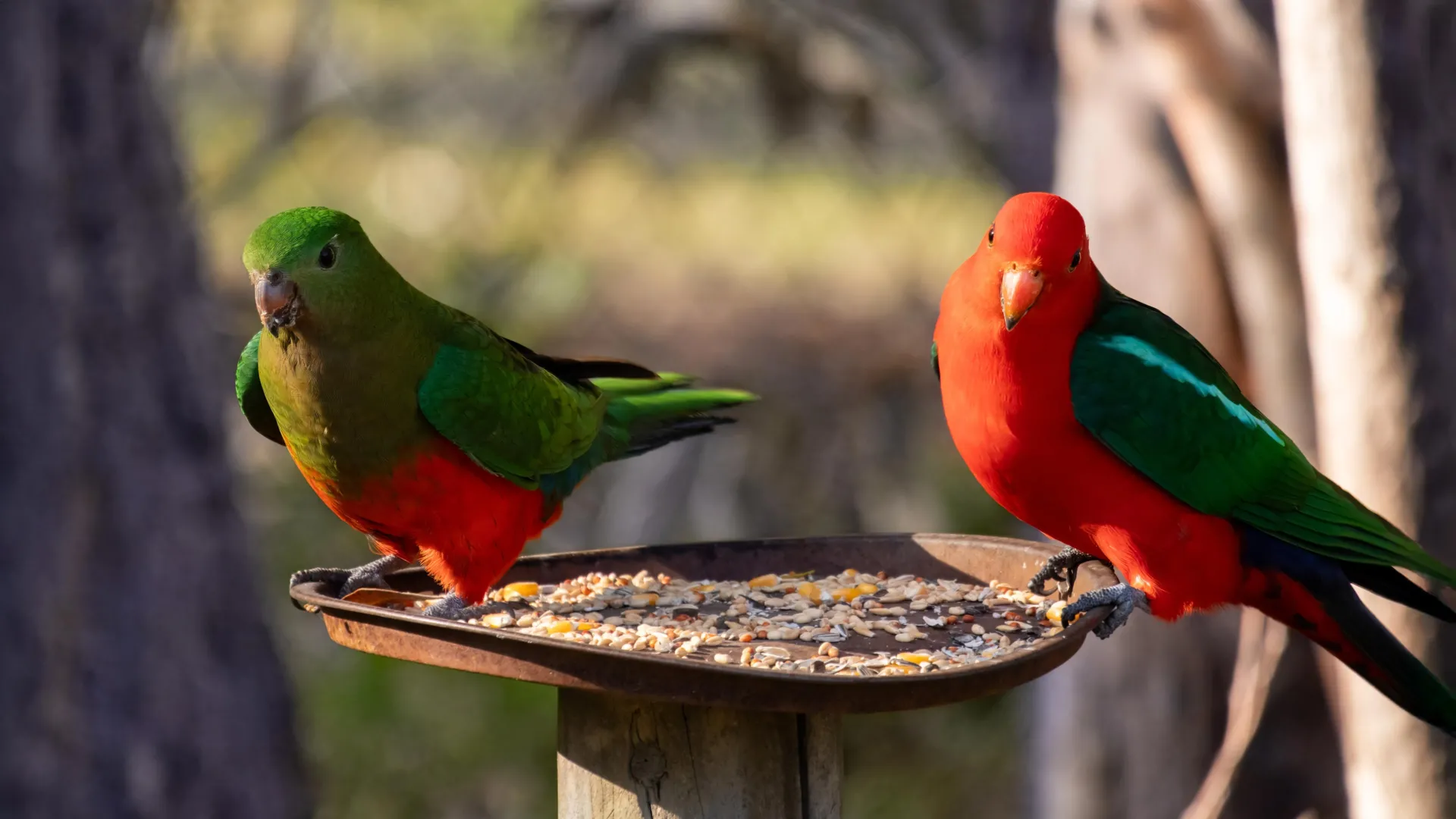
When well-meaning citizens draw these vulnerable species into urbanized or suburban interface zones through supplementary feeding, they expose them not only to urban predators and environmental toxins but also to a lethal cocktail of avian pathogens shared by more robust, disease-tolerant cosmopolitan birds.
Implications for Human Health and Public Safety
While avian influenza is fundamentally an animal health crisis, the zoonotic potential of the H5N1 virus necessitates vigilant monitoring by public health authorities. Zoonotic spillover—the transmission of a pathogen from animals to humans—typically occurs through prolonged, unprotected direct contact with infected poultry or wild animal carcasses.
In the context of backyard feeding, the risk to human health is multifaceted. Individuals who regularly interact with backyard wildlife, particularly those who engage in hand-feeding or maintain unsanitary feeding equipment, elevate their personal exposure risk. Inhabitants of properties hosting large congregations of sick or dying birds may inhale aerosolized viral particles or come into accidental contact with infectious bodily fluids.
Public health agencies, including the Department of Health and state biosecurity divisions, stress that while human infections with H5N1 remain rare and typically manifest as mild conjunctivitis or influenza-like symptoms, the virus possesses a high case-fatality rate in global historical records. As the virus evolves and adapts to mammalian hosts, minimizing unnecessary close physical contact between humans and wild fauna is an essential precautionary measure. Wildlife carers, veterinary professionals, and enthusiastic amateur naturalists are advised to utilize personal protective equipment (PPE) when handling distressed wildlife and to strictly avoid handling dead animals without professional oversight.
Strategic Recommendations for Wildlife Protection
Recognizing the gravity of the unfolding situation, conservation councils, ornithological societies, and government biosecurity departments have united behind a clear set of directives for the public. The consensus among wildlife health experts is unequivocal: the safest course of action for Australian households is to cease backyard bird feeding entirely.
Scientific studies investigating the dependency and nutritional ecology of urban birds demonstrate that backyard feeders do not provide essential sustenance. Research into the dietary habits of visitors to urban feeding stations reveals that the vast majority of their nutritional intake is derived from natural sources, such as native flora, insects, nectar, and seeds. The food provided by humans functions primarily as a high-calorie snack rather than a dietary necessity. Consequently, suspending feeding operations will not cause mass starvation; instead, it will encourage birds to disperse across natural foraging ranges, thereby reducing population density and arresting the spread of disease.
For households that find it difficult to immediately discontinue the practice, experts outline three mandatory risk-mitigation protocols to be implemented with absolute rigor:
-
Drastically Reduce Food Volumes: Minimizing the quantity of food made available prevents large, dense flocks from congregating. By treating feeding stations as low-yield waypoints rather than abundant permanent banquets, residents can enforce a form of ecological social distancing among visiting wildlife.
-
Strictly Prohibit Hand-Feeding: The practice of enticing birds to take food directly from human hands must be abandoned immediately. While hand-feeding offers an intimate wildlife experience, the close physical proximity involved drastically increases the risk of zoonotic pathogen transfer and creates unnatural behavioral dependencies.
-
Maintain Rigorous Sanitation Standards: Those who choose to continue maintaining feeders must adopt hospital-grade hygiene practices. Feeding trays, perches, and surrounding ground surfaces must be regularly scrubbed and disinfected using domestic bleach solutions. Biosecurity experts emphasize that individuals unwilling or unable to commit to daily sanitation protocols should not operate feeding stations under any circumstances.
Broader Environmental Implications and Official Response
The H5N1 incursion serves as a stark reminder of the interconnectedness of domestic human behavior and wild ecosystem health. The globalization of wildlife diseases highlights the vulnerability of isolated island continents like Australia, where unique evolutionary trajectories have left native fauna without historical immunological defenses against modern pathogens.
Federal and state agricultural departments have reinforced surveillance protocols, establishing rapid-response frameworks to investigate mass mortality events and trace the geographic expansion of the virus. Biosecurity agencies continue to urge the public to remain vigilant, active participants in national disease monitoring efforts.
Citizens are instructed never to touch sick or deceased wild birds or marine mammals under any circumstances. Instead, members of the public are advised to record precise geographic locations, capture photographs from a secure and safe distance, ensure that domestic pets are kept strictly away from the area, and immediately report sightings to the Emergency Animal Disease Hotline.
Through a combination of public restraint, adherence to biosecurity guidelines, and informed wildlife management, the Australian community can help mitigate the devastating impact of the H5N1 crisis, safeguarding both human populations and the nation’s irreplaceable natural heritage for future generations.

