

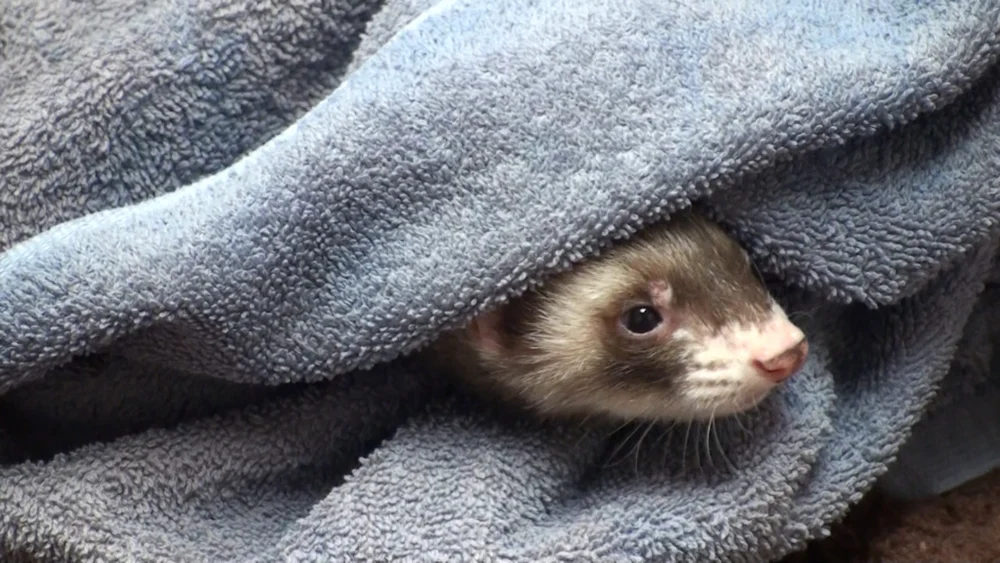
Veterinarians frequently encounter geriatric ferrets presenting with a suite of concerning clinical signs: ataxia, intermittent collapse, exercise intolerance, and significant muscle wasting. For years, the standard clinical reflex in many practices has been an immediate pivot toward a diagnosis of insulinoma—a tumor of the pancreatic beta cells. However, leading experts in exotic animal medicine are now calling for a more nuanced approach, warning that a reliance on single-point glucometer readings is leading to misdiagnoses, unnecessary treatments, and the neglect of critical underlying pathologies.
During a recent professional webinar hosted by LafeberVet, Dr. Cathy Johnson-Delaney, a veteran practitioner in avian and exotic animal medicine and founding member of the Washington Ferret Rescue & Shelter, addressed the diagnostic pitfalls currently hindering effective ferret care. The event, which drew widespread attendance from the veterinary community, served as a platform to dismantle the assumption that low blood glucose in a collapsed ferret is always synonymous with insulinoma.
The Dangers of Diagnostic Shortcuts
The diagnostic cycle often begins with a quick test using a handheld glucometer. If the device reports a blood glucose level between 70 and 90 mg/dL, clinicians frequently jump to an insulinoma diagnosis, often prescribing prednisone without further investigation. Dr. Johnson-Delaney highlighted several flaws in this standard operating procedure. First, handheld glucometers are notoriously inaccurate when used on ferrets. Second, these tests fail to account for the animal’s recent nutritional history—the "what, when, and how much" of their last meal.
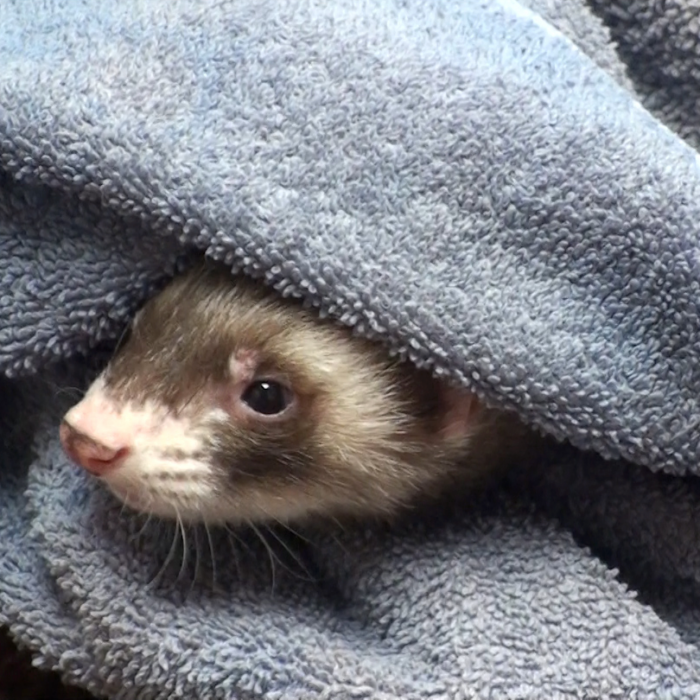
Normal ferret physiology involves significant fluctuations in blood glucose that differ fundamentally from the metabolic patterns seen in cats and dogs. By failing to perform a comprehensive workup, practitioners risk missing a variety of life-threatening differentials, including primary cardiac, renal, dental, or musculoskeletal diseases. In cases where the initial diagnosis is incorrect, the administration of corticosteroids like prednisone can exacerbate the patient’s actual condition, leading to rapid deterioration.
A Chronology of Clinical Mismanagement
The typical patient journey for a collapsing ferret often follows a pattern of diagnostic confirmation bias.
- Initial Presentation: The owner notices lethargy or ataxia and brings the ferret to the clinic.
- The "Quick" Test: A glucometer reading is taken. If the result is low, a presumptive diagnosis of insulinoma is made.
- Incomplete Diagnostics: Radiographs are sometimes ordered, which may reveal splenomegaly or cardiomegaly. However, these are often dismissed as secondary to the presumed insulinoma.
- Treatment Failure: The patient is placed on prednisone. When the ferret fails to improve or worsens, the practitioner may be left without an alternative plan, having overlooked systemic issues that required immediate intervention.
Dr. Johnson-Delaney emphasized that when a ferret presents in a collapsed state, the first priority should be determining the time of the last meal. If the animal has eaten within the previous two to three hours, the low glucose reading must be viewed with extreme skepticism. In such instances, providing a source of glucose and re-evaluating the patient after 15 to 30 minutes is a more prudent clinical step than immediate medication.
Supporting Data and Therapeutic Protocols
The webinar provided attendees with updated clinical guidelines, including a specific focus on ferret cardiology. For clinicians struggling with the management of heart disease, Dr. Johnson-Delaney introduced the "Cardiac Formula," a proprietary blend of nutraceuticals developed through decades of clinical practice.
The formula emphasizes the use of high-quality ingredients, specifically those labeled as U.S. Pharmacopeia (USP) grade or vetted by ConsumerLab.com. The components are suspended in a balanced omega 3-6-9 oil to maintain stability. Crucially, Dr. Johnson-Delaney advised that the mixture must be kept refrigerated and neither shaken nor stirred, as agitation can break the delicate fatty acid bonds essential to the formula’s efficacy. A target ratio of 3:1 (omega-3 to omega-6) is recommended to support cardiovascular health in geriatric ferrets.
When addressing questions regarding the availability of critical care medications like dobutamine—often difficult to source in smaller clinics—Dr. Johnson-Delaney remained firm. She noted that while human medicine offers alternatives such as milrinone, there is a lack of established clinical data regarding their use in ferrets. She urged clinics to maintain access to standard emergency supplies, noting that the cost of such medications is often negligible compared to the diagnostic and therapeutic costs of mismanaged cases.
Broader Impact on Exotic Animal Medicine
The implications of this shift in diagnostic protocol are far-reaching. As the popularity of ferrets as companion animals continues to rise, the burden on primary care veterinarians to provide specialized, accurate care increases. The reliance on legacy diagnostic methods—or those adapted inappropriately from feline and canine medicine—creates a "blind spot" in the standard of care.
By encouraging a move away from the "insulinoma-first" mindset, experts like Dr. Johnson-Delaney are fostering a culture of diagnostic rigor. This shift requires clinics to invest in more reliable blood chemistry analyzers, embrace the use of standardized pain scales (such as the Grimace Pain Scale for non-human mammals), and refine their techniques for blood collection.

The webinar also touched upon the importance of preventive dental care, an area often neglected in exotic practice. Dr. Johnson-Delaney advocated for the use of hydrolyzing toothpaste and regular dental cleanings performed under sedation. While kibble-based diets are standard for many, she noted that they contribute to specific types of tooth wear that must be monitored throughout the animal’s life.
Conclusion and Future Directions
The professional discourse surrounding this event underscores a growing trend toward evidence-based medicine in the exotic animal sector. The recognition that insulinoma is a complex endocrine disease—not a diagnosis to be reached via a single, potentially inaccurate, handheld device reading—is a necessary step in improving the quality of life for geriatric ferrets.
The event concluded with a book drawing for Ferret Medicine and Surgery, an essential resource for practitioners, and the distribution of continuing education credits through the AAVSB RACE program. As the field advances, the consensus among specialists is clear: effective management of the collapsing ferret requires a holistic assessment that considers the entirety of the animal’s physiological status, rather than a singular focus on blood glucose levels. For the veterinary community, the message is one of renewed diligence: look beyond the obvious, verify the findings, and ensure that the diagnostic path is as robust as the patients they serve.

