


Published On: Jan 2, 2026
Last updated on: Apr 20, 2026
The annual or semi-annual molting process is a fundamental physiological event for all birds, essential for maintaining healthy plumage, regulating body temperature, and enabling flight. While a natural occurrence, molting can be a period of significant discomfort for many avian species, prompting increased preening and scratching. This natural discomfort often raises a critical concern for bird owners: distinguishing between normal molting behaviors and the nascent stages of feather-destructive behavior (FDB), commonly known as feather plucking. The ability to identify this distinction early is paramount, as timely intervention can prevent a potentially harmful and deeply entrenched behavioral issue from developing.
This comprehensive guide is designed for bird owners observing their companions preening and scratching more frequently than usual during a molt, seeking to ascertain whether these behaviors fall within the spectrum of normal physiological responses or signal a developing problem. It is particularly relevant for those who are beginning to notice feather damage or repetitive picking and are grappling with the anxiety of potential FDB onset. However, it is crucial to note that this information is not intended for situations where a bird exhibits clear signs of distress or severe physical issues. If a bird appears weak, unusually quiet, maintains a fluffed-up posture for extended periods, squints or keeps eyes half-closed, has bald areas that are not regrowing feathers, presents with open skin lesions, bleeding, or is unequivocally pulling or damaging feathers, immediate avian or exotics veterinary care is warranted. These are not conditions to be self-diagnosed or treated at home.
Understanding the Molting Process: A Physiological Overview
Molting is the cyclical shedding of old, worn feathers and their replacement with new ones. This process is vital for a bird’s health, flight efficiency, and insulation. The frequency and duration of molts vary significantly by species, age, and environmental factors such as photoperiod (light exposure), temperature, nutrition, and overall health. For many companion birds, molting typically occurs once or twice a year, though some species may experience more frequent, less intense molts, or continuous low-level feather replacement.
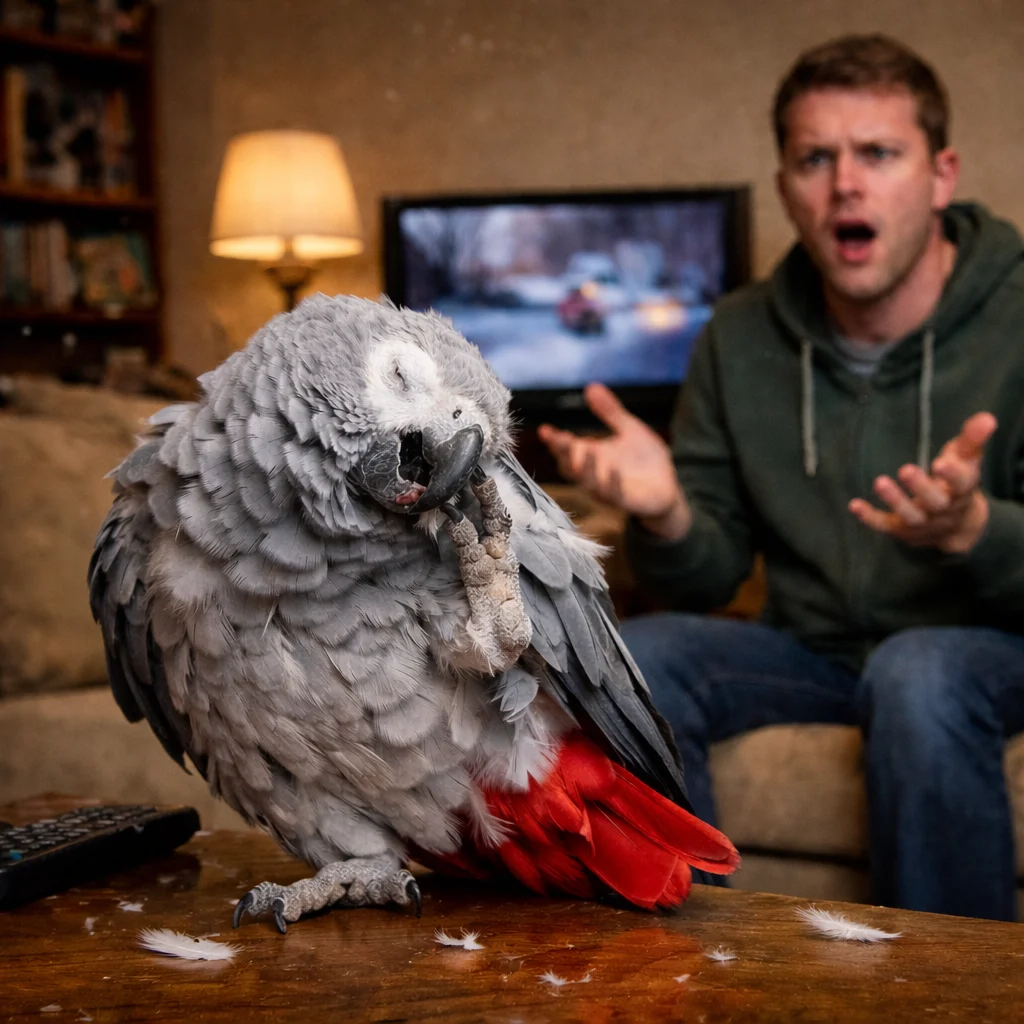
The process is energy-intensive. Feathers are primarily composed of keratin, a protein, meaning that during a molt, a bird’s body redirects substantial nutritional resources towards new feather production. Each new feather, or "pin feather," emerges encased in a waxy keratin sheath, which the bird meticulously preens away to allow the feather to unfurl. These pin feathers often contain a blood supply, making them sensitive and sometimes painful if damaged. As new feathers grow, they can be incredibly itchy and irritating, causing birds to preen, scratch, and rub themselves more vigorously than usual. This heightened activity is a normal response to the sensation of emerging feathers and the urge to remove the protective sheaths.
The Pivotal Question: Normal Molt Discomfort vs. Early Feather Plucking
The primary anxiety for many bird owners during a molt is encapsulated by the question: "Is this merely molting discomfort, or am I witnessing the precursor to feather plucking?" The subtle overlap in early behaviors makes this distinction challenging.
What Normal Molt Discomfort Typically Looks Like:
During a normal molt, a bird’s increased preening and scratching are usually:
- Generalized: The bird scratches and preens various parts of its body where new feathers are emerging.
- Intermittent: The activity is not constant; the bird can easily be distracted by food, toys, human interaction, or the desire to rest.
- Effective: Preening helps remove keratin sheaths and aligns new feathers, leading to a smoother, healthier coat over time.
- Accompanied by visible pin feathers: Numerous new, spiky feathers are often evident, particularly around the head, neck, and chest.
- Temporary: The heightened discomfort subsides as the molt progresses and new feathers fully emerge.
When Behavior Becomes Concerning: Early Signs of Potential FDB:
Conversely, signs that may indicate the onset of a more serious issue include:
- Fixation: The bird becomes unduly focused on a particular area, often the chest, legs, or under the wings, to the exclusion of other activities.
- Escalation: The intensity and duration of preening and scratching increase steadily over days or weeks, rather than fluctuating or subsiding.
- Repetitive Motions: The bird engages in highly repetitive, almost compulsive, plucking, pulling, or chewing motions, often returning to the same spot.
- Visible Damage: Feathers appear chewed, bent, broken, or are clearly being pulled out, leaving bare patches where new growth should be occurring or where feathers should remain intact.
- Difficulty Disengaging: The bird struggles to stop the behavior even when offered food, toys, or social interaction, appearing almost "stuck" in the destructive cycle.
- Self-Mutilation: In more severe cases, the bird may begin to pick at its skin, leading to redness, irritation, or open wounds.
The critical differentiator is not the sheer intensity of the behavior, but rather the bird’s capacity to disengage from it and revert to its normal repertoire of behaviors. A bird experiencing normal molt discomfort will still eat, play, interact, and rest, even if it preens more. A bird developing FDB often shows a compulsive element, where the destructive behavior overrides other natural urges.
The Physiological Basis of Molt Discomfort: Why Nutrition Matters
Molting is a profound physiological event that places significant demands on a bird’s body. The discomfort experienced during this period is not merely superficial itching but is deeply rooted in the metabolic processes required for feather regeneration and skin health.
Feathers, as mentioned, are approximately 90% protein. This fact alone highlights the immense nutritional requirements during a molt. The body must synthesize large quantities of amino acids to construct new feathers, while simultaneously ensuring the skin and feather follicles remain healthy and resilient enough to facilitate this growth without irritation or tearing.
Key nutrients play an indispensable role:
- Vitamin A (Retinol): Crucial for epithelial tissue health, including the skin and feather follicles. A deficiency can lead to dry, flaky skin, abnormal feather growth, and increased susceptibility to irritation and infection.
- Essential Fatty Acids (EFAs): Omega-3 and Omega-6 fatty acids are vital for maintaining skin barrier function, elasticity, and reducing inflammation. Deficiencies can result in dry, itchy skin and poor feather quality.
- Amino Acids: Specific amino acids, particularly sulfur-containing ones like methionine and cysteine, are the building blocks of keratin and are therefore essential for robust feather growth.
- Minerals: Zinc, copper, and selenium are cofactors in various enzymatic processes critical for skin integrity and feather pigmentation.
Why Some Molts Are More Challenging:
When a bird’s diet is deficient in Vitamin A, EFAs, or other critical nutrients, the skin and feather follicles cannot function optimally. This metabolic strain makes the process of new feather growth more arduous and irritating. The skin may become brittle, less elastic, and more prone to micro-tears, exacerbating the itchiness and discomfort.
It is often during a particularly challenging molt that underlying dietary limitations, which might have been subtly present for some time, become overtly manifest. A diet primarily composed of seeds, for instance, is notoriously deficient in Vitamin A, essential amino acids, and often imbalanced in calcium-to-phosphorus ratios, rendering birds highly vulnerable to compromised skin and feather health during a molt. This underscores the principle that a "rough molt" is rarely a matter of "bad luck" or an inherent "problem bird," but rather a signal that the bird’s physiological needs are not being adequately met.
Beyond Physiology: Behavioral and Environmental Contributors to FDB
While nutritional deficiencies are a significant predisposing factor, the transition from normal molting discomfort to chronic FDB is often influenced by a complex interplay of behavioral and environmental elements.
Stress and Anxiety: Captive birds, despite appearing outwardly calm, are highly sensitive to their environment. Changes in routine, introduction of new pets or family members, perceived threats, insufficient sleep (less than 10-12 hours of uninterrupted darkness), or chronic boredom can all induce stress. Stress elevates cortisol levels, which can impact skin health and trigger anxiety-related behaviors. Preening can be a self-soothing mechanism, and if the underlying stress is not addressed, this behavior can escalate into an obsessive habit.
Learned Behavior: The act of scratching or pulling at an irritating pin feather can provide temporary relief. If this relief is consistently reinforcing, the behavior can become a learned response, even after the initial irritation subsides. The bird learns that feather manipulation alleviates discomfort, and this pathway can become ingrained, leading to a compulsive cycle.
Social Isolation and Lack of Enrichment: Companion birds are highly intelligent and social creatures. Prolonged periods of isolation, lack of meaningful interaction with their human flock, or an environment devoid of mental and physical stimulation can lead to boredom and frustration. These emotional states often manifest as displacement behaviors, with excessive preening or feather destruction being common outlets. The absence of foraging opportunities, chewable toys, or regular interaction means the bird has limited appropriate ways to occupy its time and energy.
Environmental Factors: Low humidity can contribute to dry, itchy skin, making molting more uncomfortable. Insufficient bathing opportunities also deprive birds of a natural way to clean their feathers, remove dander, and moisturize their skin. Exposure to irritants like strong cleaning fumes, cigarette smoke, or even some household air fresheners can also exacerbate skin sensitivity.
Practical Interventions: What Owners Can Do Immediately
The immediate goal during a challenging molt is twofold: to alleviate current irritation and prevent the escalation of normal preening into a destructive habit. Support for your bird is most effective when it is delivered calmly, consistently, and integrated into your daily routine.
1. Optimize Nutrition:
- High-Quality Pelleted Diet: Ensure a high-quality, species-appropriate pelleted diet forms the foundation of your bird’s intake (typically 70-80%). This provides a balanced nutrient profile.
- Fresh Produce: Offer a wide variety of fresh, dark leafy greens, orange and yellow vegetables (e.g., carrots, sweet potatoes, bell peppers), and fruits daily. These are excellent sources of Vitamin A and antioxidants.
- Healthy Fats: Incorporate small amounts of healthy fats like flaxseed, chia seeds, or a high-quality avian-specific Omega-3 supplement (consult your vet).
- Sprouted Seeds: Sprouting seeds increases their nutritional value and digestibility.
- Hydration: Always provide fresh, clean water. Consider offering a second water dish or a bird bath to encourage drinking.
2. Enhance Environmental Conditions:
- Increase Humidity: Use a humidifier in the bird’s room, especially during dry seasons.
- Regular Bathing: Offer daily bathing opportunities. This could be a shallow dish of water, a gentle misting with plain water, or a bird-safe shower perch. Bathing helps moisturize skin, loosen keratin sheaths, and clean feathers.
- Adequate Sleep: Ensure your bird receives 10-12 hours of uninterrupted darkness in a quiet, undisturbed area each night. This is crucial for stress reduction and immune function.
- Clean Environment: Maintain a clean cage and surrounding area to minimize dust and dander, which can be irritating.
3. Provide Enrichment and Redirection:
- Foraging Toys: Introduce new foraging toys that require your bird to work for its food. This provides mental stimulation and redirects their energy.
- Chewable Toys: Offer a variety of bird-safe toys made from natural materials (untreated wood, paper, natural fibers) that can be chewed and destroyed. This satisfies natural destructive urges in a positive way.
- Social Interaction: Dedicate consistent, positive interaction time with your bird. This can include talking, training, playing, or simply sitting near them.
- Auditory and Visual Stimulation: Provide access to a window (safely), bird-safe music, or educational bird videos (in moderation) to combat boredom.
4. Behavioral Management:
- Observe Without Hovering: Monitor your bird’s behavior closely but avoid staring or reacting dramatically to increased preening, as this can inadvertently reinforce the behavior.
- Positive Reinforcement: Reward calm, appropriate behaviors with praise or small treats.
- Avoid Punishment: Never punish your bird for preening or scratching, as this will only increase stress and potentially worsen the problem.
What Helps and What Often Backfires:
What Tends to Help:
- Consistent routine: Predictability reduces stress.
- High-quality diet: Addresses nutritional deficiencies directly.
- Regular bathing/misting: Soothes itchy skin and aids sheath removal.
- Increased environmental enrichment: Redirects focus and prevents boredom.
- Gentle, positive interaction: Reinforces the human-animal bond and provides reassurance.
- Adequate sleep: Crucial for overall well-being and stress management.
What Often Backfires:
- Ignoring the problem: Allowing destructive behavior to become ingrained.
- Punishment: Escalates fear and anxiety, worsening FDB.
- Hovering and overreacting: Can reinforce the unwanted behavior by providing attention.
- Introducing drastic, sudden changes: Can be stressful and counterproductive.
- Relying solely on topical sprays/medications: These rarely address the root cause and can sometimes be irritating.
- Assuming it’s "just a bad habit": Overlooking underlying medical, nutritional, or environmental factors.
Effective support is about thoughtful observation and responsive, science-backed steps that genuinely reduce irritation and address root causes, rather than amplifying the problem or merely masking symptoms.
When to Seek Professional Veterinary Care: Red Flags and Diagnostic Steps
While many molting discomforts can be managed at home with proactive care, certain signs unequivocally demand the attention of an avian or exotics veterinarian. Delaying professional intervention can have severe consequences for your bird’s health and welfare.
Clear Indicators for Veterinary Consultation:
- Persistent Feather Damage: If feather plucking, chewing, or breakage continues despite home interventions for more than a few weeks, or if the damage is severe and widespread.
- Bald Patches Not Refilling: Areas of feather loss that fail to show new pin feather growth, especially if they persist beyond a typical molt cycle.
- Skin Lesions or Bleeding: Any signs of open wounds, redness, inflammation, scabbing, or active bleeding on the skin, which can indicate self-mutilation or secondary infections.
- Lethargy or Weakness: A bird that appears unusually quiet, unresponsive, or lacking energy.
- Fluffed-Up Appearance: Sustained fluffing of feathers, often indicative of illness or pain, as birds fluff to conserve body heat when unwell.
- Changes in Appetite or Droppings: Any significant decrease in food intake, refusal to eat, or abnormal droppings (color, consistency, volume) can signal underlying illness.
- Ocular Signs: Squinting, half-closed eyes, or discharge from the eyes.
- Rapid Weight Loss: Unexplained and noticeable decrease in body weight.
- Unusual Vocalizations: Persistent distress calls or changes in typical vocal patterns.
- The "Gut Feeling": If you, as the primary caregiver, simply feel that something is fundamentally "off" with your bird and home interventions are not yielding improvement.
The Role of the Avian Veterinarian:
An avian veterinarian will conduct a thorough physical examination and may recommend diagnostic tests to identify the root cause of the behavior. These can include:
- Blood Tests: To check for nutritional deficiencies, systemic infections, organ dysfunction (e.g., liver or kidney disease), and inflammatory markers.
- Skin Biopsies or Scrapings: To rule out fungal, bacterial, or parasitic infections (e.g., mites, giardia) that can cause intense itching.
- Feather Follicle Biopsies: To assess feather and follicle health and rule out viral diseases like Psittacine Beak and Feather Disease (PBFD) or Polyomavirus, which can cause abnormal feather growth and shedding.
- Radiographs (X-rays): To check for internal masses, organ enlargement, or bone abnormalities that might be causing discomfort.
- Behavioral Assessment: To evaluate environmental stressors and behavioral triggers, often in collaboration with a certified avian behaviorist.
Early and accurate diagnosis is critical. Many underlying medical conditions can mimic FDB or exacerbate molting discomfort. Addressing these medical issues first is paramount before focusing solely on behavioral modification.
FAQ: Quick Answers Owners Search For
- Can plucking start before feathers look damaged? Yes. Early plucking may involve the bird pulling out whole feathers cleanly, especially new pin feathers, leaving the surrounding plumage appearing relatively normal at first. Damage often becomes apparent later as the habit intensifies or older feathers are targeted.
- How long should I watch before worrying? Observe patterns over weeks, not hours. Normal molt discomfort tends to fluctuate or gradually improve. If the behavior steadily intensifies, becomes more fixed, or shows no signs of improvement over a two to three-week period, it’s a cause for concern.
- Can molting look fine one day and worse the next? Yes. Molting discomfort often comes in waves, with some days being more intense than others depending on which feathers are emerging. Concern arises when the overall trend is one of steady intensification or fixation, rather than fluctuating discomfort.
- What’s the real red flag? Fixation. This refers to a bird’s repeated, obsessive focus on one particular area of its body, to the point where it cannot be easily interrupted or redirected by eating, resting, play, or social interaction. This compulsive element is a strong indicator that the behavior is escalating beyond normal discomfort.
Long-Term Implications and Preventative Measures
Untreated feather-destructive behavior can have severe long-term consequences for a bird’s physical and psychological well-being. Chronically plucked birds often suffer from irritated skin, secondary bacterial or fungal infections, and even self-mutilation leading to deep wounds. The constant stress associated with FDB can also compromise their immune system, making them more susceptible to other illnesses. Furthermore, once FDB becomes a deeply ingrained habit, it can be incredibly challenging, and sometimes impossible, to fully reverse.
Preventative measures are therefore paramount. A holistic approach that integrates optimal nutrition, a stimulating and stable environment, consistent positive reinforcement, and regular veterinary check-ups is the most effective strategy. Proactive care, continuous observation, and a willingness to adapt management strategies based on a bird’s individual needs are the hallmarks of responsible avian ownership.
Diane Burroughs, LCSW, a licensed psychotherapist, ABA-trained behavior specialist, and founder of UnRuffledRx, emphasizes that "Support doesn’t mean doing nothing. It means observing closely and responding with practical, science-backed steps that reduce irritation instead of amplifying it." Her 30+ years of hands-on experience underscore the importance of distinguishing normal behavior from real problems using calm, science-backed care. By empowering owners with knowledge and actionable strategies, the aim is to foster environments where companion birds can thrive, free from the debilitating cycle of feather destruction.
References
- Chen et al., 2020. Frontiers in Physiology.
- Cooper & Harrison, 1994. Avian Medicine.
- Merck Veterinary Manual, 2024.
- Rupley, A. E. (1997). Manual of Avian Practice. W.B. Saunders.
Meet Diane Burroughs, LCSW – licensed psychotherapist, ABA-trained behavior specialist, and founder of UnRuffledRx. With 30+ years of hands-on experience, Diane helps bird owners distinguish normal behavior from real problems using calm, science-backed care.

