


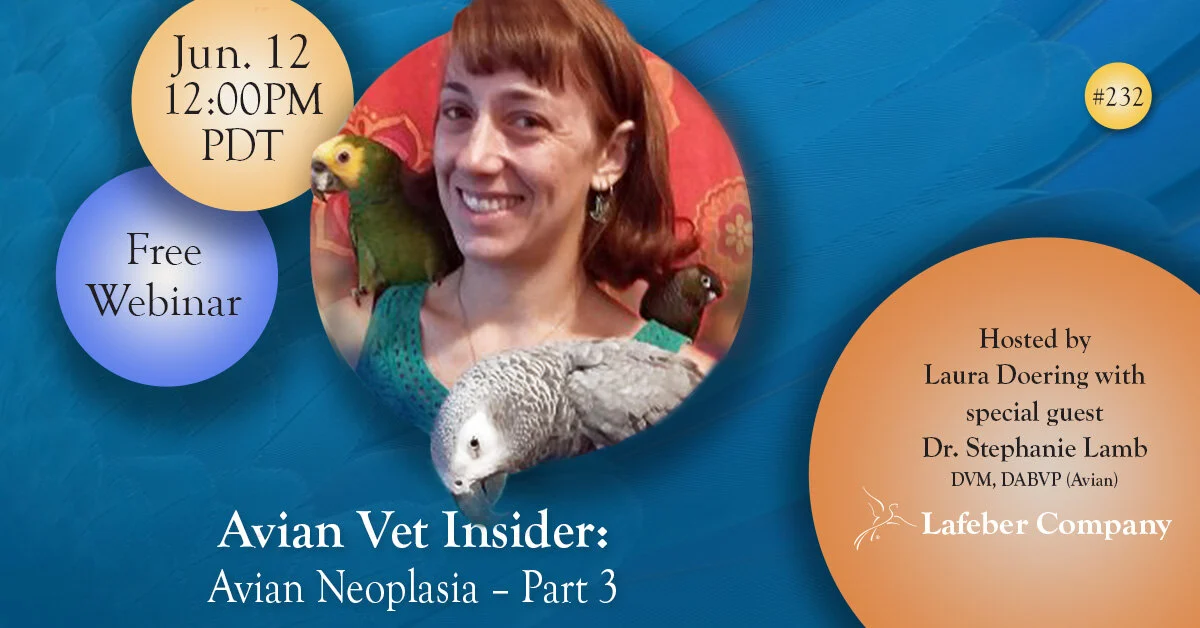
The veterinary and avian enthusiast communities are preparing for a pivotal educational event, the third and concluding installment of the "Avian Neoplasia" webinar series, featuring renowned avian veterinarian Dr. Stephanie Lamb. Scheduled for Friday, June 12, 2026, at 12:00 p.m. PDT, this session promises to delve deeper into the intricate world of avian cancers, building upon foundational discussions to offer a comprehensive understanding of tumor types affecting companion birds. This webinar is a critical resource for veterinary professionals, pet bird owners, and anyone committed to advancing avian health, providing essential knowledge to navigate the complexities of cancer diagnosis and management in birds. Attendees are advised to utilize the provided time zone converter to ensure accurate participation regardless of their geographical location.
A Comprehensive Series on Avian Oncology
The "Avian Neoplasia" webinar series, championed by platforms dedicated to avian health education, has systematically addressed a topic often fraught with challenge and emotional distress for pet bird owners: cancer. The initial installments laid crucial groundwork, exploring neoplasia impacting commonly recognized areas such as the skin, reproductive system, and various internal organs. These earlier sessions equipped participants with a foundational understanding of how different tumor types manifest and affect avian physiology. Part 3 is designed to expand this knowledge base further, examining additional anatomical sites susceptible to neoplastic changes and offering a more holistic view of the disease’s presentation across the avian body. This progressive approach ensures that participants, whether they are seasoned veterinarians or dedicated bird owners, can incrementally build their expertise, moving from general concepts to more specialized insights. The series collectively underscores the importance of continuous education in avian medicine, a field that consistently benefits from new research and improved diagnostic and therapeutic techniques.
Understanding Avian Neoplasia: A Growing Concern
Avian neoplasia, or cancer in birds, represents a significant health challenge in pet bird populations worldwide. While often less discussed than in mammalian pets, cancer is a prevalent cause of morbidity and mortality in companion birds, with its incidence varying widely across species, age groups, and even individual genetic predispositions. For instance, species like budgerigars (Melopsittacus undulatus) are frequently diagnosed with lipomas (benign fatty tumors) and renal adenocarcinomas, while cockatiels (Nymphicus hollandicus) are prone to reproductive tumors. African Grey Parrots (Psittacus erithacus) can exhibit a higher susceptibility to certain types of sarcomas and epithelial tumors. The cryptic nature of avian diseases, coupled with birds’ inherent ability to mask symptoms until the disease is advanced, often complicates early diagnosis.
Common types of avian cancers encountered include:
- Lipomas: Benign fatty tumors, particularly common in budgerigars, often found in the keel or sternal area.
- Fibrosarcomas: Malignant tumors originating from connective tissue, which can occur almost anywhere in the body.
- Squamous Cell Carcinomas: Malignant tumors of the skin or mucous membranes, frequently observed around the beak, eyes, or cloaca.
- Reproductive Tumors: Highly prevalent in older female birds, particularly cockatiels and budgerigars, including ovarian cysts, oviductal carcinomas, and testicular tumors in males.
- Pituitary Adenomas: Tumors of the pituitary gland, often affecting budgerigars, leading to neurological signs.
- Renal Neoplasia: Kidney tumors, which can cause leg lameness or paralysis due to nerve compression.
- Hematopoietic Neoplasia: Leukemias and lymphomas, affecting the blood-forming tissues.
The challenges in diagnosing avian neoplasia are multi-faceted. Birds’ small size often limits biopsy options, and their unique physiology means that symptoms can be non-specific, mimicking other less serious conditions. Advanced diagnostic imaging techniques, such as computed tomography (CT) or magnetic resonance imaging (MRI), are often required for accurate staging but may not be readily available to all avian veterinarians. This underscores the critical need for increased awareness among owners regarding subtle behavioral or physical changes, and for veterinarians to possess specialized knowledge in avian pathology and diagnostics. The ability to differentiate between benign and malignant growths, and to accurately identify the specific tumor type, is paramount for guiding effective treatment strategies and providing realistic prognoses.
Dr. Stephanie Lamb: A Leading Voice in Avian Medicine
At the forefront of this educational endeavor is Dr. Stephanie Lamb, a distinguished figure in avian veterinary medicine. Dr. Lamb’s participation in this series is a testament to her deep expertise and commitment to advancing avian health knowledge. A board-certified avian veterinarian, Dr. Lamb brings a wealth of clinical experience and academic insight to the discussion. Her practice focuses exclusively on avian and exotic animal medicine, where she routinely encounters and manages complex cases of neoplasia. Her extensive background includes not only direct patient care but also contributions to professional literature and ongoing educational initiatives.
Dr. Lamb is known for her ability to translate intricate medical concepts into understandable and actionable information, making her an ideal educator for both veterinary professionals seeking to refine their skills and pet owners striving for a deeper understanding of their birds’ health. Her dedication extends beyond the clinic, actively participating in professional organizations and advocating for higher standards of care in avian medicine. Through her work, she empowers individuals to make informed decisions that can significantly improve the quality of life for birds suffering from neoplastic conditions. Her leadership in this webinar series reflects a broader commitment to fostering a well-informed community capable of addressing the complex challenges of avian oncology.
The Educational Imperative: Lafeber Company’s Commitment
The sponsorship and facilitation of such critical educational initiatives are often driven by organizations deeply invested in animal welfare. While the direct host is not explicitly stated in the provided snippet, the image source and registration links often point to entities like Lafeber Company, a well-recognized name in avian nutrition and health resources. Organizations like Lafeber frequently extend their commitment beyond product provision to encompass comprehensive educational outreach. Their role in supporting webinars like the "Avian Neoplasia" series exemplifies a dedication to fostering a more knowledgeable and proactive approach to pet bird care.
Such educational platforms serve several vital functions:
- Empowering Pet Owners: Providing accessible, expert-led information enables owners to better understand potential health issues, recognize early signs of disease, and engage more effectively with their veterinarians. This proactive stance can lead to earlier diagnoses and improved treatment outcomes.
- Supporting Veterinary Professionals: Continuous professional development is essential for veterinarians, particularly in specialized fields like avian medicine. Webinars offer a convenient and cost-effective way for practitioners to stay abreast of the latest research, diagnostic techniques, and therapeutic protocols.
- Advancing Avian Welfare: By disseminating knowledge about prevalent and serious conditions like cancer, these initiatives contribute directly to the overall well-being and longevity of pet birds. They help to bridge knowledge gaps and raise the standard of care across the board.
The inferred commitment from organizations like Lafeber to these educational endeavors highlights a symbiotic relationship between industry, veterinary professionals, and pet owners, all working towards the common goal of enhancing avian health. This collaboration ensures that cutting-edge information and best practices are made available to a broad audience, ultimately benefiting countless companion birds.
Diagnostic and Therapeutic Advancements in Avian Oncology
The field of avian oncology, while still evolving, has seen significant advancements in recent years, offering more hope for birds diagnosed with cancer. Improved diagnostic tools and refined therapeutic modalities are continually enhancing the ability of avian veterinarians to detect and manage neoplastic diseases.
Diagnostic Techniques:
- Physical Examination: Crucial for identifying external masses or subtle signs of internal disease.
- Radiography (X-rays): Can reveal internal masses, organomegaly, or bone lesions.
- Ultrasound: Useful for visualizing soft tissue masses, particularly in the coelomic cavity.
- Endoscopy: Minimally invasive procedure allowing direct visualization and biopsy of internal organs.
- Cytology and Histopathology: Microscopic examination of cell samples or tissue biopsies remains the gold standard for definitive diagnosis and tumor typing.
- Advanced Imaging: CT scans and MRI provide highly detailed anatomical information, invaluable for precise tumor localization, staging, and surgical planning, although these are typically available only in specialized referral centers.
- Bloodwork: While not diagnostic for cancer itself, blood tests can indicate systemic effects of neoplasia, such as anemia or altered organ function.
Therapeutic Modalities:
- Surgery: Often the first-line treatment for localized tumors, aiming for complete excision. Surgical techniques in birds have become increasingly sophisticated, allowing for removal of complex masses.
- Chemotherapy: The use of anti-cancer drugs, adapted from mammalian protocols, is increasingly being explored and utilized in avian patients, particularly for systemic cancers or as an adjunct to surgery.
- Radiation Therapy: While less common due to logistical challenges and equipment availability, radiation therapy can be effective for certain localized tumors, especially those that are surgically challenging.
- Cryosurgery: The application of extreme cold to destroy abnormal tissue, suitable for some superficial tumors.
- Supportive Care: Essential for managing symptoms, improving quality of life, and supporting the bird through treatment. This includes pain management, nutritional support, and environmental enrichment.
- Palliative Care: For advanced or untreatable cancers, the focus shifts to alleviating suffering and maintaining comfort, allowing the bird to live out its remaining time with dignity.
The decision for treatment in avian oncology is highly individualized, considering the bird’s species, age, overall health, tumor type, location, and the owner’s commitment. A multi-modal approach, combining several therapeutic strategies, often yields the best outcomes. Research continues into novel therapies and improved understanding of avian cancer biology, promising further advancements in the future.
Empowering Owners for Informed Decision-Making
The profound impact of a cancer diagnosis on a pet bird owner cannot be overstated. Beyond the emotional distress, owners face complex decisions regarding diagnostics, treatment options, financial implications, and ultimately, their pet’s quality of life. The "Avian Neoplasia" webinar series directly addresses this challenge by empowering owners with the knowledge necessary to navigate these difficult circumstances.
By participating in educational events like Dr. Lamb’s webinar, owners can:
- Recognize Early Symptoms: A better understanding of how various cancers manifest can help owners identify subtle changes in their bird’s behavior, appetite, droppings, or physical appearance that might otherwise be overlooked. Early detection is often the most critical factor in successful treatment.
- Understand the Diagnosis: Learning about different tumor types, their typical progression, and the diagnostic process helps owners comprehend their veterinarian’s explanations, fostering a more collaborative approach to care.
- Evaluate Treatment Options: With knowledge of surgical, medical, and palliative care approaches, owners can engage in more informed discussions with their avian veterinarians about the pros and cons of each option, aligning treatment choices with their bird’s welfare and their own capabilities.
- Manage Expectations: Understanding the prognosis associated with various cancers allows owners to set realistic expectations for treatment outcomes and to prepare for potential challenges, whether it’s managing side effects or providing end-of-life care.
- Advocate for Their Pet: An informed owner is a better advocate for their bird, capable of asking pertinent questions and ensuring that all available options are considered.
Ultimately, the goal is to transform what can be an overwhelming and frightening experience into one where owners feel more in control, equipped with the knowledge to provide the best possible care for their feathered companions, even in the face of a challenging diagnosis. This proactive educational approach fosters a stronger bond between owner and bird, built on a foundation of informed and compassionate care.
Broader Impact on Avian Welfare and Veterinary Practice
The implications of educational initiatives like the "Avian Neoplasia" series extend far beyond individual bird owners and their pets, contributing significantly to the broader landscape of avian welfare and veterinary practice. By elevating the collective understanding of avian cancer, these programs instigate a positive ripple effect throughout the entire avian community.
For avian veterinary practice, such webinars serve as vital continuing education opportunities. They help standardize care protocols, introduce veterinarians to the latest research and techniques, and foster a community of practitioners dedicated to specialized avian medicine. The insights shared by experts like Dr. Lamb can inspire further research, leading to new diagnostic tools, more effective treatments, and a deeper understanding of avian cancer biology. This continuous professional development ultimately raises the overall standard of care available for pet birds, making advanced diagnostics and treatments more accessible.
For avian welfare, the impact is profound. A more informed public means better prevention through appropriate husbandry and nutrition, earlier detection of disease, and more humane management of illness. When owners are educated, they are more likely to seek veterinary care promptly, adhere to treatment plans, and provide supportive environments for their ailing birds. This leads to reduced suffering, improved quality of life, and potentially extended lifespans for birds affected by neoplasia. Furthermore, increased awareness of avian health issues can influence breeding practices, encourage responsible pet ownership, and even contribute to conservation efforts by highlighting the physiological vulnerabilities of avian species.
The "Avian Neoplasia" series represents a cornerstone in the ongoing effort to demystify avian diseases and equip all stakeholders with the knowledge needed to confront them effectively. As the final installment in this crucial series, Part 3 is poised to consolidate understanding and inspire continued vigilance and proactive care within the avian community.
Registration Details
Individuals interested in participating in this vital educational event are encouraged to register promptly. The webinar, "Avian Neoplasia, Part 3, with Dr. Stephanie Lamb," will take place on Friday, June 12, 2026, at 12:00 p.m. PDT. To ensure timely attendance, prospective participants should verify their local time using the provided time zone converter at https://www.timeanddate.com/worldclock/converter.html. Registration can be completed via the direct link: https://us02web.zoom.us/webinar/register/WN_aiJWIEWITS-OdKTI3HRMXQ. This session offers a unique opportunity to gain invaluable insights from a leading expert, contributing significantly to the understanding and management of avian cancer for the benefit of companion birds everywhere.

