


One of the most surprising discoveries for novice birdwatchers is the sheer frequency with which common birds are misnamed. This phenomenon extends beyond beginners; even individuals who have casually observed birds for years often find themselves using incorrect labels for familiar species. This isn’t typically a reflection of inattention, but rather a testament to the subtle similarities many avian species share, especially when observed briefly, from a distance, or under suboptimal lighting conditions. Most bird identification confusion stems from species that exhibit comparable size, coloration, or behavior. However, by understanding the common pitfalls and the distinguishing characteristics, the process of identification becomes significantly more accessible and rewarding.

This article delves into some of the most frequently confused bird species in the United States, exploring the reasons behind these common mix-ups and offering insights to help distinguish them.
The "Blackbird" Illusion: Beyond the Simple Label
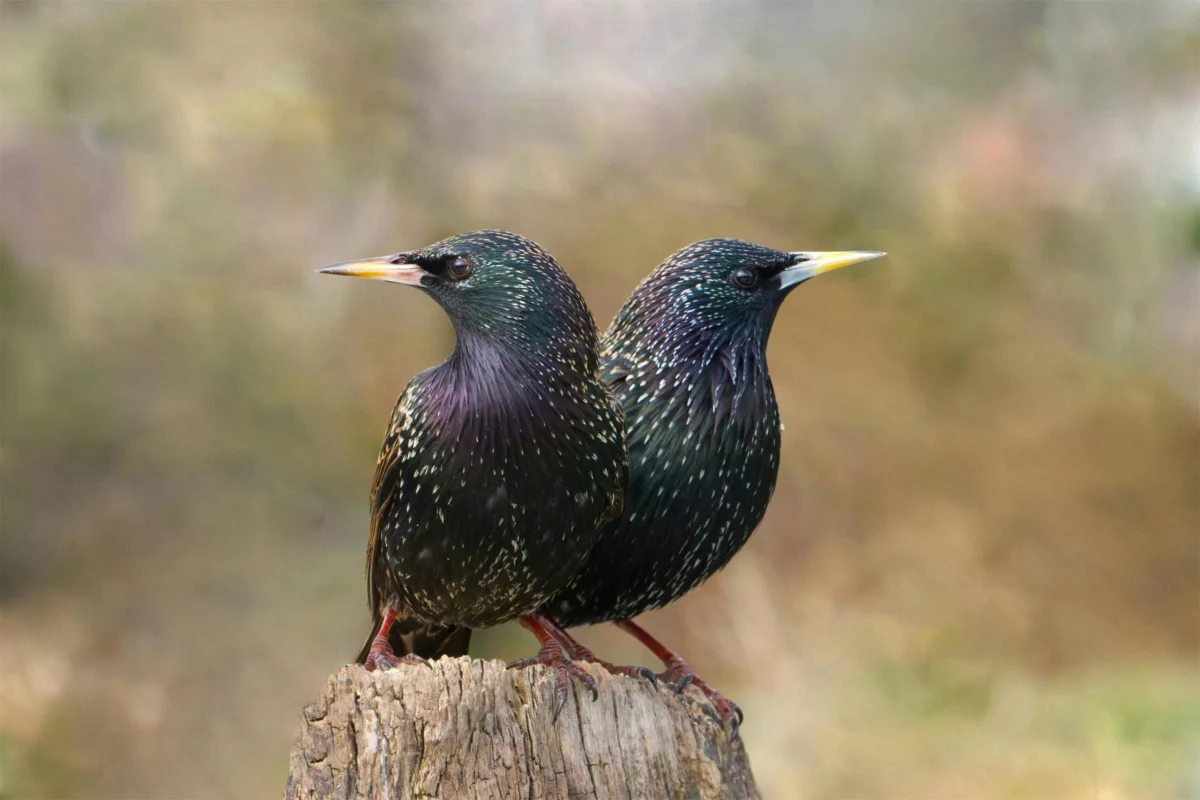
A widespread tendency among casual observers is to broadly categorize any medium-sized, dark-colored bird as a "blackbird." This informal classification often encompasses a variety of distinct species, including European Starlings, Common Grackles, and American Crows. The European Starling, in particular, is a significant source of this confusion. Its ubiquity across North America and its dark, iridescent plumage, especially when viewed from afar, contribute to its frequent misidentification. These birds are found in nearly every human-inhabited environment, making them a constant presence in parks, urban areas, and suburban backyards.

Distinguishing Features: Size, Behavior, and Sound
To differentiate between these dark-hued birds, attention to size and behavior is crucial. European Starlings are relatively small and often move in rapid, cohesive flocks. Common Grackles, while also dark, are generally larger and exhibit a more confident, sometimes boisterous demeanor. American Crows, the largest of this commonly confused trio, are easily recognizable by their substantial size, distinctive "caw" vocalization, and their tendency to fly overhead or perch prominently. The subtle nuances in their calls can also be a helpful, albeit sometimes challenging, identifier for those developing a keener ear for avian sounds. For instance, the deep, resonant "croonk" of a raven, discussed later, stands in stark contrast to the sharper calls of crows.
The Woodpecker Puzzle: Downy vs. Hairy
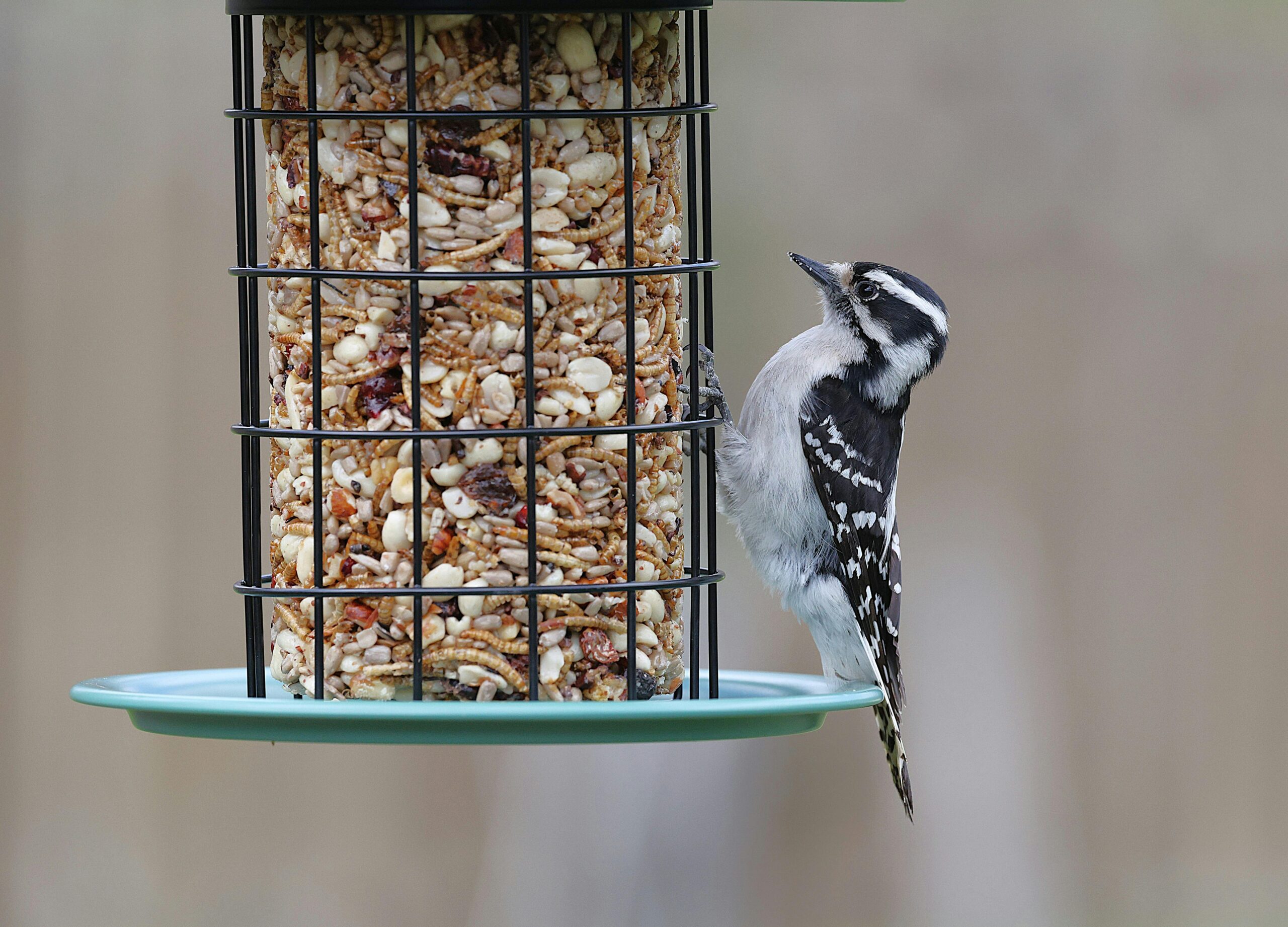
The Downy Woodpecker and the Hairy Woodpecker present a classic identification challenge, appearing remarkably similar to the untrained eye. Both species share a black-and-white striped pattern on their heads and backs, and a white breast. The primary distinguishing factor, and often the most overlooked, is size.
Size Matters: A Tale of Two Woodpeckers
The Downy Woodpecker is the smaller of the two, typically measuring around 5.5 inches in length. It is also the more common species to encounter in suburban backyards and areas with smaller trees. In contrast, the Hairy Woodpecker is noticeably larger, often reaching 9 inches in length, and has a more robust build. This size difference, while significant, can be difficult to discern when birds are not observed side-by-side or when individuals are accustomed to seeing them in isolation.
Subtle Differences: Bill and Behavior
Beyond size, the bill can offer a clue. The Hairy Woodpecker possesses a noticeably longer, heavier bill, proportionally larger for its head than that of the Downy Woodpecker. Behaviorally, while both forage on tree trunks and branches, the Hairy Woodpecker may appear more imposing due to its larger stature. Many beginners assume they are observing the same species in different locations, but recognizing that the Downy Woodpecker is more frequently found at bird feeders and in smaller trees can help resolve this common identification dilemma.

The Corvid Conundrum: American Crow vs. Common Raven
Large, black birds soaring overhead or perched conspicuously are often readily labeled as crows. However, in many parts of the United States, these sightings might also involve Common Ravens, which are considerably larger and possess distinct characteristics.
Size and Flight: Key Differentiators
Common Ravens are significantly larger than American Crows, often approaching the size of a Red-tailed Hawk. Their wingspan is impressive, and their flight style often includes soaring and gliding, a stark contrast to the steady, direct flapping of a crow. Ravens also possess a heavier, more substantial bill, which can be a subtle but reliable indicator.

Vocalizations: A Deeper Tone
While both species are vocal, their calls differ markedly. Crows are known for their familiar "caw-caw" sound, which is relatively high-pitched. Ravens, on the other hand, produce a deeper, more resonant "croonk" or "gronk" sound, which can carry further and has a more guttural quality. The ability to distinguish these vocalizations can be a significant aid in identification, especially when visual cues are limited.
The Songbird Similarity: American Robin vs. Northern Mockingbird
At a casual glance, the American Robin and the Northern Mockingbird can appear surprisingly similar. Both are medium-sized birds, often seen with an upright posture, and frequently found in similar habitats such as lawns, fences, and open perches. Their general shape and their habit of foraging in grassy areas can lead to initial confusion.

Behavioral Clues: A Symphony of Differences
The most reliable way to differentiate between these two species lies in their behavior and vocalizations. American Robins are well-known for their characteristic hopping gait as they patrol lawns in search of earthworms and insects. Their song, while pleasant, is typically a series of clear, whistled phrases. Northern Mockingbirds, however, are renowned for their extraordinary vocal abilities. They are prolific singers, capable of mimicking a vast repertoire of sounds, including other birds, insects, and even mechanical noises. They are more likely to perch prominently on elevated spots – rooftops, trees, or fences – and deliver their complex songs. The constant, often elaborate singing is a hallmark of the mockingbird, and associating this behavior with the bird can quickly resolve identification uncertainties.
The Backyard Duet: House Sparrow vs. House Finch
These two common visitors to feeders and yards frequently lead to sustained confusion due to their similar size and their shared presence in human-altered landscapes.

Color and Shape: Subtle Distinctions
The House Sparrow, an introduced species, tends to be stockier with more uniformly brown and gray plumage, often exhibiting a streaky pattern. The male House Finch, on the other hand, is typically slimmer and displays striking reddish or rosy coloration on its head and breast, though females are more subdued in color. The presence of this vibrant red is a key identifier for the male House Finch.
Behavioral Patterns and Population Dynamics
While both species are social and can be found in mixed flocks, understanding their typical presence can be helpful. House Sparrows are often seen foraging on the ground in larger, more boisterous groups, while House Finches may be more inclined to perch on feeders and in trees. The realization that these birds often coexist in the same environments, rather than being variations of the same species, is a crucial step in accurate identification. For those seeking more in-depth knowledge, resources like David Sibley’s detailed guides on differentiating finches and sparrows offer invaluable insights into the finer points of their identification.

The Urban Pair: Mourning Dove vs. Rock Pigeon
The Mourning Dove and the Rock Pigeon are two of the most ubiquitous birds found in urban and suburban environments across the United States, leading many to assume they are variations of the same bird.
Silhouette and Tail Shape: Visual Cues
While both are often seen in similar locales – on rooftops, fences, and open ground – they possess distinct physical characteristics. Mourning Doves are more slender and possess a noticeably long, pointed tail, giving them a more delicate silhouette. Their movements are typically quiet and graceful. Rock Pigeons, conversely, are bulkier birds with shorter, squared-off tails. They are often more social, congregating in larger groups and exhibiting a more bustling, sometimes clumsy, demeanor.

Behavioral Nuances: Grace vs. Gregariousness
The gentle, almost melancholic cooing of the Mourning Dove contrasts with the typical bobbing and strutting of the Rock Pigeon. Noticing the dove’s elegant form and its tendency towards solitary or paired behavior, as opposed to the pigeon’s more communal and robust presence, can quickly clarify their identities.
The Small Bird Shuffle: Chickadee vs. Titmouse
Small, active, gray-colored birds flitting through trees and shrubs are frequently lumped together, but key differences exist between Chickadees and Titmice.

Facial Markings and Head Shape: Distinctive Patterns
Chickadees are characterized by their small size and their distinctive black cap and bib, which create a stark contrast with their white cheeks. This bold facial pattern is a primary identifier. Tufted Titmice, on the other hand, are slightly larger and possess a noticeable crest atop their heads, which they can raise or lower. Their plumage is generally more uniform gray, lacking the sharp black and white markings of the chickadee.
Social Behavior and Movement: A Tale of Two Flocks
Both species are highly active and can often be observed foraging in mixed flocks, particularly during the non-breeding season. However, the chickadee’s more petite frame and its characteristic "chick-a-dee-dee-dee" call are strong indicators. The titmouse’s slightly larger size and its prominent crest, along with its often more drawn-out "peter-peter-peter" song, help to distinguish it. Observing the head shape and the presence or absence of a crest is often the quickest way to differentiate these energetic small birds.

The Blue Spectrum: Blue Jay vs. Other Blue Jays
The vibrant Blue Jay is a familiar sight across much of the eastern and central United States, instantly recognizable by its striking blue, black, and white plumage and its loud, raucous calls. However, in western regions, other species of jays share a similar blue coloration, leading to potential confusion.
Regional Variation: A Palette of Blues
In the eastern and central United States, a bright blue bird with prominent crest, black necklace, and white markings is almost invariably a Blue Jay. As one travels west, different species emerge. Steller’s Jays, for example, are common in western coniferous forests and exhibit a darker, more intense blue, often with a blackish head and neck that creates a hood-like appearance. California Scrub-Jays, found along the Pacific coast, are also blue but tend to be less crested and have more subtle markings.

Consistent Features: The Essence of "Jay"
Despite regional variations, the fundamental characteristics of a "jay" often remain consistent: a bold, intelligent bird with striking coloration, often a prominent crest (though not always), and a tendency towards loud vocalizations. Recognizing that these variations are different species, rather than misidentified Blue Jays, requires an understanding of regional distribution and subtle differences in pattern and hue.
The Nature of Misidentification: A Normal Part of the Learning Process
It is crucial to understand that misidentifying birds is not a sign of failure but an inherent and valuable part of the learning process in birdwatching. This journey is fundamentally built upon repeated observation and the gradual recognition of subtle differences in shape, movement, and behavior. Even seasoned ornithologists and experienced birdwatchers occasionally misidentify species, particularly in challenging conditions such as low light, inclement weather, or when birds are viewed at great distances.

The Value of Observation and Pattern Recognition
The development of strong bird identification skills is a cumulative process. Each encounter, whether correctly identified or not, contributes to building a mental library of avian characteristics. Noticing patterns – how a bird flies, how it forages, its preferred habitat, and its unique vocalizations – gradually refines observational abilities. The very act of questioning a bird’s identity and seeking clarification is a hallmark of a developing birdwatcher. It signifies an engaged and curious mind, actively participating in the process of understanding the natural world.
A Reassuring Perspective for Aspiring Birders
For anyone who has ever observed a bird and subsequently realized they had been using the incorrect name, it is important to recognize that this experience is precisely what defines the practice of birdwatching. The pursuit of accurate identification is not about immediate perfection but about a sustained commitment to observation, pattern recognition, and the continuous deepening of familiarity with the avian species that inhabit our shared environments. The curiosity that prompts such questioning is, in itself, a powerful indicator of burgeoning expertise. It signifies that an individual is actively engaged in becoming a more astute and discerning observer of the natural world.

The Broader Implications for Conservation and Appreciation
Understanding and correctly identifying birds has implications that extend beyond personal enjoyment. Accurate identification is fundamental to citizen science initiatives, where bird counts and surveys contribute vital data for conservation efforts. When individuals can reliably identify species, they can participate more effectively in programs that monitor bird populations, track migratory patterns, and assess the health of ecosystems. This heightened awareness can foster a deeper appreciation for biodiversity and underscore the importance of protecting avian habitats. As more people become adept at distinguishing between species, a greater collective understanding of bird ecology and conservation needs can emerge, driving support for policies and actions that benefit these often-vulnerable creatures. The joy of correctly identifying a rare bird or noticing a subtle difference between common ones enriches our connection to the natural world and reinforces the importance of preserving the diversity of life around us.

