


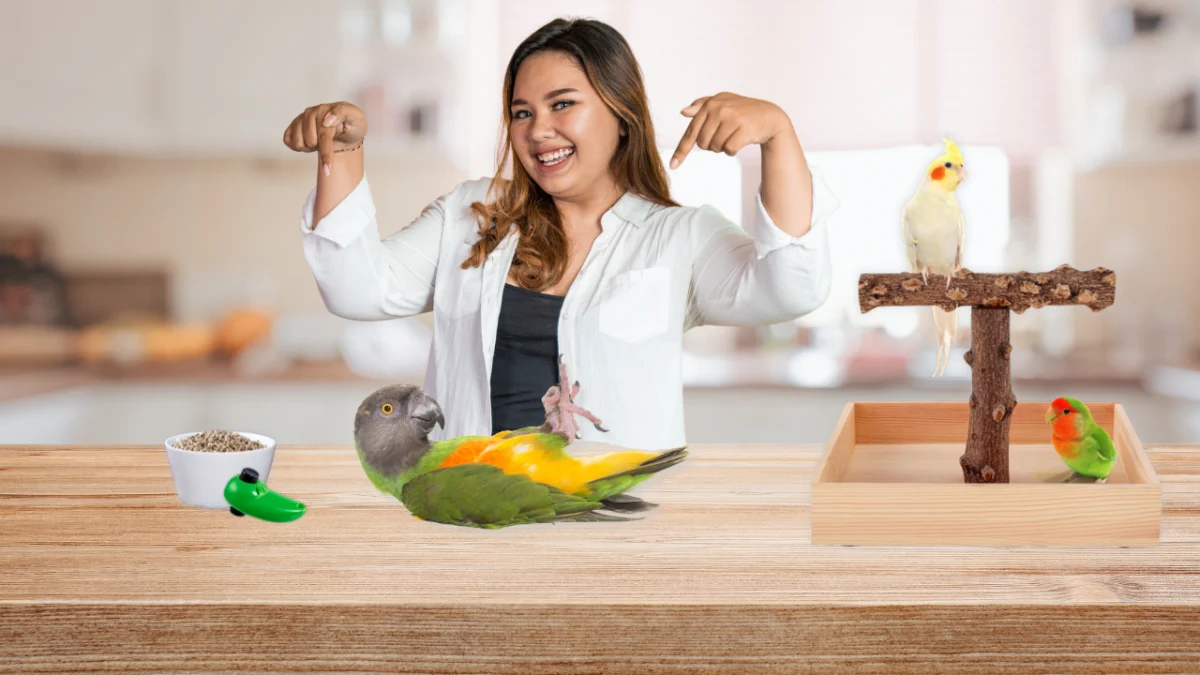
Parrots, often celebrated for their vibrant plumage and charismatic personalities, are increasingly recognized by the scientific community as some of the most intelligent animals on Earth. Far from being mere mimics, these avian companions possess complex cognitive abilities akin to those observed in primates, including advanced problem-solving, memory, and even tool use. This profound intelligence, however, comes with a critical responsibility for their human caregivers: the provision of consistent and varied mental stimulation. Without daily intellectual challenges, captive parrots are prone to boredom, leading to a range of behavioral issues and a diminished quality of life. This article delves into the scientific underpinnings of parrot intelligence and outlines seven research-backed strategies, including a structured four-week plan, designed to enhance a parrot’s brainpower, emotional well-being, and overall behavior.
Unlocking Avian Cognition: The Science Behind Parrot Intelligence
The understanding of avian intelligence has undergone a significant paradigm shift in recent decades, moving away from the dismissive "bird brain" stereotype. Modern neuroscientific research has revealed that the intricate cognitive capabilities of parrots are supported by unique and highly efficient brain structures.
Neurological Parallels: More Than Just "Bird Brains"
Scientists have identified the nidopallium caudolaterale in parrot brains as the functional equivalent of the mammalian prefrontal cortex. This region is crucial for executive functions, including decision-making, working memory, planning, and problem-solving. Studies have shown that parrots, despite having smaller brains than primates, possess a remarkably high density of neurons in their forebrains (Olkowicz et al., 2016). This dense neural packing allows for sophisticated processing power within a compact structure, explaining their capacity for complex behaviors such as figuring out intricate food puzzles, mimicking human speech, and even engaging in what appears to be "argumentative" communication (Benedict et al., 2022). This anatomical and neurological architecture underpins their capacity for adaptive and flexible thinking, challenging previous assumptions about the limits of avian cognition.
The Evolutionary Edge: Longevity and Complex Cognition
The remarkable cognitive abilities of parrots are not merely a biological curiosity; they are deeply intertwined with their evolutionary success and exceptional longevity. Research into parrot genomes has highlighted a strong correlation between heightened cognition and extended lifespans (Wirthlin et al., 2018). The cognitive demands of navigating complex social structures, locating diverse food sources, and avoiding predators in the wild likely drove the evolution of their advanced intelligence. In turn, a longer lifespan provides more opportunities for learning and accumulating knowledge, creating a positive feedback loop that reinforces cognitive development. This evolutionary perspective underscores that mental engagement is not just beneficial but essential for a parrot’s natural biological programming.
Beyond Instinct: Problem-Solving and Executive Function
Parrots consistently demonstrate abilities that go beyond simple instinctual responses. Their capacity for innovation, such as tool use observed in certain species (Bastos et al., 2023), and their ability to delay gratification for a larger reward (Pepperberg & Hartsfield, 2023), exemplify sophisticated executive functions. These behaviors indicate a capacity for foresight, self-control, and adaptive learning, suggesting that parrots are active, conscious problem-solvers rather than creatures solely driven by programmed behaviors. Their interaction with novel stimuli and their ability to learn and adapt to new situations further solidify their standing as highly intelligent animals, capable of continuous cognitive development throughout their lives.
The Critical Imperative of Mental Stimulation
Given their advanced cognitive architecture, mental stimulation for parrots is not merely an optional luxury but a fundamental requirement for their health and welfare. Just as humans require intellectual engagement to prevent stagnation, parrots depend on daily "brain workouts" to maintain psychological equilibrium.
Mitigating Behavioral Challenges
A lack of appropriate mental stimulation is a primary driver of many common and distressing behavioral issues in captive parrots. Boredom can manifest as destructive behaviors such as feather plucking, excessive screaming, aggression, and chewing on inappropriate objects. These behaviors are often the parrot’s desperate attempts to self-stimulate or cope with an under-enriched environment. Avian veterinarians and behaviorists universally emphasize that targeted enrichment is a cornerstone of preventing and alleviating these problem behaviors. By channeling a parrot’s natural intelligence and energy into constructive activities, caregivers can significantly reduce the incidence of anxiety-driven and destructive actions.
Enhancing Emotional and Physical Health
Beyond preventing negative behaviors, mental stimulation actively contributes to a parrot’s emotional and physical well-being. Engaging activities foster a sense of purpose, build confidence, and reduce chronic stress. A mentally stimulated parrot is typically a calmer, more curious, and emotionally resilient individual. The cognitive demands of problem-solving and learning can also have physiological benefits, contributing to better overall physical health by encouraging activity and reducing stress-related physiological responses. Enrichment, therefore, acts as a holistic therapy, nurturing both the mind and body of the bird, and fostering a more secure and harmonious relationship with their environment and caregivers.
Crafting an Environment for Peak Parrot Performance
Creating an environment that consistently challenges and stimulates a parrot’s mind is paramount. This involves thoughtful selection and strategic deployment of toys and activities designed to tap into their natural inclinations.
The Art of Foraging: Replicating Natural Instincts
In their natural habitats, parrots spend a significant portion of their day—up to six hours—actively searching for food. This natural foraging behavior is a complex cognitive task involving problem-solving, memory, and dexterity. In captivity, where food is often readily available in a bowl, this critical mental exercise is lost, leading to profound boredom. Introducing foraging toys transforms mealtime into an engaging brain game. These toys range from simple paper cups covering treats to elaborate multi-chamber puzzles requiring shredding, twisting, or manipulating mechanisms. Starting with easy foraging opportunities and gradually increasing the difficulty encourages confidence and sustained engagement, allowing parrots to exercise their natural instincts for discovery and reward.
Dynamic Play Spaces: The Importance of Toy Rotation
Even the most sophisticated enrichment toy will eventually lose its appeal if it remains in the same position day after day. Parrots, much like children, thrive on novelty. Regular toy rotation is a simple yet highly effective strategy to maintain mental engagement. Caregivers should aim to swap out two to three toys weekly, introducing new items or reintroducing "retired" ones. Storing unused toys with bird-safe herbs like chamomile or lavender can add a novel scent dimension, refreshing the experience when they are brought back into circulation. This practice prevents habituation and ensures that the parrot’s environment remains consistently stimulating and interesting, prompting ongoing exploration and interaction.
Tailored Challenges: Progressive Difficulty in Enrichment
Effective enrichment must be tailored to the individual parrot’s skill level, offering a balance between achievable successes and stimulating challenges. Just as humans enjoy puzzles of varying difficulty, parrots benefit from a progression of challenges. Beginning with easily mastered toys builds confidence and reduces frustration, while gradually introducing more complex puzzles – such as multi-step feeders or those with hidden compartments – encourages deeper cognitive effort. A varied collection of toy styles, including shreddables, spinners, and interactive drawers, alongside DIY puzzles made from safe household items, ensures a diverse mental workout. The goal is to provide continuous, appropriate challenge, celebrating each "aha!" moment and fostering a positive association with learning and problem-solving.
Structured Learning: The Power of Positive Reinforcement Training
Beyond environmental enrichment, structured training offers an unparalleled opportunity to engage a parrot’s intelligence, build communication, and strengthen the bond with its caregiver. Positive reinforcement methods, particularly clicker training, are highly effective.
Clicker Training: A Language for Learning
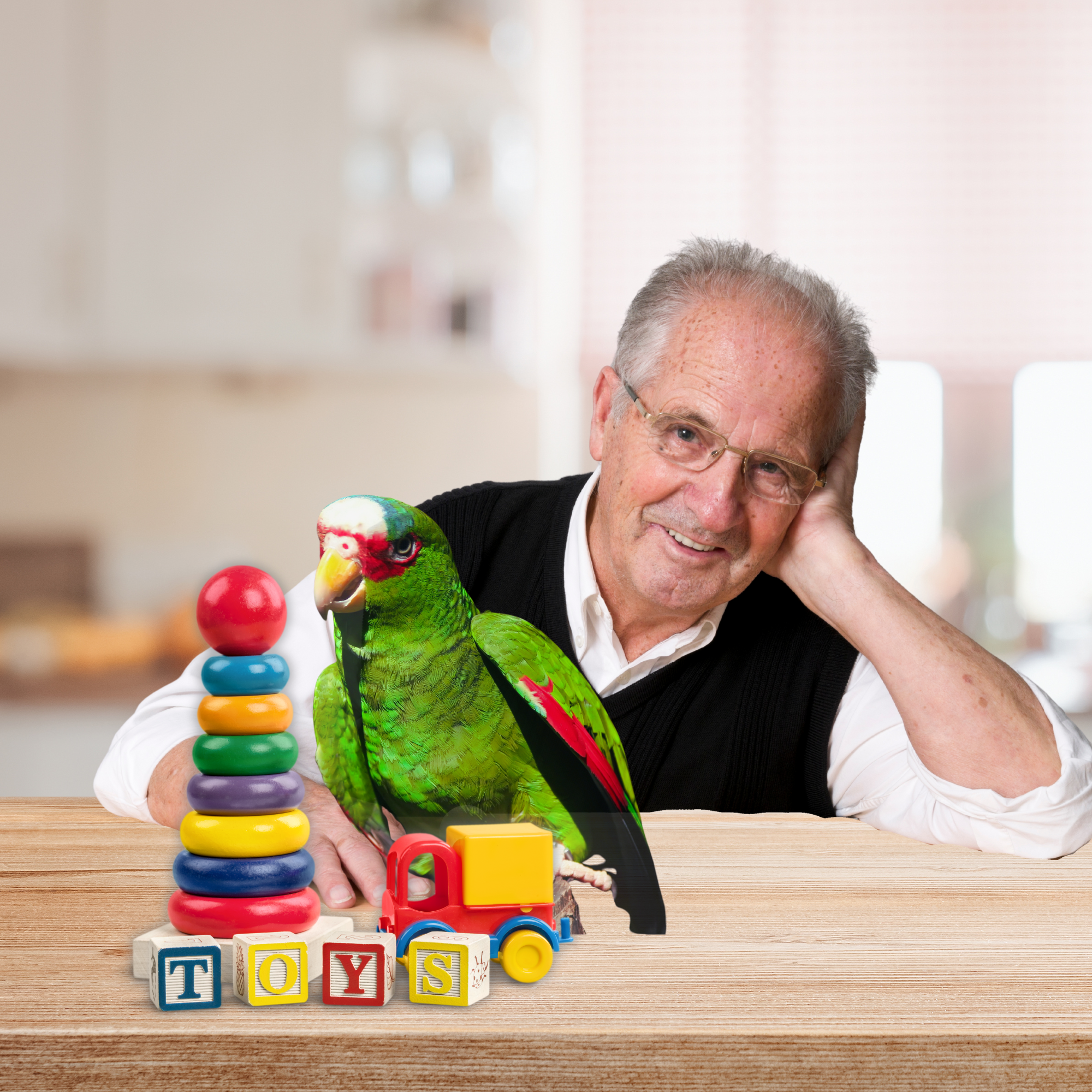
Clicker training is a force-free, science-backed method that leverages positive reinforcement to teach new behaviors. When a parrot performs a desired action, a distinct "click" sound is immediately followed by a high-value treat. This precise marking of the correct behavior creates a clear association for the bird: "That action earned me a reward!" This method taps into how birds naturally learn by associating actions with outcomes, effectively teaching them a new language of communication and cooperation. It’s a fast and incredibly efficient way to teach a wide range of behaviors, from basic manners to complex tricks, while fostering mutual understanding and trust.
Foundational Behaviors and Beyond
For parrots, training can begin with simple, confidence-boosting behaviors that enhance daily interactions. Basic commands like "step up" (perching on a hand or arm), "target training" (touching a specific object), or "spin" (turning in a circle) are excellent starting points. These initial successes motivate the bird and lay the groundwork for more advanced learning. As the parrot progresses, caregivers can introduce more complex sequences, such as retrieving objects, differentiating colors or shapes, or even engaging in short chains of behaviors. Keeping training sessions short (3-5 minutes), positive, and always ending on a success ensures sustained engagement and enjoyment for the bird.
Therapeutic Benefits: Training for Emotional Resilience
Training extends far beyond teaching tricks; it is a powerful tool for enhancing a parrot’s emotional well-being. Providing a sense of purpose and control, clicker training can significantly reduce anxiety and fear-based behaviors. For shy, fearful, or rehomed birds, training offers a structured way to build confidence and reframe their perception of humans and their environment. It empowers parrots by allowing them to actively participate in interactions and make choices within a safe framework. By respecting a parrot’s boundaries and allowing them to opt out of a session ("not right now"), caregivers build a foundation of trust and partnership, fostering a more resilient and emotionally balanced companion.
Fueling Cognitive Function: The Brain-Boosting Diet
Just as a balanced diet is crucial for human cognitive health, proper nutrition plays a profound role in supporting a parrot’s brain function, influencing memory, focus, mood, and behavior.
Essential Nutrients for Avian Cognition
A diet rich in specific nutrients is vital for optimal brain health. Omega-3 fatty acids, found in seeds like hemp, flax, and chia, are critical for brain tissue development and function, supporting neural plasticity and cognitive processing. B vitamins, abundant in leafy greens and whole grains, are essential for neurotransmitter synthesis and overall nervous system health, directly impacting mood and focus. Antioxidants, primarily found in colorful fruits and vegetables, protect brain cells from oxidative stress and inflammation, preserving cognitive function as the parrot ages. Ensuring a diverse intake of these nutrients through a balanced diet is a foundational step in boosting a parrot’s intelligence.
The Power of Whole Foods: Chop and Sprouts
Incorporating "chop" – a finely diced mixture of fresh vegetables, grains, and herbs – and sprouts into a parrot’s daily diet is an effective way to deliver a broad spectrum of brain-boosting nutrients. Chop allows for immense dietary variety, introducing new textures, flavors, and nutrient profiles regularly. Sprouts, such as those from legumes or seeds, are nutritional powerhouses, packed with living enzymes and highly bioavailable vitamins that are crucial for cellular health and cognitive function. Regularly rotating the ingredients in chop and offering a variety of sprouts keeps the diet exciting and ensures a comprehensive intake of beneficial compounds, directly supporting both gut health and brain activity.
Targeted Supplementation: Bridging Nutritional Gaps
Even with an excellent diet, some parrots may benefit from targeted nutritional support, particularly during periods of stress, molting, or aging. A daily multivitamin like FeatherUp can fill potential nutritional gaps, providing essential biotin, B-complex vitamins, and amino acids vital for neurological health. For birds requiring support for joint health, mobility, and anti-inflammatory benefits, supplements like UnRuffledRx Joint Relief, rich in ingredients like turmeric, can contribute to overall well-being, indirectly supporting cognitive engagement through physical comfort. Additionally, supplements like OmegaGlow or plain hemp seeds provide healthy plant-based fats that are crucial for brain and skin health, especially beneficial during molting season. These targeted additions can ensure that a parrot’s brain receives all the necessary building blocks for optimal function.
Beyond the Cage: Fostering Exploration and Choice
A parrot’s world should extend beyond the confines of its cage. Safe exploration and the opportunity to make choices are powerful forms of enrichment that significantly contribute to cognitive development and emotional security.
The World Outside: Controlled Adventures for Sensory Enrichment
Confining a parrot to the same four walls limits its sensory input and cognitive growth. Safely introducing new environments through short walks, hikes, supervised porch time, or even car rides in a secure carrier provides a rich tapestry of new sights, sounds, and smells. These experiences activate various sensory pathways and challenge the bird’s brain to process novel information. Exposure to natural light is particularly important, as it facilitates vitamin D synthesis, critical for calcium absorption and mood regulation. Even if outdoor excursions are not feasible, a window perch or playing nature soundtracks indoors can offer valuable sensory stimulation, bringing elements of the natural world to the bird.
Creating "Yes Spaces": Empowering Avian Independence
A "yes space" is a designated area where a parrot can engage in natural behaviors—chewing, climbing, foraging, and playing—without constant supervision or correction. This could be a tabletop play stand, a dedicated corner of a room, or a window perch adorned with bird-safe shreddables, swings, and natural branches. These spaces foster independent thinking and exploration, building confidence and reducing the stress associated with feeling constantly monitored or corrected. By providing an environment where a parrot can freely express its natural curiosity and instincts, caregivers promote a sense of security and autonomy, which are crucial for cognitive and emotional development.
The Autonomy Advantage: Building Trust Through Choice
Offering a parrot opportunities to make small choices is a powerful trust-building exercise and a significant form of cognitive enrichment. Allowing a bird to choose between toys, decide which perch to go to, or whether to participate in a training session ("yes" or "not right now") empowers them. This principle aligns with force-free training philosophies, where the bird’s agency is respected. Such autonomy reduces reactivity, builds confidence, and strengthens the bond between bird and caregiver, particularly beneficial for shy or rehomed birds who may have experienced a lack of control in their past. These seemingly minor choices communicate respect and create a safer, more predictable environment, fostering curiosity and a willingness to engage.
The Blueprint for Brilliance: Strategic Routines and Programs
While novelty is important, a foundational structure of predictable routines provides parrots with the security necessary to truly thrive and explore their intelligence.
The Comfort of Predictability: Daily Rhythms for Well-being
Parrots are creatures of habit and generally flourish within predictable routines. A consistent daily rhythm provides a sense of security, reducing anxiety and creating a stable environment conducive to learning and exploration. Simple routines, such as consistent feeding times for chop, designated midday foraging periods, and a calming evening wind-down, help parrots anticipate events and feel more in control of their day. This predictability reduces stress, which in turn frees up cognitive resources for engaging with enrichment activities and learning new behaviors. Just like in a structured classroom, a stable environment allows for optimal learning.
Themed Enrichment: Dynamic Weekly Planning
To prevent routines from becoming monotonous, caregivers can introduce weekly enrichment themes. One week might focus on "Foraging Challenges," introducing new puzzle feeders and hiding treats in novel ways. The next could be "New Textures Week," featuring vine balls, palm leaf shredders, or natural branches. Subsequent weeks might center on "Training Games" or "Sound Play" (e.g., classical music, nature sounds). This systematic rotation of themes ensures that different cognitive areas are stimulated regularly without overwhelming either the bird or the caregiver. It provides variety within a predictable structure, keeping the environment fresh and engaging.

Optimizing Daily Windows: Morning and Evening Brain Boosts
The beginning and end of a parrot’s day offer prime opportunities for cognitive engagement. Mornings, when parrots are typically most alert, are ideal for serving nutrient-rich chop with sprouting toppers like OmegaGlow or a sprinkle of SereniTea, setting a positive tone for the day. Evenings are best suited for calming play, engaging with puzzle toys, or short, low-stress clicker training sessions that help the parrot wind down. Consistent dimming of lights and cage covering at the same time each night also supports a healthy sleep cycle, which is crucial for memory consolidation and emotional balance, directly impacting cognitive function.
Implementing a Structured Enrichment Program: The 4-Week Cognitive Advancement Plan
For caregivers seeking a structured approach, a four-week plan can provide a roadmap for systematically enhancing a parrot’s intelligence and well-being.
Week 1: Foraging Fundamentals
Begin by introducing the concept of foraging. Start with simple foraging toys or DIY options, such as hiding favorite treats in crumpled paper, small cardboard tubes, or under paper cups. Scatter a few pellets or sprouted seeds around their play area to encourage a "food treasure hunt." The goal is to spark curiosity and activate their natural problem-solving instincts related to finding food. This initial phase builds confidence and establishes foraging as a positive, rewarding activity.
Week 2: Engaging in Applied Cognition (Training)
Following a week of foraging, introduce clicker training. Keep sessions brief, ideally 3-5 minutes daily, focusing on simple, confidence-building behaviors such as targeting, spinning, or stepping up on cue. Utilize a clicker to precisely mark the desired behavior, immediately followed by a high-value treat. For those new to clicker training, resources like comprehensive guides can provide foundational knowledge. This phase strengthens the human-animal bond, provides mental exercise, and teaches new communication pathways.
Week 3: Multi-Sensory Immersion
This week focuses on broad sensory enrichment. Introduce a new texture through a novel toy (e.g., a vine ball, a palm leaf shredder), rotate in a spinning visual toy, or provide auditory stimulation with a bell toy or by playing gentle classical music or nature sounds. Consider hanging a safely sourced outdoor branch in their play space for tactile and exploratory enrichment. Integrating calming elements like SereniTea Calming Herbs or offering a shallow foot-soaking bowl with an aloe spray can add a spa-like sensory experience. The aim is to engage multiple senses, providing a rich and varied internal experience for the parrot.
Week 4: Broadening Horizons (Exploration)
Having laid the groundwork, this final week encourages safe exploration of the wider world. Introduce short, supervised harness walks, supervised time on a front porch, or a brief car ride in a secure travel carrier with a view. Ensure all outdoor experiences prioritize safety, free from predators, loud noises, or extreme weather. The goal is to expose the parrot to new sights, sounds, and smells in a controlled manner. Conclude the week by reviewing the parrot’s favorite activities and integrating them into an ongoing enrichment routine, remembering that enrichment is a continuous journey of discovery and adaptation.
In conclusion, unlocking a parrot’s full cognitive potential requires an intentional, multi-faceted approach that integrates scientific understanding with practical, compassionate care. By providing a stimulating environment, engaging in positive reinforcement training, ensuring a brain-boosting diet, facilitating safe exploration, and structuring daily routines, caregivers can significantly enhance their parrot’s intelligence, emotional well-being, and overall quality of life. Products designed with avian health in mind, such as OmegaGlow for healthy fats, SereniTea Calming Herbs for mood support, and Joint Relief for physical activity, can further support these efforts. The commitment to enriching a parrot’s mental life is not merely a task; it is a celebration of their remarkable brilliance, fostering a deeper bond and a lifetime of thriving together.
Related Posts:
Insight Into African Grey Parrot Intelligence
Clicker Training Your Parrot
Ultimate Guide to Foraging Toys
References:
Bastos, A. P. M., Mioduszewska, B., Uomini, N., Laland, K. N., & Auersperg, A. M. I. (2023). Crowdsourcing and phylogenetic modelling reveal parrot tool use is not rare [Preprint]. bioRxiv. https://doi.org/10.1101/2023.08.14.553302
Benedict, L., Patel, M., Miles, J., & Furlong, M. (2022). A survey of vocal mimicry in companion parrots. Scientific Reports, 12, 21533. https://doi.org/10.1038/s41598-022-24335-x
Garcia de Jesús, E. (2024, September 19). Parrots may offer clues to how our intelligence evolved. Science News Explores. https://www.snexplores.org/article/parrots-evolved-intelligence-bird-brain
Gutiérrez-Ibáñez, C., Iwaniuk, A. N., & Wylie, D. R. (2018). Parrots have evolved a primate-like telencephalic-midbrain-cerebellar circuit. Scientific Reports, 8, 2207. https://doi.org/10.1038/s41598-018-28301-4
Olkowicz, S., Kocourek, M., Lučan, R. K., Porteš, M., Fitch, W. T., Herculano-Houzel, S., & Němec, P. (2016). Birds have primate-like numbers of neurons in the forebrain. Proceedings of the National Academy of Sciences, 113(26), 7255–7260. https://doi.org/10.1073/pnas.1517131113
Pepperberg, I. M., & Hartsfield, L. A. (2023). A study of executive function in grey parrots (Psittacus erithacus): Experience can affect delay of gratification. Journal of Comparative Psychology. https://doi.org/10.1037/com0000361
Rössler, T., & Auersperg, A. M. I. (2022). Recent developments in parrot cognition: A quadrennial update. Animal Cognition, 26, 9–20. https://doi.org/10.1007/s10071-022-01733-2
Wirthlin, M., Chang, E. F., Guo, J. U., et al. (2018). Parrot genomes and the evolution of heightened longevity and cognition. Current Biology, 28, 4001–4008.e7. https://doi.org/10.1016/j.cub.2018.10.050
Link to this blog
Burroughs, D. (2025, May 26). 7 ways to boost your parrot’s intelligence today. BirdSupplies.com. https://birdsupplies.com/blogs/news/7-ways-to-boost-your-parrot-s-intelligence-today
Diane Burroughs, LCSW, brings over 30 years of experience helping bird lovers build stronger, healthier bonds with their parrots. With a foundation in psychotherapy and Applied Behavior Analysis (ABA), Diane combines proven behavioral science with simple, real-life strategies anyone can use. Through her books, behavior consultations, and UnRuffledRx parrot wellness products, she’s dedicated to helping real bird owners create trust, confidence, and a lifetime of positive experiences with their feathered companions.
Diane’s products been featured in the Journal of Avian Medicine and Surgery and at ExoticsCon, a national conference for exotic animal veterinarians. Her bird collars and supplements are trusted by avian vets and stocked in vet clinics across the U.S. With thousands of individualized behavior plans under her belt, Diane’s mission is simple: to help parrots and their people thrive together.
TAGS: #SmartBird #ParrotIntelligence #BirdEnrichment
SHARING IS CARING! ❤️
Love what you read? Help spread the word on Facebook & Instagram 🐦
📝 Leave a comment below and let us know your thoughts!

