


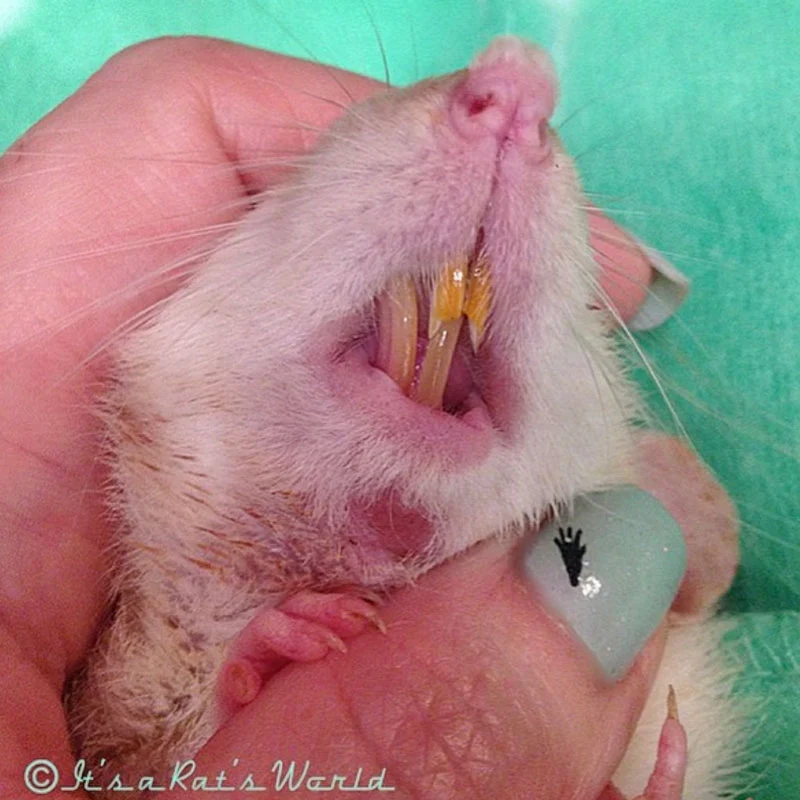
The distinctive dentition of rats, and indeed all rodents, sets them apart from the broader animal kingdom. Their continuously growing incisors, a trait shared with other rodent species that also affects their molars, are a remarkable biological adaptation. This perpetual growth, a hallmark of their open-rooted teeth, ensures that these vital gnawing tools are available throughout a rat’s lifetime. While this evolutionary advantage allows them to tackle a variety of challenges, from accessing food to navigating their environment, it also presents potential health complications for pet rats if not properly understood and managed by their human caretakers. Understanding the intricacies of rat dental health is crucial for owners to identify and address issues before they escalate into significant health concerns.
The Unique Anatomy of Rat Dentition
Unlike many common domestic animals such as cats and dogs, which possess up to four distinct types of teeth, rats are equipped with only two: incisors and molars. Furthermore, they possess a single set of these teeth throughout their lives, meaning they do not experience the shedding of deciduous “baby” teeth for permanent adult ones. This simplifies their dental structure but underscores the importance of maintaining the health of this sole set.
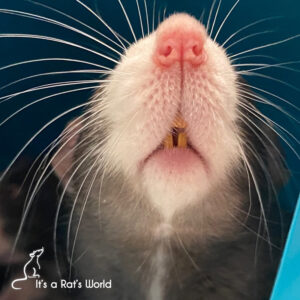
A rat’s dental formula comprises 16 teeth in total. The four incisors—two on the top and two on the bottom—are the first to emerge, typically around 8 to 9 days after birth. These are primarily designed for gnawing and manipulating objects. The molars, numbering 12 in total, are located at the back of the mouth. The initial set of molars begins to erupt around day 19, with the final set emerging between 35 and 40 days of age. These posterior teeth are specialized for grinding food into a finer consistency before swallowing.
A striking characteristic of healthy rat incisors is their coloration. Adult rats typically exhibit dark orangey-yellow for their upper incisors and a lighter yellow for their lower counterparts. A deviation from this, such as a sudden lightening or whitening of the teeth, is a critical indicator of an underlying health issue, necessitating prompt veterinary consultation.
Specialized anatomical features further enhance the functionality of a rat’s dentition. Behind the incisors, in the space between them and the molars, are folds of skin within the cheek. These can act as a barrier, preventing unwanted materials from entering the back of the mouth and potentially being swallowed. This anatomy also presents a challenge for veterinarians, as these cheek folds can obstruct a clear view of the molars without anesthesia.
Natural Wear and Tear: The Ingenious Self-Maintenance System
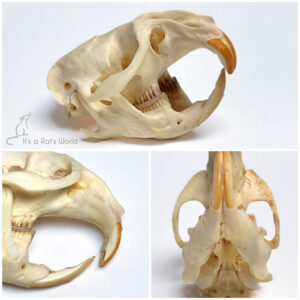
Rats possess an innate ability to maintain their incisors at an optimal length and sharpness through a process known as bruxing, or natural grinding. This self-wear is facilitated by the unique composition of their incisors: a hard, yellow enamel on the front surface and softer dentin on the back. This differential wear creates a sharp, beveled edge, ideal for gnawing. Without this natural wear, their incisors would continue to grow unchecked, potentially curling and even growing into the roof of their mouth, a condition that can lead to severe pain and complications.
Remarkably, rat incisors are largely immune to cavities. The rapid rate of growth and the constant abrasion from gnawing mean that any potential cavity would likely be worn away before it could develop into a significant problem.
Further contributing to their gnawing prowess is the structure of the rat’s lower jaw. Unlike the fused bone structure of many mammals, rats possess two independent lower jaw bones connected by a flexible joint. This unique articulation allows the bottom incisors to separate and move at a slight angle, enabling a more controlled and effective sharpening and gnawing action. This rotational capability provides a significant advantage in their ability to process food and other materials.
The Phenomenon of Eye Boggling
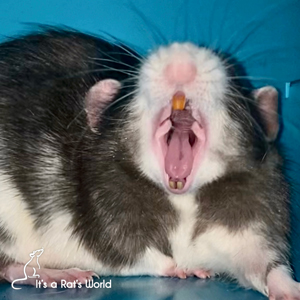
The powerful jaw muscles involved in gnawing and bruxing are directly linked to a characteristic behavior known as eye boggling. When a rat is engaged in intense gnawing or teeth grinding, the forceful contraction of these muscles, which extend behind the eye, can cause the eyes to vibrate and appear to "boggle" or protrude slightly. This fascinating phenomenon, often observed in relaxed or content rats as they grind their teeth, is a direct consequence of their specialized dental anatomy and the strength of their jaw muscles.
Dispelling Common Misconceptions About Rat Teeth
Several persistent myths surrounding rat dental care warrant clarification. One prevalent misconception is that rats require specific hard foods or chew toys to wear down their teeth. This belief, often rooted in anecdotal observations and dating back decades, overlooks the inherent biological mechanisms rats possess for self-grooming their incisors. As long as their teeth are healthy and properly aligned, rats naturally manage their dental wear. Providing external items for chewing is generally unnecessary and does not replace the need for addressing underlying alignment issues.
Another myth suggests that rats can chew through virtually any material, including steel. While their teeth are remarkably strong and capable of gnawing through robust substances like concrete, aluminum, and drywall, they are not capable of breaching steel. This exaggeration likely stems from their well-documented ability to cause significant damage to human infrastructure.

The Dangers of Malocclusion: A Serious Dental Condition
Despite their efficient self-maintenance system, rats are susceptible to dental problems, most notably malocclusion. This condition occurs when the upper and lower incisors become misaligned, disrupting the natural grinding process and leading to a cascade of potentially severe health issues. Malocclusion can arise from various factors.
Causes of Malocclusion:
- Trauma and Injury: Falls, accidents, or being stepped on can cause jaw misalignment or directly fracture an incisor. If one incisor is broken, the opposing tooth may continue to grow without its natural wear partner, leading to uneven growth and further misalignment.
- Oral Health Issues: Abscesses, cysts, or tumors in or near the jaw can alter tooth alignment. Conversely, malocclusion itself can create an environment conducive to the development of oral abscesses, as teeth may rub against gums or other tissues inappropriately.
- Genetic Predisposition: Some rats may be genetically predisposed to developing malocclusion, meaning it can occur without an identifiable external cause. In such cases, management and treatment are the primary approaches.
The most immediate danger of malocclusion is the unchecked growth of overgrown incisors. These teeth can curve dramatically, eventually piercing the palate of the mouth, causing excruciating pain, infection, difficulty eating, starvation, and potentially death. As the teeth lengthen, they also impede the rat’s ability to chew, further exacerbating nutritional deficiencies.
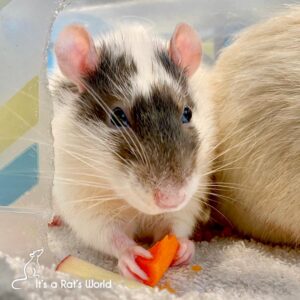
Conversely, misaligned lower incisors can grind away the upper incisors, reducing them to short, uneven stumps. This not only prevents proper chewing but also hinders the natural wear of the lower incisors, perpetuating the cycle of overgrowth and misalignment.
Proactive Measures: Minimizing the Risk of Malocclusion
While malocclusion cannot always be prevented, owners can take proactive steps to reduce the likelihood of its occurrence and to detect it early.
- Secure Housing and Supervision: Preventing falls and accidents is paramount. Avoiding free-ranging rats unsupervised in areas where they could fall from heights, such as tables or beds, significantly reduces the risk of traumatic injury to the jaw.
- Dietary Considerations: While not a direct cause of malocclusion, ensuring a balanced diet is crucial for overall health. However, the emphasis should be on natural wear rather than specific "hard foods."
- Regular Monitoring of Eating Habits: Changes in a rat’s appetite, such as reduced intake or refusal of favored foods, can be an early sign of dental pain or discomfort associated with malocclusion. Prompt veterinary attention is advised if such changes are observed.
- Observing for Signs of Oral Discomfort: Behavioral cues like rubbing the face against objects or increased drooling can indicate mouth pain, which may be linked to dental issues.
- Routine Dental Examinations: Bi-weekly or weekly visual inspections of a rat’s mouth are highly recommended. Owners should look for sores, signs of infection, gum irritation, redness, and assess the alignment of the incisors. Any visible cracks, chips, breaks, or teeth that appear to be wearing to a sharp point or unusual angle warrant veterinary evaluation.
Veterinary Intervention: Teeth Trimming and Ongoing Care
When malocclusion is diagnosed, veterinary intervention is necessary. Teeth trimming, typically performed by a veterinarian using a Dremel tool or specialized clippers, is the primary method for managing overgrown incisors. Due to the rat’s tendency to resist handling, particularly when in discomfort, light anesthesia may be required for the procedure to ensure the safety of both the animal and the veterinarian.
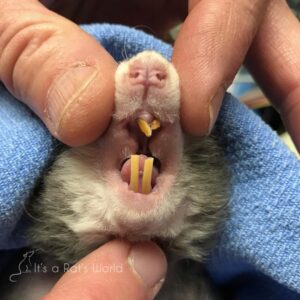
In some instances, a veterinarian may demonstrate at-home trimming techniques to owners. However, this is a challenging task, as rats are often highly agitated and may thrash uncontrollably, increasing the risk of injury. Many owners find it necessary to have assistance for at-home trimming sessions.
The effectiveness of teeth trimming varies. Some rats may achieve proper alignment after a few trimmings, allowing their teeth to return to a normal wear pattern. However, in cases of significant or persistent malocclusion, continuous trimming throughout the rat’s life may be required. It is important to note that trimming teeth can paradoxically accelerate their growth rate. For instance, a rat requiring monthly trims may eventually need them every two weeks, and then weekly, as the growth cycle adapts to the intervention. This was observed in cases like Leeloo and Crowley, where the frequency of trimming increased over time, highlighting the chronic nature of their dental conditions.
Preparing for the Realities of Rat Dental Care
The exact cause of malocclusion in individual rats can sometimes remain a mystery, whether it stems from an unobserved injury, an underlying genetic issue, or a combination of factors. Regardless of the origin, owners must be prepared to provide the necessary care and support for their rat’s dental health. Understanding the unique biology of rat incisors, recognizing the signs of distress, and collaborating with a veterinarian are essential components of responsible rat ownership. By staying informed and vigilant, owners can significantly improve the quality of life for their beloved rat companions, ensuring their dental well-being and overall health.

