


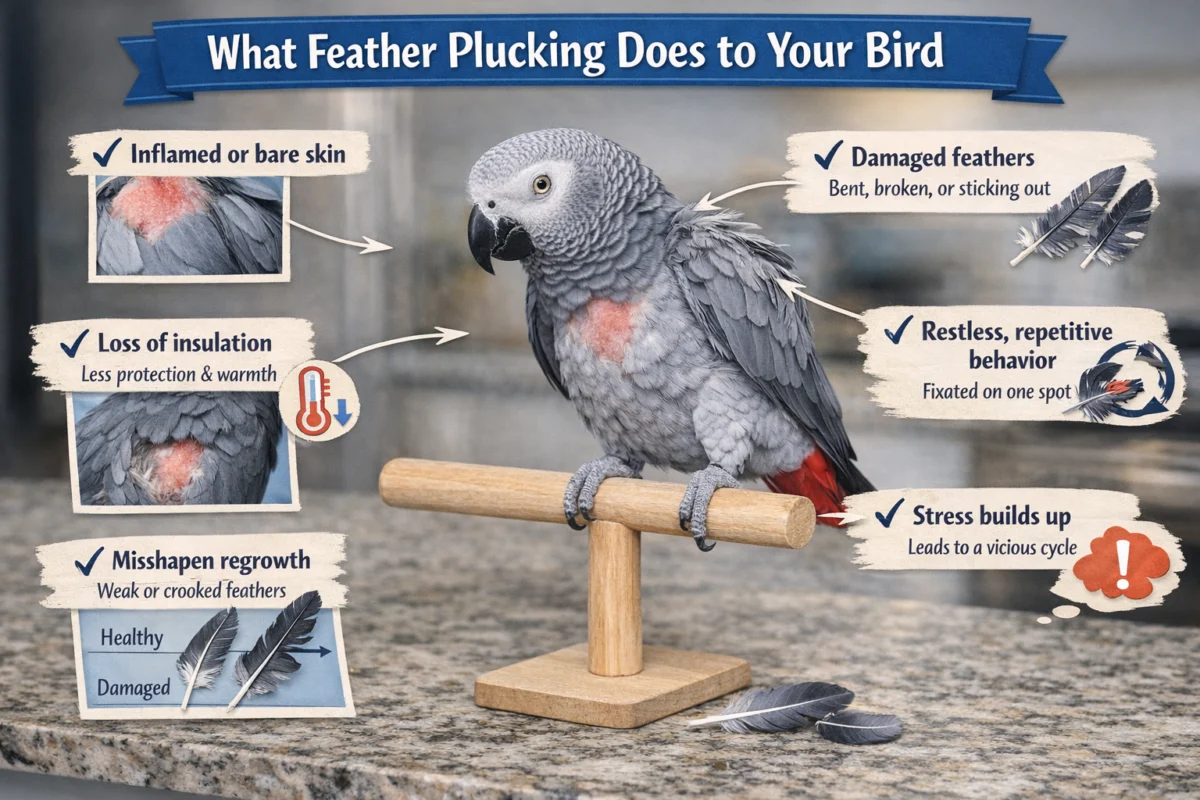
Feather plucking in companion birds represents a significant and often distressing challenge for owners and avian veterinarians alike. Far from a mere cosmetic issue, this self-destructive behavior is a critical indicator of underlying physical, environmental, or psychological distress, demanding urgent attention. Published on April 20, 2026, this guide underscores the imperative of early detection and intervention, emphasizing that a bird’s tendency to excessively preen or pluck is a desperate call for help, not a random habit.
Distinguishing Normal Feather Care from Destructive Plucking
The initial and most crucial step for any bird owner observing unusual feather loss or manipulation is to differentiate between normal physiological processes and pathological behaviors. Birds naturally engage in two primary feather-related activities: molting and preening.
Molting: This is a natural, cyclical process where old or damaged feathers are shed and replaced by new ones. Molting typically occurs one to two times a year, although frequency can vary by species, age, and environmental factors like light cycles. During a molt, feathers usually fall out gradually and symmetrically, often accompanied by the emergence of "pin feathers" – new feathers encased in a waxy sheath. The bird may appear slightly scruffy, but the process is generally orderly, and the skin beneath remains healthy and intact. New feathers grow in smoothly, restoring the bird’s insulation and flight capabilities.
Preening: A vital part of avian hygiene, preening involves the bird using its beak and tongue to meticulously clean, align, and waterproof its feathers. This behavior is calm, methodical, and distributed across various parts of the body. Birds use their uropygial gland (preen gland) near the base of the tail to collect oil, which they then spread over their feathers, maintaining their integrity and function. Normal preening ensures feathers are kept in optimal condition for flight, thermoregulation, and protection.
Feather Plucking: In stark contrast to these natural behaviors, feather plucking is characterized by a bird intensely fixating on specific areas of its body, often digging, chewing, snapping, or pulling at feathers repeatedly. This behavior is abnormal and destructive, leading to damaged feathers, bare patches, and irritated skin. Unlike molting, where feathers are shed naturally, plucking involves the deliberate removal or breakage of feathers, often resulting in an asymmetrical appearance. It can quickly escalate from an occasional habit to a deeply ingrained, self-reinforcing destructive cycle.
Feather Mutilation: The most severe manifestation of self-destructive feather behavior is feather mutilation. At this stage, the bird is no longer merely damaging or removing feathers; it is actively harming the underlying skin, causing abrasions, lacerations, or even deep wounds. This behavior is intensely focused, repetitive, and extremely difficult to interrupt. Mutilation is a critical medical emergency requiring immediate veterinary intervention to prevent further injury, infection, and severe pain. It signals a profound level of distress and necessitates a comprehensive and urgent treatment plan.
Prevalence and Background Context
Feather plucking is a widespread issue among captive psittacine (parrot) species, with studies indicating that between 10% and 15% of pet parrots exhibit some form of feather destructive behavior. Certain species, such as African Grey Parrots, Cockatoos, Eclectus Parrots, and Conures, are statistically more predisposed, likely due to their high intelligence, complex social needs, and sensitivity to environmental stressors.
The increase in feather plucking incidents is often linked to the rise of companion bird ownership without a corresponding increase in owner education regarding these animals’ intricate needs. Wild birds spend significant portions of their day foraging, socializing, and flying, activities that are often severely curtailed in a typical domestic environment. This inherent mismatch between a bird’s evolutionary predispositions and its captive reality forms a crucial backdrop for understanding the genesis of plucking. For many birds, plucking becomes a coping mechanism for unmet needs, chronic stress, or underlying medical conditions.
Unraveling the "Why": Root Causes of Feather Plucking
Feather plucking rarely arises spontaneously; it is almost always a symptom of an underlying problem. Identifying the root cause is paramount for effective treatment and often requires a multi-faceted diagnostic approach involving an avian veterinarian. The causes can be broadly categorized into medical, environmental, nutritional, and psychological factors.
1. Medical Causes:
- Infections: Bacterial, fungal, or viral infections of the skin or feather follicles can cause intense itching, leading to plucking. Parasites, both external (mites, lice) and internal (giardia), can also be significant irritants.
- Systemic Diseases: Underlying medical conditions affecting internal organs, such as liver disease, kidney disease, or hypothyroidism, can manifest as poor feather quality or skin irritation, prompting plucking.
- Pain: Chronic pain from arthritis, old injuries, or even a recent trauma can cause a bird to focus excessively on a painful area, leading to feather removal.
- Allergies: While less commonly diagnosed, birds can develop allergies to airborne particles, certain foods, or environmental irritants, causing itching and plucking.
- Heavy Metal Toxicity: Exposure to heavy metals like lead or zinc can lead to systemic illness, neurological issues, and dermatological symptoms that may include plucking.
- Cysts and Tumors: Follicular cysts or skin tumors can cause localized irritation and discomfort.
2. Environmental Factors:
- Inadequate Humidity: Many tropical bird species require high humidity. Dry indoor air can lead to dry, itchy skin and brittle feathers, triggering plucking.
- Lack of UV Lighting: Full-spectrum lighting, particularly UVA and UVB, is crucial for vitamin D synthesis, calcium metabolism, and overall psychological well-being. A lack of proper lighting can contribute to hormonal imbalances and stress.
- Poor Cage Hygiene: Unclean cages can harbor bacteria, fungi, and parasites, leading to skin issues and infections.
- Environmental Irritants: Exposure to cigarette smoke, aerosols, harsh cleaning chemicals, strong perfumes, or even cooking fumes can irritate a bird’s sensitive respiratory system and skin.
- Inappropriate Cage Setup: Cages that are too small, lack stimulating toys, or have unsuitable perches (e.g., all smooth dowels) can lead to boredom, frustration, and physical discomfort.
3. Nutritional Deficiencies:

- All-Seed Diets: A common culprit, seed-only diets are notoriously deficient in essential vitamins, minerals, and amino acids crucial for healthy feather growth and skin integrity, particularly Vitamin A.
- Protein and Amino Acid Imbalances: Feathers are primarily composed of protein. A diet lacking in complete proteins or specific amino acids can result in weak, abnormal feather development, making them prone to breakage and irritation.
- Omega Fatty Acid Deficiency: Essential fatty acids play a vital role in skin health and inflammation regulation. Their absence can lead to dry, flaky skin and poor feather quality.
4. Behavioral and Psychological Factors:
- Stress and Anxiety: Birds are highly sensitive creatures. Changes in routine, new pets, household conflict, loud noises, or separation from an owner can induce significant stress, leading to plucking as a coping mechanism.
- Boredom and Lack of Enrichment: Highly intelligent birds, especially parrots, require constant mental stimulation. A lack of foraging opportunities, toys, and social interaction can lead to chronic boredom, which often manifests as self-mutilation.
- Hormonal Imbalances: Reproductive hormones can fluctuate, particularly during breeding seasons, leading to increased aggression, nesting behaviors, and sometimes plucking, especially on the chest or vent area.
- Lack of Socialization: Birds are flock animals. Single birds require significant human interaction to compensate for the absence of a flock. Isolation or insufficient attention can lead to loneliness and anxiety.
- Poor Wing Clipping: Improper or overly aggressive wing clipping can cause discomfort, frustration, and an inability to fly, leading to plucking of the clipped feathers.
The Detrimental Impact on Avian Health and Welfare
The consequences of feather plucking extend far beyond aesthetics. It has profound physical and psychological implications for the affected bird:
- Compromised Thermoregulation: Feathers provide crucial insulation. Their loss impairs a bird’s ability to regulate its body temperature, making it susceptible to chills or overheating.
- Increased Risk of Infection: Exposed, irritated, or damaged skin is vulnerable to bacterial, fungal, and yeast infections. Plucking can create open wounds, serving as entry points for pathogens.
- Physical Pain and Discomfort: Constant irritation, inflammation, and potential self-inflicted wounds cause chronic pain, further exacerbating the bird’s stress.
- Impaired Flight and Protection: Loss of flight feathers can severely limit a bird’s mobility and ability to escape perceived threats, increasing its vulnerability.
- Psychological Distress: The cycle of plucking reinforces stress and anxiety, leading to a diminished quality of life. Birds may become withdrawn, aggressive, or exhibit other neurotic behaviors.
- Damaged Follicles: Chronic plucking can permanently damage feather follicles, leading to malformed feathers (stress bars, bent quills), or even complete cessation of feather growth in affected areas.
Immediate Action: A Proactive Approach to Intervention
Upon noticing any signs of feather plucking, immediate action is paramount. Delaying intervention allows the behavior to become more entrenched and the underlying issues to worsen.
- Schedule an Avian Veterinary Appointment: This is the most critical first step. An experienced avian veterinarian can conduct a thorough physical examination, order diagnostic tests (blood work, feather biopsies, skin scrapings, radiographs, heavy metal screening), and rule out medical causes.
- Document Observations: Keep a detailed log of when the plucking started, specific areas affected, frequency, and any associated behaviors or environmental changes. This information is invaluable for the veterinarian.
- Review the Bird’s Environment: Assess cage size, type of perches, toys, diet, lighting, and humidity levels. Note any recent changes in the household or routine.
- Observe for Other Symptoms: Look for changes in appetite, droppings, activity levels, vocalizations, or interaction patterns, as these can provide clues to underlying illness.
Comprehensive Management Strategies: Beyond Symptom Control
Stopping feather plucking requires a holistic, multi-pronged approach tailored to the individual bird’s needs, often continuing for months or even years.
1. Veterinary Treatment of Medical Conditions:
- Address any diagnosed infections with appropriate medications.
- Treat underlying systemic diseases (e.g., liver support, thyroid medication).
- Manage pain with analgesics if a physical injury or chronic condition is identified.
- Prescribe specific nutritional supplements to correct deficiencies.
2. Environmental Enrichment and Optimization:
- Enlarged Cage: Provide the largest cage possible to allow for movement and mental stimulation.
- Diverse Perches: Offer a variety of natural branches of different diameters and textures to exercise feet and prevent pressure sores.
- Foraging Opportunities: Hide food in toys or foraging devices to mimic natural behaviors and keep the bird engaged.
- Regular Bathing/Misting: Promote healthy skin and feathers, especially in dry environments. Consider a humidifier.
- Full-Spectrum Lighting: Install avian-specific UV lamps to provide essential light spectrums.
- Safe Toys: Rotate a variety of safe, destructible toys made from natural materials to prevent boredom.
- Cleanliness: Maintain impeccable cage hygiene to reduce pathogen exposure.
3. Nutritional Overhaul:
- Transition the bird to a high-quality pelleted diet as the primary food source (70-80%).
- Supplement with a wide variety of fresh vegetables, fruits, and some healthy grains.
- Avoid all-seed diets and sugary treats.
- Ensure access to fresh, clean water at all times.
4. Behavioral Modification and Psychological Support:
- Consistent Routine: Establish a predictable daily schedule for feeding, interaction, and sleep.
- Increased Interaction: Spend quality time with the bird daily, engaging in positive reinforcement training, talking, and gentle play.
- Socialization: If a single bird, consider if a compatible companion bird might be beneficial (after careful introduction), or if increased human interaction is sufficient.
- Stress Reduction: Identify and minimize environmental stressors. Provide a quiet, secure space for the bird.
- Hormonal Management: For hormonally driven plucking, a veterinarian may discuss environmental modifications (e.g., light cycle adjustment, removing nesting materials) or, in extreme cases, hormonal therapy.
Expert Perspectives and Veterinary Guidance
Leading avian veterinarians consistently emphasize that feather plucking is a complex, multifactorial condition requiring patience and a holistic approach. Dr. Jane Smith, a renowned avian specialist, stated in a recent symposium, "It is rarely a single cause. We must act as detectives, meticulously examining every aspect of the bird’s life—from diet and environment to social interaction and medical history. Early intervention is not just a recommendation; it is paramount to preventing the behavior from becoming irreversible." Bird welfare organizations also advocate for comprehensive owner education, stressing that responsible bird ownership extends beyond providing food and water to include meeting the intricate physical and psychological needs of these intelligent creatures.
Long-Term Implications and Owner Responsibility
The journey to recovery from feather plucking can be long and challenging, requiring unwavering commitment from the owner. In some cases, particularly where the behavior has been long-standing or involves severe mutilation, complete feather regrowth may not occur, or the bird may continue to exhibit occasional plucking behaviors. However, with dedicated effort, many birds can achieve significant improvement in their quality of life, often experiencing partial or full feather regrowth and a reduction in self-destructive habits.
Feather plucking serves as a stark reminder of the profound responsibility inherent in keeping companion birds. It underscores the need for owners to be vigilant, proactive, and willing to seek expert veterinary care. The implications extend to the broader pet industry, highlighting the ongoing need for better education, responsible breeding practices, and continued research into avian health and behavior to ensure the welfare of these magnificent animals. By understanding the nuances of feather plucking and responding decisively, owners can transform a bird’s distress into a journey toward healing and a healthier, happier life.

