


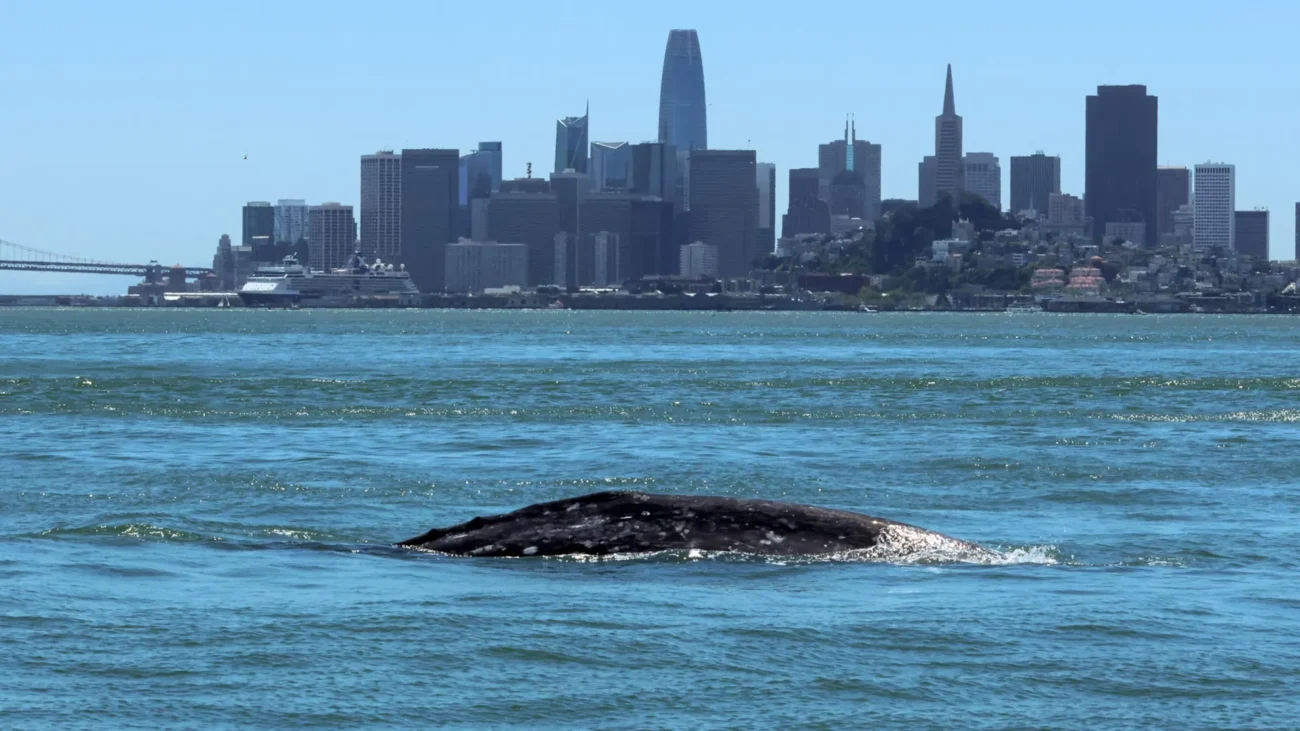
The majestic gray whale, a creature synonymous with the epic journey between the nutrient-rich Arctic waters and the tranquil breeding lagoons of Baja California, Mexico, is exhibiting increasingly divergent behaviors, raising alarms among marine biologists. These ancient mariners, accustomed to a predictable life cycle dictated by seasonal food availability and breeding instincts, are now venturing into unfamiliar and hazardous territories, most notably the bustling and heavily trafficked waters of San Francisco Bay. This shift in behavior, directly linked to the escalating impacts of climate change on ocean ecosystems, has resulted in a tragic surge in whale mortalities, with a significant percentage of gray whales entering the Bay succumbing to fatal encounters, primarily vessel strikes.
A New, Dangerous Feeding Ground
For generations, gray whales have undertaken one of the longest annual migrations of any mammal, traversing thousands of miles. This remarkable feat is fueled by a strategic feeding strategy: gorging on abundant food sources in the Arctic during the summer and fall, and then relying on stored blubber reserves during their migration and breeding season in warmer, food-scarce southern waters. However, this delicate balance is being irrevocably altered. Warming ocean temperatures are profoundly disrupting the Arctic food web, leading to diminished prey availability for these immense cetaceans. This nutritional stress is forcing some gray whales to seek alternative food sources, leading them to explore coastal areas they would historically bypass.
San Francisco Bay, a vibrant and complex estuarine system, was not traditionally a part of the gray whale’s migratory path. Yet, beginning around 2018, an observable uptick in gray whale sightings within the Bay’s confines began to emerge, coinciding with a disturbing rise in local whale deaths. This anomaly prompted researchers to launch a dedicated investigation into these "Bay Grays," seeking to understand if these were returning individuals or simply isolated occurrences.
Tracking the Uncharted: A Chronicle of the "Bay Grays"
The challenge of understanding these atypical whale movements was significant. Marine biologists and conservationists embarked on a multi-year effort to meticulously document individual whales entering San Francisco Bay. Between 2018 and 2023, an extensive catalog of individual whales was compiled, utilizing opportunistic sightings and photographic evidence contributed by the public. This citizen science data was then augmented by more structured surveys conducted from 2023 to 2025. The identification of individual whales relied on the unique scar patterns and markings on their skin, a method akin to fingerprinting in humans. However, researchers acknowledge that these markings can fade over time, particularly after death, potentially leading to missed matches in their analysis.
Further enhancing their understanding, the research team cross-referenced these sighting records with necropsy data from stranded whales. This crucial step allowed for a more definitive assessment of the whales’ condition and the causes of their demise.
The findings painted a sobering picture. A total of 114 individual gray whales were documented within San Francisco Bay during the study period. Alarmingly, only a small fraction – just four individuals – were observed in the Bay more than once, suggesting that for the vast majority, their sojourn into this urban waterway was a singular, and often fatal, event. This low rate of return suggests that the Bay may be acting as a desperate, last-resort feeding stop for whales already in a compromised state of health. Indeed, observations of unusually thin individuals foraging in other non-traditional habitats further support this hypothesis.
A Lethal Intersection: Vessel Strikes and Starvation
The very act of seeking sustenance within San Francisco Bay has proven to be a death sentence for a significant portion of these vulnerable whales. Between 2018 and 2025, a staggering 70 gray whales were found dead in the broader region encompassing the Bay. Of these tragic fatalities, an overwhelming 30 were confirmed to have been victims of direct collisions with vessels. For the remaining whales where a cause of death could be determined, malnutrition emerged as a prevalent factor, underscoring the critical nutritional stress they were experiencing.
Dr. Josephine Slaathaug of Sonoma State University, lead author of the study published in Frontiers in Marine Science, explained the inherent dangers: "Gray whales have a low profile to the water when they surface, and this makes them difficult to see in conditions like fog which are common to San Francisco Bay. Additionally, San Francisco Bay is a highly trafficked waterway, and the Golden Gate Strait serves as a bottleneck through which all traffic and whales must enter and exit." This confluence of low visibility and high traffic creates a uniquely perilous environment.
Bekah Lane of the Center for Coastal Studies, a co-author of the study, further emphasized the gravity of the situation. "At least 18% of the individuals identified in San Francisco Bay later died in the area," she stated. "Our broader analysis of local strandings both inside and outside San Francisco Bay found that over 40% of these whales died of trauma from vessels." This statistic highlights the pervasive threat posed by maritime traffic to the broader gray whale population in the region.
Climate Change: The Underlying Catalyst
The root cause of this escalating crisis is undeniably climate change. The National Oceanic and Atmospheric Administration (NOAA) has reported a dramatic decline in the gray whale population, with numbers plummeting by more than half since 2016. Sightings of healthy calves, a crucial indicator of population health, have become increasingly rare. This widespread population stress is a direct consequence of the warming Arctic, which is altering ocean currents, reducing sea ice extent, and disrupting the plankton and benthic organisms that form the base of the gray whale’s diet.
The impact on the gray whale population has been profound. In the decade preceding 2016, the population had been relatively stable and even growing. However, a mass stranding event in 2019, followed by a continued decline, signaled a significant shift. Scientists attribute this downturn to a combination of factors, including reduced food availability in their primary feeding grounds and potentially increased disease prevalence due to nutritional stress. The appearance of whales in San Francisco Bay can be viewed as a symptom of this larger population-level crisis, a desperate attempt by weakened individuals to survive.
Urgent Calls for Protective Measures
The findings of this comprehensive study underscore the urgent need for immediate and decisive action to protect these vulnerable marine mammals. Scientists are calling for enhanced monitoring efforts to gain a more granular understanding of whale movements and behaviors within the Bay. This includes more detailed tracking of individual whales and a continuation of necropsy investigations to refine our understanding of mortality causes.
The study’s authors suggest that the low rate of returning whales might be directly attributable to the high mortality rates within the Bay, and that a combination of starvation and vessel strikes is likely responsible for these deaths. It is a grim possibility that weakened whales, already struggling to find food, are less able to detect and avoid oncoming ships, creating a vicious cycle of decline.
In 2025 alone, the Bay witnessed the entry of 36 whales, with groups sometimes comprising over 10 individuals, indicating a persistent and potentially increasing trend. Proactive measures are essential to mitigate these tragic encounters. These could include:
- Public Awareness Campaigns: Educating commercial vessel operators, recreational boaters, and the general public about the presence of whales in the Bay and the importance of safe boating practices.
- Route Adjustments: Collaborating with shipping companies and ferry services to explore potential adjustments to routes in areas identified as high-risk for whale encounters.
- Speed Restrictions: Implementing and enforcing speed restrictions for vessels in critical whale habitats within the Bay, particularly during periods of increased whale activity. Research has consistently shown that reducing vessel speed significantly decreases the likelihood of fatal strikes.
"In San Francisco Bay, the biggest threat to these whales is vessel traffic," emphasized Lane. "Continued monitoring will help illuminate their distribution patterns and behaviors while within the Bay, which can impact risk. Route changes and speed restrictions have been found to significantly reduce vessel strike mortality to large whales, and an assessment of risk can help identify the most effective strategies to protect these animals."
A Population Under Pressure, Adapting in Real Time
While the current study provides an invaluable snapshot of the challenges facing gray whales, researchers acknowledge that there are still considerable gaps in our understanding of their day-to-day movements and behaviors. The complex dynamics of the marine environment and the vastness of the ocean present ongoing challenges for comprehensive monitoring.
Dr. Slaathaug concluded, "This study is our best analysis of the data we collected, but it’s important to consider that we do not have the full picture of each whale’s movements on a daily timescale. These results are an important piece of the larger puzzle of what is going on in the overall population as they attempt to adapt to climate change in real time."
The plight of the gray whale in San Francisco Bay serves as a stark reminder of the far-reaching and often devastating consequences of a changing climate on even the most resilient species. As these magnificent creatures struggle to adapt to altered ocean conditions, their journey into unfamiliar waters highlights a critical need for enhanced conservation efforts, scientific research, and a global commitment to addressing the root causes of climate change. The future of these iconic whales, and indeed many other marine species, hinges on our collective ability to understand and respond to these evolving environmental realities.

