


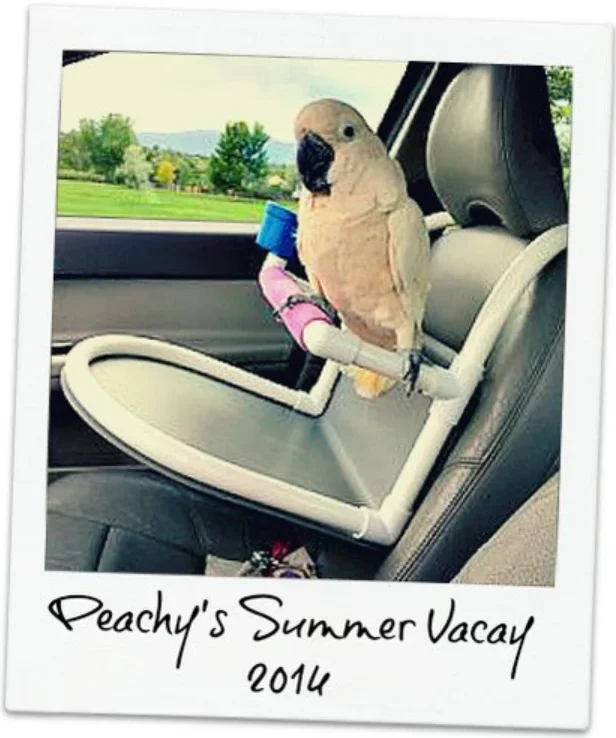
The bond between humans and their feathered companions has deepened significantly in recent years, with many parrot owners viewing their birds as integral family members. This evolving perspective has led to a growing trend: incorporating pet birds into travel plans rather than leaving them behind. While the idea of traveling with a bird might spark questions about safety and enjoyment, thousands of dedicated avian enthusiasts are successfully hitting the road with their parrots, skipping the pet sitter in favor of shared adventures. However, vacationing with pet birds demands meticulous preparation, extending far beyond simply placing a cage in the back seat. This in-depth guide aims to provide a comprehensive framework for safe and stress-free car travel with your avian friend, covering everything from pre-trip readiness and essential packing to calming strategies and crucial safety considerations.
Assessing Your Bird’s Readiness for Travel
The question, "Can I travel with my parrot?" is often met with a resounding "Yes," but with a critical caveat: only if you prepare diligently. Traveling with a bird can foster an incredibly rewarding bonding experience. Parrots, as social, flock-minded creatures, derive immense security from being with their trusted human companions. This inherent need for companionship can often make traveling with their owner less stressful than being left in an unfamiliar environment with a stranger.
However, this doesn’t imply spontaneity is an option. Treating your bird as a full-fledged family member during travel means prioritizing their well-being with the same care afforded to any other passenger. The journey begins with gradual acclimatization. Start by taking your bird on short, familiar rides around the block. These brief excursions help your bird adapt to the motion, sounds, and the confined space of a travel carrier. Closely observe their body language for signs of comfort or distress before attempting a longer road trip.
Interactive Check-in: A Self-Assessment for Avian Travelers
To gauge your bird’s readiness, consider the following checklist. A "yes" to most indicates a higher likelihood of a positive travel experience:
- Is your bird comfortable and calm in a travel carrier for short periods?
- Does your bird handle new, albeit temporary, environments without exhibiting signs of panic or severe anxiety?
- Does your bird typically maintain normal eating and playing behaviors when away from its primary home environment?
- Has your bird had prior exposure to car rides, even brief ones, without significant distress?
If your answers lean towards "yes," your avian companion is likely in a favorable position for travel. If not, there’s no cause for concern; simply focus on training and gradual exposure, which will be detailed in subsequent sections.
Building on Foundational Advice: Expanding the Travel Narrative
Our previous article, "6 Tips for Car Travel with Parrots," established essential groundwork: the necessity of a bird-safe carrier, proper security, consistent hydration, and the absolute prohibition of leaving a bird unattended in a hot vehicle. It also highlighted the importance of planned breaks, familiar food, and comfort items. However, feedback from our dedicated readership indicated a desire for more comprehensive, real-world advice, expanded travel preparation strategies, and advanced methods for calming a nervous bird before and during transit. This guide aims to fulfill that need, offering step-by-step planning assistance, interactive checklists, product recommendations, and critical safety protocols for smart avian travel. Whether planning a weekend getaway or an extended vacation, this resource provides the detailed coverage avian travelers require.
Understanding and Mitigating Travel Stress in Birds
It is a realistic expectation that traveling with a bird can induce anxiety if not properly managed. Parrots are creatures of habit, thriving on routine and familiar surroundings. Consequently, novel sounds, vibrations, changing visual stimuli, and unfamiliar environments can easily trigger stress behaviors.
Recognizing the Signs of Avian Travel Stress:
Owners must be vigilant for common indicators of distress, which may include:
- Panting or Rapid Breathing: Often accompanied by an open beak, indicating overheating or significant anxiety.
- Feather Plucking or Excessive Preening: Stress-induced self-mutilation or compulsive grooming.
- Fluffed Feathers: While sometimes a sign of comfort, persistent fluffing in an unfamiliar environment can indicate discomfort or illness.
- Loss of Appetite or Refusal to Drink: A clear sign of distress or illness.
- Lethargy or Unusual Quietness: A bird that is normally active and vocal becoming withdrawn.
- Increased Vocalization (Screaming, Squawking): Uncharacteristic loud calls signaling alarm or distress.
- Aggression: Biting, lunging, or hissing at the handler or objects in the carrier.
- Regurgitation: Vomiting food, often a sign of severe motion sickness or stress.
- Pacing or Restlessness: Constant movement within the carrier, inability to settle.
- Changes in Droppings: Stress can manifest as watery or unusually colored droppings.
If any of these signs appear, it is imperative to pull over safely and assess your bird’s condition. Ideally, proactive acclimatization through short, gentle drives should precede any major trip. However, in emergency situations, such as wildfire evacuations, where gradual preparation is impossible, prioritizing comfort and security becomes paramount. Resources on emergency evacuation for parrots provide further guidance in such critical scenarios.
The Unexpected Preference: Why Some Birds Thrive on Road Trips
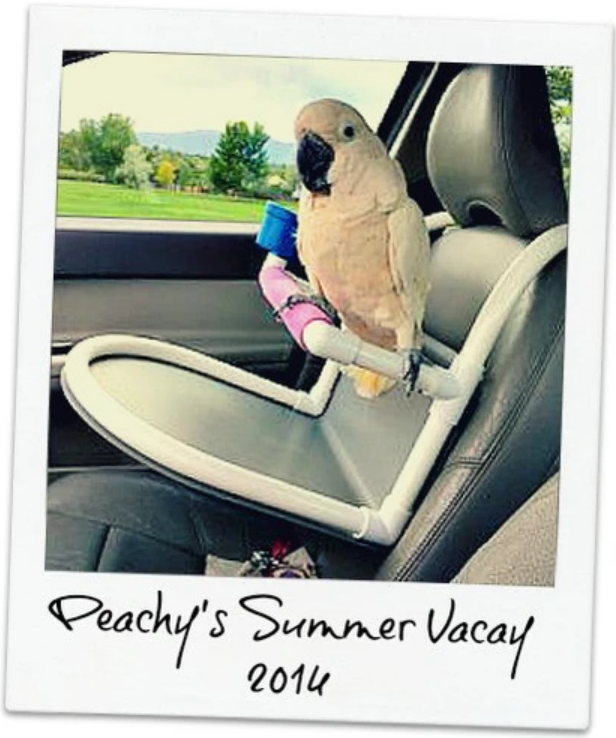
Counterintuitively, some parrots genuinely appear to prefer road trips over being left behind. The primary reason lies in their inherent flock mentality: vacationing with pet birds ensures your companion remains close to its trusted flock – you. This continuous proximity often reduces anxiety compared to being boarded in a strange facility with unfamiliar people, sights, and smells. The crucial factor in fostering this preference is meticulous preparation and the creation of positive associations. With the right strategies, car rides can transform into anticipated, enjoyable experiences for your bird.
Supporting Avian Emotional Wellness During Travel
For birds prone to anxiety or simply to ensure the smoothest possible journey, incorporating avian calming products can be beneficial. These vet-trusted solutions are designed to support emotional wellness, offering a gentle aid before, during, and after travel. Consulting with an avian veterinarian regarding appropriate supplements and their administration is always recommended.
Ensuring Safe Transportation: Carriers, Car Seats, and Training
When transporting a bird in a car, safety is paramount. The most secure method involves a well-ventilated travel carrier properly secured in the vehicle.
Carrier Selection: Features and Benefits
Carriers specifically designed for avian travel, such as the Pak’o’Bird or clear-sided acrylic travel cages, offer optimal visibility for the bird and owner, crucial airflow, and a sense of security within an unfamiliar environment. When selecting a carrier, consider the following features:
- Secure Latches: Prevents accidental escape.
- Adequate Ventilation: Essential for air circulation and temperature regulation, preventing overheating or stale air.
- Appropriate Size: The carrier should be large enough for the bird to stand, turn around, and comfortably perch, but not so large that the bird can be violently jostled during sudden stops or turns.
- Secure Perch: A non-slip, stable perch that can withstand vehicle motion is vital. Natural wood perches offer better grip and comfort.
- Easy to Clean: Removable trays and non-porous materials simplify hygiene maintenance.
- Food and Water Dish Accessibility: Dishes that securely attach and are easily refillable without opening the main door are ideal.
- Durability and Material: Acrylic provides clear views and is easy to sanitize. Wire cages offer excellent ventilation but may feel less secure for some birds. Soft-sided carriers are lightweight but offer less protection in a collision.
Bird Car Seats: A Niche Option with Caveats
While bird car seats exist, they are generally only suitable for exceptionally confident, harness-trained parrots that are fully accustomed to vehicle motion and can be safely restrained. Even in such cases, a secure, backup travel carrier is indispensable for emergencies or extended stops. The primary risk with car seats is the lack of comprehensive protection in the event of an accident, compared to a fully enclosed and secured carrier.
The Imperative of Pre-Travel Training
Carrier training should commence weeks, if not months, before any planned trip. This is not an overnight task. Begin by allowing your bird to explore the carrier in a safe, familiar home environment. Keep the door open, placing favorite treats or toys inside to forge positive associations. Once your bird comfortably enters and remains inside, gradually introduce the carrier to your vehicle. Buckle it in, turn on the engine without driving, and observe your bird’s reaction. Progress incrementally to short drives around the neighborhood, meticulously monitoring their body language at each stage. This methodical desensitization and counter-conditioning process, though time-consuming, is crucial for preventing panic and minimizing motion-related distress during actual travel.
Preventing Motion Sickness in Avian Passengers
Birds, much like humans and other pets, can experience motion sickness. To mitigate this, ensure the carrier is level and securely stabilized in the back seat, avoiding slanted positions or scenarios where it might swing. Remove any dangling or unpredictably moving toys during the drive, as these can contribute to disorientation or nausea. Instead, provide a stationary comfort item, such as a shreddable block or a soft chew toy, to keep them engaged without exacerbating motion sickness.
Additionally, a light misting with a product like UnRuffledRx Aloe Vera Spray before the drive can help soothe dry skin, which can be exacerbated by car air conditioning or altitude changes, and generally promote feather health.

Optimizing Trip Length and Break Management
There is no universal mileage limit for avian travel; rather, the appropriate trip length is dictated by your individual bird’s experience and temperament. For birds new to car travel, initial trips should ideally be under two hours. More experienced travelers may tolerate four to six-hour rides, provided frequent, well-planned stops are incorporated to manage fatigue and stress. Our firsthand experience during Colorado wildfire evacuations underscored the critical importance of proactive planning for all types of travel, especially emergencies. Practicing short trips is invaluable, even if your primary goal isn’t recreational travel.
Strategic Break Planning for Avian Well-being
Plan to pull over every 90 to 120 minutes in a quiet, safe location. Only open the carrier door once the vehicle is turned off and the surroundings are calm and secure. Offer fresh water and a familiar snack – the predictability of known items significantly reduces stress. Use these breaks to assess your bird’s comfort level. Are they panting, excessively fluffed, or displaying other stress indicators? This is your opportunity to intervene and reset. If your bird is harness-trained, allow them 5-10 minutes for supervised stretching and exploration outside the carrier, ensuring they remain protected from escape or external threats.
Critical Environmental Considerations During Breaks:
- Sun Exposure: Never place the carrier in direct sunlight, which can rapidly lead to fatal overheating. Instead, opt for indirect natural light.
- Temperature Control: Maintain a comfortable cabin temperature between 65-75°F (18-24°C). Use climate control judiciously, avoiding direct airflow onto the carrier.
- Air Quality: Avoid areas with heavy exhaust fumes, smoke, or strong chemical odors.
- Predator Awareness: Always be aware of potential threats from other animals, especially when the bird is out of its carrier.
- Hydration: Ensure constant access to fresh water. Offering water-rich foods can also aid hydration.
Ultimately, comfort consistently outweighs convenience when traveling with your bird. Pay close attention to their body language, and do not hesitate to adjust your schedule or route to ensure their safety and tranquility.
Comprehensive Avian Car Trip Planning Steps
Effective planning is the cornerstone of successful avian travel.
1. Schedule a Pre-Travel Wellness Check and Grooming:
Approximately one week before your trip, schedule a veterinary check-up. This ensures your bird is healthy enough for travel, allows for any necessary nail or beak trims, and provides an opportunity to discuss wing trimming for safety if you are concerned about accidental escape. Your vet can also advise on the suitability and dosage of any mild calming supplements based on your bird’s species and temperament.
2. Research and Reserve Bird-Friendly Accommodations:
Never assume that "pet-friendly" equates to "parrot-friendly." Many hotels have specific restrictions on birds due to noise, dander, or potential damage. Always call ahead to confirm their exact policies. Inquire about quiet floors, late check-in options, and whether cage covers are permitted. When setting up in the room, choose a quiet corner away from air conditioning vents, heating units, and television noise. A waterproof mat placed under the cage will protect hotel furnishings.
Essential Avian Travel Kit: What to Pack
Prepare a comprehensive travel kit to ensure a safer, smoother journey. This list is invaluable for any road trip with your parrot:
- Primary Travel Gear:
- Secure, well-ventilated travel carrier (with a dark cover for comfort).
- Bird harness and leash (if trained).
- Emergency ID tags for bird and carrier.
- Food & Hydration:
- Ample supply of your bird’s familiar food (pellets, seeds, fresh produce).
- Bottled water (to avoid digestive upset from unfamiliar tap water).
- Secure, spill-proof food and water dishes for the carrier.
- Favorite treats for positive reinforcement.
- Comfort & Enrichment:
- Familiar comfort perch (avoiding swinging ones during transit).
- Favorite toys (non-dangling, shreddable options are ideal).
- A small, soft blanket or towel for warmth/security.
- Health & Hygiene:
- Bird first-aid kit (including styptic powder, antiseptic wipes, vet-prescribed medications).
- UnRuffledRx Aloe Vera Spray (for hydration and soothing).
- Calming supplements (as advised by your vet).
- Cleaning supplies (paper towels, bird-safe disinfectant, small waste bags).
- Copy of your bird’s veterinary records and a recent photo.
- Hotel & Overnight Supplies:
- Portable travel cage (for longer stays).
- Waterproof mat for under the cage.
- Air purifier (optional, for sensitive birds or dusty rooms).
Harness Training: Expanding Freedom and Enhancing Safety
Harness training can revolutionize your avian travel experience, unlocking new levels of freedom and safety. A harness-trained parrot can safely explore during breaks, stretch on a walk, or comfortably perch on your arm during hotel check-in. This provides invaluable exercise and mental stimulation, significantly reducing travel-related stress.
Even brief periods of 5-10 minutes outside the carrier can make a substantial difference. Your bird benefits from movement, mental engagement, and a respite from confinement, which is particularly crucial on multi-day road trips. Prioritize practice before your journey, ensuring a perfect harness fit and reinforcing recall cues. Always carry backup identification for your bird, such as leg bands or microchip information.

Travel-Ready Calming Products: Aiding Avian Serenity
Integrating specialized calming products can further enhance your bird’s travel experience:
- Avian Calming Formulas: Administer 1-2 hours before travel. These formulas often contain natural ingredients known to reduce anxiety and promote a sense of calm during the stressful aspects of traveling with a bird.
- Aloe Mist: A daily spritz inside the carrier or directly on the bird (avoiding eyes) helps maintain skin and feather hydration, counteracting the drying effects of car air conditioning or altitude changes.
- FeatherUp Supplement: This supplement supports immune health and can help prevent stress-related feather plucking, a common behavioral manifestation of anxiety while vacationing with pet birds.
Consider bundling these items into a "Bird Travel Kit" for convenient pre-trip preparation and easy access during the journey.
When to Prioritize Staying Home: Recognizing Contraindications
While traveling with a bird can be enriching, there are critical circumstances when it is safer and more responsible to leave your bird at home with a trusted caregiver:
- Health Concerns: If your bird is ill, recovering from surgery, undergoing a heavy molt, or experiencing significant hormonal mood swings, the added stress of travel could severely compromise their health. Birds with respiratory issues are particularly vulnerable to changes in air quality and temperature.
- Lack of Training: If your bird has not been adequately carrier or harness trained, or has not experienced short car trips, forcing them into a long journey will likely result in severe distress for both the bird and the owner. Patience in training is paramount for a positive experience.
- Weather Extremes: Extreme temperatures pose a significant risk. Temperatures above 85°F (29°C) or below 45°F (7°C) are unsafe for avian travel. Birds can overheat or suffer from hypothermia rapidly in a vehicle, even with climate control, due to potential fluctuations or system failures. Similarly, travel during periods of poor air quality (e.g., heavy wildfire smoke) should be avoided.
Conclusion: Travel Smart, Travel Safe
The ability to plan a road trip with your bird, from meticulous preparation and training to ensuring safety and comfort, places you ahead in providing an exceptional experience for your feathered companion. Birds thrive on security and connection to their flock. With the right setup, traveling with your bird can evolve from a logistical challenge into a deeply enriching and stress-free adventure.
For those ready to embark on avian travels with confidence, integrating travel-tested favorites can significantly enhance the experience. Products like the Pak’o’Bird carrier offer a secure and visible environment, while a quality bird harness provides the freedom for supervised exploration. Together, these tools form an optimal foundation for safer, calmer adventures.
Ultimately, when your bird feels safe, seen, and supported, they are more likely to enjoy the journey as much as the destination, transforming travel into a shared, positive experience that strengthens the human-avian bond.
Related Posts:
- 6 Tips for Car Travel with Parrots
- Pet Friendly Vacations: RV Travel With Your Bird
- Finding a Bird-Friendly Hotel
About the Author:
Diane Burroughs, LCSW, brings over 30 years of experience to helping bird lovers cultivate stronger, healthier bonds with their parrots. Integrating psychotherapy and Applied Behavior Analysis (ABA), Diane offers practical, science-backed strategies for real-life application. Through her publications, behavior consultations, and UnRuffledRx parrot wellness products, she is committed to empowering bird owners to build trust, confidence, and lasting positive relationships with their feathered companions. Diane’s contributions have been featured in the Journal of Avian Medicine and Surgery and at ExoticsCon, a national conference for exotic animal veterinarians. Her avian collars and supplements are trusted by veterinary professionals and available in clinics across the U.S. With a background of thousands of individualized behavior plans, Diane’s mission remains singular: to foster thriving relationships between parrots and their people.
TAGS: #CarTravelWithBirds #TakingYourBirdOnVacation #AvianTravelSafety #ParrotRoadTrip #PetFriendlyTravel #BirdSupplies
Sharing is Caring!
Love what you read? Help spread the word on Facebook & Instagram.
Leave a comment below and let us know your thoughts!

