


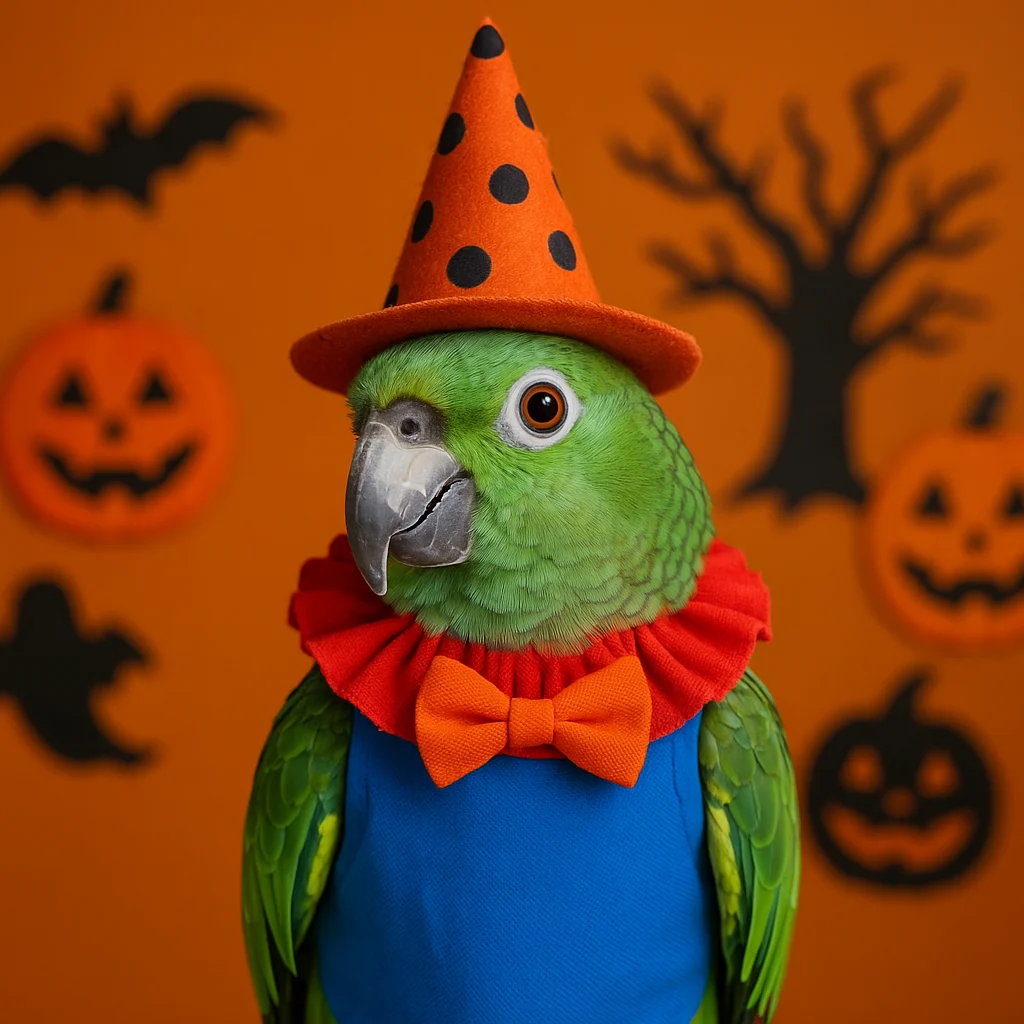
As October 31st approaches, households across the globe prepare for Halloween, a celebration marked by costumes, candy, and spirited festivities. While this annual event brings joy and excitement to many, it can pose significant challenges and stressors for companion birds, whose sensitive physiology and innate instincts are ill-equipped to handle the sudden influx of sensory overload. From the incessant ringing of doorbells to the flashing lights of decorations and the unsettling appearance of costumed strangers, the typically predictable and serene environment of a bird’s home can transform into a source of profound anxiety. Experts in avian welfare are increasingly highlighting the critical need for proactive measures to ensure these feathered friends experience a calm, cozy, and scare-free evening.
The Sensory Onslaught: Why Halloween Unsettles Birds
Halloween’s modern traditions, deeply rooted in ancient Celtic festivals like Samhain, have evolved from solemn observances to vibrant, often boisterous, community events. These celebrations typically involve trick-or-treating, where children and adults in elaborate costumes visit homes, seeking treats. This creates a surge in human activity, particularly during the evening hours, which directly conflicts with the natural rhythms and comfort zones of avian companions. For birds, who perceive the world with heightened senses far beyond human capabilities, the seemingly innocuous elements of Halloween can trigger deeply ingrained survival responses.
Auditory Disturbances: The Symphony of Stress
One of the primary stressors for birds during Halloween is the dramatic increase in auditory stimuli. Birds possess an acute sense of hearing, often able to detect frequencies and nuances imperceptible to humans. A doorbell ringing repeatedly, the excited shrieks and laughter of children, spooky sound effects from decorations, and even background party music can be overwhelmingly loud and disorienting. For a parrot, whose quiet evening typically involves the familiar sounds of its household, this sudden cacophony can be perceived as an imminent threat, triggering an immediate "flight or fight" response. Studies in avian behavior indicate that sudden, loud noises can cause a sharp increase in stress hormones like corticosterone, leading to elevated heart rates, rapid breathing, and erratic movements within the cage. The long-term implications of such acute stress can manifest as chronic anxiety, leading to behavioral issues such as excessive screaming, feather plucking, or even self-mutilation.
Visual Threats: Costumes and Flashing Lights
Beyond sound, the visual aspects of Halloween present unique challenges. Masks, elaborate costumes, and face paint can render even familiar individuals unrecognizable, transforming them into what a bird might perceive as a predator. Birds are highly visual creatures, and their survival in the wild depends on their ability to quickly identify and react to potential dangers. A costumed figure, with distorted proportions or an altered gait, can easily be misinterpreted as a threat. Furthermore, the proliferation of flashing lights, strobe effects, and flickering decorations can disorient birds, disrupt their spatial awareness, and contribute to a feeling of insecurity. These erratic visual stimuli can interfere with their ability to rest and can even cause panic attacks, commonly referred to as "night frights" if they occur during perceived sleeping hours.
Disrupted Routines and Sleep Deprivation
A cornerstone of avian health and well-being is a consistent routine, particularly a predictable sleep schedule. Most companion birds require 10-14 hours of uninterrupted darkness for proper rest. Halloween festivities, however, typically peak in the evening, precisely when birds are settling down for the night. The continuous activity, noise, and light disruptions can severely impede a bird’s ability to achieve deep, restorative sleep. A single night of poor sleep can leave a bird irritable, aggressive, or unusually vocal the following day. Chronic sleep deprivation, a common issue for birds in human households during holidays, can weaken the immune system, exacerbate existing behavioral problems, and significantly reduce their overall quality of life.
Proactive Measures: A Timeline for Avian Calm
To safeguard the well-being of companion birds during Halloween, a structured, proactive approach is essential. This timeline outlines key steps for owners to implement, ensuring a peaceful experience for their feathered companions.
Weeks Before Halloween: Preparation and Planning
- Identify a Safe Haven: Designate a quiet, interior room in the house that can be completely isolated from the main areas of festivity. This room should be away from the front door, windows, and any potential sources of loud noise or flashing lights.
- Acquire Essential Supplies: Gather a dense cage cover (preferably dark and breathable), a white noise machine or a device for playing calming music/nature sounds, and any veterinarian-approved calming supplements or sprays, such as UnRuffledRx™ Calming Formula or Aloe Vera Spray, which can help mitigate stress naturally.
- Gradual Introduction of Calming Aids: Begin playing white noise or calming music for short periods daily to accustom your bird to the sounds. If using supplements, start administration a few days in advance following product guidelines.
- Prepare Enrichment: Stock up on favorite foraging toys and puzzle feeders. These can provide a distraction and a sense of normalcy when placed in the bird’s quiet space.
Day of Halloween: Execution of the Plan
- Maintain Morning Routine: Keep the morning routine as normal as possible to provide a sense of predictability and security.
- Early Relocation to Safe Room: Well before trick-or-treaters or party guests are expected, gently move your bird’s cage to its designated quiet room. Ensure the room is adequately heated and ventilated.
- Create a Tranquil Environment: Once in the safe room, cover the cage completely with its dark, breathable cover. Turn on the white noise machine or calming music. Dim the lights in the room, or keep them off if the bird is comfortable in darkness.
- Offer Distractions: Place a favorite foraging toy or a special, healthy treat inside the cage before covering it. This can provide positive reinforcement and a constructive outlet for energy.
- Minimize Interaction: During the peak hours of Halloween activity, minimize direct interaction with the bird. Resist the urge to check on them frequently, as this can disrupt their sense of security.
During the Event: Managing the Environment
- Strict No-Go Zone: Ensure that the bird’s safe room remains a "no-go zone" for guests, especially children, to prevent accidental disturbances.
- Monitor for Lingering Sounds/Lights: Periodically check if any sounds or lights are penetrating the safe room and adjust accordingly (e.g., closing additional doors, adding blankets to block light under doors).
Post-Halloween: Gradual Reintegration
- Observe and Reassure: Once all festivities have concluded and the household returns to quiet, gradually uncover the cage and return your bird to its usual spot. Observe your bird for any lingering signs of stress or unusual behavior.
- Reinforce Calmness: Reward calm behavior with praise and gentle interaction. Avoid overly comforting a bird that is exhibiting fearful behavior, as this can inadvertently reinforce the fear.
- Resume Normal Routine: Reestablish the regular daily schedule as quickly as possible to help your bird readjust.
Expert Recommendations and Broader Implications
Avian veterinarians and animal behaviorists consistently underscore the importance of these preventive measures. Dr. Alistair Finch, a leading avian veterinarian, states, "Birds are creatures of habit and highly sensitive to environmental changes. What we perceive as harmless fun can be profoundly disturbing to them. Proactive measures are not just advisable; they are essential for their welfare." Organizations dedicated to animal welfare, such as the Association of Avian Veterinarians (AAV) and local humane societies, frequently issue guidelines for pet safety during holidays, emphasizing similar strategies for all sensitive companion animals.
Dietary Considerations: The Dangers of Human Treats
A critical aspect of Halloween safety often overlooked is the inherent danger of human treats. While it may be tempting to share a piece of candy with a beloved bird, the vast majority of Halloween confectionery contains ingredients that are toxic or harmful to avian species. Chocolate, xylitol (a common artificial sweetener), excessive sugar, and artificial colorings can all lead to severe health issues, ranging from digestive upset to neurological damage and even death. Instead, offer bird-safe alternatives such as a plain, unsalted almond, a walnut, or a piece of unsweetened dried fruit. These natural treats provide a safe and enjoyable indulgence without the associated risks.
The Role of Calming Aids and Professional Guidance
While environmental management is paramount, certain calming aids can provide additional support. Products like UnRuffledRx™ Calming Formula, developed by experts such as Diane Burroughs, LCSW, offer natural solutions designed to help birds cope with stress. These supplements often contain ingredients known for their anxiolytic properties in birds. Similarly, Aloe Vera Bird Spray can soothe skin and feathers, which can be beneficial for birds prone to feather destructive behaviors when stressed. Diane Burroughs, with over 30 years of experience in helping bird lovers, emphasizes that "knowing your bird needs calm and predictability is one thing—but actually creating that peace takes the right tools." Her work, often featured in publications like the Journal of Avian Medicine and Surgery, focuses on combining proven behavioral science with practical strategies and trusted products to foster trust and confidence in avian companions.
Long-Term Well-being: Beyond a Single Night
The implications of a stressful Halloween extend beyond a single evening. Repeated exposure to such high-stress events without adequate protection can lead to chronic anxiety, which can compromise a bird’s immune system, making them more susceptible to illness. It can also entrench undesirable behaviors, making them harder to manage in the long run. Therefore, the strategies employed for Halloween should be viewed as part of a broader commitment to understanding and meeting the complex behavioral and environmental needs of companion birds. By prioritizing their peace and security during festive periods, owners contribute significantly to their birds’ overall health, happiness, and longevity.
In conclusion, Halloween, while a joyous occasion for humans, demands a thoughtful and responsible approach from bird owners. Through meticulous planning, the creation of a secure and tranquil environment, adherence to routines, and the judicious use of calming aids, it is entirely possible to transform this potential "fright night" into a peaceful evening for feathered family members. The dedication to understanding and mitigating avian stress during such events underscores the evolving landscape of responsible pet ownership and highlights the importance of providing not just care, but true well-being, for all creatures in our homes.

