


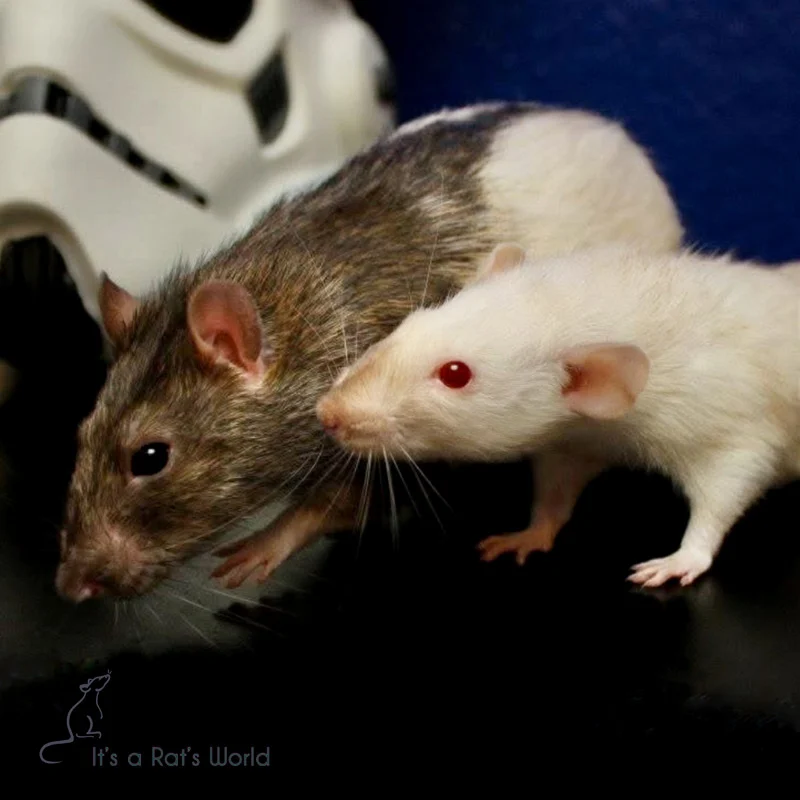
For prospective rat owners, a perennial question arises: should one opt for a male or a female rat? While personal preference plays a role, experts and experienced keepers alike affirm that both sexes offer a rewarding companionship, each with unique traits that contribute to their appeal as pets. This exploration delves into the distinctions between male and female rats, examining their physical characteristics, behavioral patterns, and the implications of spaying and neutering, to equip potential owners with comprehensive information for making an informed decision.
Understanding the Nuances: Physical and Aromatic Differences
A primary distinguishing factor between male and female rats lies in their size. On average, adult male rats are larger, typically measuring between 10 to 12 inches in length, excluding their tails, and weighing approximately 450 to 650 grams (about 1 to 1.4 pounds). Females, conversely, tend to be smaller, with lengths ranging from 9 to 10 inches (tail excluded) and weights between 350 to 450 grams (roughly 12.3 ounces to 1 pound). However, these are averages, and individual variations are common. Some males may be smaller than average females, while exceptionally large females can rival the size of some males. Notable examples include exceptionally large males weighing up to 2 pounds (907 grams), demonstrating the spectrum of size within the species.

Beyond size, a difference in coat texture is often observed. Adult males, particularly intact ones, tend to produce more oil on their backs, a phenomenon known as "buck grease." This oily secretion can give their fur a slightly coarser feel and may appear orangish-yellow. In some cases, excessive buck grease can lead to skin irritation and necessitate occasional bathing. Neutering males often reduces or eliminates this oil production, leading to a softer coat. Female rats generally have softer fur and do not experience the same level of oil production.
Perhaps one of the most intriguing distinctions lies in their scent. Intact male rats possess a distinct aroma often described as akin to warm corn tortillas or tortilla chips, a scent that, while unusual, is generally not considered unpleasant. Female rats, on the other hand, emit a more fragrant scent, frequently likened to grape soda and fabric softener, with floral undertones. This aromatic divergence is so pronounced that experienced keepers can often differentiate between the sexes based solely on scent. Interestingly, neutered males typically adopt a scent profile similar to that of females, exhibiting a more floral, grape-like aroma. This olfactory characteristic leads to a peculiar but common practice among rat enthusiasts known as "huffing," where owners deeply inhale the scent of their rats’ fur, finding it to be a comforting and enjoyable experience. However, both sexes can sometimes develop an unpleasant odor if they engage in "marinating," which involves resting in urine-soaked bedding. Regular grooming with unscented wipes or damp cloths can help mitigate strong odors.
Behavioral Tendencies: Energy Levels and Social Dynamics
The perceived differences in personality and energy levels between male and female rats are often subject to anecdotal evidence and generalization, but can offer some insight into their typical behaviors. While it’s commonly believed that male rats are more sedentary and inclined to cuddle, and females are more energetic and less cuddly, personal experiences often reveal a more nuanced reality.
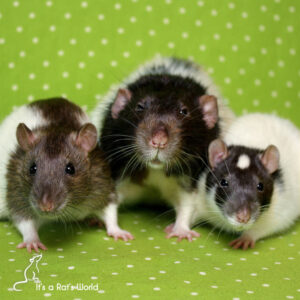
Younger male rats can be quite active, mirroring the energy of their female counterparts. As they mature, particularly if neutered, males may indeed become more relaxed and less prone to extensive climbing or exploration. However, a propensity for laziness does not automatically equate to being a cuddly companion. Some males may prefer to simply relax near their owners rather than being held for extended periods.
Female rats, while often characterized as highly energetic, can also become equally sedentary as they age, much like males. The author’s experience suggests that many females, especially if spayed early, develop similar laid-back tendencies. It is important to note that if females are not spayed, they undergo estrus cycles approximately every four to five days, which can lead to increased restlessness, hyperactivity, agitation, and noticeable ear wiggling. Missing these behavioral phases due to early spaying might influence perceptions of their typical energy levels.
Ultimately, the desire to cuddle or be handled seems to be an individual trait that transcends sex. Many female rats are as affectionate and cuddly as their male counterparts, challenging the stereotype that they are inherently less so. The social maturity phase, typically occurring between 6 to 9 months of age for males, can sometimes lead to personality shifts. Some males may exhibit increased irritability, agitation, or even mild aggression towards cagemates or owners during this period. While such behavioral changes are not universal and often temporary, they can necessitate interventions such as castration, which has proven effective in mitigating these hormonal influences.

Behavioral Differences and Social Introductions
A significant behavioral divergence between male and female rats becomes apparent in their social interactions and territorial marking. While both sexes can exhibit territorial behaviors, intact males are more prone to marking their environment and owners with urine. This marking behavior can persist throughout their lives for some males, though many settle down once they feel secure in their territory. Females, conversely, are far less likely to engage in urine marking.
Introductions of new rats into an existing group can also present different challenges based on sex. Male-male introductions can be particularly demanding, even for typically docile individuals. Territorial disputes may arise, requiring patience and careful management. While not all males are inherently territorial, the potential for conflict means that introductions might necessitate more effort and, in some cases, separation of groups or neutering. Female-female introductions, and male-female introductions, are often observed to be less stressful than male-male introductions, though female rats can also display resistance to newcomers, particularly as they mature. However, older females tend to become more accepting. Overall, many keepers find that managing introductions with female rats to be comparatively smoother.
Furthermore, female rats are generally considered easier to litter box train than males. However, it is important to note that consistent 100% litter box usage is rare for both sexes.

The Impact of Sterilization: Spaying and Neutering
Sterilization procedures, spaying for females and neutering for males, play a crucial role in managing health and behavior in pet rats.
Preventing Unplanned Litters
The most immediate benefit of spaying or neutering is the prevention of unwanted litters. Rats are prolific breeders, with females capable of birthing 8 to 18 pups per litter. If both sexes are housed together, or even housed in adjacent cages where they can sense each other, the risk of accidental pregnancy is high. Spaying one female or neutering one male is essential if housing mixed sexes.
Minimizing Health Risks
Sterilization offers significant health advantages for both sexes. Female rats are highly susceptible to hormone-related health issues, particularly mammary tumors, as well as ovarian and uterine diseases. These conditions can drastically shorten their lifespan. Spaying females between 3 to 4 months of age is strongly recommended by many veterinary professionals and rat welfare organizations to significantly reduce the incidence of these life-threatening conditions. While some sources suggest a broader window of 3-7 months, earlier intervention is generally considered more beneficial. The spaying procedure for females is more invasive and costly than neutering males, but the health benefits are considered substantial. Anecdotal evidence suggests that females spayed later in life or not at all are more prone to developing mammary tumors.

While less common, male rats can also develop health issues. Neutering can help reduce the risk of testicular cancer, although this is a rarer occurrence. It also minimizes the risk of a vesical proteinaceous plug, a condition that can affect elderly or mobility-challenged males. Information on whether neutering reduces the risk of mammary or pituitary tumors in males is less definitive, suggesting that the direct health benefits of sterilization may be more pronounced for females.
Improving Behavior and Quality of Life
Beyond preventing pregnancy and reducing health risks, spaying and neutering can also positively impact a rat’s behavior. For males, neutering is particularly effective in curbing aggression, reducing urine marking, and diminishing the production of buck grease. These behavioral modifications can lead to a more harmonious living environment and a better quality of life for the rat.
Mixing the Sexes: A Rewarding Experience
Many rat owners find immense joy in housing both male and female rats together, provided that appropriate sterilization measures are in place. Such arrangements can lead to the formation of deep and affectionate bonds between rats of different sexes. In some instances, rats may develop strong "crushes" on one another, exhibiting devoted companionship. The author recounts a poignant example of a male rat who, after neutering, resumed his close bond with a female companion, staying by her side until her passing. These cross-sex friendships highlight the profound social capacity of rats and the rewarding experiences that mixed-sex households can offer.
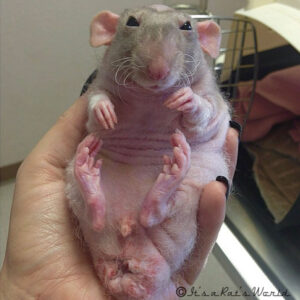
In conclusion, the decision to choose a male or female rat, or a combination of both, hinges on an individual’s preferences and lifestyle. Both sexes offer unique charms and the potential for deep companionship. Understanding their distinct physical, aromatic, and behavioral tendencies, coupled with the crucial benefits of spaying and neutering, empowers prospective owners to make an informed choice that ensures a healthy, happy, and fulfilling life for their pet rats. Responsible ownership, including sterilization to prevent unwanted litters and mitigate health risks, remains paramount for the well-being of these intelligent and affectionate creatures.

