


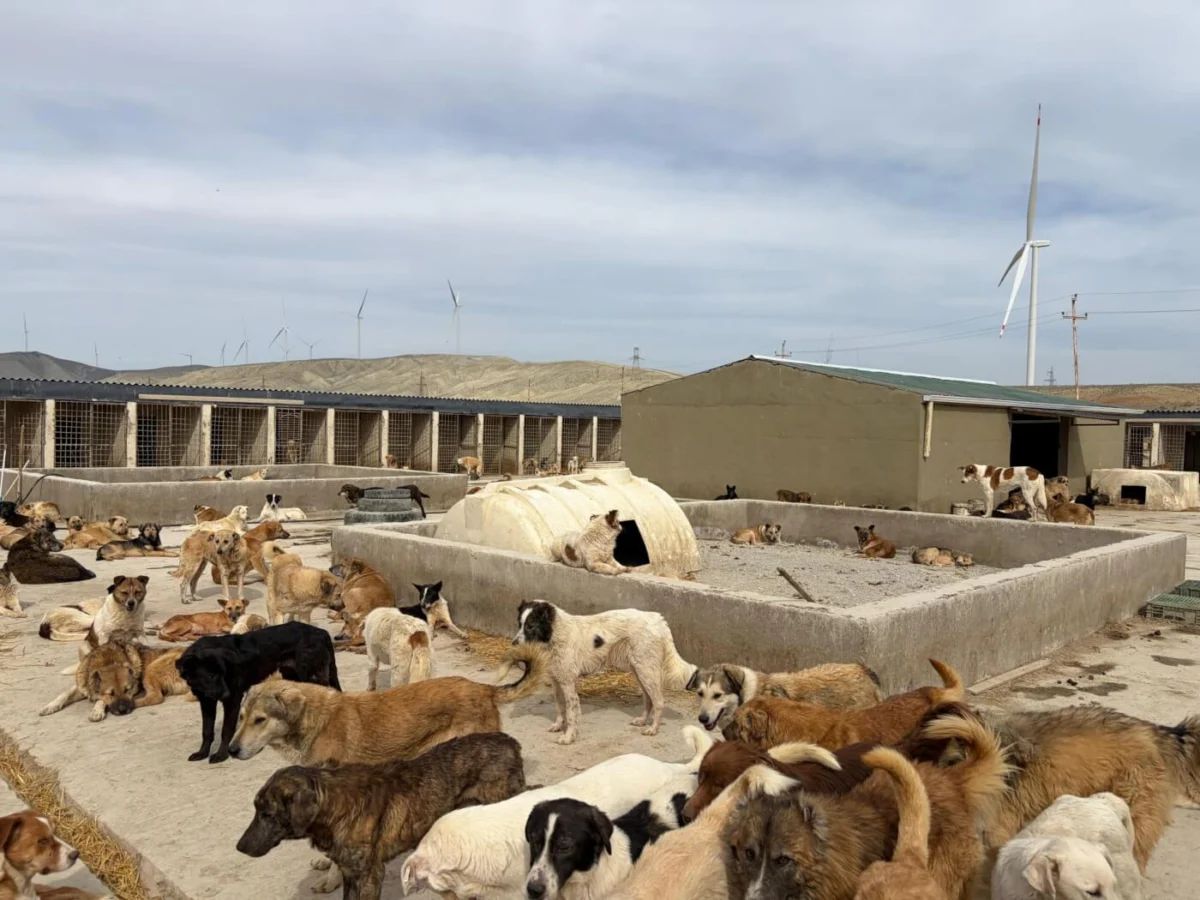
In a geographic region where animal welfare efforts are often met with systemic challenges, including the threat of legal prosecution and social persecution for those who provide care, PETA’s Global Compassion Fund has successfully facilitated a series of life-saving infrastructure upgrades for a remote canine shelter. This intervention marks a significant turning point for a facility that previously struggled to maintain basic sanitary and safety standards due to extreme weather conditions and a lack of local resources. By providing the necessary financial and logistical support, the fund has empowered local rescuers to transition from a state of constant crisis management to a sustainable model of animal husbandry and protection.
The Context of Animal Rescue in Hostile Environments
The Middle East presents a complex landscape for animal welfare organizations. In many remote areas, stray dog populations are managed through culling rather than sterilization, and individuals who attempt to intervene often find themselves at odds with local authorities or cultural norms that may view free-roaming dogs as a public health nuisance rather than a community responsibility. The volunteers at the heart of this report established their shelter as a last resort for animals that would otherwise face starvation, abuse, or extermination.
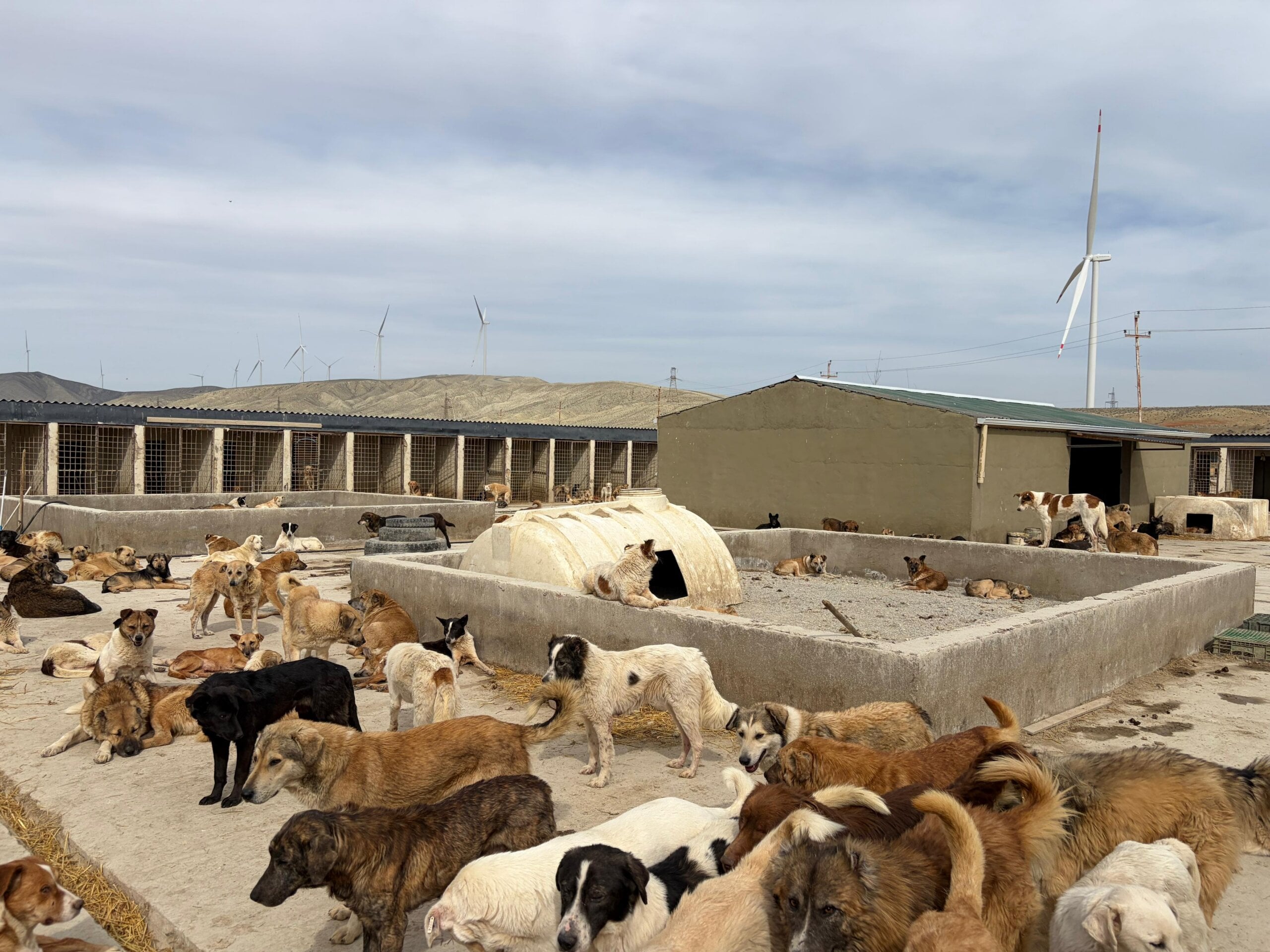
However, the courage of these rescuers was frequently undermined by the limitations of their environment. The shelter was originally constructed with rudimentary materials that offered little protection against the elements. In this specific remote area, the climate is characterized by periods of intense heat followed by torrential seasonal rains. Without proper drainage or solid flooring, the shelter’s outdoor spaces would regularly transform into deep, muddy pits. This environment was not only uncomfortable for the dogs but also posed significant health risks, including the spread of waterborne diseases, parasitic infections, and skin conditions exacerbated by dampness and filth.
Chronology of the Intervention and Structural Overhaul
The transformation of the facility began when PETA Germany identified the dire conditions through its international network of animal advocates. Recognizing that the local volunteers had the passion but lacked the capital for structural engineering, PETA Germany tapped into the Global Compassion Fund to initiate a multi-phase renovation project.
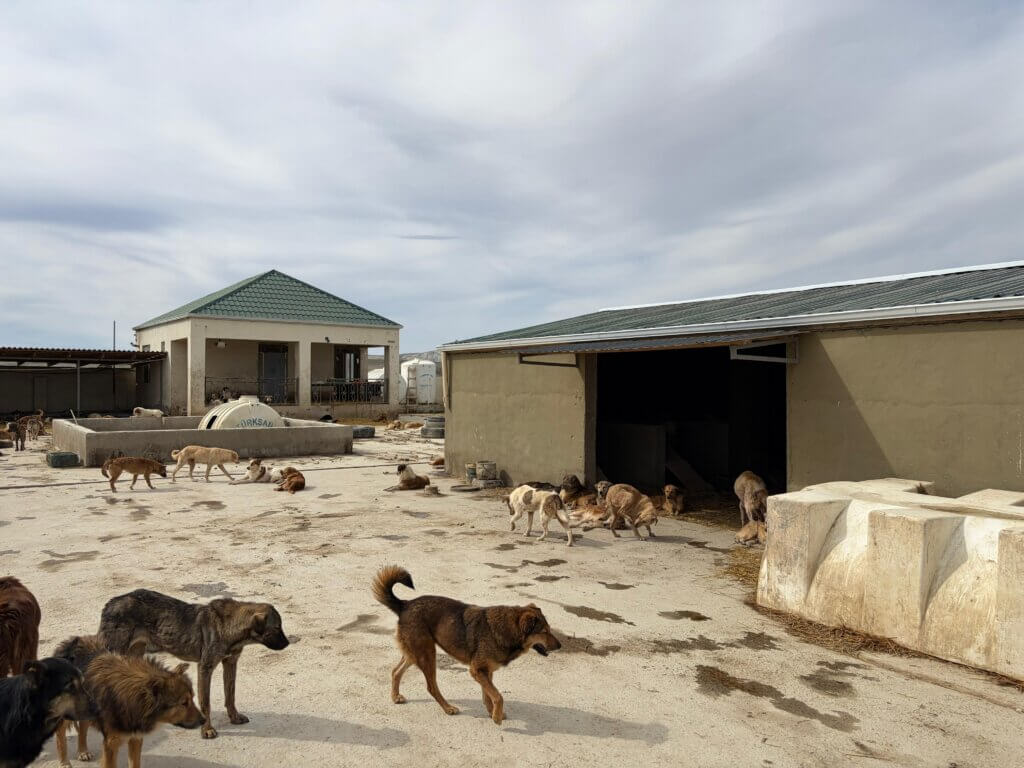
The first phase focused on the creation of a permanent, sturdy structure designed to withstand the region’s volatile weather. Prior to this, many of the dogs were exposed to the wind and rain with only makeshift coverings. The new building provides a climate-controlled environment where the canine residents can seek refuge during the height of summer or the depths of the rainy season.
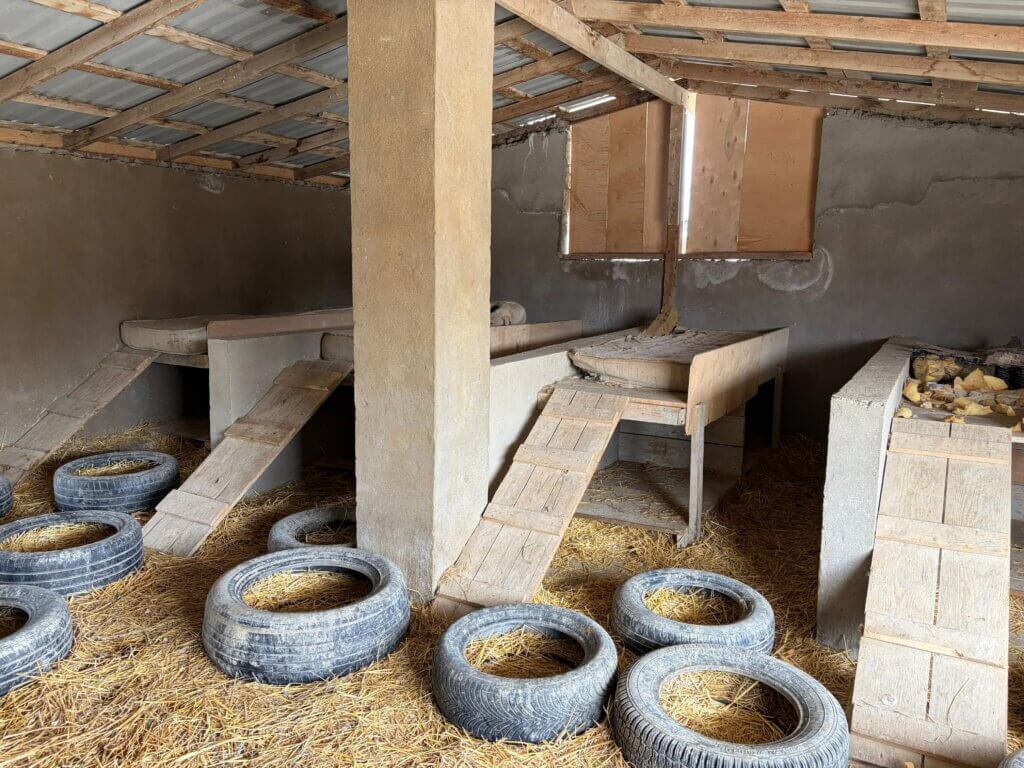
The second phase addressed the internal living conditions. To improve hygiene and comfort, rescuers designed and built wooden bunk-style beds. These elevated sleeping quarters are topped with soft mattresses, a luxury previously unknown to these animals. Raising the dogs off the floor is a critical health measure; it prevents the animals from lying on cold or damp surfaces, reduces the transmission of floor-dwelling parasites, and provides a sense of security and territory for each individual dog.
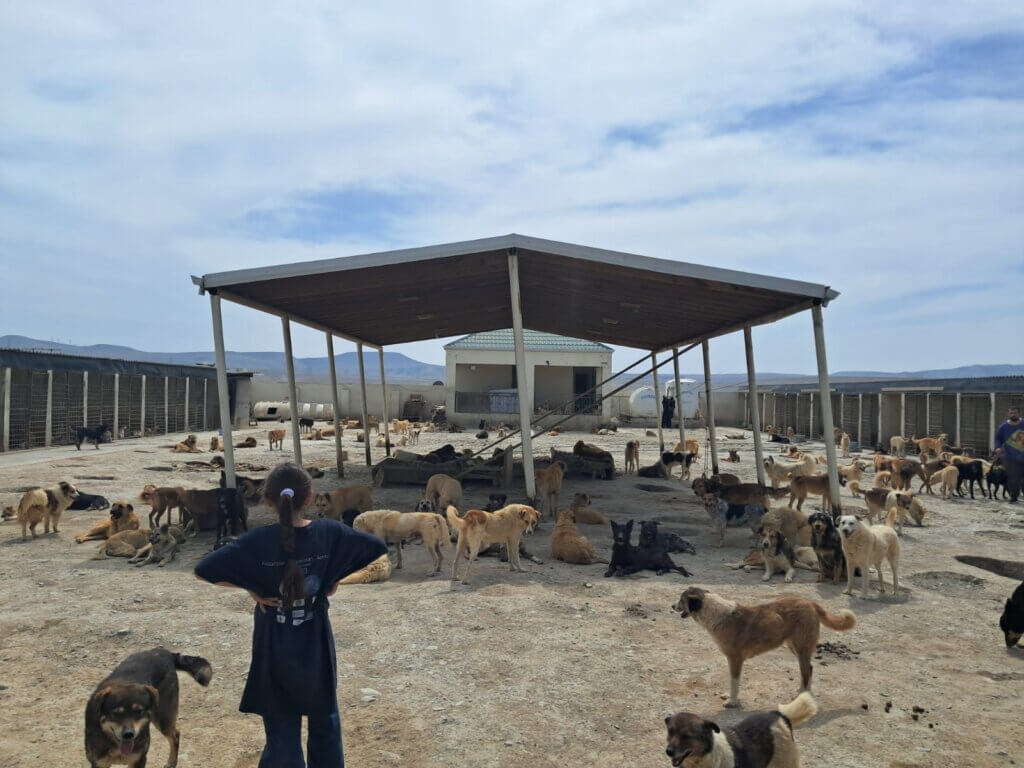
The third and most technically demanding phase involved the overhaul of the shelter’s drainage and outdoor landscaping. To solve the problem of the "muddy pits," volunteers and contracted workers installed a comprehensive drainage system. This system effectively redirects rainwater away from the primary recreation and living areas, ensuring that the ground remains firm and dry even after heavy downpours. To complement this, concrete was poured in high-traffic zones, and large, raised sandboxes were installed. These sandboxes provide the dogs with a natural digging and play area that remains usable during inclement weather, as the sand allows for faster drainage than the native clay-heavy soil.
Technical Specifications and Facility Expansion
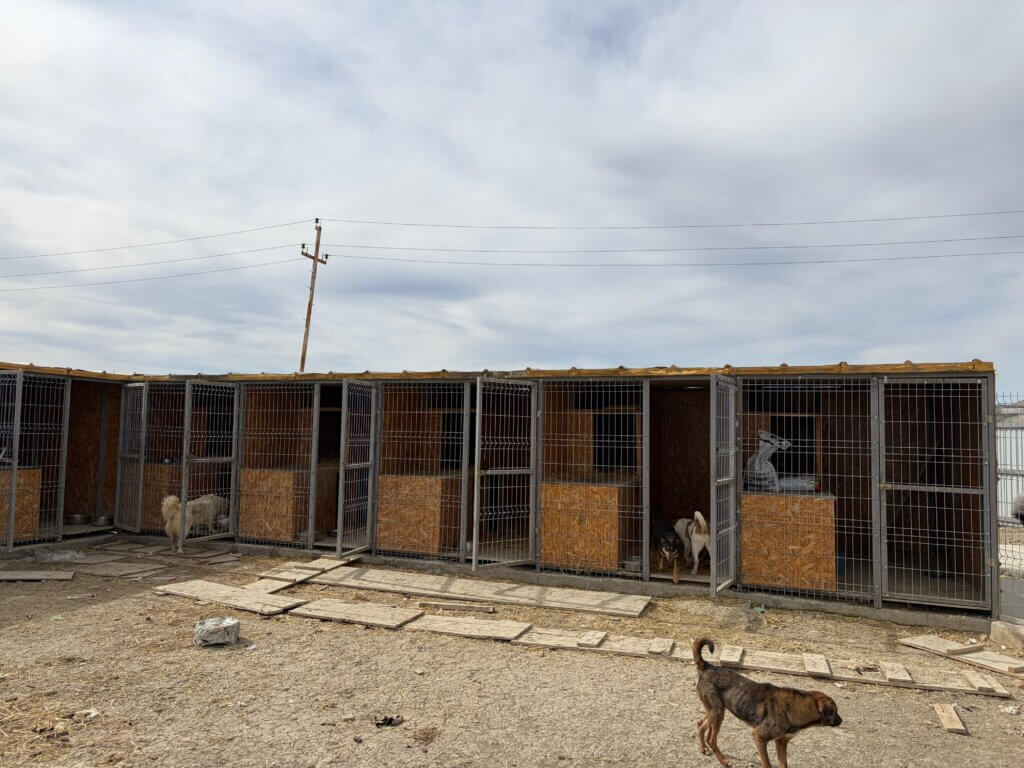
The upgrades were not limited to repairing existing structures; they also included a significant expansion of the shelter’s capacity. An unused, dilapidated structure on the property was completely gutted and renovated. This building was converted into 10 additional high-quality kennels. These new units feature:
- Reinforced Wooden Flooring: Chosen for its durability and ease of cleaning compared to dirt floors.
- Socialization Spaces: The layout was designed to allow dogs to interact safely, which is vital for their psychological well-being and eventual rehoming potential.
- Reinforced Perimeter Fencing: The outdoor kennels were repaired and strengthened to prevent escapes and protect the residents from external predators or human intruders.
By converting the unused structure, the shelter has increased its ability to take in "unwanted" dogs from the surrounding villages, directly reducing the number of animals subject to the harsh conditions of the streets.
The Global Impact of Managed Sheltering
The plight of stray animals in the Middle East is part of a larger global crisis. According to data from the World Health Organization (WHO) and the World Organisation for Animal Health (WOAH), there are an estimated 200 million stray dogs worldwide. In regions without robust government-funded animal control or "Trap-Neuter-Return" (TNR) programs, the burden of care falls entirely on private citizens and NGOs.
The success of the Global Compassion Fund in this remote area serves as a case study for how targeted financial aid can yield high-impact results. In many developing regions, the cost of labor is relatively low, meaning that even modest donations in Western currencies can fund extensive construction projects. The primary barrier is often not the cost of materials, but the lack of an organized pipeline to deliver those funds to the individuals on the ground.
Statements and Analysis of the Mission
While the names of the specific rescuers and the exact location of the shelter are often withheld to protect them from the aforementioned "persecution and prosecution," representatives from PETA have emphasized the bravery of these local partners.
"In many parts of the world, being an animal rights activist isn’t just a choice—it’s a risk," a spokesperson for the Global Compassion Fund noted in a summary of the project. "These volunteers were doing the best they could with nothing. By providing the infrastructure, we aren’t just helping the dogs; we are validating the work of the humans who refuse to look away from suffering."
Independent analysts of non-profit efficiency suggest that infrastructure-heavy projects like this one provide a better long-term return on investment than "stop-gap" measures like food-only donations. A well-drained, structurally sound shelter reduces future veterinary costs by preventing disease and injury, thereby making the shelter more self-sustaining in the long run.
Broader Implications and Future Projects
The completion of the drainage system and the new housing units is not the end of the story for this remote haven. The shelter’s founders have indicated that they have several more projects in development, including a dedicated medical room for basic triage and a more robust sterilization program to address the root cause of the stray population in their district.
The role of the Global Compassion Fund continues to be pivotal in these high-risk zones. The fund operates on the principle that compassion should not be limited by borders or political instability. In the last year alone, the fund has provided aid in war zones, disaster areas, and regions where animal welfare is culturally marginalized.
Conclusion: A Blueprint for Remote Rescue
The transformation of a muddy, basic enclosure into a clean, structured, and safe refuge is a testament to the power of international cooperation in the field of animal rights. For the dogs in this remote Middle Eastern region, the upgrades mean the difference between a life of constant dampness and disease and a life of dignity and comfort.
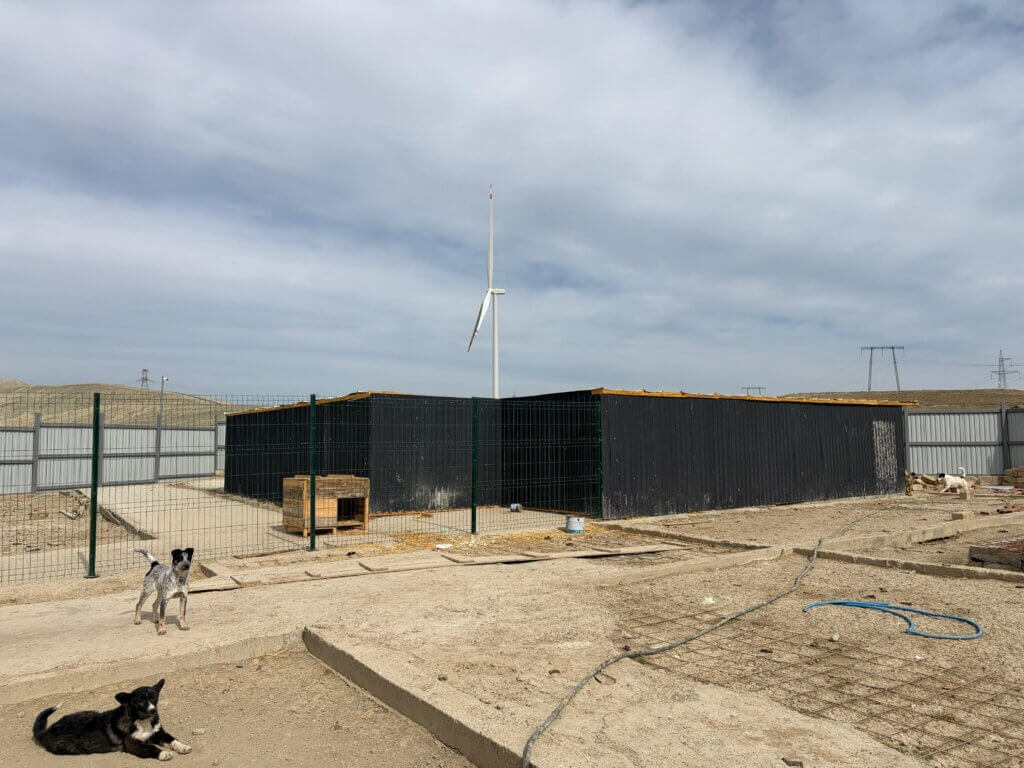
As the rainy season approaches, the residents of this shelter will no longer be forced to navigate deep mud or sleep on sodden ground. Instead, they will have mattresses, dry wooden floors, and the space to socialize and play. This project underscores the necessity of the Global Compassion Fund’s mission: to deliver life-altering aid to the areas where animals have no other hope and where the people who care for them have nowhere else to turn. The work remains a critical component of the global effort to ensure that every animal, regardless of where they are born, is treated with basic decency and protected from the elements.

