


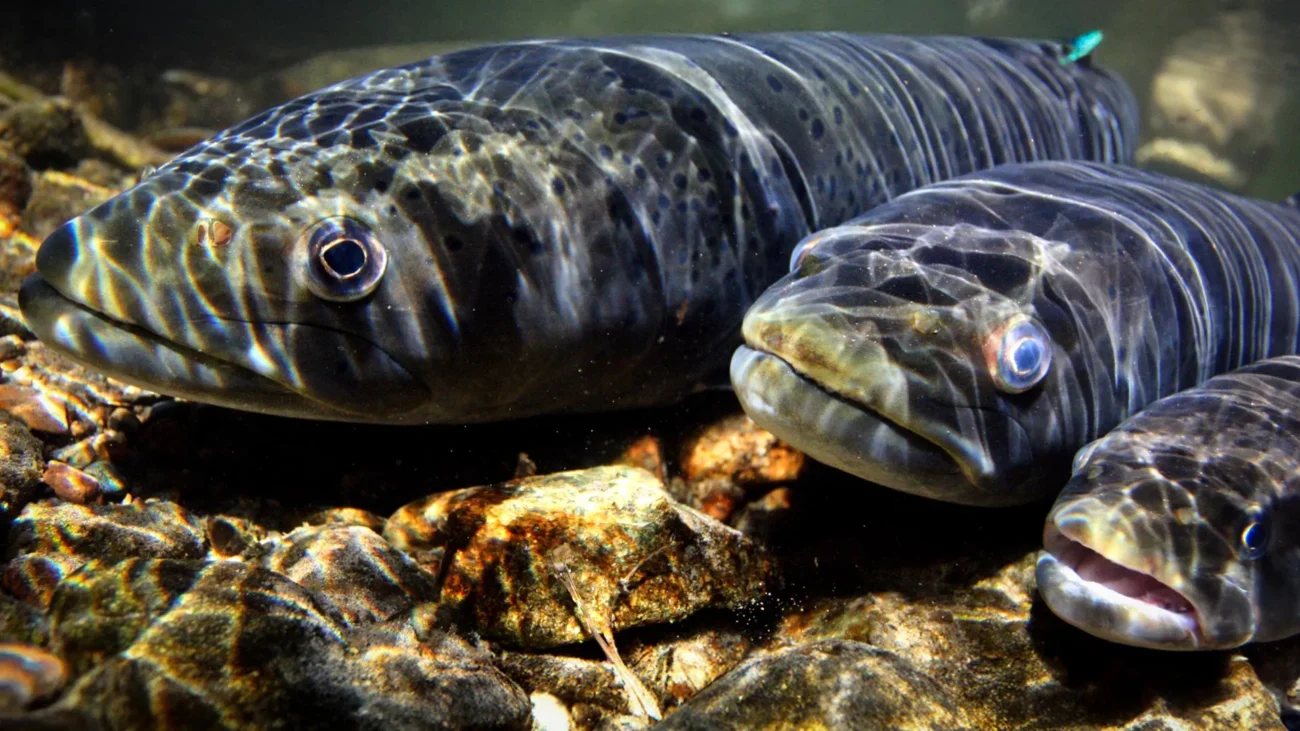
The Convention on the Conservation of Migratory Species of Wild Animals (CMS), a pivotal United Nations environmental treaty, has issued a stark warning: the planet’s most ancient and vital underwater journeys, undertaken by countless migratory freshwater fish, are rapidly unraveling. A groundbreaking new report, unveiled at the CMS 15th Meeting of the Conference of the Parties (COP15) in Brazil, paints a grim picture, identifying migratory freshwater fish as some of the most imperiled species on Earth. These aquatic nomads are not merely biological curiosities; they are indispensable architects of healthy riverine ecosystems, crucial pillars of vast inland fisheries, and providers of sustenance and economic stability for hundreds of millions of people worldwide.
A Hidden Crisis Emerges: The Global Assessment of Migratory Freshwater Fishes
The comprehensive "Global Assessment of Migratory Freshwater Fishes," released during COP15, which convened in the vibrant city of Manaus, Brazil, from November 4th to 15th, 2024, has brought to light a biodiversity crisis that has long been operating beneath the surface, largely unheeded by the global community. The report meticulously details the plight of hundreds of migratory fish species, each reliant on the unimpeded flow of rivers that often traverse national boundaries. The findings underscore an urgent need for coordinated international action to avert widespread extinctions.
The assessment’s core revelation is that these fish are declining at an alarming rate, primarily due to a confluence of human-induced pressures. The relentless construction of dams, which fragment critical aquatic habitats and impede upstream and downstream movements, stands out as a primary culprit. Coupled with this are escalating levels of pollution from agricultural runoff, industrial discharge, and urban waste, alongside unsustainable fishing practices that deplete populations faster than they can replenish. Furthermore, the accelerating impacts of climate change, including altered rainfall patterns, increased water temperatures, and more frequent extreme weather events, are fundamentally disrupting the delicate ecological balances upon which these species depend.
Hundreds of Species at the Brink: A Call for Global Protection
The report identifies a staggering 325 migratory freshwater fish species that are now candidates for international conservation efforts, beyond the 24 species already listed under the CMS Appendices. This vast number signifies a profound and largely overlooked biodiversity crisis unfolding across the world’s shared river systems. These species are categorized for potential listing under Appendices I (species requiring strict protection) and II (species needing international cooperation and management).
A regional breakdown of these newly identified candidates highlights the pervasive nature of the threat:
- Africa: A significant number of species are found across vital river systems such as the Nile, Congo, and Zambezi, facing pressures from hydropower development and unsustainable water extraction.
- Asia: The Mekong, Yangtze, and Ganges-Brahmaputra river basins are identified as critical hotspots, with species like the critically endangered Chinese sturgeon facing immense challenges from dam construction and pollution.
- Europe: The Danube River, once teeming with migratory fish, is now heavily impacted by numerous dams and altered flow regimes, threatening species like the European eel.
- North America: While some iconic species are well-protected, many smaller migratory fish in rivers like the Columbia and Mississippi face habitat fragmentation and pollution.
- South America: The Amazon and La Plata-Paraná basins, renowned for their incredible biodiversity, are central to the report’s findings, with numerous species facing increasing threats from agricultural expansion, mining, and hydropower projects.
- Oceania: While less prominent in this specific report, some freshwater migratory species in Australia and New Zealand also face localized threats.
The total number of candidate species exceeds 325 because many fish undertake journeys across multiple continents or are found in distinct populations within continental regions, requiring tailored international conservation strategies.
Key river systems identified as immediate priorities for conservation action include South America’s Amazon and La Plata-Paraná, Europe’s Danube, Asia’s Mekong, Africa’s Nile, and the Indian sub-continent’s Ganges-Brahmaputra. These iconic waterways, the lifeblood of their respective regions, are now at the forefront of this global ecological struggle.
This comprehensive assessment, drawing on extensive global datasets and utilizing IUCN (International Union for Conservation of Nature) Red List assessments of nearly 15,000 freshwater fish species, provides the most exhaustive overview to date of the conservation challenges confronting migratory freshwater fish. It moves beyond identifying problems to outlining concrete, actionable steps that governments can implement immediately. These include:
- Enhancing River Connectivity: Prioritizing the removal of obsolete dams, the implementation of fish passage solutions (like fish ladders and improved spillways), and ensuring adequate environmental flows to mimic natural river dynamics.
- Combating Pollution: Strengthening regulations and enforcement to reduce industrial, agricultural, and urban pollution entering waterways, and investing in wastewater treatment infrastructure.
- Sustainable Fisheries Management: Implementing and enforcing fishing quotas, protecting spawning grounds and nursery areas, and combating illegal fishing.
- Climate Change Adaptation: Developing strategies to mitigate the impacts of climate change on freshwater ecosystems, such as restoring riparian habitats and managing water resources more adaptively.
- International Cooperation: Fostering transboundary agreements and joint management plans for shared river basins, recognizing that rivers do not adhere to political borders.
The Magnitude of the Collapse: A Statistical Wake-Up Call
The report’s findings are stark and demand immediate attention. Migratory freshwater fish populations have experienced an estimated global decline of approximately 81% since 1970. This catastrophic reduction underscores the severity of the crisis. Furthermore, an overwhelming 97% of the 58 migratory fish species already listed under CMS (encompassing both freshwater and saltwater species) are now categorized as threatened with extinction. This statistic is a damning indictment of the current state of global conservation efforts for these vital species.
The assessment unequivocally demonstrates that hundreds of migratory freshwater fish species are in a precarious conservation state. Their survival hinges on a fundamental shift in how rivers are managed: they must be viewed and treated as interconnected, dynamic systems rather than isolated national waterways. This paradigm shift is crucial for restoring the ecological integrity of these vital arteries of life.
The Amazon Basin: A Bellwether for Global Freshwater Health
Brazil, as the host nation for COP15, has taken a leading role in proposing conservation measures, with a particular focus on South America’s colossal river systems, the Amazon and the La Plata-Paraná. The Amazon Basin, a globally recognized biodiversity hotspot and one of the last major refuges for migratory freshwater fish, is increasingly imperiled by mounting development pressures.
A detailed case study, released concurrently with the global assessment, identifies 20 migratory fish species within the Amazon that meet the criteria for potential listing under CMS Appendix II. These long-distance travelers are not only ecologically vital but also form the backbone of regional fisheries, accounting for an estimated 93% of total fish landings and supporting an industry valued at approximately US$436 million annually.
Among these remarkable species is the dorado (gilded) catfish ( Brachyplatystoma rousseauxii). This formidable bottom-dweller, characterized by its metallic gold or silver sheen and substantial size, reaching up to 2 meters (6.5 feet) in length, undertakes the longest known freshwater migration of any fish species. Its life cycle is intrinsically linked to an astonishing 11,000-kilometer journey, commencing in the Andean headwaters and culminating in coastal nursery areas. The preservation of this epic migration is critical not only for the species’ survival but also for the intricate web of life it supports.
In a significant step towards bolstering conservation efforts, Brazil, in collaboration with other regional nations, is spearheading the development of a Multi-species Action Plan for Amazonian Migratory Catfish, slated for implementation from 2026 to 2036. This initiative exemplifies the power of regional cooperation in addressing transboundary conservation challenges.
Furthermore, Brazil has formally proposed the inclusion of the spotted sorubim catfish ( Pseudoplatystoma corruscans) under CMS Appendix II. This proposal underscores the urgent need for coordinated action within the La Plata Basin, where this iconic species faces mounting threats from dam construction, altered hydrological regimes, and intense fishing pressure.
These ambitious initiatives, championed by Brazil and its partners, represent some of the most significant international endeavors to safeguard migratory freshwater fish. They firmly reinforce the central tenet of the CMS: effective conservation must encompass the entire geographic range of migratory species and is fundamentally dependent on robust cooperation between nations.
Expert Voices: A Unified Call for Urgent, Coordinated Action
The gravity of the situation has resonated deeply within the scientific and conservation communities. Dr. Zeb Hogan, lead author of the global assessment, emphasized the unseen nature of these critical migrations: "Many of the world’s great wildlife migrations take place underwater. This assessment shows that migratory freshwater fish are in serious trouble, and that protecting them will require countries to work together to keep rivers connected, productive, and full of life."
Amy Fraenkel, Executive Secretary of the CMS, highlighted the report’s significance in bringing a neglected issue to the forefront: "This new assessment highlights a major priority for the conservation of migratory species and their habitats, that has not had adequate focus to date. By aligning science, policy and international cooperation, governments can safeguard the world’s remaining great freshwater fish migrations and the communities and ecosystems that depend on them."
Michele Thieme, Vice President and Deputy Lead of Freshwater at the World Wildlife Fund-US, articulated the undeniable reality of interconnectedness: "Rivers don’t recognize borders — and neither do the fish that depend on them. The crisis unfolding beneath our waterways is far more severe than most people realize, and we are running out of time. Rivers need to be managed as connected systems, with coordination across borders, and investments in basin-wide solutions now before these migrations are lost forever."
The Numbers Speak for Themselves: A Stark Summary of Decline
The statistical evidence presented in the report is sobering and demands immediate global attention:
- 81% decline in migratory freshwater fish populations worldwide since 1970.
- 97% of CMS-listed migratory fish species (fresh and saltwater) are threatened with extinction.
- 325 additional migratory freshwater fish species identified as candidates for international conservation protection.
- Critical river systems like the Amazon, La Plata-Paraná, Danube, Mekong, Nile, and Ganges-Brahmaputra are identified as priority areas.
- Amazonian migratory catfish alone support an industry worth an estimated US$436 million annually, highlighting the economic dependence on these fish.
The report underscores that the ecological health of our planet’s freshwater systems, and the livelihoods of millions who depend on them, are intrinsically linked to the fate of these migratory fish. The silent exodus beneath the surface is a clarion call for a paradigm shift in how we manage our planet’s most vital arteries. Failure to act decisively and collaboratively risks not only the loss of irreplaceable biodiversity but also the unraveling of ecosystems and economies that have sustained human populations for millennia. The time for coordinated global action is now, before these ancient journeys become a distant memory.
Documents related to the assessment and COP15 are available in English, Spanish, and French on the CMS website.

