


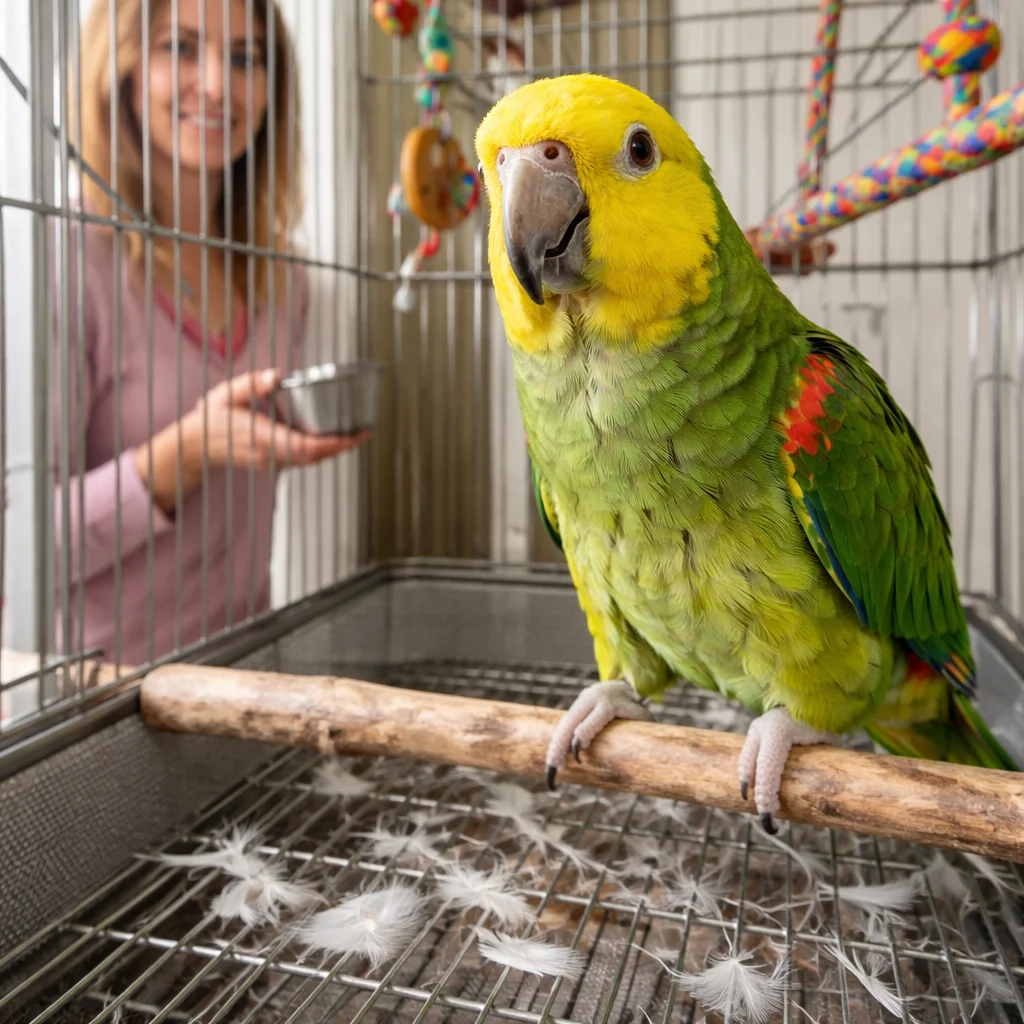
The startling sight of a floor covered in feathers is a common, yet profoundly alarming, experience for many bird owners, frequently triggering immediate concern for their pet’s health. This phenomenon, which can transform a meticulously maintained cage into what appears to be the aftermath of a pillow fight, often leads to an understandable wave of panic. Owners instinctively question whether their avian companion is engaging in destructive plucking behavior or if an underlying illness is manifesting through feather loss. However, before a rapid escalation to veterinary intervention, a nuanced understanding of avian feather dynamics—often termed "feather forensics"—is crucial. In the majority of instances, this seemingly dramatic event is a natural biological process: the bird is undergoing a healthy molt, shedding old plumage to facilitate the growth of new, vibrant feathers. While the bird may exhibit temporary irritability during this period, recognizing the distinct indicators of a healthy molt versus a pathological issue can provide immediate reassurance and guide appropriate action.
The Biological Imperative: Understanding Avian Molting
Molting is a fundamental biological process for birds, essential for maintaining flight efficiency, insulation, waterproofing, and overall health. Feathers, though vital, are non-living structures once fully formed and are subject to wear and tear from daily activities, exposure to elements, and preening. Consequently, they must be regularly replaced. This cyclical renewal is known as molting.
The Molting Process: A Chronology of Renewal
Typically, most adult birds undergo at least one complete molt annually, though some species may experience partial molts or more frequent cycles depending on their environment, age, reproductive status, and species-specific adaptations. The timing is often influenced by seasonal changes, aligning with periods of lower energetic demands, such as after breeding season or during times of abundant food resources. For instance, many wild birds molt in late summer or early autumn, ensuring a fresh coat of feathers for migration or the colder winter months. Pet birds, living in more stable indoor environments, may have less distinct seasonal molts, sometimes molting continuously or in less predictable patterns throughout the year.
The process is generally gradual and symmetrical. Birds do not typically shed all their feathers at once, as this would compromise their ability to fly and regulate body temperature, critical for survival. Instead, feathers are lost in a methodical pattern, often starting with primary flight feathers, then secondary flight feathers, followed by contour feathers on the body, and finally tail feathers. This staggered loss ensures that the bird retains sufficient flight capability and protection throughout the molt.
Phases of Feather Growth: Pin Feathers and Blood Feathers
As old feathers are shed, new ones emerge from the follicles. These nascent feathers, known as "pin feathers" or "blood feathers," are characterized by a waxy keratin sheath that protects the developing feather shaft. Inside this sheath, a live blood supply nourishes the growing feather. These blood feathers are delicate and vulnerable to injury. If a blood feather is broken, it can bleed profusely, necessitating immediate attention to prevent significant blood loss and potential infection. As the new feather matures, the blood supply recedes, and the keratin sheath flakes off, often appearing as white, dusty dander around the bird, revealing the fully formed feather beneath. This entire process, from initial shedding to full feather growth, can take several weeks to months, during which the bird may appear disheveled, exhibit reduced energy, and show increased irritability dueating to the discomfort of new feather growth.
The Diagnostic Challenge: Molt vs. Plucking
Distinguishing between a natural molt and feather destructive behavior (FDB), commonly referred to as plucking, is paramount for a bird’s welfare. While both result in feather loss, their underlying causes and implications are vastly different.
The 10-Second "Shaft Test": A Crucial First Indicator
Upon discovering shed feathers, the most immediate and informative diagnostic step is the "Shaft Test." This simple examination of the fallen feather’s quill—the calamus, or the part that was embedded in the skin—can quickly indicate the nature of its detachment.
- Indicators of a Healthy Molt: A feather shed during a natural molt will have a quill that is smooth, translucent, and typically pointed or rounded at its tip, appearing as though it has simply slid out of the follicle. There will be no signs of damage or trauma to the quill itself. The presence of white, powdery flakes (bird dander) alongside these feathers is also a strong indicator of molting, as this dander is the remnants of the waxy keratin sheaths from newly emerging feathers.
- Indicators of Plucking or Over-Preening: Conversely, a feather that has been plucked will often show signs of trauma. The quill may appear chewed, jagged, broken, or bent. In severe cases, the tip of the quill might be bloody or ragged, indicating that it was forcibly pulled from the follicle while still actively growing. If the feather shaft is broken mid-way, with the quill still embedded in the skin, it is a clear sign of self-mutilation rather than natural shedding.
Deeper Investigation: Biology Versus Behavior
Understanding the fundamental drivers behind feather loss is critical for effective intervention. Molting is a physiological necessity, whereas plucking is typically a behavioral or medical issue, often stemming from complex factors.
Biological Basis: The Mechanics of Molting
Molting is controlled by a complex interplay of hormones, primarily thyroid hormones, influenced by environmental cues such as photoperiod (daylight length) and temperature. Adequate nutrition, particularly sufficient protein, vitamins, and minerals (such as calcium and sulfur-containing amino acids), is vital for healthy feather production. A bird’s energy demands significantly increase during a molt, requiring additional metabolic resources to synthesize new keratin, the primary protein component of feathers.
Behavioral and Medical Basis: The Complexity of Plucking
Feather destructive behavior (FDB) is a multifactorial syndrome, notoriously challenging to diagnose and treat. It encompasses a range of behaviors from excessive preening and chewing of feathers to complete feather removal, skin mutilation, and even self-inflicted wounds.
Common Causes of Plucking:
-
Medical Conditions:
- Nutritional Deficiencies: Inadequate diet lacking essential amino acids, vitamins (especially A), or minerals can lead to poor feather quality, skin irritation, and a propensity for plucking.
- Skin Irritation/Allergies: Dry skin, bacterial, fungal, or parasitic infections (e.g., mites, giardia), or environmental allergens can cause intense itching, prompting the bird to excessively preen or pluck.
- Internal Diseases: Liver disease, kidney disease, certain cancers, or systemic infections can manifest externally through poor feather quality or skin discomfort.
- Toxins: Exposure to environmental toxins (e.g., heavy metals, smoke, cleaning products) can cause systemic illness and skin irritation.
- Pain: Localized pain from an injury, arthritis, or a mass can lead to a bird focusing on and plucking feathers around the painful area.
- Psittacine Beak and Feather Disease (PBFD): A highly contagious and fatal viral disease that specifically attacks feather follicles, the beak, and the immune system, leading to abnormal feather growth and loss.
-
Environmental and Psychological Factors:
- Boredom and Lack of Enrichment: Highly intelligent and social birds, particularly parrots, require significant mental stimulation and interaction. A barren cage, lack of toys, or insufficient owner attention can lead to boredom, frustration, and displacement behaviors like plucking.
- Stress and Anxiety: Changes in environment, new pets, household conflict, loneliness, perceived threats, or inconsistent routines can induce chronic stress, which birds may cope with by plucking.
- Lack of Sleep: Birds require 10-12 hours of uninterrupted darkness for proper rest. Insufficient sleep can lead to chronic stress and behavioral issues.
- Poor Husbandry: Inadequate humidity, stale air, or lack of bathing opportunities can contribute to dry, itchy skin, prompting excessive preening.
- Sexual Frustration: Hormonal surges, particularly during breeding season, can lead to intense frustration if a bird is housed alone without a mate or appropriate outlets for hormonal energy.
- Learned Behavior: Once initiated, plucking can become a compulsive, self-reinforcing habit, even if the original cause is removed. The act of plucking can release endorphins, providing a temporary sense of relief.
The Safety Check: Blood Feathers and Their Vulnerability
During both molting and, sometimes, in cases of plucking, "blood feathers" are a critical consideration. These new feathers, with their active blood supply, are highly sensitive. A broken blood feather can cause significant bleeding, which, if left unchecked, can be life-threatening for a small bird. Owners should be prepared to apply direct pressure to the bleeding quill with a clean cloth or gauze. In some cases, if the bleeding does not stop, the feather may need to be carefully removed by an avian veterinarian to seal the follicle. This procedure should only be performed by a professional to prevent further trauma or infection.
Advanced Diagnostic Techniques: Beyond the Initial Check
For a more comprehensive assessment, particularly when plucking is suspected, further investigative steps are essential.
1. The "Mist & Part" Test: This simple technique helps reveal the condition of the skin beneath the plumage. Lightly misting the bird with plain water or an avian-safe aloe vera spray dampens the feathers, allowing them to be gently parted. This reveals the underlying skin.
- Molting Indicator: The presence of numerous "spikes" or pin feathers pushing through the skin is a clear sign of active molting. The skin itself should appear healthy, without redness, irritation, or abrasions.
- Plucking Indicator: Bare patches of skin, especially if red, inflamed, scabbed, or scratched, strongly suggest plucking or other skin-related issues. The absence of new pin feathers in bare areas further points towards non-molting feather loss.
2. The "Hot Spot" Species Check: Behavioral plucking often follows predictable patterns depending on the bird species, guided by where the bird can most easily reach with its beak or feet.
| Species | Common Plucking "Hot Spots"

