


For individuals contemplating the addition of a Nanday Conure to their household, the allure of these charismatic South American parrots is undeniable. Known for their striking appearance, playful demeanor, and remarkable intelligence, Nanday Conures can indeed forge profound bonds with their human companions. However, prospective owners must approach this decision with a clear understanding of the significant commitment involved, particularly concerning the species’ propensity for producing exceptionally loud vocalizations. This comprehensive guide delves into every facet of the Nanday Conure, from its taxonomic classification and natural habitat to its specific care requirements in captivity, temperament, and the critical implications of its often-underestimated noise level.
Species Profile: The Enigmatic Black-Hooded Conure
The Nanday Conure, scientifically designated Aratinga nenday, is a medium-sized parrot belonging to the Aratinga genus, which includes other popular conure species such as the Sun and Jenday Conures. Historically, it was classified within its own genus, Nandayus nenday. However, a pivotal study published in 2004, leveraging molecular phylogenetic analysis, concluded that Nandayus nenday did not warrant a distinct genus and was reclassified into Aratinga, affirming its close genetic ties to its vibrant cousins. This reclassification underscored a deeper evolutionary understanding of the Aratinga parakeets, particularly within the "solstitialis" group.
Distinctive Appearance:
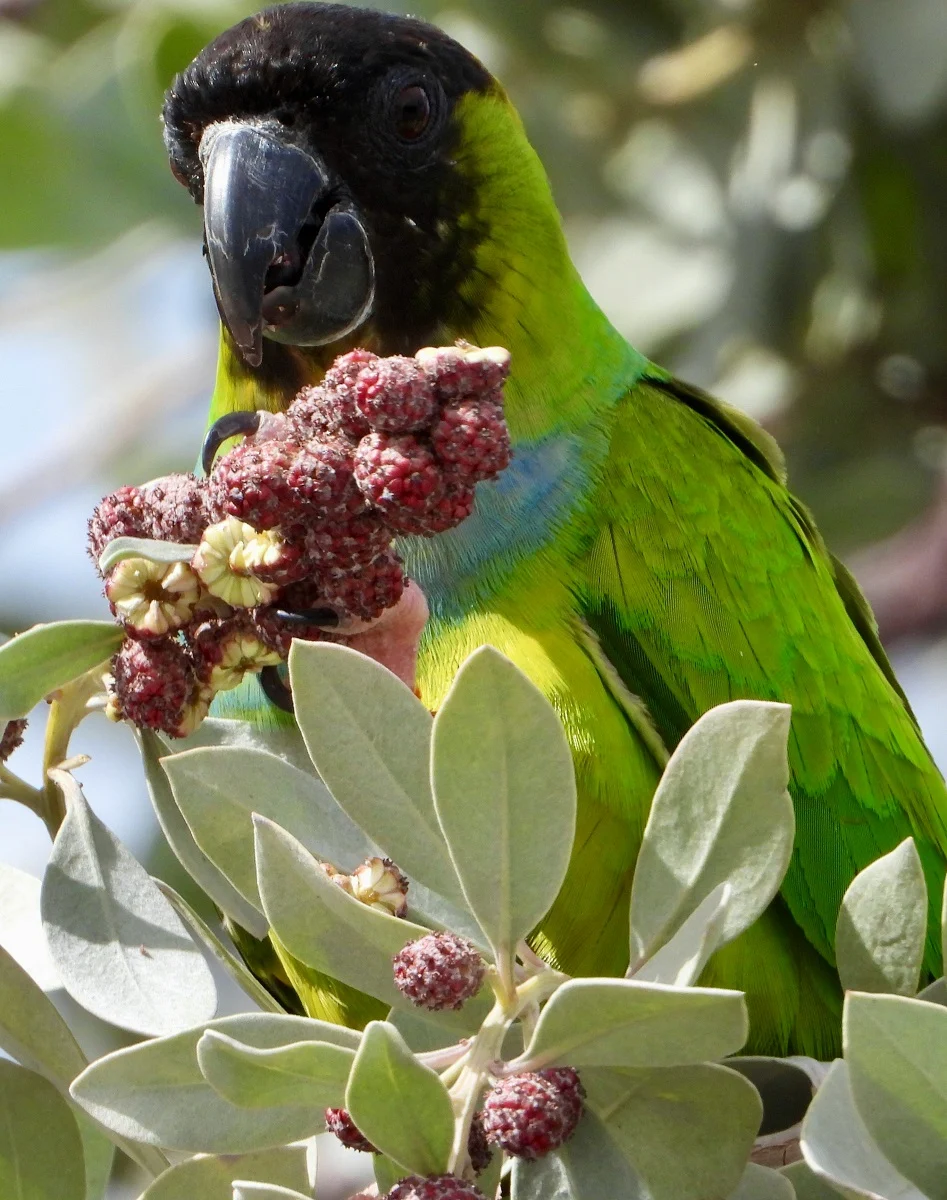
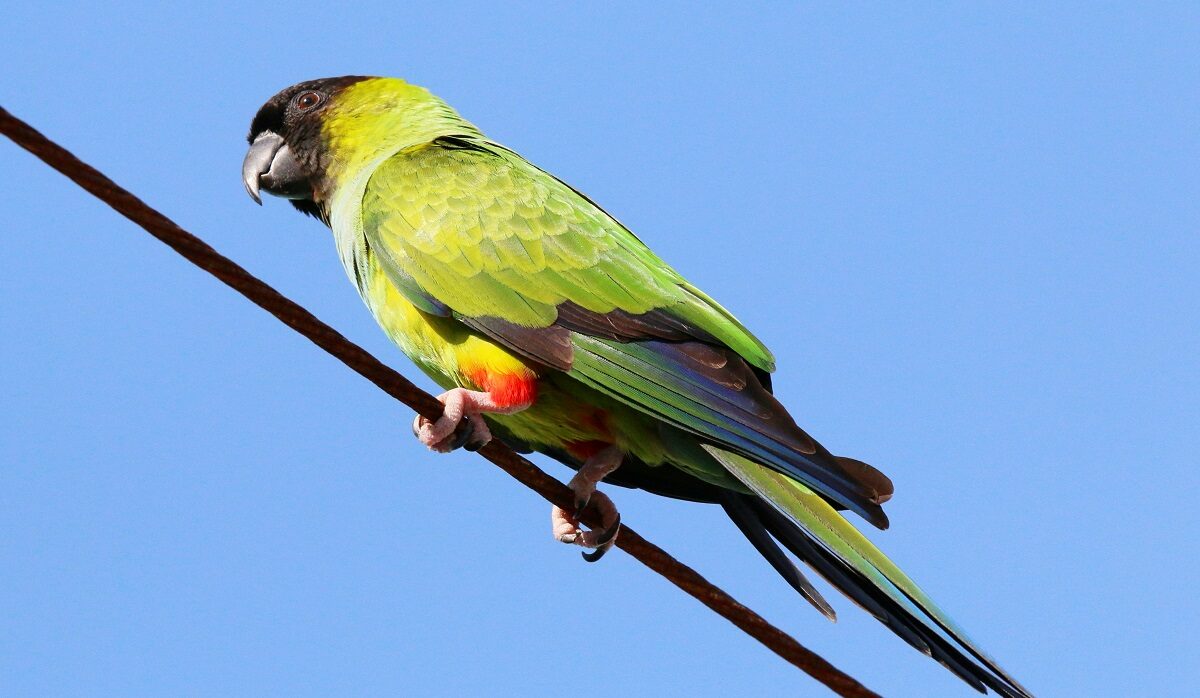
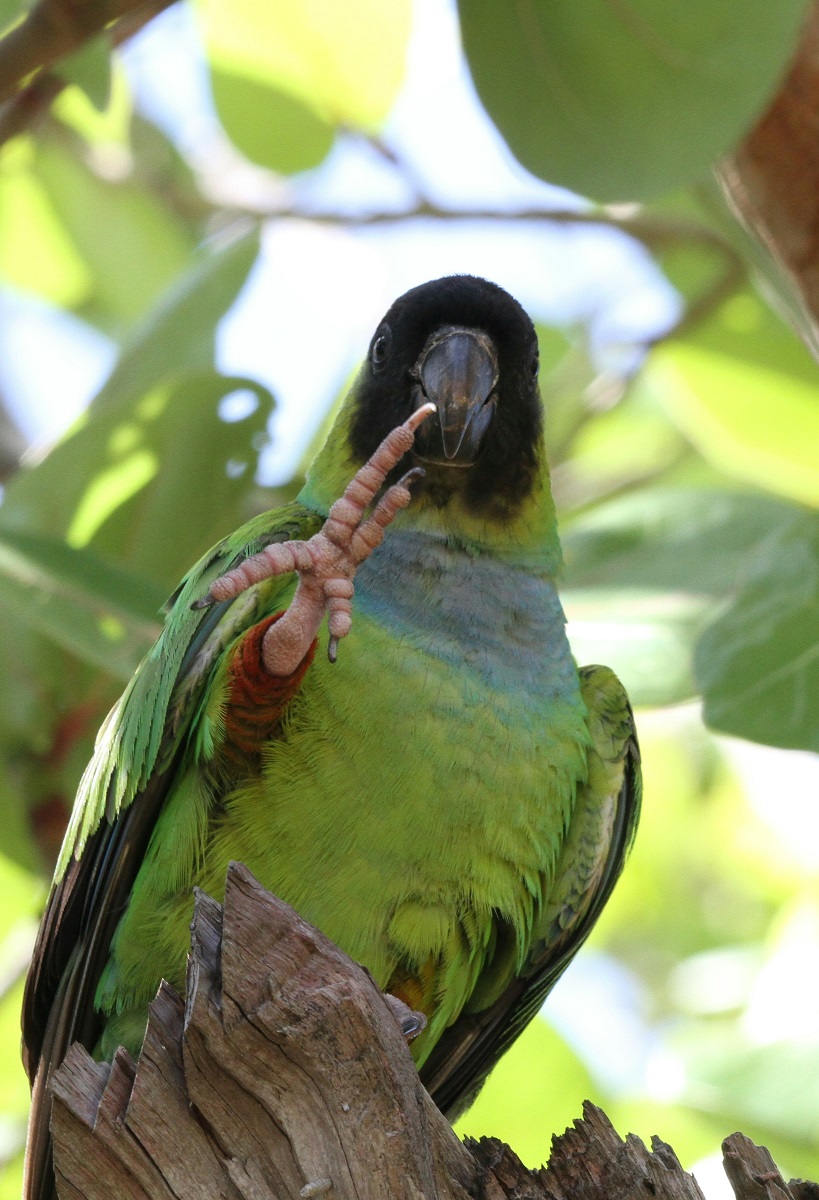
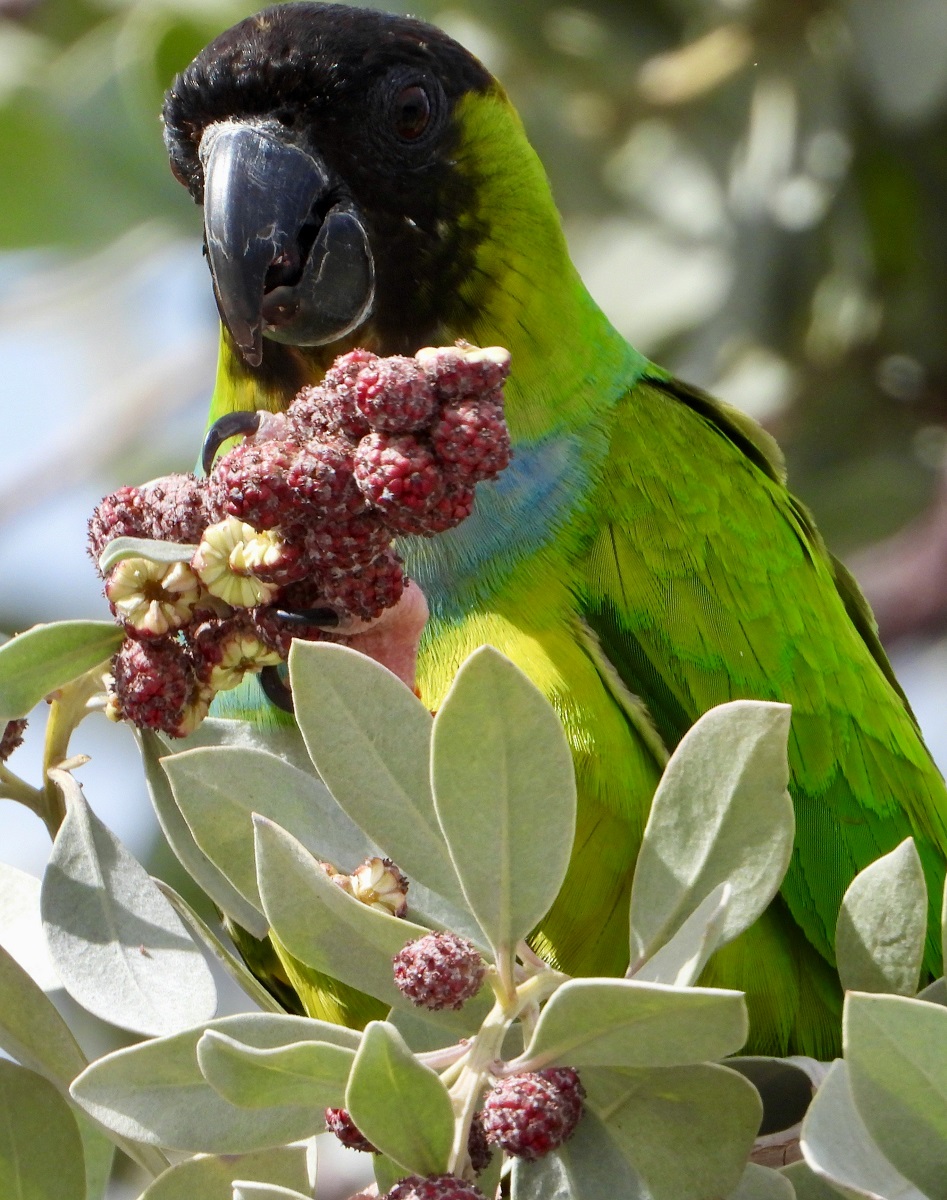
The common name "black-hooded conure" aptly describes this species’ most striking feature: a stark, velvety black head that contrasts sharply with its otherwise brilliant green body plumage. This "hood" extends down to the upper chest, often framed by a subtle hint of brown feathers around the neck. Beyond this prominent black cap, the Nanday Conure boasts a sturdy black beak, piercing white eye rings that accentuate its intelligent gaze, and a chest adorned with blue-green feathers that gradually transition to the vibrant green of its back and wings. Perhaps one of its most charming, albeit less immediately obvious, features are its bright red thighs, which add a surprising splash of color visible when the bird is in flight or actively moving. With an adult size reaching up to 12 inches (30 cm) in length and a weight of approximately 140 grams, the Nanday Conure presents a compact yet robust avian form.
Longevity and Life Commitment:
One of the most crucial considerations for any potential parrot owner is the animal’s lifespan. Nanday Conures are long-lived companions, capable of thriving for up to 30 years with appropriate care. This remarkable longevity means that owning a Nanday Conure is not merely a pet acquisition but a multi-decade commitment, often spanning a significant portion of an owner’s life. This long-term responsibility necessitates careful planning for their care, including provisions for potential changes in an owner’s lifestyle, housing, or financial situation over the decades.
Natural History and Habitat: Origins in South America’s Lowlands
The Nanday Conure’s natural range is concentrated within central South America, forming a distinct, narrow band that traverses Paraguay, extends into southern Brazil and eastern Bolivia, and reaches northern Argentina. This geographical distribution situates them predominantly in lowland areas, typically found at altitudes up to approximately 2,600 feet (800 meters).
Preferred Ecosystems:
In their native environment, Nanday Conures are highly adaptable, often inhabiting open lowlands that have undergone transformation due to human activity, such as former forests converted into cattle pastures. These landscapes are typically characterized by a mosaic of open grassy areas, scattered trees, and particularly, an abundance of palm trees. Palms play a vital role in their ecology, providing crucial nesting sites within their hollowed trunks or fronds. The habitats can vary from seasonally swampy wetlands to relatively dry savannas, showcasing the species’ resilience across diverse environmental conditions. Their ability to thrive in modified landscapes is a factor in their current conservation status, which paradoxically, has also contributed to their spread as an invasive species in other parts of the world.
Wild Diet and Ecological Role:
The diet of wild Nanday Conures is remarkably varied and opportunistic. They primarily subsist on wild fruits, with those from the Copernicia palm being a significant staple. Their foraging also includes a wide array of seeds, berries, flowers, and flower buds. This diverse dietary intake not only sustains the birds but also positions them as important ecological agents within their native ecosystems. A notable study from 2002 highlighted the Nanday Conure’s role as a pollinator for the vibrant flowering Erythrina dominguezii tree. By consuming nectar from its blossoms, the birds inadvertently facilitate the transfer of pollen, contributing to the tree’s reproductive cycle. Furthermore, like many other South American parrot species, Nanday Conures are observed visiting natural clay licks. This geophagy, or the consumption of soil, is believed to serve a crucial physiological purpose, aiding in the detoxification of secondary plant compounds present in their diet and providing essential micronutrients that may be scarce elsewhere.
Conservation Status and Global Impact: A Species of "Least Concern" and an Invasive Threat
According to the International Union for Conservation of Nature (IUCN) Red List, Aratinga nenday is currently classified as a species of "Least Concern." This designation reflects a stable, and in some regions, even increasing wild population. Ironically, this population growth is partly attributed to human activities, specifically habitat modifications such as deforestation for cattle pastures. While habitat alteration typically poses a threat to biodiversity, the Nanday Conure has demonstrated an unusual adaptability, thriving in these altered, more open landscapes.
The Invasive Species Phenomenon:
Despite their stable status in their native range, Nanday Conures present a significant conservation challenge in other parts of the world where they have become established as invasive species. This phenomenon is largely a consequence of the pet trade, where escaped or intentionally released individuals have successfully adapted to new environments, formed breeding populations, and established wild flocks. Notable populations thrive in various non-native locations, including parts of Spain, California, Florida, and other urban and suburban areas. Research indicates that the Nanday Conure ranks among the top three most prevalent naturalized parrot species in the United States, highlighting the extent of its invasive spread.
The implications of invasive parrot populations are multifaceted and often detrimental to local ecosystems. These introduced birds can compete with native species for vital resources such as food and nesting sites, potentially displacing indigenous bird populations. They can also act as vectors for diseases, transmitting pathogens to native wildlife or domestic poultry. Furthermore, large flocks of invasive conures can cause significant damage to agricultural crops and fruit orchards, leading to economic losses for farmers. The presence of these non-native parrots underscores a broader ethical dilemma associated with the exotic pet trade, emphasizing the importance of responsible pet ownership and stringent regulations to prevent further ecological disruptions.
Life in Captivity: Demands of a Nanday Conure Companion
Bringing a Nanday Conure into a domestic setting requires a thorough understanding of their specific needs, which extend beyond basic food and water to encompass their physical, mental, and social well-being.
Dietary Requirements for Pet Birds:
In captivity, the dietary needs of a Nanday Conure diverge somewhat from their wild counterparts, necessitating a carefully formulated diet to ensure optimal health and prevent common avian ailments. Avian veterinarians, including specialists like Dr. Daisy cited by Psittacology, widely advocate for a high-quality, nutritionally balanced pellet food as the cornerstone of a captive parrot’s diet. This recommendation stems from the understanding that traditional seed-based diets, once prevalent, are often deficient in essential vitamins and minerals and excessively high in fats, leading to malnutrition, obesity, and related health issues.
Supplementing the pellet base, a diverse array of fresh fruits and vegetables should be offered daily. Parrot-safe options include grapes, leafy greens such as kale and spinach, apples (seeds removed), bell peppers, broccoli, carrots, and various berries. These fresh produce items provide crucial vitamins, minerals, and antioxidants, mimicking the variety found in their wild diet. Occasional additions can include small amounts of sprouted seeds, cooked whole grains like brown rice or pasta (plain), and even a small piece of boiled egg for protein. Owners must also ensure constant access to clean, fresh water, ideally in multiple bowls to encourage hydration and bathing. A healthy, varied diet is paramount to maintaining a Nanday Conure’s vibrant plumage, robust immune system, and overall vitality, underscoring the importance of consulting a detailed parrot diet guide.
Housing and Environmental Safety:
Providing an appropriately sized and safe living environment is critical for a Nanday Conure’s welfare. While a full-sized aviary, ideally with a length of around 10 feet (3 meters), offers the best possible space for flight and exercise, it is often impractical for most homes. In such cases, the largest possible cage should be provided, with a minimum dimension of 30 x 24 x 24 inches (75 x 60 x 60 cm), though larger is always preferable. Critically, cage length is more important than height, as conures typically fly horizontally rather than vertically, requiring space to stretch their wings fully without impediment.
The interior of the cage should be thoughtfully furnished to promote physical and mental stimulation. A variety of natural wood perches of different diameters and textures should be included to prevent foot problems and provide opportunities for chewing. Platforms offer additional resting spots. Essential cage accessories include at least one food bowl for pellets, a separate bowl for fresh produce, and one or two sources of clean water.
Environmental safety within the home is equally crucial. Birds possess highly sensitive respiratory systems, making them vulnerable to airborne toxins. Owners must diligently avoid using aerosol sprays, burning scented candles, smoking, and using nonstick cookware (which can release toxic fumes when overheated) in proximity to their birds. These precautions, often referred to as "parrot-proofing" a space, are vital for preventing respiratory distress and other health emergencies. Regular cleaning of the cage and surrounding area is also essential to maintain a hygienic environment and prevent the buildup of bacteria and fungi.
Enrichment and Mental Stimulation:
Perhaps the most challenging aspect of Nanday Conure ownership is consistently meeting their profound need for mental and physical enrichment. These highly intelligent birds are prone to boredom, which can manifest in various detrimental behaviors, including obesity, aggression, depression, feather picking, and even self-mutilation.
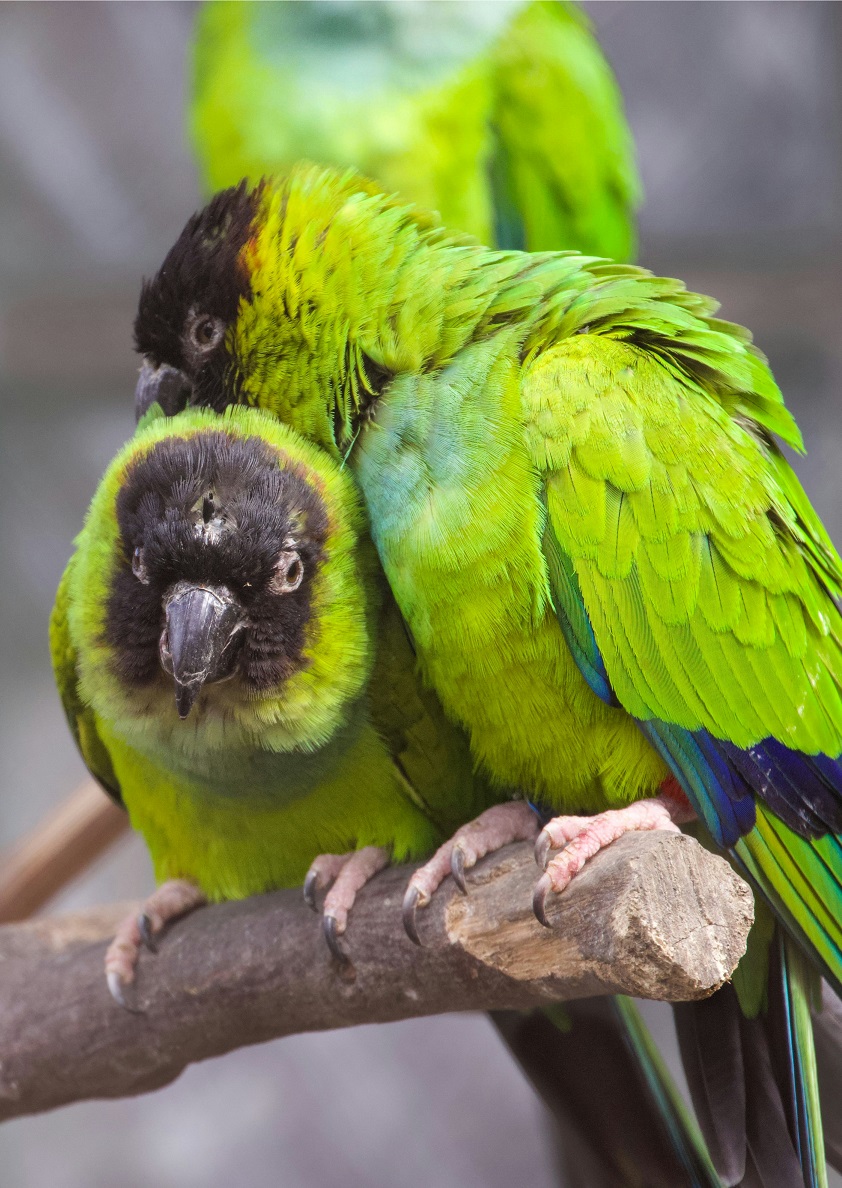
Socialization is Paramount: Nanday Conures are intensely social creatures, designed by nature to live in flocks and thrive on constant interaction. In a domestic setting, the human family becomes their surrogate flock. A lack of sufficient attention and social engagement can lead to profound stress and behavioral issues. Owners who work regular 9-to-5 jobs, leaving their bird alone for extended periods, might consider acquiring a second Nanday Conure to provide companionship. This can significantly mitigate loneliness and stress, though it does not negate the need for human interaction.
Diverse Enrichment Tools: Beyond social interaction, a varied array of conure-specific toys is indispensable. These should include shreddable toys made of natural materials, foraging toys that challenge the bird to "work" for its food, puzzle toys that require problem-solving, and sturdy chew toys to satisfy their natural urge to gnaw. Regular rotation of toys helps prevent boredom and keeps the bird engaged. Daily out-of-cage time is also vital, allowing the conure to explore a safe, supervised environment, exercise its wings, and interact with its human family. Training sessions, teaching simple tricks or verbal commands, provide excellent mental stimulation and strengthen the bond between bird and owner.
Emergency Preparedness: Given their curious and sometimes accident-prone nature, coupled with their physical fragility, every parrot owner should be familiar with basic parrot emergency care. Knowing how to identify signs of illness or injury and having an avian veterinarian’s contact information readily available can be life-saving.
Temperament: Friendly, Demanding, and Unmistakably Loud
Aratinga conures, including the Nanday, are generally cherished by parrot enthusiasts for their engaging and often affectionate temperaments. Compared to some other conure genera, such as Pyrrhura (which includes green-cheeked conures), a well-socialized Nanday Conure is typically less prone to nipping, making them a more approachable pet for many families.
Social Dynamics and Potential Challenges:
Most Nanday Conures exhibit an outgoing and highly social disposition, often accepting of new people and generally integrating well with an entire family. Their playful and curious nature makes them entertaining companions. However, this intense sociability can also translate into an overly needy demeanor. A Nanday Conure may develop "flock calls" that escalate into piercing screams when their owner leaves the room, seeking to re-establish contact. They can also exhibit jealousy towards perceived "competitors" for their owner’s attention, whether it be another family member, a different pet, or even an object. An ideal day for a Nanday Conure would likely involve a combination of engaging with noise-making toys, participating in talking training with their human family, enjoying extended head scratches and cuddles, and perhaps a comfortable nap on their owner’s shoulder.
The Unavoidable Noise Factor:
The most critical consideration for prospective Nanday Conure owners, and one that cannot be overstated, is their extraordinary capacity for noise. Aratinga conures are widely regarded as the loudest members of the conure family, and Nandays are no exception. The volume of their vocalizations can be astonishingly high, reaching levels that are not only disruptive but potentially harmful to human hearing.
According to Robin Deutsch’s 2009 book, Good Parrotkeeping, while a Macaw can scream at 105 decibels and a Moluccan Cockatoo at 135 decibels, the relatively smaller Nanday Conure has been recorded reaching an astounding 155 decibels. To put this in perspective, 155 decibels is equivalent to the noise produced by a jet engine at takeoff from a short distance or a shotgun blast. Prolonged exposure to such extreme noise levels can indeed cause permanent hearing damage.
Nanday Conures vocalize for various reasons. They are typically noisiest around dawn and dusk, which are natural flock calling times to greet the day or settle in for the night. Excitement, perceived threats, or simply the desire for attention can also trigger their piercing flock calls. Beyond these intense screams, they also produce a range of whistles, chirps, and may even imitate common household noises, though often in a highly amplified fashion.
For those seriously considering a Nanday Conure, it is absolutely imperative to experience their noise firsthand before making a commitment. Resources like xeno-canto, an online library of bird sounds, offer recordings of Aratinga nenday vocalizations. Even better, visiting a breeder or an owner of a Nanday Conure can provide a realistic impression of their volume in a home environment. The implications of this noise extend beyond the owner; neighbors, especially in apartment complexes or close-knit residential areas, may find it unbearable. This factor alone often determines whether a Nanday Conure is a suitable pet for a particular living situation.
Talking Ability:
While Nanday Conures are not renowned for their mimicry skills to the same extent as African Greys, many individuals do possess the capacity to pick up a considerable amount of what they hear around them. Owners should not expect complete sentences or extensive vocabularies, but it is common for Nandays to mimic short words, phrases, or their own names. They often produce recognizable "baby babble" while playing, attempting to articulate sounds they’ve heard. Encouraging this ability through simple repetition of words or whistling short tunes can be a rewarding experience, though success varies greatly from bird to bird, as not all Nandays are equally interested in imitating human speech.
Conclusion: A Significant and Rewarding Commitment
The Nanday Conure is an undeniably beautiful, intelligent, and affectionate parrot capable of bringing immense joy and companionship to the right home. However, prospective owners must approach this decision with a realistic understanding of the substantial, multi-decade commitment it entails. The species demands extensive social interaction, a meticulously balanced diet, a spacious and enriching environment, and a consistent dedication to their mental well-being. Above all, the Nanday Conure’s exceptional vocal prowess requires a significant tolerance for noise—a factor that often proves to be the ultimate determinant of whether this vibrant parrot is a suitable addition to a household. For those prepared for these challenges, the rewards of sharing life with a Nanday Conure can be profound, offering a unique and deeply bonded relationship with one of nature’s most boisterous and brilliant avian personalities.

