


The launch of a new specialized educational module on March 18, 2026, marks a significant advancement in the available resources for avian and exotic animal practitioners, focusing on the critical roles of foraging, environmental enrichment, and ultraviolet radiation in clinical health. Developed by M. Scott Echols, DVM, DABVP (Avian Practice), a recognized leader in the field of avian surgery and welfare, the "Foraging and Enrichment" webinar has officially received accreditation from the American Association of Veterinary State Boards (AAVSB) Registry of Approved Continuing Education (RACE) program. This approval grants one hour of continuing education (CE) credit to licensed veterinarians and veterinary technicians across multiple jurisdictions, addressing a growing demand for evidence-based behavioral and physiological management strategies in non-traditional pet species.
The curriculum arrives at a pivotal moment in veterinary medicine, as the industry shifts its focus from basic husbandry to the complex psychological and physiological needs of captive exotic animals. By integrating the science of light—specifically ultraviolet B (UVB) radiation—with cognitive enrichment through foraging, the module provides a holistic approach to preventing common domestic ailments such as feather-destructive behavior, obesity, and metabolic bone disease.
The Evolution of Enrichment and Foraging Standards
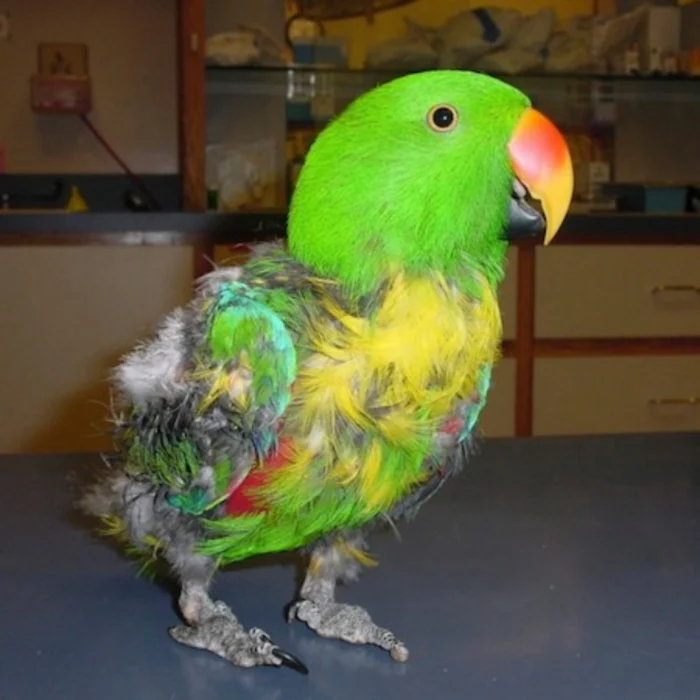
Historically, the care of avian and exotic patients was often limited to nutritional basics and the treatment of acute infections. However, longitudinal studies over the past decade have demonstrated that a lack of mental stimulation is a primary driver of chronic stress and physical illness in captive birds and reptiles. Dr. Echols’ module emphasizes that foraging is not merely an "extra" activity but a biological necessity. In the wild, many avian species spend up to 80% of their waking hours searching for, identifying, and processing food. In a captive environment where food is presented in a bowl, this biological drive remains unfulfilled, often leading to redirected behaviors such as self-mutilation or aggression.
The webinar details specific foraging strategies that can be implemented in a clinical setting to aid in the recovery of hospitalized patients and as a long-term wellness plan for healthy pets. These strategies range from simple physical barriers, such as wrapping food in paper, to complex puzzle feeders that require problem-solving skills. The data suggests that providing "work-to-eat" opportunities significantly lowers cortisol levels in parrots and improves overall immune function.
The Physiological Impact of Ultraviolet Radiation and UVB
A standout component of the new educational content is its focus on the technical aspects of light and radiation. While "enrichment" is often associated with toys and puzzles, the module argues that the physical environment—specifically the light spectrum—is a form of physiological enrichment. The inclusion of keywords such as "radiation," "ultraviolet," and "UVB" indicates a deep dive into the biochemical pathways activated by light.
UVB radiation is essential for the synthesis of Vitamin D3 in the skin of birds and reptiles, which in turn facilitates the absorption of calcium. Without adequate UVB exposure, these animals are at a high risk for hypocalcemia and metabolic bone disease (MBD), conditions that remain among the most frequent reasons for veterinary intervention in exotic practice. Dr. Echols provides practitioners with a framework for evaluating lighting systems, distinguishing between the various intensities of radiation and their safety profiles. This technical knowledge allows veterinarians to prescribe specific lighting "dosages" tailored to the species’ natural habitat, whether they are canopy-dwelling birds or ground-dwelling desert reptiles.
Accreditation and the AAVSB RACE Framework
The accreditation by the AAVSB RACE program is a crucial validation of the module’s scientific rigor. For a program to be RACE-approved, it must undergo a stringent review process to ensure that the content is current, accurate, and free from commercial bias. This accreditation is vital for veterinary professionals who are required by their state boards to complete a specific number of CE hours annually to maintain their licensure.
The 2026 approval of this webinar reflects the AAVSB’s recognition of avian behavior as a core competency in modern veterinary practice. By offering one hour of credit, the program encourages general practitioners—who may see the occasional bird or exotic pet—to upgrade their knowledge base to meet modern standards of care. The structure of the course, which includes a post-test with a three-attempt limit, ensures that the participants have genuinely mastered the material before receiving their certification.
Chronology of Development and Industry Context
The release of this module follows several years of increased research into the "One Welfare" concept, which links animal welfare to human well-being and environmental health.
- 2023–2024: Initial studies were published highlighting the correlation between full-spectrum lighting and reduced stereotypical behaviors in captive Psittaciformes (parrots).
- 2025: Dr. Echols and a team of researchers began synthesizing these findings into a clinical format suitable for veterinary practitioners, moving away from purely academic papers to actionable medical protocols.
- Early 2026: The curriculum was submitted to the AAVSB for review.
- March 18, 2026: Official launch and approval of the webinar on the LafeberVet platform.
This timeline demonstrates a rapid transition from laboratory research to clinical education, a necessity in a field where pet ownership of exotic species continues to rise globally. As more households adopt birds, reptiles, and small mammals, the veterinary community has been tasked with closing the "knowledge gap" that often exists between traditional canine/feline medicine and exotic animal science.
Supporting Data on Avian and Exotic Health
Recent industry data underscores the necessity of the topics covered in Dr. Echols’ webinar. According to the 2025-2026 National Pet Owners Survey, bird ownership has seen a 12% increase since 2020, yet avian-specific veterinary visits remain lower than those for traditional pets, often because owners do not recognize the signs of environmental stress until the animal is in a state of crisis.
Furthermore, clinical data from leading exotic animal hospitals indicates that:
- Behavioral Issues: Over 40% of avian consultations involve some form of behavioral distress, including feather picking and excessive vocalization.
- Nutritional Secondary Hyperparathyroidism: This condition, often caused by a lack of UVB and improper diet, remains a top-five diagnosis for captive lizards and turtles.
- Obesity: Captive birds are prone to hepatic lipidosis (fatty liver disease) due to high-calorie diets and sedentary lifestyles; enrichment-based foraging is cited as the primary non-pharmaceutical intervention to increase physical activity.
By addressing these issues through a single-hour CE module, the program provides a high-density learning experience that addresses the most pressing health challenges in the exotic animal sector.
Professional Responses and Broader Implications
The response from the veterinary community has been largely positive, with many practitioners noting the benefit of having a board-certified avian specialist like Dr. Echols lead the instruction. "The integration of light physics with behavioral science is often overlooked in general practice," noted one veterinary technician who participated in the early rollout. "Understanding the ‘why’ behind UVB and foraging helps us better communicate the ‘how’ to pet owners who may be skeptical about the cost of specialized equipment."
The broader implications of this educational initiative extend beyond the clinic. As veterinarians become better equipped to educate owners on enrichment, the overall standard of welfare for captive animals is expected to rise. This has a "trickle-down" effect on the pet industry, influencing manufacturers to produce better lighting and more scientifically sound foraging toys.
Furthermore, the availability of this course in multiple languages—including French and Spanish—highlights the global nature of the veterinary profession. Exotic pet ownership is not confined to North America, and by providing RACE-approved content to a global audience, the program helps standardize avian and exotic care on an international scale.
Analysis of Future Trends in Veterinary Continuing Education
The "Foraging and Enrichment" webinar represents a broader trend in veterinary CE: the move toward specialized, niche modules that can be completed remotely. In a post-pandemic professional world, the convenience of digital webinars allows for the rapid dissemination of new scientific findings.
Looking forward, it is anticipated that more CE modules will follow this "integrated" approach—combining physical health (like radiation and metabolism) with mental health (like foraging and cognitive tasks). This holistic view reflects a maturing of the veterinary profession, acknowledging that the health of an animal cannot be separated from its environment or its mental state.
As practitioners continue to log in to platforms like LafeberVet to fulfill their RACE requirements, the focus will likely remain on evidence-based strategies that improve the quality of life for the patient while providing practical, implementable advice for the owner. Dr. M. Scott Echols’ contribution on March 18, 2026, serves as a cornerstone for this ongoing educational evolution, ensuring that the next generation of veterinary professionals is as skilled in behavioral enrichment as they are in clinical medicine.

