


For many avian enthusiasts, the subtle behaviors of a companion parrot are the primary indicator of its overall well-being. Among these behaviors, the act of closing one eye is frequently misinterpreted by owners as a simple sign of fatigue or contentment. While it is true that birds may occasionally rest with one eye shut in a secure environment, persistent or repetitive one-eye closure in an awake, alert bird is a critical clinical sign that often points to underlying physical discomfort, injury, or illness. Because birds are prey species—evolutionarily programmed to mask signs of weakness to avoid predators—by the time an owner notices a recurring physical symptom like eye closure, the condition may have already reached a stage requiring medical intervention.
The Physiology of Avian Eye Health and Behavioral Indicators
To understand why a bird closes one eye, one must first consider the anatomy of the avian eye and its proximity to the respiratory system. Unlike mammals, birds possess highly developed ocular structures that are directly linked to the sinus cavities. Because of this anatomical proximity, infections or inflammatory processes in the upper respiratory tract frequently manifest as ocular symptoms. When a bird experiences irritation, it will instinctively close the affected eye to protect the sensitive cornea and conjunctiva from further stimulus.
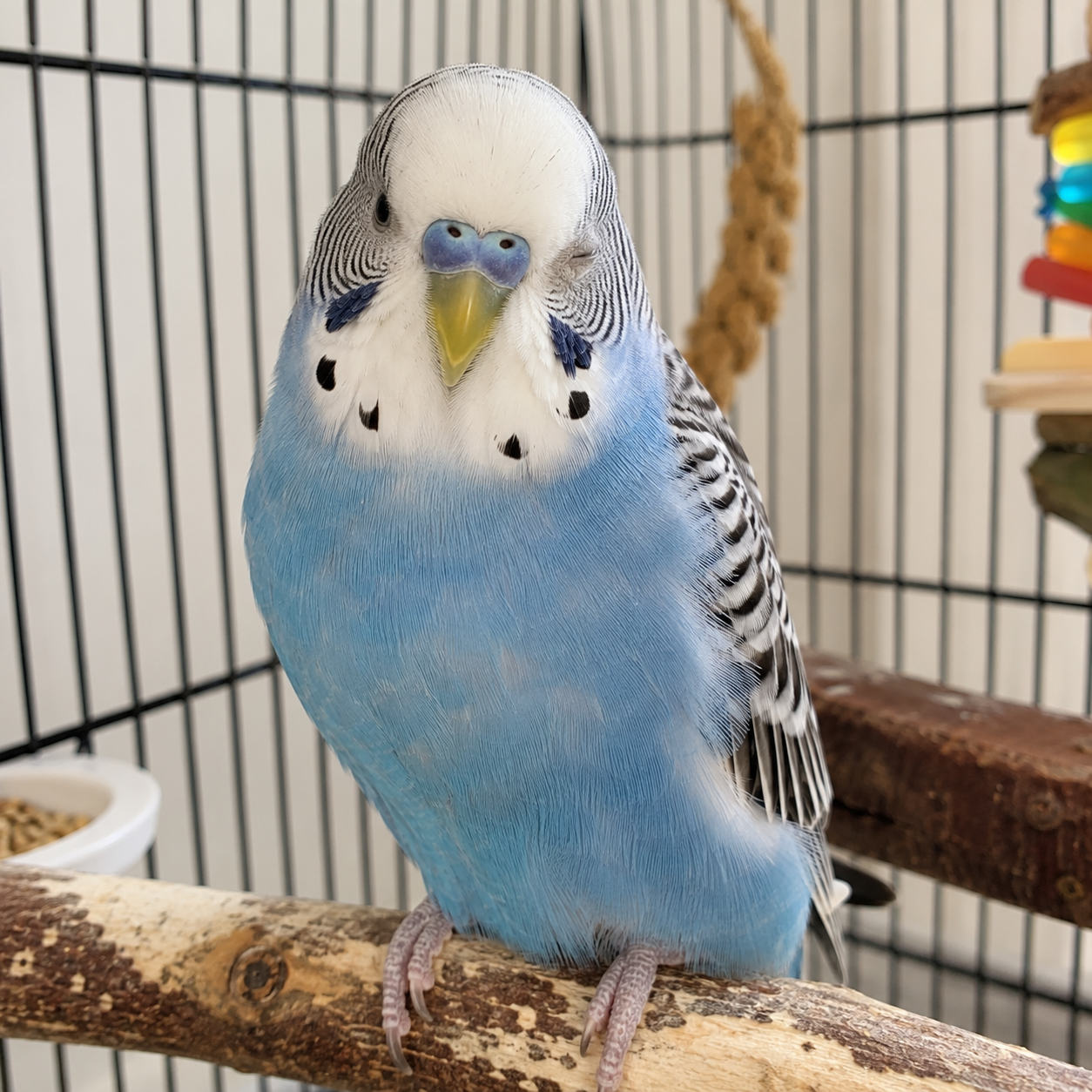
Clinical data suggests that unilateral eye closure (closing only one eye) is a localized symptom, whereas bilateral closure (closing both eyes) is often a systemic indicator of pain or weakness. A bird that keeps one eye closed while awake is essentially signaling that it is in pain. This is not a behavior to be monitored passively for long periods; rather, it is a call for an immediate assessment of the environment and the bird’s physical condition.
Distinguishing Normal Rest from Clinical Distress
In a healthy, relaxed state, a bird may close one eye as it drifts into a light sleep or enters a state of deep relaxation. This is a normal part of the avian behavioral repertoire. During these periods, the bird remains responsive to its surroundings; if startled or alerted, both eyes should open fully and symmetrically. The feathers should remain sleek, and the bird should show no signs of lethargy, head shaking, or discharge.
Conversely, clinical distress is characterized by a lack of reactivity. If a bird keeps the same eye closed while awake, is rubbing that eye against a perch or its wing, or exhibits a change in its typical activity level, the situation has moved beyond normal rest. The progression of these symptoms often follows a specific timeline:
- Initial Phase: Occasional blinking or fleeting closure of one eye.
- Intermediate Phase: Repeated, persistent closure of the same eye during active hours, accompanied by subtle swelling or redness.
- Advanced Phase: Visible discharge (clear, cloudy, or yellow), crusting around the eye, respiratory distress (sneezing, tail bobbing), or systemic weakness characterized by a refusal to eat.
Common Etiologies: From Irritants to Infection
The causes of one-eye closure are multifaceted, ranging from minor environmental factors to severe systemic disease. Environmental irritants are perhaps the most common, yet often overlooked, culprits. Household hazards such as aerosolized cleaning products, scented candles, non-stick cookware fumes, or excessive dust from air filtration systems can cause acute conjunctivitis.
Physical trauma is another primary concern. Because birds are active and occasionally clumsy, they are prone to corneal abrasions. A bird may strike a toy, a cage bar, or a window, leading to a scratch on the surface of the eye. Such injuries are excruciatingly painful and can quickly lead to secondary bacterial or fungal infections if not treated with appropriate ophthalmic medications prescribed by an avian specialist.
Furthermore, sinus-related issues are significant drivers of ocular discomfort. A bird’s paranasal sinuses are extensive and wrap around the eye socket. When these sinuses become inflamed due to malnutrition—specifically a deficiency in Vitamin A—or respiratory pathogens, the resulting pressure pushes against the eye. This creates a "puffy" appearance that the owner might mistake for a primary eye infection, when in reality, the root cause is located within the respiratory tract.
The Role of Nutritional Status in Ocular Health
Veterinary research has consistently highlighted the link between a seed-heavy diet and a compromised immune system in psittacine species. Birds fed exclusively on seeds often lack the necessary carotenoids and vitamins required to maintain the epithelial tissues lining the respiratory and ocular systems. When these tissues become thin and fragile, they are significantly more susceptible to bacterial invasion.
While nutritional supplementation, such as the introduction of red palm oil (rich in beta-carotene) or targeted avian multivitamins, can help restore health over time, it is critical to emphasize that these are not cures for active eye disease. A bird presenting with a closed eye must first be stabilized and diagnosed by a veterinarian. Nutritional support serves as a preventative measure to bolster the bird’s systemic health, not as a replacement for antibiotic or anti-inflammatory treatment.
Protocols for Owners: What to Do and What to Avoid
When an owner detects that their bird is keeping one eye closed, the immediate response should be one of calm, methodical observation. The first step is to document the behavior. Taking a clear, well-lit photograph of both eyes for comparison is invaluable for a veterinarian. Additionally, recording a short video can help the clinician observe the bird’s posture, breathing, and the frequency of the closure, which may be difficult to replicate during a stressful office visit.

Owners are strongly cautioned against the use of home remedies. Applying human eye drops, especially those designed to "get the red out," can be catastrophic. Many of these contain vasoconstrictors that can mask symptoms or cause further damage to the delicate ocular tissues of a bird. Similarly, attempting to rinse the eye with tap water or using tweezers to remove suspected debris can cause severe trauma. The only safe, immediate action an owner can take is to provide a stress-free, quiet environment and contact an avian veterinarian.
The Broader Implications of Clinical Neglect
The failure to address ocular issues in birds can lead to permanent impairment. The avian eye is complex, and conditions like cataracts, uveitis, or corneal ulcers can lead to permanent blindness if left untreated. Moreover, because the eyes are so closely linked to the brain and the respiratory system, an infection that begins in the eye can quickly spread, leading to a life-threatening systemic crisis.
The veterinary community emphasizes that "wait and see" is not a viable strategy for avian eye problems. Given the high metabolic rate of birds and their tendency to hide illness, a condition that appears minor in the morning can escalate to an emergency by evening. Professional diagnostic tools, including specialized ophthalmic stains, cytology, and imaging, are essential to determine whether the eye closure is due to a simple scratch, a viral infection, or an underlying systemic disease.
Summary of Best Practices for Avian Care
For those who share their homes with birds, vigilance is the price of companionship. By maintaining a clean environment free of respiratory irritants, providing a balanced diet that supports epithelial integrity, and establishing a relationship with a qualified avian veterinarian before an emergency occurs, owners can significantly reduce the risks of chronic eye issues.
Should you notice your bird persistently closing one eye, do not assume it is tired. Document the symptoms, assess the bird’s overall energy levels, and seek professional medical guidance. Early intervention is the most effective way to ensure that your avian companion maintains not only its vision but its overall quality of life. By understanding the intersection of anatomy, nutrition, and environment, owners can act as the first line of defense in the complex health landscape of their companion birds.

