


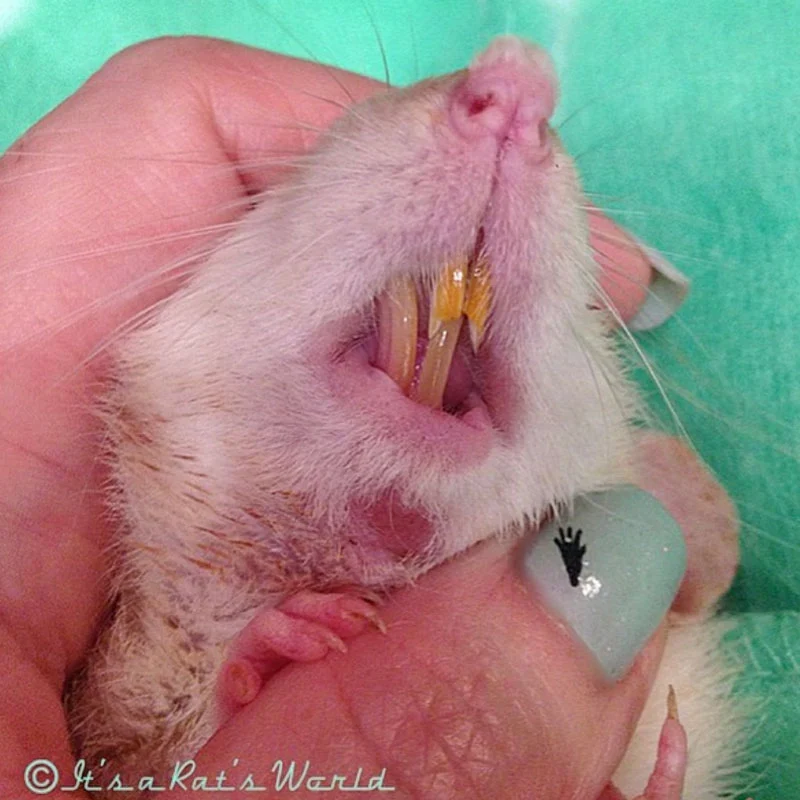
The intricate anatomy of a rat’s mouth, particularly its continuously growing incisors, plays a pivotal role in its survival and well-being. These unique dental features, shared by all rodents, are essential for gnawing, grooming, and foraging, but they also present potential health challenges if not properly managed. Understanding the biology of rat teeth, common misconceptions, and the dangers of malocclusion is crucial for pet owners and anyone interested in the health of these ubiquitous creatures.
The Uniqueness of Rodent Dentition
Unlike many mammals, which possess a fixed set of adult teeth, rodents, including rats, are characterized by their continuously growing incisors. This phenomenon, known as open-rooted dentition, ensures that their front teeth, used for gnawing, never stop growing throughout their lives. This remarkable adaptation allows rats to tackle a wide array of food sources and materials, from tough seeds and grains to the very structures they inhabit. However, this perpetual growth also necessitates a natural wear process to prevent overgrowth.
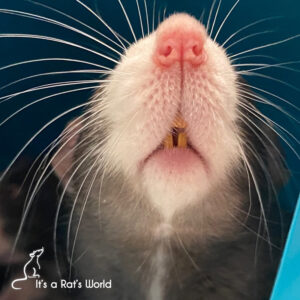
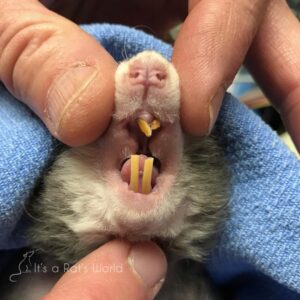
Rats have two primary types of teeth: incisors and molars. They possess a total of 16 teeth, with the four incisors erupting first around 8-9 days of age, followed by molars starting to emerge around day 19 and fully in by 35-40 days. These incisors are not the pearly white seen in many other animals. Healthy adult rat incisors typically display a vibrant orangey-yellow hue on the top set, with the bottom incisors being a lighter yellow. A notable shift to a lighter or white color can signal an underlying health issue, warranting veterinary attention.
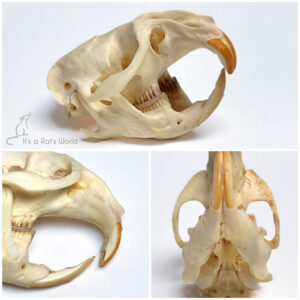
The structure of rat incisors is particularly fascinating. The front surface is covered with hard, durable enamel, while the back is composed of softer dentin. This differential hardness allows for efficient self-sharpening and wear through gnawing. Furthermore, rats possess a unique anatomical feature: their lower jaw is comprised of two independent bones that meet at a flexible joint. This allows the bottom incisors to separate and rotate slightly, aiding in the precise gnawing and sharpening process. This specialized jaw structure, coupled with powerful jaw muscles that extend behind the eye sockets, is also responsible for the phenomenon known as "eye boggling," where a rat’s eyes vibrate during intense gnawing or bruxing, a display often interpreted as a sign of contentment or relaxation.
Debunking Common Myths About Rat Teeth
Despite their prevalence, rats are often subject to misinformation regarding their dental health. Two persistent myths deserve particular attention.
Myth 1: Rats must be fed hard foods or given chew toys to maintain dental health.
This long-standing belief, often perpetuated by pet owners and enthusiasts, is largely unfounded. Rats have evolved highly effective natural mechanisms for wearing down their incisors. Their jaws are specifically designed for gnawing, and as long as their teeth are healthy and properly aligned, they do not require external interventions to keep them at an appropriate length. The inherent gnawing behavior, facilitated by their specialized teeth and jaw structure, is sufficient for maintaining dental health. While providing safe chew items can be enriching for rats, it is not a necessity for preventing overgrowth if their dentition is otherwise healthy.
Myth 2: Rats can chew through anything, including steel.
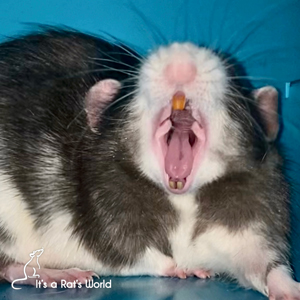
While rats possess formidable gnawing capabilities, capable of breaking through materials like brick, aluminum, cement, and drywall, the notion that they can chew through steel is a significant exaggeration. Their teeth, while sharp and strong, are not equipped to penetrate such a resilient metal. This myth likely stems from their remarkable ability to chew through a variety of tough substances, leading to an inflated perception of their dental power.
The Dangers of Malocclusion
The most significant dental health concern for rats is malocclusion, a condition where the upper and lower incisors become misaligned. This misalignment disrupts the natural wear process, leading to a cascade of potentially life-threatening problems. Malocclusion can arise from several factors:
- Trauma: Falls, accidents, or being stepped on can cause jaw misalignment or even fracture an incisor. If one incisor is damaged, the opposing teeth may not wear down evenly, leading to disproportionate growth.
- Infections and Growths: Mouth abscesses, cysts, or tumors near the jaw can alter the alignment of the teeth. Conversely, malocclusion itself can sometimes lead to the development of abscesses as teeth impinge on gum tissue.
- Genetics: Some rats are genetically predisposed to developing malocclusion. In these cases, the condition is largely unavoidable, and management focuses on treatment.
The consequences of untreated malocclusion can be severe. Overgrown incisors, if left unchecked, can curl inwards, puncture the roof of the mouth, or grow into the gums. This can lead to excruciating pain, infection, difficulty eating, starvation, and ultimately, death. Even if the teeth do not puncture the mouth, severely overgrown incisors can prevent a rat from properly grasping and consuming food.

Conversely, malocclusion can also result in the upper incisors being worn down excessively by misaligned lower incisors, leaving them as short, uneven stumps. This can hinder the rat’s ability to gnaw effectively, further exacerbating the problem and potentially preventing the lower incisors from wearing down adequately.
Minimizing the Risk and Recognizing Early Signs
While malocclusion cannot always be prevented, proactive measures can help minimize the risk and facilitate early detection.
- Safe Environment: Preventing falls and injuries is paramount. This includes avoiding free-ranging rats in unsecured areas, ensuring they are not left unattended on high surfaces like tables or beds, and providing a safe enclosure that prevents escape into hazardous environments.
- Dietary Considerations: While specific "chew toys" are not essential for preventing overgrowth, a balanced diet that includes some harder kibble can contribute to general oral health. However, the primary focus should be on a nutritious diet that supports overall well-being.
- Regular Monitoring: Owners should conduct regular visual examinations of their rat’s mouth, ideally weekly or bi-weekly. Signs to watch for include:
- Changes in eating habits, such as reduced food intake, refusal of favorite treats, or difficulty chewing.
- Drooling or wetness around the mouth.
- Rubbing the face or sides of the mouth against objects.
- Visible sores, gum irritation, redness, or signs of infection within the mouth.
- Uneven incisor length, or incisors that appear to be worn into a point or at an unusual angle.
- Cracks, chips, or breaks in the incisors.
Early detection is critical. If any of these signs are observed, prompt consultation with a veterinarian experienced in exotic animal care is essential.

The Necessity and Challenges of Teeth Trimming
When malocclusion is diagnosed, teeth trimming often becomes a necessary intervention. This procedure is typically performed by a veterinarian using specialized tools like a Dremel or clippers. Due to the often anxious nature of rats, light anesthesia may be required to ensure the safety of both the animal and the veterinarian.
In some instances, a veterinarian may guide owners on how to perform trimming at home. However, this is a challenging task that requires significant skill, patience, and often, assistance. Rats can be highly uncooperative during such procedures, thrashing and struggling, which increases the risk of accidental injury to the rat. The stress associated with home trimming can outweigh its benefits for many owners.
The frequency of trimming can vary. Some rats may only require a few sessions to help realign their teeth and restore normal wear patterns. However, for many rats with malocclusion, lifelong, regular trimming is necessary. It is important to note that trimming teeth can paradoxically accelerate their growth rate. What might start as monthly trims can escalate to bi-weekly or even weekly sessions as the condition progresses. This necessitates a commitment from the owner to manage the ongoing dental needs of their pet.
Preparing for Rat Dental Care
The journey of managing dental issues in rats, particularly malocclusion, can be demanding. Owners must be prepared for the possibility of ongoing veterinary care and potential home-care responsibilities. While the exact cause of malocclusion can sometimes remain elusive, understanding the potential contributing factors and recognizing the signs empowers owners to act swiftly.
The intricate and specialized nature of rat incisors underscores their vital role in the animal’s survival. By dispelling myths, understanding the risks, and being vigilant in monitoring their pets’ oral health, owners can significantly contribute to the well-being and longevity of their rat companions. The world of rat dentistry, though complex, is an essential aspect of responsible pet ownership, ensuring these fascinating creatures can continue to gnaw, explore, and thrive.

