


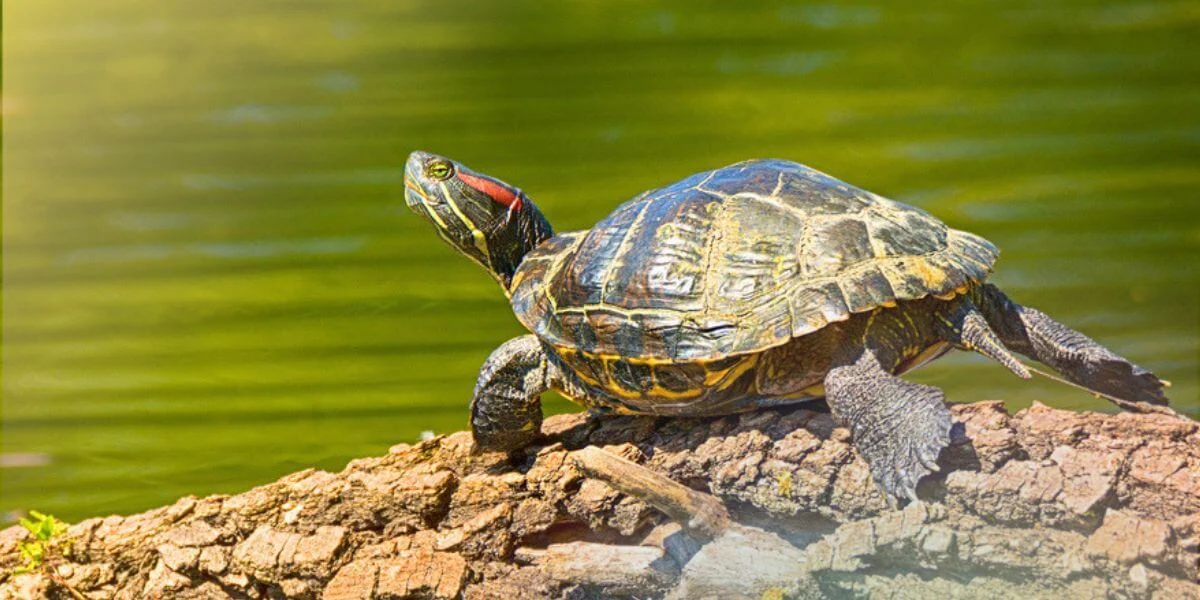
PetSmart, the largest specialty pet retailer in North America, has officially announced a significant shift in its livestock procurement and sales policy, confirming the permanent cessation of sales for several live animal species, including turtles, tortoises, Cuban false chameleons, Bahamian anoles, and red claw crabs. This decision comes in the wake of a series of intensive undercover investigations conducted by People for the Ethical Treatment of Animals (PETA), which documented systemic issues regarding the welfare, housing, and transport of these animals within the corporate supply chain. The move represents one of the most substantial policy changes in the company’s history regarding the sale of reptiles and amphibians, signaling a potential shift in how big-box retail outlets manage the complexities of exotic animal husbandry.
The policy change, which was confirmed in April 2026, follows years of mounting pressure from animal rights organizations and a series of whistle-blower reports detailing the high mortality rates and specialized care requirements of the species in question. While PetSmart has long positioned itself as a provider of "pet parent" essentials, the logistical challenges of maintaining health standards for long-lived and biologically sensitive species like tortoises have frequently put the company at odds with animal welfare advocates.
The Catalyst for Change: A History of Investigative Findings
The decision to delist these species did not occur in a vacuum but was the culmination of multiple PETA investigations into PetSmart’s primary suppliers. These investigations, spanning several years, consistently revealed a pattern of deprivation and neglect at the wholesale level. One of the most prominent investigations focused on a major supplier where thousands of bearded dragons were found warehoused in barren, overcrowded plastic tubs, often lacking adequate access to heat lamps and ultraviolet (UV) lighting—elements essential for the survival of ectothermic reptiles.
Further investigative footage from various middleman operations exposed even more harrowing conditions. In one instance, workers were documented attempting to euthanize hamsters by slamming a bag containing the live animals against a table. Such disclosures sparked public outcry and raised serious questions about the oversight mechanisms PetSmart employs to monitor its third-party breeders. By removing turtles and tortoises from their inventory, PetSmart is effectively distancing itself from the suppliers of these specific animals, many of whom have been criticized for prioritizing volume over the biological needs of the creatures.
The Specialized Needs of Chelonians and Reptiles
A primary driver behind the advocacy against the sale of turtles and tortoises is the sheer complexity of their care. Unlike domesticated dogs or cats, chelonians (turtles and tortoises) have highly specialized environmental requirements. Many species of tortoises can live for 50 to 100 years, often outliving their original owners. This longevity makes them "lifetime" commitments that many impulse buyers at retail stores are unprepared to handle.
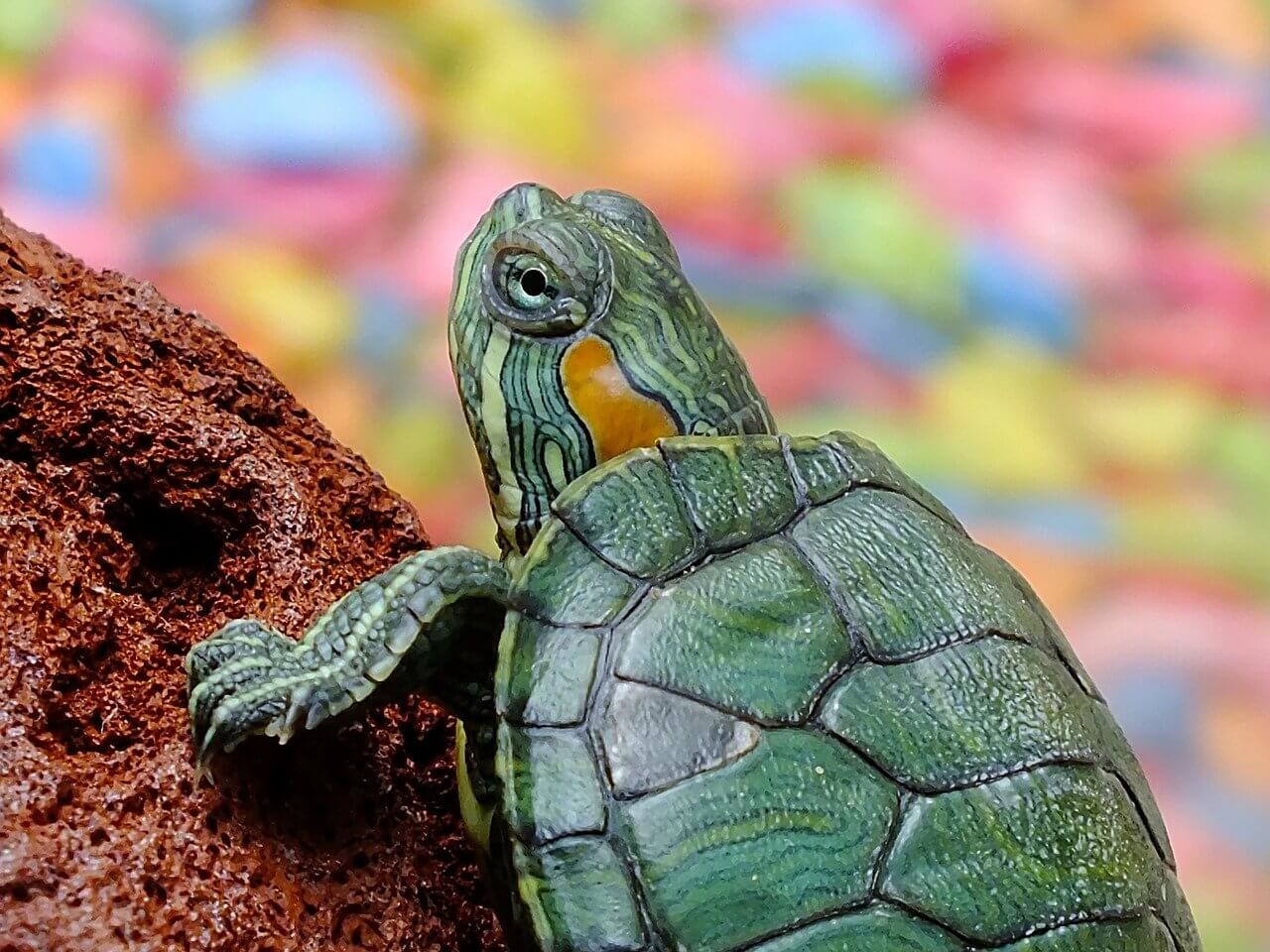
Furthermore, the biological requirements for these animals are stringent. They require specific temperature gradients, humidity levels, and specialized diets to prevent metabolic bone disease—a painful and deforming condition caused by a lack of calcium and vitamin D3. In a retail environment, where staff may not have specialized herpetological training, maintaining these conditions across hundreds of store locations is a logistical challenge. PETA has argued that the "starter kits" often sold alongside these animals are frequently inadequate, leading to slow decline and premature death once the animals reach the consumer’s home.
The inclusion of Cuban false chameleons and Bahamian anoles in the sales ban is also significant. These species are particularly sensitive to stress and environmental fluctuations. The transition from a mass-breeding facility to a shipping container, and finally to a high-traffic retail display, often results in compromised immune systems and high "shrink" rates—a retail term for animal mortality.
A Chronology of Advocacy and Corporate Response
The tension between PetSmart and animal welfare groups has a long history, characterized by a cycle of investigation, public pressure, and incremental policy adjustments.
- 2010–2015: PETA and other organizations release a series of reports on "pet mills," drawing parallels between high-volume reptile breeders and the more widely condemned puppy mills.
- 2016–2020: Investigations into major distributors like Sun Pet and Reptiles by Mack reveal widespread neglect. PetSmart and its competitor, Petco, face increased scrutiny regarding their "Live Animal Guarantee" policies.
- 2021–2024: PETA launches a sustained campaign specifically targeting the sale of turtles and tortoises, citing the 1975 FDA ban on small turtles (under four inches) as evidence of the public health and welfare risks associated with the trade.
- Late 2025: Internal discussions at PetSmart begin to weigh the reputational risk and the high cost of maintaining specialized reptile habitats against the profit margins of these specific species.
- April 2026: PetSmart officially updates its inventory guidelines, notifying store managers to phase out the sale of turtles, tortoises, and the aforementioned lizard and crab species.
The Role of Middlemen and the Global Pet Trade
To understand the impact of PetSmart’s decision, one must look at the broader mechanics of the exotic pet trade. Most animals sold in big-box stores are not bred on-site; they are sourced from massive "wholesalers" who act as clearinghouses for animals bred in captivity or, in some cases, captured from the wild. These facilities often hold tens of thousands of animals at a time.
The transport process is inherently traumatic. Small reptiles are often shipped in cramped containers with little to no climate control, leading to dehydration and extreme stress. By removing several species from this pipeline, PetSmart is significantly reducing the volume of animals subjected to these transcontinental shipping routes. However, PETA and other advocates maintain that as long as any live animals—such as birds, small mammals, and other reptiles—are sold, the underlying issues of the mass-breeding industry will persist.
Public Health Implications: The Salmonella Factor
Beyond animal welfare, the sale of turtles has long been a point of contention for public health officials. The Centers for Disease Control and Prevention (CDC) has repeatedly warned that turtles and other reptiles are common carriers of Salmonella. Because these bacteria are shed in the animals’ feces, they can easily contaminate their tanks, water, and the hands of anyone who handles them.
Young children, who are the primary demographic attracted to small turtles in pet stores, are at the highest risk for severe illness from Salmonella. While the 1975 federal law mitigated some of this risk by banning the sale of small turtles, the sale of larger turtles and tortoises remained legal. PetSmart’s decision to exit this market entirely removes a significant vector for zoonotic disease transmission within the retail environment.
Industry Implications and Future Outlook
PetSmart’s policy shift is likely to reverberate throughout the pet industry. As the market leader, PetSmart often sets the standard for retail practices. If the company finds that removing these species does not significantly impact its bottom line—or if it improves the brand’s image among Millennial and Gen Z consumers, who prioritize ethical sourcing—competitors like Petco may feel pressured to follow suit.
Industry analysts suggest that the pet trade is moving toward a "service and supply" model rather than a "livestock" model. Companies are finding higher profit margins in premium pet foods, grooming services, and veterinary care than in the sale of low-cost, high-maintenance animals. This shift aligns with the "humanization of pets" trend, where consumers view their animals as family members rather than disposable hobbies.
The Path Forward: Advocacy for an Adoption-Only Model
While PETA has celebrated the removal of these species as a "huge win," the organization continues to urge PetSmart to transition to an adoption-only model for all animals. This model, already successfully implemented by many pet stores for dogs and cats, involves partnering with local shelters and rescues to showcase adoptable animals rather than selling animals sourced from commercial breeders.
Advocates argue that as long as a price tag is placed on a living being, the incentive will always exist to cut costs in care and transport. The "Don’t Shop, Adopt" movement, which transformed the retail market for dogs and cats over the last two decades, is now being applied to the "herp" (herpetological) community. Thousands of unwanted turtles, iguanas, and other reptiles are currently housed in overextended rescues across the country, often because they were purchased as "starter pets" from retail stores.
The decision by PetSmart to end the sale of turtles and tortoises is a landmark moment in the evolution of the pet industry. It acknowledges the inherent difficulty of providing ethical care for specialized species in a mass-market setting and responds to a growing cultural demand for corporate accountability in animal welfare. As the company moves forward, the focus of both the public and advocacy groups will likely remain on the remaining species in the aisles, questioning if the era of the "pet store animal" is finally drawing to a close.

