


The American Federation of Aviculture (AFA) has established a robust framework of educational tools designed to elevate the standards of bird care, conservation, and scientific understanding within the global avian community. As the landscape of pet ownership and wildlife conservation becomes increasingly complex, the AFA has positioned itself as a primary source of peer-reviewed, science-based information. Through its flagship programs—the Fundamentals of Aviculture and the Avian Biology Classroom—the organization provides a structured pathway for hobbyists, professional breeders, and educators to master the intricacies of avian biology and management.

The Evolution of Avicultural Education
Historically, the knowledge required to care for and breed avian species was passed down through informal networks of hobbyists and localized bird clubs. While this oral tradition preserved many practical techniques, it often lacked the rigorous scientific backing necessary to address emerging challenges in avian pathology, genetics, and nutrition. Recognizing this gap, the AFA sought to formalize aviculture as a legitimate branch of animal science.
The development of the AFA’s educational tools was a multi-year endeavor supported by prestigious institutions. The "Fundamentals of Aviculture" program, for instance, was made possible through a grant from the Pet Care Trust and significant funding and academic support from the Schubot Exotic Bird Health Center at the College of Veterinary Medicine, Texas A&M University. This partnership between a non-profit federation and a leading veterinary research institution ensured that the curriculum remained grounded in the latest clinical research and academic theory.

Fundamentals of Aviculture: A Two-Tiered Professional Approach
The cornerstone of the AFA’s educational outreach is the Fundamentals of Aviculture (FOA) series. This program is divided into two distinct levels, designed to take a student from basic husbandry to advanced biological management.
Level I: Establishing the Foundation
Fundamentals of Aviculture Level I serves as an introductory online course that provides a comprehensive overview of the emerging science of aviculture. The curriculum is organized into nine detailed chapters, each focusing on a pillar of avian care. These chapters cover:

- Anatomy and Physiology: Understanding the unique biological systems of birds, including the respiratory system’s air sacs and the high-metabolic demands of flight.
- Avian Behavior: Analyzing natural instincts to improve captive welfare and mitigate behavioral issues such as feather plucking or aggression.
- Laws and Regulations: Navigating the complex legal landscape, including the Wild Bird Conservation Act (WBCA), CITES (Convention on International Trade in Endangered Species), and various state-level permits.
- Housing and Environment: Designing enclosures that provide safety, mental stimulation, and appropriate microclimates.
- Preventative Medicine: Identifying early signs of illness and maintaining biosecurity protocols to prevent the spread of infectious diseases.
This level is intended for anyone who interacts with birds, from first-time owners to shelter volunteers, ensuring a baseline of competency that prioritizes the bird’s physical and psychological health.
Level II: Advanced Management and Biological Theory
For those seeking a deeper mastery of the field, the Intermediate Aviculture Course (Level II) offers an intensive 15-chapter curriculum. Admission to this level is contingent upon the successful completion of Level I, reflecting the progressive nature of the education. The Level II syllabus delves into specialized topics that are critical for conservationists and professional breeders, including:
- Conservation and Research: The role of captive breeding in species survival plans and the ethics of field research.
- Reproductive Biology: Detailed studies on courtship, nesting behavior, and the stimuli required to trigger breeding cycles.
- Avian Genetics: An exploration of basic Mendelian genetics, the science behind color mutations, and the biological implications of hybridization.
- Incubation and Hand-Rearing: The technical skills required for artificial incubation and the delicate process of raising neonates.
- Microbiology and First Aid: Equipping aviculturists with the knowledge to perform basic first aid and understand the microbial threats—such as bacteria, fungi, and viruses—that affect avian populations.
By providing this level of detail, the AFA ensures that the next generation of aviculturists is equipped to handle the challenges of maintaining self-sustaining captive populations, which serves as a vital safeguard against extinction in the wild.
The Avian Biology Classroom: Bridging the Gap to Public Education
While the FOA courses are geared toward serious practitioners, the AFA’s Avian Biology Classroom (ABC) is designed for a broader audience, including bird clubs, K-12 teachers, and community educators. The ABC program is a downloadable resource available in both PowerPoint and PDF formats, making it highly accessible for classroom settings or club presentations.
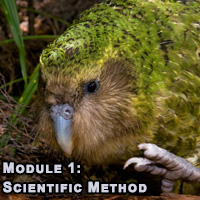
The ABC curriculum is structured into five core modules, each designed to align with standard biological education while using birds as the primary subject of study:
- Module 1: The Scientific Method: Teaching students how to observe avian behavior, form hypotheses, and conduct controlled experiments to understand bird biology.
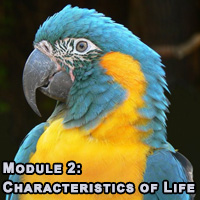
- Module 2: Characteristics of Life: Defining what constitutes life through the lens of avian species, covering metabolism, reproduction, and cellular structure.
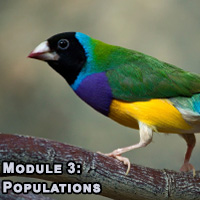
- Module 3: Populations: Exploring the dynamics of avian groups in the wild, including migration patterns, carrying capacity of habitats, and the impact of invasive species.
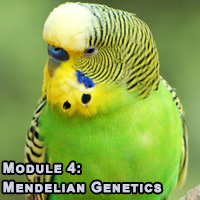
- Module 4: Mendelian Genetics: Using the visible traits of birds, such as feather color and crest shape, to demonstrate the principles of inheritance and genetic variation.
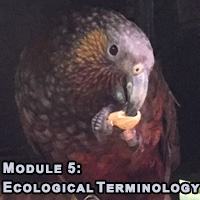
- Module 5: Ecological Terminology: Introducing concepts such as ecosystems, niches, and food webs, emphasizing the role birds play as pollinators, seed dispersers, and apex predators.
This modular approach allows educators to integrate avian science into general biology curricula, fostering an early interest in ornithology and environmental stewardship among younger generations.
Institutional Support and Collaborative Funding
The sophistication of these tools is a direct result of collaborative efforts between the private sector, academia, and non-profit organizations. The Pet Care Trust, a non-profit foundation dedicated to promoting the benefits of pet ownership and proper care, provided the seed funding necessary to develop these digital platforms.
Furthermore, the involvement of the Schubot Exotic Bird Health Center at Texas A&M University adds a layer of veterinary authority. The Schubot Center is world-renowned for its research into diseases such as Proventricular Dilatation Disease (PDD) and its work in avian genomics. By integrating their findings into the AFA curriculum, the federation ensures that its members are learning from the forefront of veterinary science.
Industry Implications and the Future of Aviculture
The implementation of these educational tools has significant implications for the pet industry and global conservation efforts. In an era where animal welfare is under intense scrutiny, the AFA’s emphasis on education provides a proactive defense against the mismanagement of captive birds.
Improving Welfare and Reducing Abandonment
One of the primary causes of bird abandonment in shelters is a lack of owner education. Birds are highly intelligent, long-lived, and socially demanding animals. By providing accessible education on avian behavior and housing, the AFA helps prospective owners understand the commitment required before they acquire a bird. This leads to better-prepared owners and a reduction in the number of birds entering the rescue system.
Enhancing Conservation Outcomes
Many avian species are currently facing "extinction in the wild," where the only surviving members of the species exist in captivity. The AFA’s focus on genetics and breeding stimuli in Level II of the FOA course is critical for these species. Proper genetic management prevents inbreeding depression and ensures that captive populations remain robust enough for potential future reintroduction programs.
Standardizing Professionalism
By offering a certification-style pathway through Level I and II, the AFA is moving toward a standardized "professional" status for aviculturists. This standardization is vital when interacting with government agencies and international bodies. When aviculturists can demonstrate a verified level of scientific knowledge, they are more likely to be included in policy-making decisions regarding wildlife trade and habitat protection.
Conclusion: A Science-First Approach to Avian Stewardship
The American Federation of Aviculture’s educational tools represent a significant shift from anecdotal hobbyist practices to a disciplined, science-first approach to bird care. Through the Fundamentals of Aviculture and the Avian Biology Classroom, the AFA has created a scalable, accessible, and rigorous educational ecosystem.
As the AFA continues to update these modules to reflect new scientific discoveries—such as advancements in avian nutrigenomics or the mapping of various bird genomes—the organization reinforces its role as the intellectual hub of the avicultural community. For the student, the educator, or the professional breeder, these tools are not merely resources; they are the essential building blocks for a future where avian species can thrive in both captive and wild environments. The ongoing support from institutions like Texas A&M and the Pet Care Trust ensures that this mission remains sustainable, providing a clear flight path for the continued evolution of avian science.

