


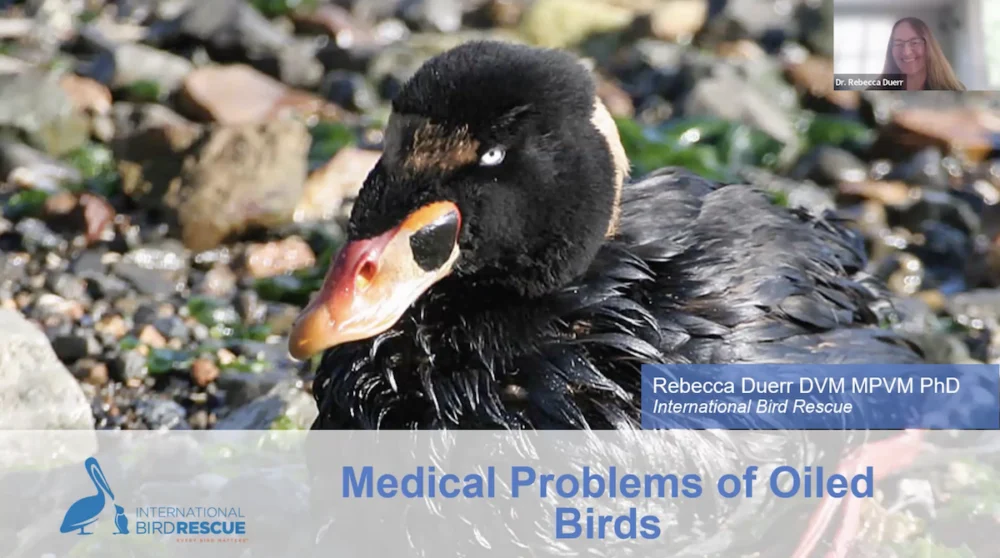
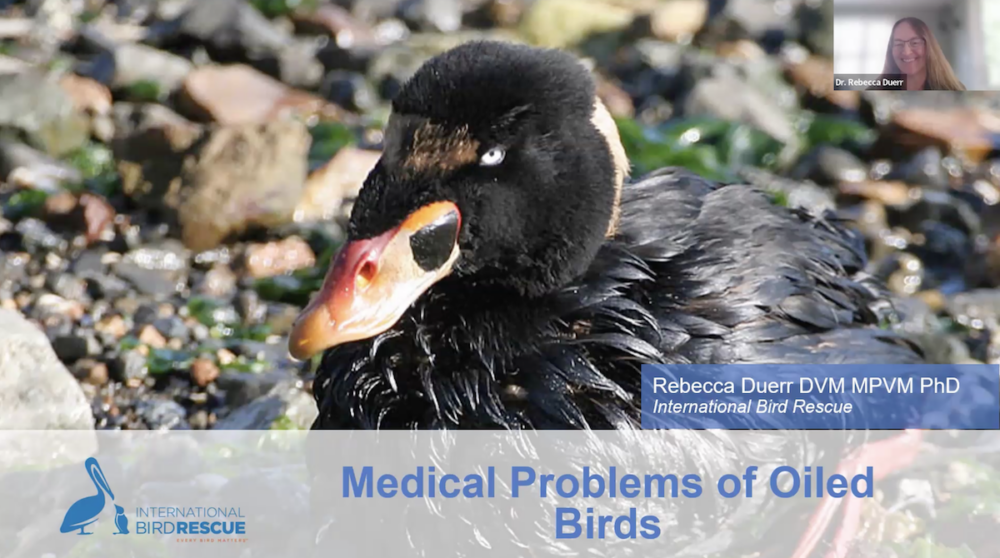
On April 21, 2026, the Kansas State University (KSU) College of Veterinary Medicine Exotics Club hosted a specialized virtual seminar featuring Dr. Rebecca Duerr, DVM, MPVM, PhD, a world-renowned expert in avian medicine and wildlife rehabilitation. The presentation, titled "Medical Problems of Oiled Birds," was delivered as part of the Lafeber Company Student Program, an initiative designed to provide veterinary students with access to high-level expertise in exotic and non-traditional species. Dr. Duerr’s lecture addressed the complex physiological, toxicological, and procedural challenges associated with treating birds affected by petroleum spills, bridging the gap between clinical stabilization and successful environmental reintegration.
The seminar arrives at a critical juncture for wildlife medicine. As global energy transport continues to intersect with sensitive migratory pathways, the demand for veterinarians trained in oil spill response remains high. Dr. Duerr, who serves as the Clinical Director for International Bird Rescue, shared insights gleaned from decades of field experience and academic research, emphasizing that the treatment of oiled wildlife is a multi-disciplinary effort requiring mastery of critical care, toxicology, and behavior.
The Physiological Crisis: How Oil Affects Avian Biology
The primary focus of Dr. Duerr’s presentation was the multifaceted impact of petroleum on avian physiology. When a bird comes into contact with oil, the damage begins at the structural level of the feathers. The lecture detailed how oil disrupts the microscopic interlocking barbs and barbules that maintain a bird’s waterproofing and insulation. Once this "zipper-like" structure is compromised, water penetrates the plumage to the skin, leading to rapid heat loss.
According to data presented during the session, hypothermia is the most immediate threat to an oiled bird’s survival. Even in temperate climates, the loss of thermal regulation can lead to a metabolic spiral. Birds must burn their fat reserves at an unsustainable rate to maintain body temperature, often leading to emaciation and secondary infections. Furthermore, as birds attempt to preen the oil from their feathers, they inevitably ingest toxic hydrocarbons.
The toxicological profile of oil exposure is equally devastating. Dr. Duerr highlighted the systemic effects of Polycyclic Aromatic Hydrocarbons (PAHs), which can cause acute hemolytic anemia, gastrointestinal ulceration, and severe liver and kidney damage. The inhalation of volatile organic compounds (VOCs) at the spill site also leads to respiratory distress and pneumonia. For the veterinary students at Kansas State University, this section of the lecture underscored the necessity of viewing an oiled bird as a patient with "multi-organ system failure" rather than merely a "dirty bird" in need of a bath.
Advancements in Decontamination: The Role of Sedation
One of the most significant portions of the presentation involved the discussion of recent research regarding the decontamination process. Dr. Duerr referenced a pivotal 2024 study titled "Comparison of manual restraint with and without sedation on outcomes for wild birds undergoing decontamination," published in the Journal of Avian Medicine and Surgery by Kelley et al.
The study compared the traditional method of manual restraint during the washing process—which can be incredibly stressful and physically demanding for the bird—with protocols involving sedation. The research indicated that sedation during the wash process can lead to more stable heart rates and potentially better long-term outcomes by reducing the "capture myopathy" and extreme stress responses often seen in wild patients.
For the students, this represented a shift in standard operating procedures. The decontamination of a large bird, such as a pelican or a gannet, can take up to 45 minutes of intensive scrubbing in high-temperature water (typically 102–105°F). Dr. Duerr explained that the goal of modern avian medicine is to minimize the "human-induced stress" of the intervention. By integrating pharmaceutical support, veterinarians can perform more thorough cleanings while protecting the patient’s cardiovascular health.
Chronology of Care: From Field Intake to Release
The seminar outlined a rigorous timeline for the treatment of oiled birds, emphasizing that the "wash" is actually one of the final steps in the medical process. Dr. Duerr structured the chronology of care into four distinct phases:
Phase 1: Stabilization and Triage
Upon arrival at a rehabilitation center, birds are often in shock. The first 48 to 72 hours are dedicated to rehydration, thermal regulation, and nutritional support. Dr. Duerr noted that attempting to wash a bird before it is medically stable is often fatal. During this stage, bloodwork is performed to assess PCV (packed cell volume) and total protein levels to ensure the bird can withstand the stress of decontamination.
Phase 2: Decontamination
Once stabilized, the bird undergoes the washing process. This requires a series of tubs filled with a specific concentration of detergent (often Dawn dish soap, which is the industry standard for its ability to break down heavy oils without being overly caustic to the skin). Dr. Duerr’s presentation included technical details on water hardness and temperature, both of which are critical for ensuring that all surfactants are rinsed away, allowing the feathers to regain their natural alignment.
Phase 3: Conditioning and Waterproofing
Following the wash, birds are moved to drying pens and eventually to outdoor pools. This phase is critical for "waterproofing," where the bird preens and reapplies natural oils from the uropygial gland. Dr. Duerr emphasized that a bird cannot be released until it can remain buoyant and dry in the water for extended periods.
Phase 4: Evaluation and Release
The final stage involves a battery of tests to ensure the bird is fit for the wild. This includes flight tests, blood chemistry analysis, and a final physical exam. Dr. Duerr shared data showing that birds treated with modern veterinary protocols have significantly higher post-release survival rates than those treated in earlier decades.
The Lafeber Company Student Program and Veterinary Education
The event was facilitated by the Lafeber Company Student Program, which has become a cornerstone of specialized education at KSU and other veterinary colleges. By sponsoring experts like Dr. Duerr, the program provides students with a look into niche fields that are often only briefly covered in a standard four-year curriculum.
Representatives from the KSU Exotics Club noted that sessions like these are vital for preparing the next generation of veterinarians for environmental disasters. "The integration of PhD-level research with practical DVM applications allows our students to see the full scope of wildlife medicine," a club spokesperson indicated. The program’s focus on "evidence-based medicine" in the exotics field helps dispel older, less effective methods of wildlife care.
Broader Implications and Analysis
Dr. Duerr’s presentation at Kansas State University reflects a broader trend in the veterinary profession: the professionalization of wildlife rehabilitation. Historically, wildlife care was often performed by well-meaning volunteers with limited medical resources. Today, as evidenced by Dr. Duerr’s work and the research she cited, it is a sophisticated branch of emergency medicine.
The implications of this training extend beyond oil spills. The techniques used to stabilize and treat oiled birds—such as fluid therapy, stress management, and dermatological care—are applicable to a wide range of avian emergencies, including lead poisoning, infectious disease outbreaks, and trauma.
Furthermore, the emphasis on sedation protocols (as per the Kelley et al. 2024 study) highlights an evolving ethical standard in veterinary medicine. There is a growing recognition that the psychological welfare of a wild patient is just as important as its physical recovery. By reducing the trauma of the "wash," veterinarians are not just saving lives; they are improving the quality of the recovery process.
Conclusion
The "Medical Problems of Oiled Birds" seminar provided Kansas State University students with a comprehensive roadmap for managing one of the most challenging scenarios in avian medicine. Through the expertise of Dr. Rebecca Duerr, the students gained an understanding of the intricate balance between chemistry, biology, and clinical practice required to save wildlife in the wake of industrial accidents.
As the presentation concluded, Dr. Duerr provided the students with access to her PowerPoint resources and the recorded session, ensuring that the knowledge shared during the virtual dinner could be referenced by future cohorts. The event stands as a testament to the importance of specialized veterinary training and the ongoing commitment of the Lafeber Company to foster excellence in the care of all species, no matter how small or environmentally threatened.
The PDF of Dr. Duerr’s presentation and the video recording remain available through the LafeberVet portal, serving as a permanent resource for the global veterinary community as they continue to refine the art and science of avian disaster response.

