


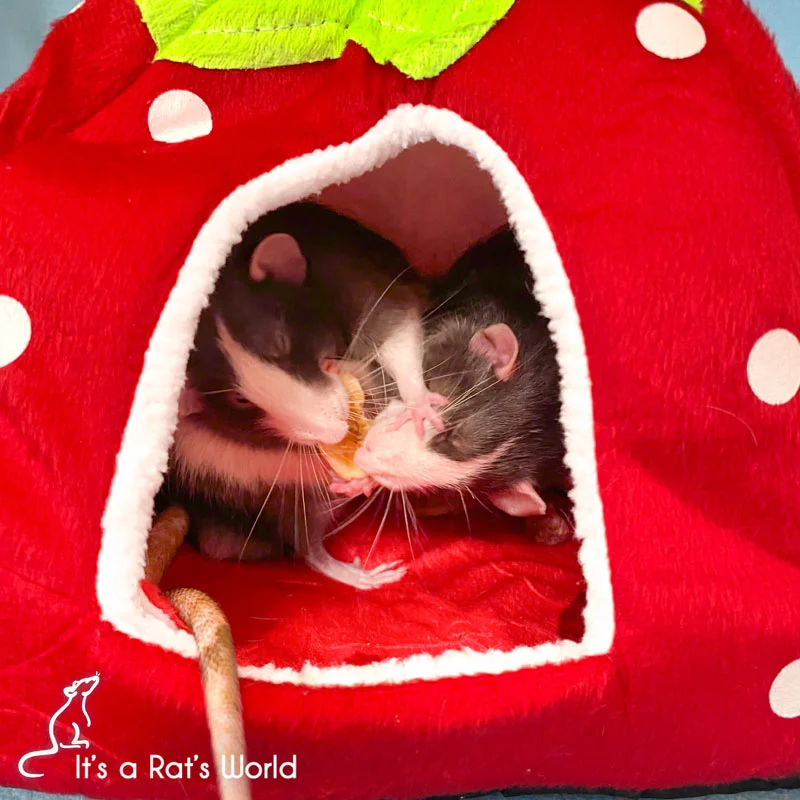
When first encountering the fascination many individuals hold for pet rats, a common reaction is one of surprise, often followed by a cascade of questions. While the initial curiosity of newcomers may be limited, the depth of affection and knowledge among rat enthusiasts often extends far beyond a superficial understanding. This article delves into the myriad of delightful and often amusing quirks that define rats, transforming them from common perceptions of vermin into uniquely captivating companions. These endearing habits, ranging from involuntary vocalizations to peculiar grooming rituals and even social dining practices, underscore the intelligence, complex emotional lives, and surprisingly sophisticated behaviors of these often-misunderstood rodents.
The Symphony of Bruxing and Boggling: Expressing Rat Emotion
Among the most recognized and cherished idiosyncrasies of pet rats are the interconnected phenomena of "bruxing" and "eye boggling." These behaviors, while initially startling to the uninitiated, are fundamental indicators of a rat’s emotional state, primarily signifying contentment and happiness.
Bruxing is the act of rhythmic grinding of a rat’s teeth. This is not merely a functional necessity for keeping their continuously growing incisors at a manageable length, a process crucial for their dental health. Beyond this practical purpose, bruxing serves as a vital form of emotional expression. While some instances of bruxing can indicate stress or apprehension, it most commonly occurs when a rat is experiencing pleasure or profound relaxation. It is often described by owners as the rat equivalent of purring, a gentle, resonating sound that signifies a state of well-being. The frequency and intensity of bruxing can vary significantly between individual rats, with some producing a soft, almost imperceptible hum, while others emit a more pronounced chattering sound.

Complementing the auditory signal of bruxing is the visual spectacle of eye boggling. This involuntary action involves the rapid, rhythmic protrusion and retraction of a rat’s eyeballs from their sockets. The movement is so pronounced that it can appear as if the eyes are literally "popping" out, a phenomenon that, to those unfamiliar, can be alarming. The visual effect is often compared to that seen in animated cartoons, lending a bizarre yet endearing quality to the rat’s expression.
Crucially, eye boggling is intrinsically linked to bruxing. The intense jaw muscle contractions required for vigorous bruxing transmit vibrations to the muscles behind the eyes, causing them to bulge and retract. Therefore, observing eye boggling is a direct indication of significant bruxing, and by extension, a rat experiencing a high degree of happiness and contentment. This synergistic display of vocalization and visual expression forms a powerful communication tool for rats, signaling their comfort and positive emotional state to their environment and, importantly, to their human caretakers.
The initial encounter with eye boggling can be profoundly disconcerting. For many first-time rat owners, particularly those without access to immediate online resources or experienced mentors, the sight of their pet’s eyes bulging can trigger significant concern. Anecdotal accounts from the pre-internet era describe owners rushing their seemingly distressed pets to veterinarians, only to be met with skepticism or a misdiagnosis. This highlights a historical gap in veterinary education regarding common and benign rat behaviors, underscoring the importance of shared knowledge within the pet-owning community. As understanding and awareness have grown, particularly with the advent of online forums and informational websites, new owners are better equipped to recognize these "quirks" as expressions of joy rather than signs of distress.
The Fastidious Feline-Faced Rodent: Obsessive Grooming Rituals
Contrary to the pervasive stereotype that rats are inherently unclean, scientific observation and the experience of dedicated owners reveal them to be remarkably fastidious groomers. This meticulous self-care is a constant, observable behavior, distinguishing them from many other common household pets.
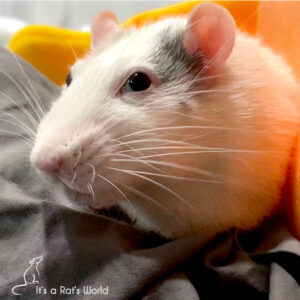
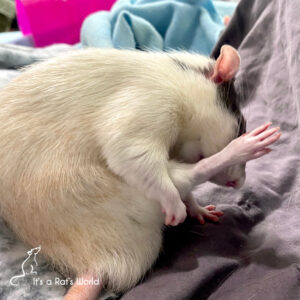
Rats dedicate a significant portion of their waking hours to grooming, meticulously cleaning virtually every part of their body. This process involves a combination of techniques: using their dexterous forepaws to wipe down their fur, much like a cat, and employing their teeth to nibble away dirt or debris. Their dedication to cleanliness can lead them to adopt seemingly contorted postures as they attempt to reach every nook and cranny. This includes stretching their hind legs to remarkable lengths, sometimes to an extent that appears almost acrobatic, in an effort to clean their toes and feet.
A particularly noteworthy aspect of their grooming routine is their thoroughness in cleaning their paws. Owners often observe rats meticulously splaying out their toes, carefully attending to each digit individually. This level of detail in paw hygiene is a testament to their commitment to cleanliness.
However, a curious exception to this otherwise comprehensive grooming regimen is their tail. In the vast majority of observed cases, rat tails receive little to no attention from their owners. Over decades of ownership, many experienced rat keepers report witnessing tail grooming on only a handful of occasions. This consistent oversight of their tails is a peculiar anomaly within their otherwise fastidious habits. Rats that do groom their tails are often considered to possess an even more unusual and endearing quirk, setting them apart from their less-attentive cagemates. This selective neglect of the tail, while puzzling, does not detract from their overall reputation as exceptionally clean animals.
Allogrooming: The Social Bonding and Human "Rat-icures"
The social dynamics of rats are deeply intertwined with grooming behaviors, extending beyond self-maintenance to include "allogrooming"—the act of grooming another individual. This behavior is not unique to rats; many social animals engage in mutual grooming as a way to strengthen social bonds, reduce tension, and maintain hygiene within a group. However, rats exhibit a particularly enthusiastic and sometimes persistent approach to allogrooming, both with their conspecifics and, notably, with their human companions.
The intensity of a rat’s desire to groom can be so pronounced that they may immediately begin grooming themselves after being handled by a human, leading some owners to humorously interpret this as a subtle critique of human hygiene. Nevertheless, this drive to groom is often readily redirected towards their human caretakers, offering a unique form of interspecies bonding.
While grooming cagemates is a common and expected behavior, rats can become quite insistent when it comes to grooming their owners. Their preferred areas for attention can vary. Some rats are particularly drawn to their owner’s hair, engaging in gentle licking or even nibbling. Others are captivated by the facial region, with some individuals regularly demanding to clean their owner’s cheeks and eyelids. While this behavior is generally perceived as affectionate, the "gentle" nibbles can sometimes feel surprisingly ungentle on sensitive facial areas, leading to a humorous juxtaposition of affection and mild discomfort.
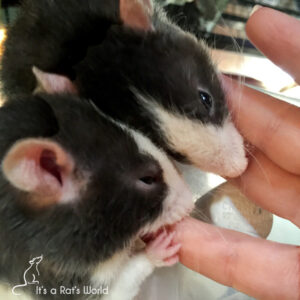
However, the most common and often most amusing target for rat allogrooming is their owner’s hands, particularly the fingers and nails. Many rats develop a habit of meticulously cleaning their owner’s fingernails, often to the point of being described as "nail biters." Instead of focusing on their own nails, they appear to take on the role of a personal manicurist, seemingly believing their human requires assistance with nail maintenance. This behavior, while potentially startling, is an expression of their inherent grooming drive and a demonstration of their social engagement. Owners are often encouraged to view these "rat-icures" as an affectionate service, a unique form of care provided by their furry companions.
Rodentistry: The Extreme Case of Dental Devotion
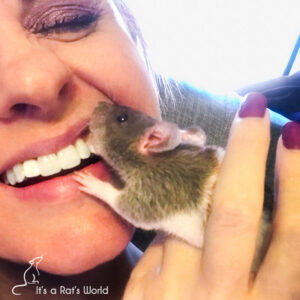
A particularly unique and often surprising manifestation of allogrooming in rats is the behavior known as "rodentistry." This extreme form of grooming involves a rat’s intense focus on their owner’s teeth. The term "rodentistry" has emerged within the rat enthusiast community to describe this peculiar obsession, and an individual rat exhibiting this behavior is referred to as a "rodentist."
Rodentists display an almost fearless determination to clean their owner’s teeth. They will persistently attempt to insert their heads into their human’s mouth, often using their small paws to try and pry the lips open. The exact motivation behind this behavior remains unclear, but it is presumed to stem from their innate drive to groom and a perceived need to "clean" their human’s oral cavity.
The experience of having a rodentist can be both amusing and slightly unnerving. Owners often describe their rodentist rats actively trying to open their mouths, even when the owner is protesting with muffled laughter or verbal cues. Despite the owner’s resistance, the rat’s determination is unwavering. They may use their noses to push their way in, and their tiny, sharp nails can leave minor scratches around the mouth area. However, for many owners, the endearing nature of their rat’s dedication overrides any minor discomfort, fostering a unique and memorable bond. The commitment of a rodentist rat to its perceived duty underscores the depth and often surprising nature of their social and behavioral complexities.
Taste-Testers: A Bold Approach to Shared Dining
When it comes to food, rats exhibit a remarkable lack of inhibition and a bold approach to resource acquisition, a trait that extends to their interactions with human food. If a rat is given out-of-cage time while their owner is eating, it is highly probable that the rat will attempt to sample, or even abscond with, the food.
Rats do not employ polite requests or subtle hints when they desire food. Instead, the moment they detect the aroma of food, they are known to make a swift and direct approach, aiming to snatch morsels directly from plates or even fingers. Their persistence is such that even attempts to quickly consume food will not deter them; they are equally willing to dive for fallen crumbs or lick lingering traces from one’s lips.
This behavior is not a sign of disrespect towards humans but rather a reflection of their natural social dynamics. Rats in the wild and within groups often engage in food competition, with individuals readily taking food from each other, even from the mouths of their cagemates. This innate drive for resource acquisition means that humans are treated similarly to other rats in their social hierarchy when food is involved.
The presence of rats during mealtimes can transform a solitary dining experience into a communal event, albeit one with a significant rodent presence. Owners often find themselves sharing their meals, with rats perching on the edge of bowls or glasses, helping themselves to whatever is available. This unreserved approach to shared sustenance is a quintessential rat behavior, highlighting their opportunistic nature and their lack of conventional table manners.
The Art of the Back Sleep: Unconventional Slumber
While the sight of any rat sleeping is inherently endearing, some rats elevate this to an art form with their unconventional sleeping positions. Generally, rats are inclined to sleep in more protected postures, likely due to their natural predisposition to feel vulnerable. However, a subset of rats exhibits a peculiar preference for sleeping on their backs, a position that exposes their vulnerable underside.
This "back-sleeping" behavior is often seen as a sign of ultimate trust and relaxation. It indicates that the rat feels completely secure in its environment and with the individuals present. In some cases, this behavior can be learned or even contagious within a social group. There are documented instances where rats, through social influence, have encouraged their cagemates to adopt this more relaxed sleeping posture. This phenomenon highlights the capacity for social learning and the establishment of shared behaviors within rat colonies. The sight of multiple rats sleeping on their backs simultaneously is a testament to their deep comfort and the strong social bonds within the group.

Drinking in Tandem: A Codependent Quencher
Another fascinating social behavior observed in rats is "drinking in tandem," where multiple rats attempt to drink from a single water bottle nozzle simultaneously. This behavior goes beyond simple convenience and can indicate a strong sense of codependency and a desire for shared experiences, even during basic physiological needs like drinking.
One notable anecdote involves a rat named Potter who exhibited this behavior with an added layer of complexity. Potter would often sleep directly beneath the water bottle, effectively preventing his cagemates from accessing water without disturbing him. This suggests a conscious or subconscious desire to make drinking a communal event. When other rats approached the water source, Potter would actively cease his activity to join them, reinforcing the group drinking dynamic.
Remarkably, Potter’s behavior appeared to be contagious, as his cagemates eventually began to participate in simultaneous drinking. This collective behavior, where multiple rats jockey for position at the single nozzle, often results in unusual postures, with some rats remaining upright while others, like Potter, might even attempt to drink while lying on their backs. While drinking in tandem is not exclusive to any single rat, the codependent and dramatic nature of Potter’s participation exemplifies the extent to which this behavior can manifest. This shared approach to hydration underscores the complex social interactions and the often-quirky ways in which rats navigate their environment and their relationships with each other.
Unveiling Further Quirks: An Ever-Expanding Fascination
The behaviors detailed above represent only a fraction of the amusing and intriguing traits that rats possess. Their capacity for surprise and delight seems boundless, with each individual rat often developing unique variations or entirely new quirks that continue to captivate their owners. The moment one believes they have encountered every possible peculiar habit, a rat will invariably find a way to present a new and unexpected behavior. This ongoing discovery process is a fundamental aspect of the human-rat bond, fostering a continuous sense of wonder and deepening the appreciation for these intelligent and complex creatures. The world of rat behavior is a rich tapestry, constantly being woven with new threads of endearing oddities, offering endless opportunities for observation, learning, and profound affection.

