


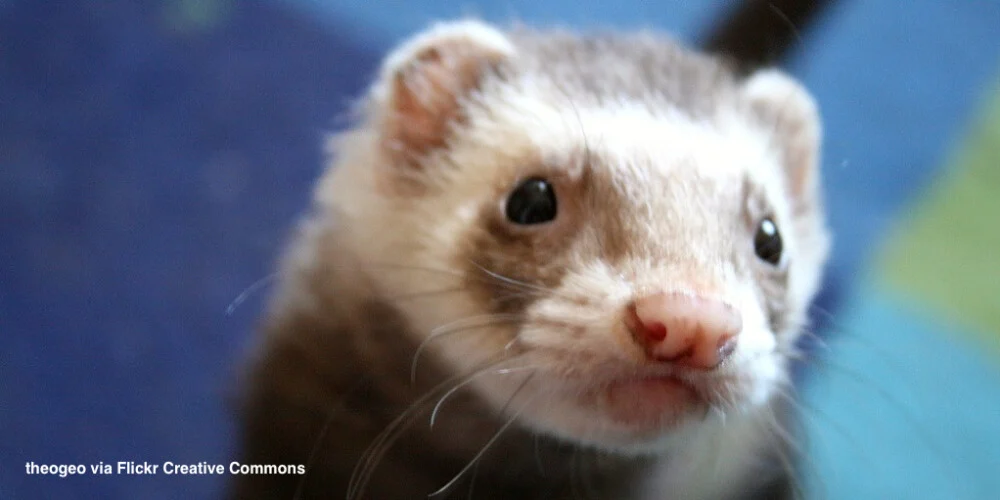
The global veterinary community is preparing for a specialized virtual master class titled The Geriatric Collapsing Ferret: More Than Insulinoma, scheduled for Wednesday, May 20, 2026. Led by the esteemed Cathy Johnson-Delaney, DVM, this educational event aims to rectify common diagnostic pitfalls in the treatment of aging ferrets. As ferrets continue to grow in popularity as domestic pets, the demand for sophisticated geriatric care has increased, highlighting a critical need for practitioners to look beyond preliminary blood glucose readings when presented with cases of collapse or ataxia.
The master class, hosted by LafeberVet, will provide a deep dive into the complex pathophysiology of the Mustela putorius furo, focusing specifically on the myriad of conditions that can mimic the clinical presentation of insulinoma. The session is slated for 2:00 pm EDT and is designed for veterinarians, veterinary technicians, and students seeking to refine their diagnostic protocols for exotic small mammals.
The Diagnostic Dilemma: Beyond the Glucometer
For decades, the diagnosis of insulinoma—a tumor of the pancreatic beta cells—has been the primary focus for clinicians treating ferrets with hind-limb weakness, intermittent collapse, or exercise intolerance. However, Dr. Johnson-Delaney argues that an over-reliance on rapid-test glucometers has led to a significant number of misdiagnoses. In many clinical settings, a ferret presenting with lethargy is immediately tested with a standard handheld glucometer. If the reading falls below 70-90 mg/dL, the animal is often reflexively diagnosed with insulinoma and prescribed prednisone, a corticosteroid used to manage low blood sugar.
This "quick-fix" approach is increasingly scrutinized. Modern veterinary research suggests that human-calibrated glucometers frequently provide inaccurate readings for exotic species. Furthermore, ferret physiology is distinct; their blood glucose levels fluctuate significantly based on dietary intake, fasting intervals, and stress levels. A single low reading, without consideration for the timing of the last meal or the specific nutritional content of that meal, is insufficient for a definitive diagnosis.
When a ferret is placed on prednisone for a suspected insulinoma that does not actually exist, the underlying pathology remains untreated. In many instances, the administration of steroids can exacerbate other conditions, such as undiagnosed cardiac disease or renal failure, leading to a rapid decline in the patient’s health.
Comprehensive Differential Diagnoses for the Collapsing Ferret
The upcoming master class will emphasize the necessity of a broad diagnostic net. Dr. Johnson-Delaney will explore several critical differentials that often masquerade as metabolic disease.
Cardiac Dysfunction and Cardiomyopathy
Geriatric ferrets are highly susceptible to cardiac issues, including dilated cardiomyopathy (DCM) and hypertrophic cardiomyopathy (HCM). These conditions often result in exercise intolerance and syncopal episodes (fainting), which can be easily mistaken for hypoglycemic collapse. While radiographs may show cardiomegaly (an enlarged heart) or splenomegaly (an enlarged spleen), these findings are often dismissed as "normal for a senior ferret" or secondary to other issues. The master class will advocate for more frequent use of echocardiography and professional interpretation of arrhythmias to identify heart failure before it becomes terminal.
Renal and Musculoskeletal Disease
Chronic kidney disease (CKD) is another common ailment in aging ferrets that can lead to systemic weakness and collapse due to electrolyte imbalances and uremic toxins. Similarly, musculoskeletal issues such as osteoarthritis or severe muscle mass loss (sarcopenia) can cause the characteristic "dragging" of the hind limbs often associated with insulinoma-related ataxia. Distinguishing between a ferret that cannot walk due to pain and one that will not walk due to low energy is a vital clinical skill that will be covered in the session.
Dental and Nutritional Factors
Dental disease is a frequently overlooked cause of weakness in senior ferrets. Chronic pain from periodontal disease or fractured teeth can lead to decreased food intake. In a species with an incredibly high metabolic rate and a short gastrointestinal transit time, even a few hours of anorexia can lead to secondary hypoglycemia. In these cases, the hypoglycemia is a symptom of dental pain rather than the primary disease of insulinoma.
Chronology of the Event and Registration Details
The master class is structured to provide both theoretical knowledge and practical case-study applications.
- Registration Period: Open now through May 20, 2026.
- Live Event Date: Wednesday, May 20, 2026.
- Time: 2:00 pm EDT (New York, UTC -04:00).
- Format: Virtual webinar via Zoom, featuring a live Q&A session with Dr. Johnson-Delaney.
- Post-Event Access: A recorded version of the lecture will be made available on the LafeberVet website for those unable to attend the live broadcast.
Participants will receive a confirmation email upon registration containing a personalized URL. To ensure a seamless experience, organizers recommend that attendees download the latest version of the Zoom software and verify their system’s audio and video capabilities prior to the start time.
Profile of the Presenter: Dr. Cathy Johnson-Delaney
Dr. Cathy Johnson-Delaney is a cornerstone of the exotic animal medical community. With over 30 years of experience in avian, exotic, and laboratory animal medicine in the Puget Sound area of Washington State, her expertise is recognized globally.
Dr. Johnson-Delaney’s contributions to the field include:
- Authoritative Publications: She is the principal author and editor of the seminal textbook Ferret Medicine and Surgery, which serves as a primary resource for practitioners worldwide.
- Leadership Roles: She has served as President of both the Association of Avian Veterinarians (AAV) and the Association of Exotic Mammal Veterinarians (AEMV).
- Advocacy: As a founding member of the Washington Ferret Rescue & Shelter, she has dedicated much of her career to the welfare of domestic ferrets.
- Accolades: She was named the 2003 Exotic DVM of the Year and received the 2009 Oxbow Exotic Mammal Health Award.
Her transition into partial retirement has not slowed her commitment to education, as she continues to lecture and write on the evolving standards of care for small mammals.
Professional Development and RACE Accreditation
For veterinary professionals, the master class offers more than just clinical insights; it provides essential continuing education (CE) credits. The program has been approved by the American Association of Veterinary State Boards (AAVSB) Registry of Approved Continuing Education (RACE).

Attendees of the live session are eligible for 2.0 credit hours. These credits are vital for veterinarians and veterinary technicians in maintaining their professional licenses across various jurisdictions. The inclusion of RACE-approved content ensures that the information presented meets high standards of academic and clinical rigor.
Broader Impact on the Veterinary Industry
The shift toward specialized geriatric care for ferrets reflects a broader trend in veterinary medicine. As pet owners become more invested in the longevity of "non-traditional" pets, the industry must move away from anecdotal treatments toward evidence-based medicine.
The master class highlights the importance of advanced imaging and laboratory diagnostics in exotic medicine. By encouraging clinicians to move beyond the "insulinoma-first" mindset, the program aims to improve the quality of life for senior ferrets. Early detection of cardiac or renal disease, managed with appropriate medications rather than inappropriate steroids, can add months or even years to a ferret’s lifespan.
Furthermore, the emphasis on the inaccuracies of handheld glucometers serves as a cautionary tale for the use of human medical devices in a veterinary context. It underscores the need for species-specific technology and the critical interpretation of data by trained professionals.
Conclusion and Future Implications
The Geriatric Collapsing Ferret: More Than Insulinoma represents a significant step in the maturation of exotic pet therapeutics. By addressing the complexities of the aging ferret, Dr. Johnson-Delaney is providing clinicians with the tools necessary to perform more accurate, compassionate, and effective medicine.
As the date of May 20, 2026, approaches, the veterinary community is encouraged to share the press release and register early. The insights gained from this master class will likely influence diagnostic protocols in clinics around the world, ensuring that the "collapsing ferret" receives a thorough workup that looks deep into the animal’s physiology, far beyond a single number on a glucose monitor.

