


An undercover investigation conducted by PETA Asia has raised significant questions regarding the efficacy of animal welfare certifications in the global fashion supply chain. The report, which includes video evidence and eyewitness accounts, alleges that sheep at farms certified by NATIVA—a brand marketed as a leader in "responsibly sourced" and "traceable" natural fibers—were subjected to physical abuse and neglect. These findings directly challenge the sustainability and ethical claims of major retailers, most notably the H&M Group, which has committed to sourcing 100% of its virgin wool from certified farms by the end of 2025.
The investigation focuses on the disconnect between corporate animal welfare policies and the day-to-day operations at the farm level. While NATIVA claims to maintain close relationships with its breeders to ensure high standards of care, PETA Asia’s footage depicts workers kicking sheep in the head, striking them with shearing equipment, and pinning animals to the floor with significant force. The revelation has sparked a renewed debate over "humane-washing"—a term used by critics to describe marketing strategies that use buzzwords like "responsible" and "ethical" to obscure systemic animal welfare issues.
Detailed Findings of the PETA Asia Investigation
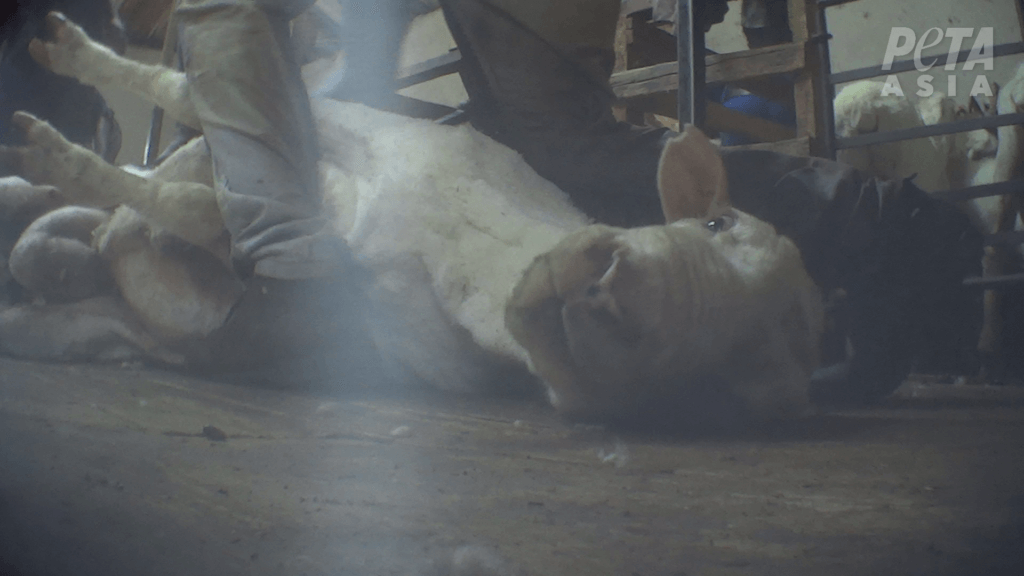
The investigative footage, which PETA Asia claims was recorded at a NATIVA-certified facility, provides a graphic look at the shearing process. In one segment, a worker is seen dropping his knee onto a ram’s neck, effectively pinning the animal’s head to the hard floor to prevent movement. Other clips show workers dragging lambs away from their flock by their legs and using wooden planks to strike animals that resisted the shearing process.
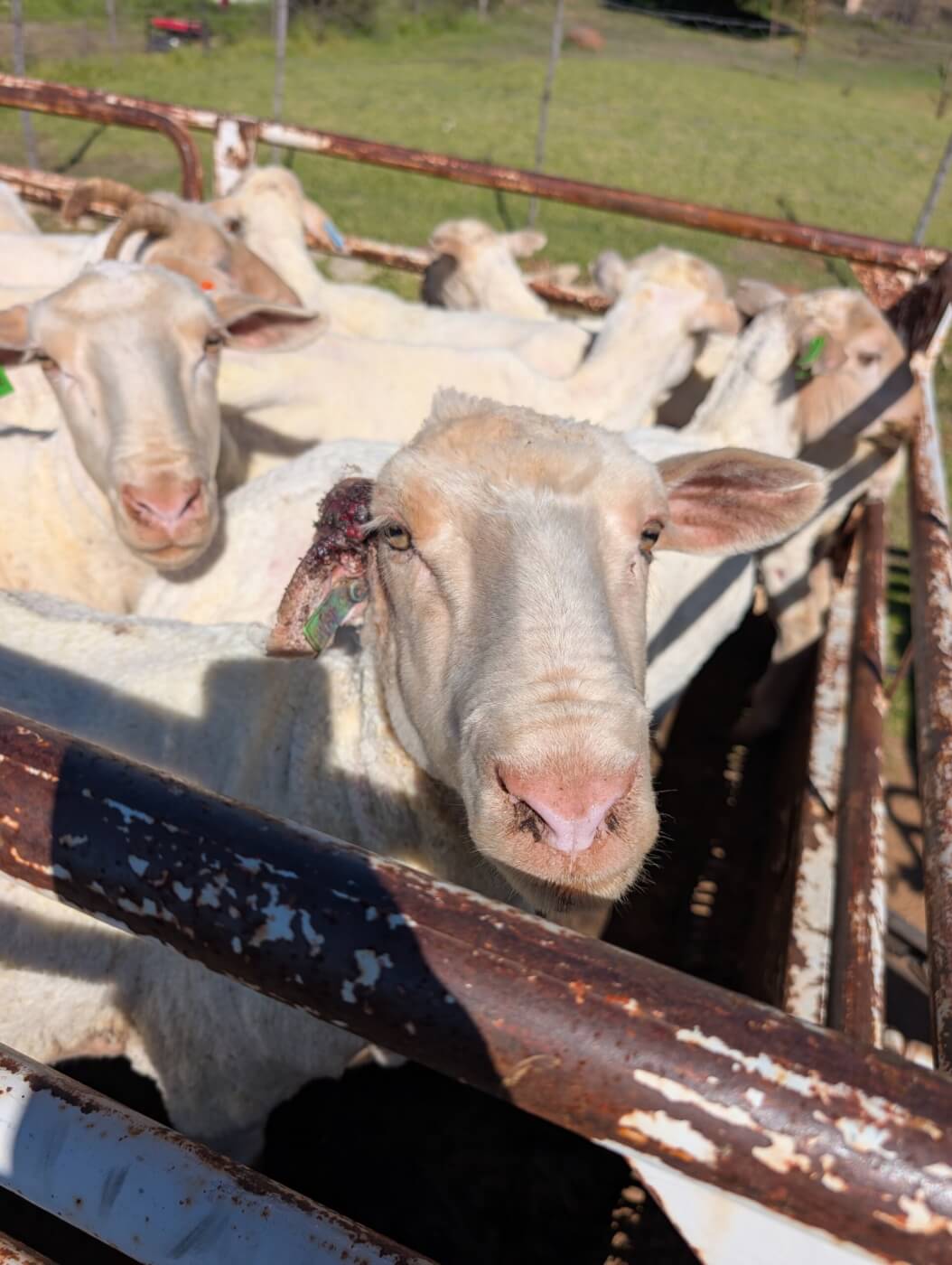
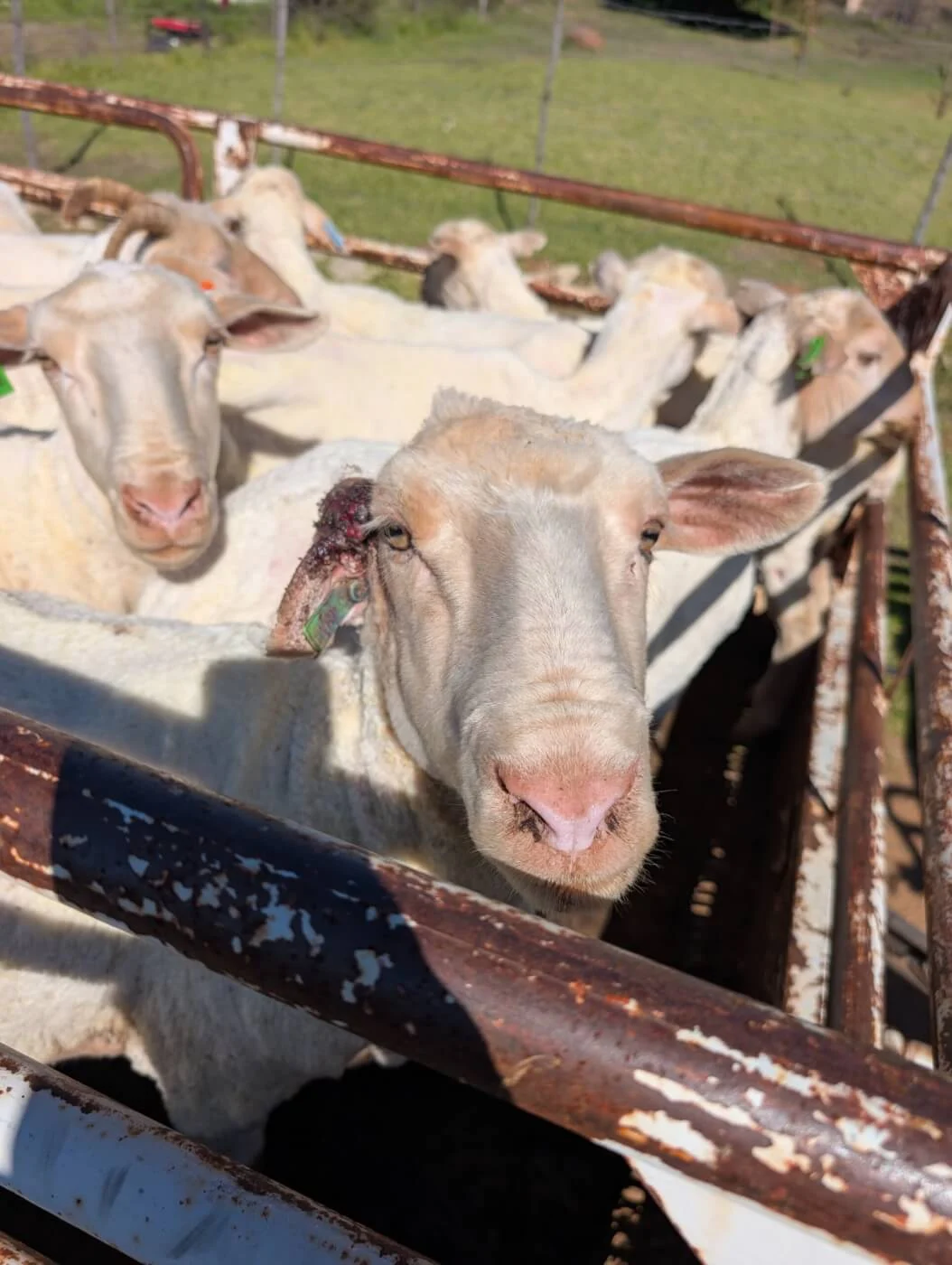
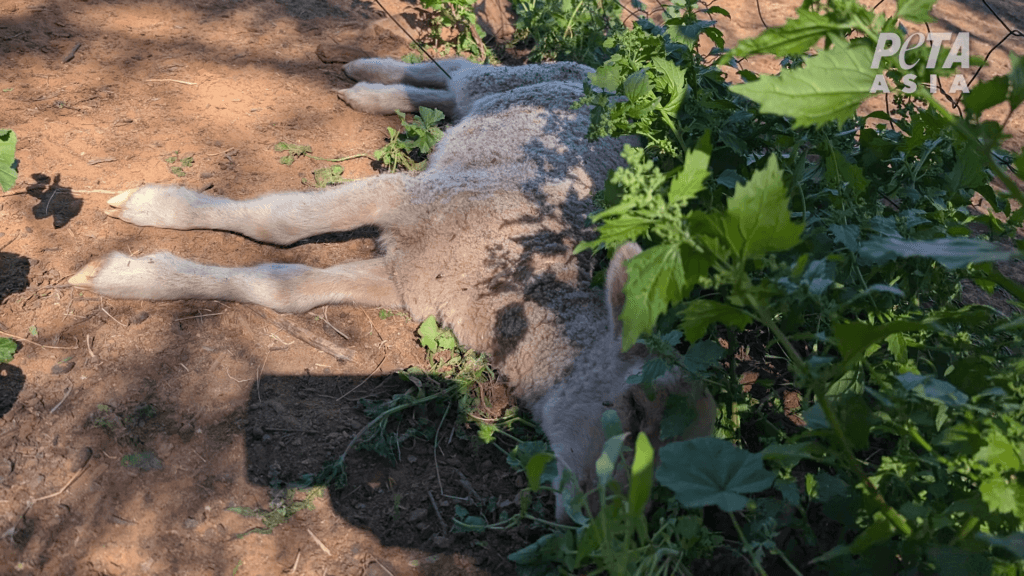
Beyond physical violence, the investigation documented instances of severe medical neglect. A PETA Asia investigator reported finding a lamb suffering from a deep wound that had become infested with maggots. According to the report, the farmer attributed the injury to a jackal bite but had apparently not provided the necessary veterinary intervention to treat the infection or manage the animal’s pain. Additionally, investigators discovered the remains of a dead lamb on the property, suggesting a lack of oversight regarding the health and survival rates of the flock.
Shearers in the wool industry are typically paid by the volume of wool harvested rather than by the hour. This piece-rate compensation model creates a financial incentive for extreme speed, which often results in "nicking" or deeply cutting the sheep’s skin. The PETA Asia report alleges that this pressure led to frequent injuries at the certified farm, with workers reportedly sewing up large gashes with needles and thread but without the administration of any pain relief or anesthesia.
The Context of H&M’s Sustainability Pledges
The H&M Group, the world’s second-largest fashion retailer, has been at the forefront of the industry’s shift toward certified materials. In its recent sustainability reports, the company outlined a transition plan to ensure that all animal-derived materials meet stringent third-party standards. Specifically, H&M pledged that by 2025, all virgin wool and animal hair would be sourced from farms certified under the Responsible Wool Standard (RWS) or the NATIVA protocol.
The NATIVA brand, owned by Chargeurs Luxury Fibers, is marketed as a premium solution for brands seeking transparency. It utilizes blockchain technology to trace wool from the farm to the finished garment, promising consumers that the fiber they wear was produced with respect for the environment and animal life. However, animal rights advocates argue that these certifications provide a false sense of security to consumers. They contend that because audits are often pre-announced and infrequent, they fail to capture the routine violence inherent in large-scale commercial shearing operations.

This investigation marks the latest in a series of exposures by PETA entities, which have now investigated over 150 wool operations across four continents, including North America, South America, Australia, and Eurasia. According to the organization, every investigation—regardless of the specific certification held by the farm—has uncovered similar patterns of abuse, suggesting that the issues are not isolated incidents but are systemic to the global wool trade.
Chronology of the Wool Industry’s Welfare Crisis
The scrutiny of the wool industry has intensified over the last decade, following a series of high-profile exposés that led several major brands to reconsider their sourcing practices.
- 2014: PETA released the first-ever undercover footage of the wool industry in Australia and the United States, showing shearers punching sheep and cutting them with shears. This led to the first-ever cruelty-to-animals charges filed against wool industry workers in Australia.
- 2016: The Responsible Wool Standard (RWS) was officially launched by Textile Exchange. It was intended to provide a global benchmark for animal welfare and land management.
- 2018-2020: Investigations in South Africa and Argentina revealed that even farms supplying "sustainable" brands were engaging in "mulesing"—a controversial practice where skin is sliced off a sheep’s hindquarters to prevent flystrike—without anesthesia.
- 2021: H&M Group accelerated its commitment to certified wool, moving away from uncertified virgin wool in response to consumer pressure.
- 2024-2025: PETA Asia’s investigation into NATIVA-certified farms suggests that despite a decade of new standards and certifications, the fundamental treatment of sheep in the supply chain remains largely unchanged.
Analysis of the "Audit Gap" and Market Implications
The failure of certifications to prevent abuse is often attributed to the "audit gap." In a globalized supply chain, a single retailer like H&M may source wool from thousands of different farms. Third-party auditors typically visit these farms only once every year or two. Furthermore, these inspections are often scheduled in advance, allowing farm managers to ensure that workers follow protocols during the observation period.
Economic data suggests that the global wool market is facing increasing competition from synthetic and bio-based alternatives. While wool is often touted as a "natural" and "renewable" fiber, its environmental footprint—including methane emissions from sheep and the chemical-intensive scouring process—has led some ESG (Environmental, Social, and Governance) investors to flag it as a high-risk material.
From a corporate perspective, the PETA Asia investigation represents a significant reputational risk. If "gold standard" certifications like NATIVA cannot guarantee the humane treatment of animals, brands may find it increasingly difficult to justify the use of animal fibers to an ethically conscious consumer base. This has led to a growing "vegan fashion" movement, with brands like Stella McCartney and various high-street retailers investing in "next-generation" materials, such as lab-grown wool and plant-based fibers derived from hemp, coconut, or recycled plastics.
Responses and Industry Reactions
While H&M has not yet released a definitive statement regarding the specific footage from the PETA Asia investigation, the company has historically responded to such reports by suspending relationships with the implicated farms pending an internal review. In similar past instances, NATIVA and other certification bodies have emphasized that they have a "zero-tolerance" policy for animal cruelty and that any breach of their standards results in immediate decertification.
However, PETA Asia argues that "suspending" individual suppliers is an inadequate response to a systemic problem. The organization is calling on H&M to follow the lead of other retailers who have moved toward animal-free materials. "Choosing vegan fabrics is the only way to ensure that animals aren’t tormented for clothing," a spokesperson for PETA Asia stated. The organization’s petition specifically asks H&M to cease the sale of wool entirely, arguing that the "responsible wool" label is an inherent contradiction.
Broader Impact on the Global Supply Chain
The implications of this investigation extend beyond H&M and NATIVA. As the fashion industry faces stricter regulations regarding supply chain transparency—such as the EU’s proposed Corporate Sustainability Due Diligence Directive—companies will be held legally accountable for human rights and environmental violations in their upstream operations. If certifications are proven to be unreliable, the legal and financial liability for brands could be substantial.
Furthermore, the psychological and social aspects of the investigation cannot be ignored. Sheep are social, gentle animals known to form strong bonds and possess the ability to recognize human faces. The contrast between the animal’s known cognitive complexity and the brutal treatment depicted in the footage often triggers a strong emotional response from the public, leading to "brand boycotts" and a shift in purchasing habits.
As the 2025 deadline for H&M’s virgin wool pledge approaches, the company finds itself at a crossroads. It must decide whether to double down on existing certification schemes by demanding more rigorous, unannounced, and frequent auditing, or to begin a broader transition away from animal-derived textiles in favor of emerging sustainable technologies.
The PETA Asia report serves as a stark reminder that in the modern age of digital transparency, corporate claims are subject to constant verification. For the wool industry, the challenge will be proving that it can provide a product that meets the ethical expectations of the 21st-century consumer—a task that, according to this latest investigation, remains unfulfilled.

