


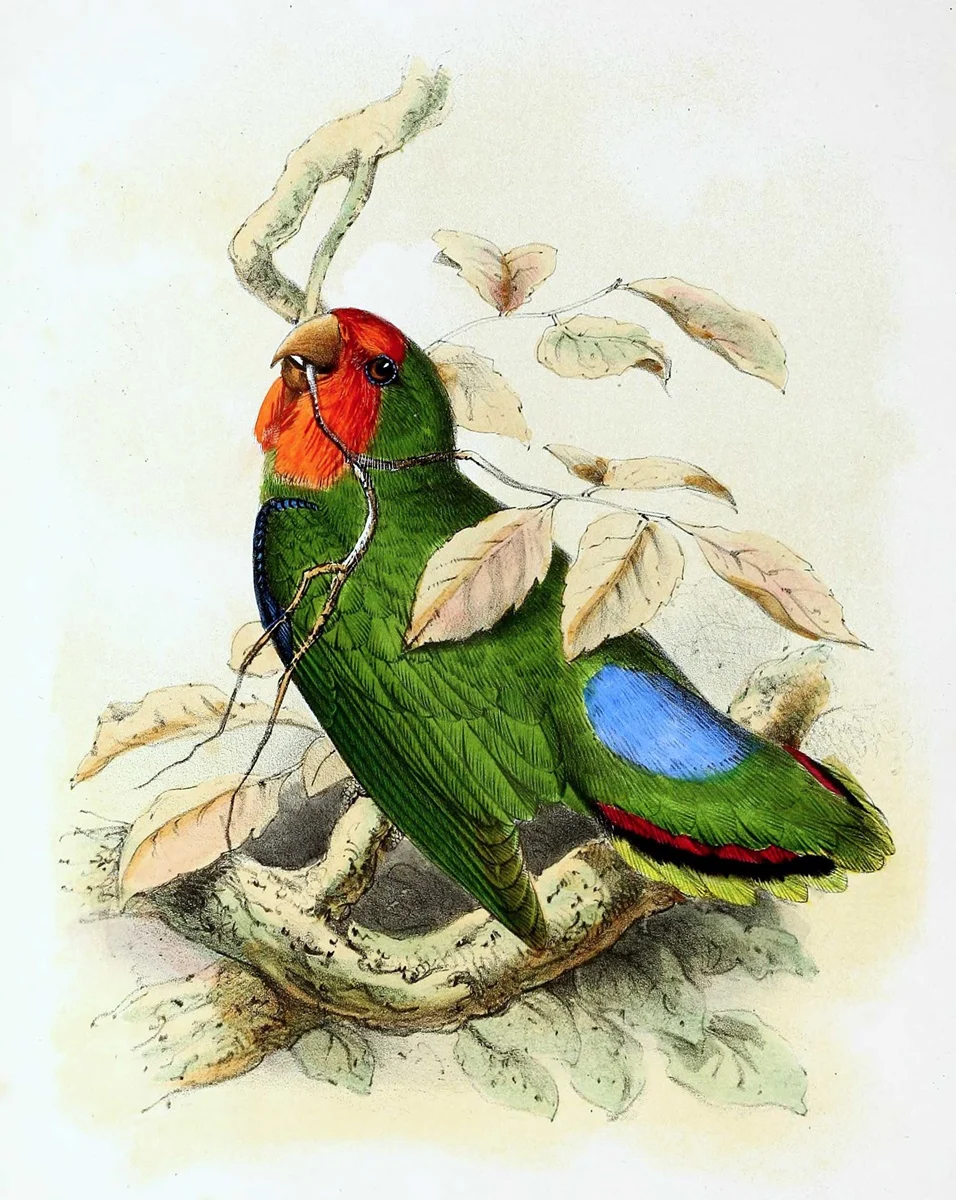
The Red-headed Lovebird, scientifically known as Agapornis pullarius, stands as a striking yet often overlooked member of the Agapornis genus. Unlike many of its more commonly kept lovebird relatives, this species remains a rarity in aviculture, primarily due to its highly stress-prone nature and specific care requirements. This article delves into the fascinating world of the Red-headed Lovebird, exploring its natural history, ecology, conservation status, and the complexities surrounding its presence in human care.
Discovery and Classification: A Historical Perspective
The Red-headed Lovebird was first formally described by the renowned Swedish botanist and zoologist Carl Linnaeus in 1758. Linnaeus, the father of modern taxonomy, classified the species within his seminal work, Systema Naturae, laying the groundwork for its scientific understanding. Its generic name, Agapornis, is derived from the Greek words agape (love) and ornis (bird), a fitting descriptor for these often monogamous and affectionate parrots. The specific epithet, pullarius, originates from the Latin word pullarius, meaning "of young fowls," though the exact etymological reasoning for this particular species name is not extensively documented in popular literature.
This species belongs to the Old World parrot family Psittaculidae, which includes a diverse array of parrots found across Africa, Asia, and Oceania. Within the Agapornis genus, the Red-headed Lovebird is distinguished by its unique morphology and ecological niche, setting it apart from its more frequently encountered cousins such as the Peach-faced Lovebird (Agapornis roseicollis) or the Fischer’s Lovebird (Agapornis fischeri). Its classification highlights the rich biodiversity of African avifauna and the intricate relationships within the parrot lineage.
Natural Habitat and Geographic Distribution
Like all nine species within the Agapornis genus, the Red-headed Lovebird is endemic to the African continent. Its natural range extends across a broad, albeit patchy, band stretching from western sub-Saharan Africa eastward through Central Africa. This distribution encompasses countries from Guinea in the west to Ethiopia in the east, traversing a diverse array of landscapes. Key regions where this species is found include Sierra Leone, Liberia, Ivory Coast, Ghana, Togo, Benin, Nigeria, Cameroon, Central African Republic, Gabon, Congo, Democratic Republic of Congo, Uganda, and parts of Sudan and Ethiopia.
Within this extensive range, Agapornis pullarius primarily inhabits tropical lowland savannah environments. The species demonstrates a preference for open woodlands and areas with scattered trees, crucially avoiding dense primary forests. This habitat preference suggests an adaptation to landscapes offering both cover and open foraging grounds. Red-headed Lovebirds are largely sedentary, meaning they do not undertake extensive nomadic migrations, although localized movements may occur in response to seasonal food availability. They typically forage and roost at altitudes up to 2,000 meters (approximately 6,550 feet), though they are more commonly observed at lower elevations. These birds are generally seen in pairs or small flocks, which can occasionally swell to a few dozen individuals, particularly around abundant food sources or communal roosting sites. The patchy nature of their distribution often reflects the fragmentation of their preferred habitat due to human activities.
Two recognized subspecies of Agapornis pullarius further delineate its geographic variation:
- Agapornis pullarius pullarius (Linnaeus, 1758): The nominate subspecies, found from Guinea east through much of Central Africa, including countries like Nigeria, Cameroon, Gabon, and parts of the Democratic Republic of Congo.
- Agapornis pullarius ugandae (Neumann, 1908): Found in the eastern part of the species’ range, specifically in Uganda and extending into western Kenya and eastern Democratic Republic of Congo. This subspecies is often noted for subtle differences in plumage coloration, particularly in the intensity of the red on the face and the extent of blue on the rump.
Conservation Status: A Deeper Look
Despite its widespread distribution, the conservation status of the Red-headed Lovebird presents a complex picture. The International Union for Conservation of Nature (IUCN) Red List currently classifies Agapornis pullarius as a species of Least Concern. This designation typically implies a relatively stable and abundant population, not facing immediate threats to its survival. However, the IUCN’s assessment itself acknowledges that the species is "locally uncommon in most of its natural range," indicating a decline in localized populations.

This paradox highlights a critical challenge in conservation: while a species may have a large overall range, its populations can be severely fragmented and declining in specific areas. For the Red-headed Lovebird, the unfortunate reality is that its global population is widely believed to be decreasing. Several significant threats contribute to this decline:
-
Habitat Destruction and Degradation: The primary driver of population decline for many species, habitat loss is particularly impactful for the Red-headed Lovebird. Deforestation for agriculture, logging, urbanization, and infrastructure development directly reduce the extent of the tropical savannah and open woodlands that constitute its preferred habitat. The fragmentation of these habitats isolates populations, making them more vulnerable to localized extinction and reducing genetic diversity.
-
Persecution by Farmers: As an avid seed-eater, the Red-headed Lovebird, like many other parrot species, can become a pest to agricultural crops, particularly millet. Farmers, seeking to protect their livelihoods, often resort to lethal methods to deter or eliminate these birds, contributing to local population declines. This human-wildlife conflict is a persistent challenge in many parts of its range.
-
Capture for the Pet Trade: The international pet trade has historically exerted considerable pressure on wild parrot populations across Africa. Although the Red-headed Lovebird is less common in captivity than other lovebird species due to its delicate nature, it has not been immune to capture. A 2018 study, cited in the original text, revealed that nearly 40,000 Red-headed Lovebirds were exported from their natural range since 1975. This substantial number, even if spread over decades, represents a significant removal of individuals from wild breeding populations, especially considering the challenges of establishing viable captive breeding programs for this species. Parr & Juniper (2010), in their comprehensive guide "Parrots: a guide to parrots of the world," explicitly state, "Abundance also varies owing to nomadic habits, but a genuine overall decline appears to have occurred in many areas this century. Trapped for live bird trade with large numbers in captivity outside range." This historical context underscores the long-standing impact of the pet trade on the species.
The "Least Concern" status, therefore, may mask a more precarious situation on the ground. Conservation organizations and wildlife authorities continue to monitor these trends, advocating for more localized assessments and targeted conservation strategies. The Convention on International Trade in Endangered Species of Wild Fauna and Flora (CITES) does list Agapornis pullarius under Appendix II, meaning that trade is regulated to prevent overexploitation, but it does not prohibit trade entirely. Effective enforcement of CITES regulations and national wildlife protection laws is crucial to mitigate the impact of illegal trapping.
Physical Characteristics and Sexual Dimorphism
The Red-headed Lovebird is a visually striking parrot, small in stature but vibrant in coloration. Adults typically reach up to 15 centimeters (approximately 6 inches) in length and weigh around 45 grams, making them one of the smaller lovebird species. Their plumage is dominated by two primary, vivid colors: a brilliant emerald green covers the majority of the body, including the back, wings, and underparts. This green provides excellent camouflage within their natural arboreal habitats.
The most distinctive feature, and the origin of its common name, is the bright scarlet red that adorns the face and beak. This fiery red extends from the forehead, around the eyes, and down to the throat, creating a mask-like effect. The beak itself is also a vibrant red, contrasting sharply with the green body plumage. A subtle dash of cerulean blue can be observed on the lower back and rump, particularly visible when the bird is in flight or preening. The tail feathers also exhibit a small band of red, adding another touch of color.
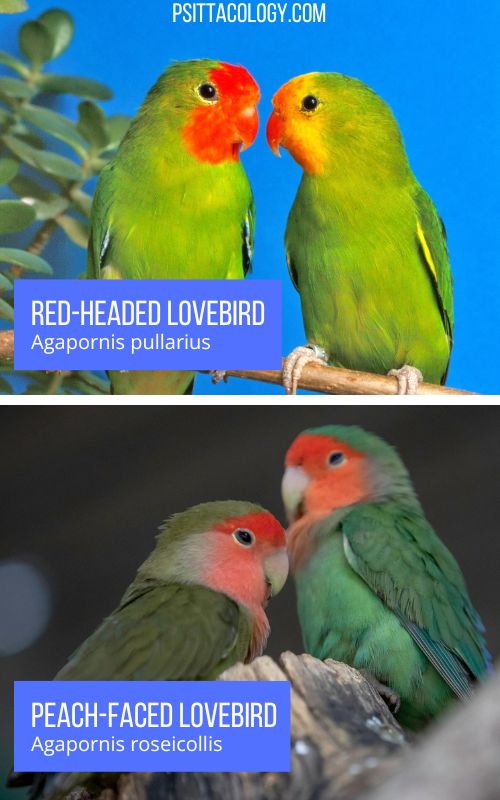
While the Red-headed Lovebird shares some superficial similarities with the more common Peach-faced Lovebird (Agapornis roseicollis), a key distinguishing feature lies in their beaks. Agapornis pullarius possesses a distinctly red beak, whereas the Peach-faced Lovebird has a pale, beige, or horn-colored beak. This detail is crucial for identification, especially in aviculture where both species might be encountered.
One of the fascinating aspects of Agapornis pullarius is its observable sexual dimorphism, meaning males and females can be distinguished by their appearance. While often subtle, the difference lies primarily in the intensity of the facial coloration. The male’s red face and beak are typically brighter and more vibrant, leaning towards a deep scarlet hue. In contrast, the female’s facial mask and beak tend to be less intensely colored, often appearing more orange or reddish-orange rather than true scarlet. This difference, though sometimes requiring a keen eye, is a reliable indicator of sex for experienced observers.
Ecology and Behavior: Diet and Reproduction in the Wild

In their natural African habitats, Red-headed Lovebirds exhibit behaviors and dietary preferences typical of many small parrots. They are primarily granivorous, with a diet heavily reliant on seeds. Their preferred food source consists of various grass seeds, which are abundant in the tropical savannahs they inhabit. This dietary preference unfortunately leads them into conflict with human agricultural interests, as they readily consume cultivated crops such as millet, a staple grain in many parts of Africa. This makes them susceptible to being viewed as agricultural pests, leading to measures taken by farmers to protect their yields.
Beyond grass seeds, these adaptable birds also supplement their diet with wild fruits, particularly figs and guava, when available. These fruits provide essential vitamins, minerals, and moisture, especially during drier periods. The ability to utilize a variety of food sources is a critical survival strategy in their dynamic environment.
Reproduction in the wild is closely tied to the seasonal availability of food and environmental conditions. Red-headed Lovebirds typically breed during the rainy season, a period characterized by an abundance of fresh vegetation and, consequently, seeds and fruits. Their nesting habits are particularly intriguing and contribute significantly to the challenges of breeding them in captivity. Unlike many cavity-nesting parrots, Agapornis pullarius predominantly nests in arboreal (tree-dwelling) termite or ant nests. The female meticulously burrows into these robust structures, excavating a chamber that is then reinforced with plant materials such as grass leaves. This specialized nesting strategy provides excellent insulation and protection from predators. Occasionally, they may also utilize nests located on the ground or opportunistically occupy tree hollows created by woodpeckers, demonstrating some flexibility in their nesting choices. A clutch typically consists of up to six eggs, which are incubated by the female.
The Red-Headed Lovebird in Aviculture: Challenges and Best Practices
The Red-headed Lovebird’s unique ecological adaptations and behavioral traits in the wild translate into significant challenges for its keeping and breeding in aviculture. Consequently, it is not a common pet species and is primarily found in the collections of highly dedicated and experienced parrot enthusiasts and specialized aviaries. It pales in popularity compared to its more robust and adaptable cousins like the Fischer’s or Peach-faced Lovebirds.
The primary impediment to widespread avicultural success with Agapornis pullarius is its extremely nervous and stress-prone disposition. These birds are inherently shy and delicate, particularly wild-caught individuals. Simple environmental disturbances, such as sudden loud noises, abrupt movements, or the presence of boisterous neighboring birds in a shared aviary, can induce severe stress, sometimes leading to shock and even sudden death. Their picky eating habits, especially when newly acquired or stressed, further compound the difficulty. Unlike many other lovebird species that can become quite tame and bond with human caregivers, Red-headed Lovebirds are generally not suitable as "pet" parrots in the traditional sense. They are primarily "look, but don’t touch" birds, thriving best in an environment that minimizes human interaction and maximizes a sense of security.
Housing:
For those experienced aviculturists who manage to acquire captive-bred Red-headed Lovebirds (which are highly preferred over wild-caught birds for ethical and practical reasons), appropriate housing is paramount. A heated aviary is the ideal setting, providing ample space for flight and a stable, comfortable environment. Crucially, these birds thrive best when housed solo or as a single pair, as they can be easily intimidated or stressed by the presence of other species, even other lovebirds.
If an outdoor aviary is not feasible, Agapornis pullarius can be kept indoors in a spacious cage. The minimum recommended cage size is at least 80 cm (30 inches) wide, allowing for short flights. Bar spacing should be narrow, around 1.25 cm (0.5 inches), to prevent escape or injury. The cage must be furnished with a variety of natural wood perches of different diameters to promote foot health. Given their nervous nature, the cage should be placed in a quiet, low-traffic area of the home, away from sudden disturbances.
Captive Diet:
Historically, many Red-headed Lovebird keepers have relied on dry or sprouted seed mixes. While seeds are a natural part of their diet, a seed-only diet is often nutritionally incomplete for parrots. Modern avian veterinarians and nutritionists strongly advocate for a high-quality pelleted diet as the cornerstone for most captive parrots, including lovebirds, as it provides a balanced array of essential nutrients. A reputable brand of small parrot pellets should form the bulk of their daily intake.
To complement the pellets, a high-quality seed mix can be offered in moderation. Additionally, a diverse range of fresh vegetables, particularly leafy greens (e.g., kale, spinach, romaine lettuce), bell peppers, and carrots, should be provided daily. Various fresh fruits, such as apples, berries, and melon, can be offered in smaller quantities. Cooked grains (e.g., quinoa, brown rice) and select foraged weeds (ensuring they are non-toxic and pesticide-free) can further enrich their diet. During breeding season or periods of stress, a boost of protein in the form of boiled egg or mealworms can be beneficial. Fresh water must always be available.
Enrichment:
Like all parrots, Red-headed Lovebirds are intelligent and require environmental enrichment to prevent boredom and promote natural behaviors. However, due to their stress-prone nature, new items must be introduced gradually and thoughtfully to avoid frightening them. Essential enrichment items include:
- Chew Toys: Providing a variety of destructible toys made from natural materials like untreated wood, paper, and natural fibers is crucial for beak health and mental stimulation.
- Foraging Opportunities: Mimicking their natural foraging behaviors by hiding seeds in foraging toys or within shredded paper encourages problem-solving and reduces boredom.
- Natural Branches: Offering fresh, safe branches (e.g., from fruit trees, willow, eucalyptus) for chewing and perching provides natural enrichment and helps keep beaks trimmed.
- Bathing Opportunities: A shallow dish of water for bathing or a gentle misting can encourage preening and maintain feather health.
- Privacy and Security: Providing hiding spots within the cage, such as a cozy fabric tent or a cluster of branches, can give nervous birds a sense of security.
- Flight Space: Even in a cage, ensuring maximum flight space is vital. In an aviary, providing various flight paths is important.
Noise Level:
Compared to many other parrot species, the Red-headed Lovebird is considered relatively quiet. However, as with all psittacines, they are capable of producing loud calls, particularly if alarmed, excited, or seeking attention. Their calls are described as quite shrill, a typical trait of smaller parrot species. Audio recordings, such as those available on platforms like Xeno-Canto, provide valuable insights into their vocalizations.
Reproduction in Captivity:
Breeding Red-headed Lovebirds in captivity is notoriously difficult and presents a considerable challenge even for experienced aviculturists. Their specific nesting preferences in the wild, particularly their reliance on burrowing into termite nests, is a major hurdle. Standard wooden nest boxes, common for other lovebird species, are often ignored or deemed unsuitable by Agapornis pullarius.
Dedicated enthusiasts have experimented with various alternatives, with some success reported using nest boxes constructed from cork. Cork, with its natural texture and insulating properties, appears to mimic the qualities of a termite mound more closely than wood. Providing a deep layer of nesting material, such as peat, wood shavings, or shredded natural fibers, within these specialized nest boxes is also crucial to encourage burrowing behavior.
Beyond the physical nesting requirements, the extreme sensitivity of this species to stress plays a critical role in breeding success. A quiet, undisturbed environment is essential, and any perceived threat or disturbance can cause the pair to abandon eggs or chicks. High humidity, reminiscent of their tropical breeding season, may also be a factor in successful hatching. Consistent nutrition, including supplemental protein, is vital for breeding pairs to be in optimal condition. The rarity of captive-bred individuals underscores the difficulty, making successful breeding a significant achievement in aviculture.
Ethical Considerations and Future Outlook
The Red-headed Lovebird serves as a poignant example of the complex relationship between humans and wildlife. Its declining wild populations due to habitat loss and the pet trade, contrasted with its "Least Concern" IUCN status, highlight the need for more nuanced conservation assessments. The challenges of keeping and breeding this species in captivity also raise important ethical questions about the suitability of certain wild animals as pets, even for dedicated enthusiasts.
For the long-term survival of Agapornis pullarius, concerted conservation efforts are required. These include protecting and restoring its natural savannah habitats, implementing effective measures to mitigate human-wildlife conflict with farmers, and rigorously enforcing regulations against illegal bird trade. Supporting legitimate, sustainable captive breeding programs, focusing on the specific needs of this delicate species, could also help reduce pressure on wild populations, provided such programs prioritize the birds’ welfare and do not inadvertently stimulate demand for wild-caught individuals.
The Red-headed Lovebird, with its stunning appearance and intriguing biology, continues to captivate those who encounter it. Its story is a reminder of the intricate balance of nature and the responsibility that comes with our interactions with the world’s diverse avian inhabitants. Further research into its ecology and behavior in the wild, coupled with best practices in responsible aviculture, will be critical in ensuring that this unique African parrot thrives for generations to come.

