


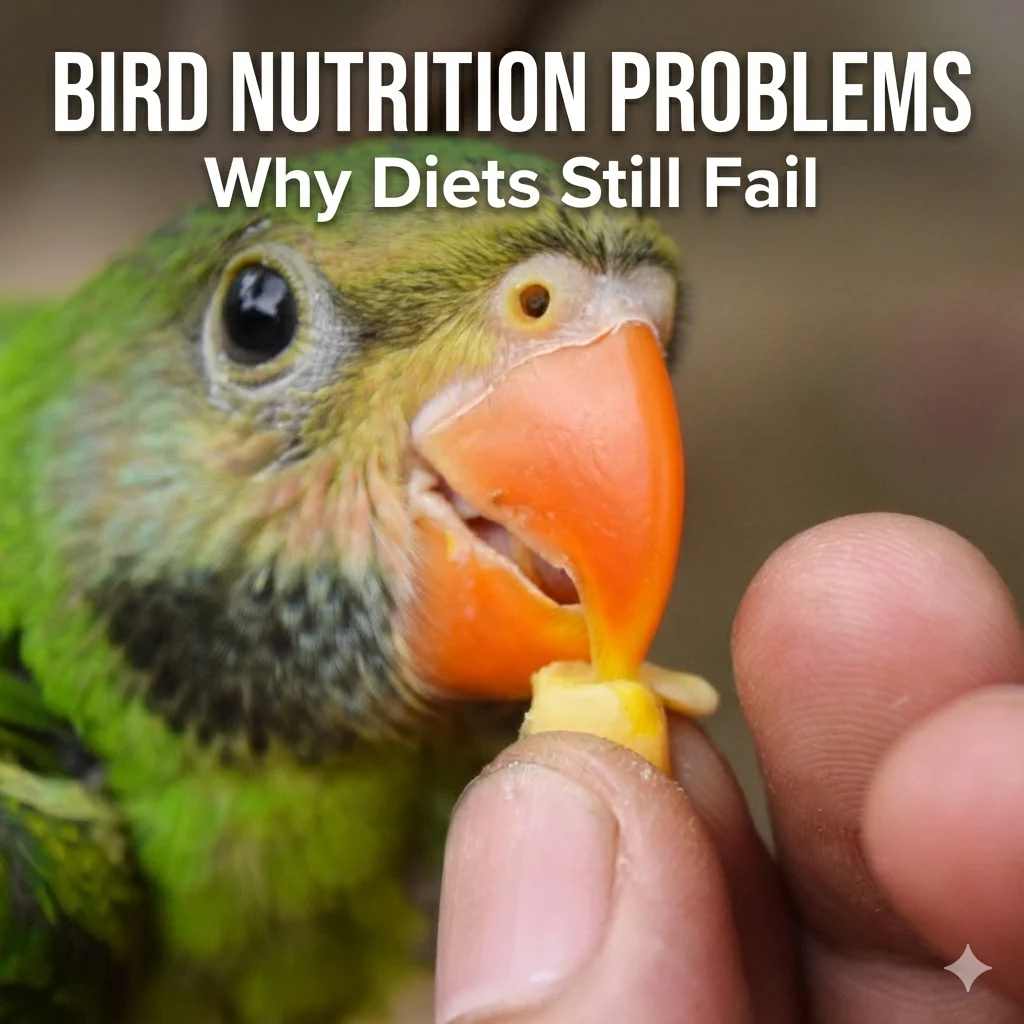
Despite diligent efforts by parrot owners to provide high-quality diets, many birds continue to exhibit signs of weakness, dull feathers, or subtle health issues. This perplexing phenomenon often stems not from a lack of nutritious food, but from a breakdown in the complex metabolic processes required for nutrient absorption and activation within the bird’s body. The journey from "food in the bowl" to "nutrients in the bloodstream" involves critical steps, and if any link—intake, absorption, or activation—fails, the bird’s health can decline, even on an ostensibly balanced diet.
The Unseen Hurdles: When Intake Doesn’t Equal Utilization
The common adage, "you are what you eat," simplifies a biological reality that is far more intricate for avian species, particularly parrots. Owners often provide premium pellets, fresh vegetables, and even some seeds, only to be confronted with a bird displaying unexplained lethargy, poor feather quality, or diminished physical capabilities. This paradox highlights a fundamental challenge in captive avian care: a bird’s ability to absorb and effectively utilize nutrients is just as crucial as the nutritional content of its diet.
For instance, calcium, a cornerstone nutrient for bone health, muscle function, and nerve transmission, requires the active participation of vitamin D3 for its efficient absorption through the intestinal wall. Without adequate vitamin D3, dietary calcium, no matter how plentiful, cannot effectively transfer into the bloodstream. This reliance on a synergistic relationship between nutrients, coupled with environmental factors like light exposure, forms a complex web that, if disrupted, can lead to systemic deficiencies.
Beyond the Bowl: Key Nutrients and Their Interdependencies
Three critical nutrient categories frequently underscore the challenges of avian nutrition:
-
Calcium + D3: The Foundation of Structure and Function
- The "Missing" Link: Egg & Bone Security, Neuromuscular Control
- Critical Functions: Skeletal integrity, proper muscle contraction, nerve signal transmission, and healthy eggshell formation in breeding hens. Deficiencies can manifest as weak bones, splayed legs, seizures, or thin-shelled eggs. The bioavailability of calcium is profoundly dependent on sufficient active vitamin D3, which birds naturally synthesize through UVB exposure.
-
Amino Acids: The Building Blocks of Life
- The "Missing" Link: Total Body Vitality, Tissue Repair, Immune Strength
- Critical Functions: Protein synthesis for feather growth, muscle development, enzyme production, and immune system function. Essential amino acids, which birds cannot synthesize themselves, must be supplied through the diet. A deficiency can lead to poor feather quality, muscle wasting, and compromised immune responses.
-
Trace Minerals: Orchestrators of Metabolism
- The "Missing" Link: Hormonal Balance, Enzymatic Activity, Cellular Health
- Critical Functions: Acting as cofactors for countless enzymatic reactions, regulating hormonal pathways, and supporting antioxidant defense. Minerals like zinc, iodine, and selenium are vital for thyroid function, immune health, and reproductive success. Imbalances, even subtle ones, can lead to a cascade of metabolic dysfunctions.
The "Weak Bird" Paradox: Subtle Signs of Systemic Stress
The question, "My bird eats well – so why do they still look weak?" is a common lament among owners. The answer often lies in the insidious progression of nutrient malabsorption. Unlike acute illnesses, nutritional deficiencies often develop gradually, with early symptoms being subtle and easily misinterpreted.
-
Balanced Diet but Weak Grip in Parrots: One of the earliest indicators of compromised calcium metabolism is a decline in neuromuscular control. Calcium is integral to nerve signaling and muscle contraction. When circulating calcium levels are suboptimal, even if the diet contains calcium, subtle muscle weakness can develop. Owners might notice their bird having difficulty gripping perches, toes occasionally slipping, or an overall reduction in strength when handling. This is not always a dramatic event but a quiet, progressive decline in stability and strength.
-
Shorter Flights and Clumsy Landings: As calcium’s role in neuromuscular function continues to be compromised, high-demand activities such as flight are affected. Birds may exhibit hesitation before taking off, shorter flight durations, or noticeably clumsy landings. These observations, often dismissed as normal variations in activity, can be critical early warnings of underlying calcium deficiency impacting muscle coordination and stamina. The precision required for avian flight makes it a sensitive barometer for metabolic stability.
-
Dull Feathers Despite Eating Pellets: Feather quality is a direct reflection of a bird’s overall metabolic health. While a varied diet is a good start, if the absorption and utilization of essential minerals and amino acids are compromised, the structural integrity of new feathers during molt can suffer. Owners might observe feathers that are duller, thinner, brittle, or have stress bars, even when the bird is consuming a high-quality pellet diet. This indicates that the raw materials are either not reaching the cells in sufficient quantities or are not being properly processed due to underlying metabolic inefficiencies, often linked to mineral balance or absorption.
Navigating the Pellet Predicament: Transitioning from Seed Dependence
"My bird won’t eat pellets. Will they starve?" This concern is valid, as parrots, by nature, can be "neophobic," meaning they are wary of new or unfamiliar objects, including food. For birds raised predominantly on seeds, pellets are an alien concept, lacking the familiar texture and taste. Abruptly switching to pellets can indeed lead to refusal and dangerous weight loss.
-
How to Transition from Seeds to Pellets Safely: A successful transition is not about forcing starvation but about gradual introduction and consistent monitoring. Parrots are routine-driven eaters, and sudden removal of familiar food can trigger profound food refusal. The recommended approach involves slowly mixing small amounts of pellets into the existing seed diet, progressively increasing the pellet-to-seed ratio over weeks or even months. Crucially, monitoring the bird’s weight daily or weekly using a gram scale is paramount. A drop of more than 3-5% of body weight is a red flag, signaling inadequate intake and necessitating a slowdown in the transition process. The primary goal during conversion is caloric stability, with nutritional optimization following once the bird reliably consumes the new food.
-
Seed Addiction in Parrots: The preference for seeds is a learned behavior, not a reflection of nutritional wisdom. Seed-only diets, while high in fat and calories, are notoriously deficient in several vital nutrients, including bioavailable calcium, vitamin A, and essential amino acids. Birds on such diets often appear energetic due to the high-fat content but are slowly developing chronic nutrient imbalances. This "addiction" is driven by texture, palatability, and fat content, making the transition to a healthier diet challenging but essential.
-
The Pervasive Problem of Seed Dominance: "They only want seeds. Is that really so bad?" The answer, unequivocally, is yes, over time. A seed-heavy diet creates predictable and significant nutrient gaps. While commercial seed mixes have improved, most remain deficient in critical nutrients like vitamin A, calcium, and trace minerals such as zinc and iodine. These deficiencies do not cause immediate collapse but rather a slow, insidious decline in health.
- Impact on Epithelial Health: Vitamin A is vital for maintaining healthy epithelial linings in the mouth, sinuses, respiratory tract, and gastrointestinal system. Chronic deficiency leads to squamous metaplasia, where normal epithelial tissue is replaced by a thickened, keratinized tissue that is less protective and more susceptible to bacterial and fungal infections.
- Compromised Bone Density and Immunity: Calcium deficiency weakens bones, leading to conditions like osteodystrophy and increasing the risk of fractures. It also impairs nerve and muscle function. Trace mineral deficiencies can profoundly impact immune response, making birds more vulnerable to pathogens.
- Feather and Beak Integrity: Poor nutrient profiles manifest in dull, brittle feathers, abnormal molting patterns, and even overgrown or flaky beaks.
- Reproductive Issues: Nutrient deficiencies are a significant cause of reproductive problems in breeding birds, including egg binding, poor eggshell quality, and decreased fertility.
-
Pellets vs. Seeds vs. Fresh Food: A Holistic Approach: Seeds primarily provide calories. Pellets are formulated to provide a balanced foundation of micronutrients. Fresh foods (vegetables, some fruits) offer phytonutrients, enzymes, and hydration. However, variety alone does not correct deficiencies if the foundational diet is inadequate. The most stable and recommended approach combines a high-quality formulated pellet as the primary base (60-80% of the diet) with a measured portion of fresh, dark leafy greens and other vegetables, and only a very limited, controlled amount of seeds as treats. This structured approach prevents the "nutrient drift" common in seed-heavy diets.
The Indoor Challenge: Why Pellets and Veggies May Still Fall Short
"They eat pellets and veggies – so why isn’t it working?" This question frequently arises with indoor birds, even those on exemplary diets. The critical oversight often lies in the activation of key nutrients, particularly calcium, which is heavily reliant on vitamin D3.
-
Why Calcium Isn’t Absorbed Without Vitamin D3: The pathway from dietary calcium to usable calcium in the body is complex. Calcium in the bowl is inert until it is absorbed. Vitamin D3 acts as a crucial hormone, activating specific intestinal transport proteins that facilitate the movement of calcium across the gut wall and into circulation. Without adequate D3, a significant portion of dietary calcium simply passes through the digestive tract unabsorbed, despite its presence in the diet.
-
The UVB-D3 Connection and Glass Barrier: Parrots, like many other animals, synthesize vitamin D3 in their skin when exposed to specific wavelengths of ultraviolet B (UVB) light. However, standard window glass blocks virtually all UVB radiation. This means that an indoor bird, even one basking in bright sunlight filtered through a window, is not receiving the necessary UVB to produce its own D3. Consequently, many indoor birds, despite consuming calcium-rich pellets and vegetables, remain metabolically "under-activated" regarding calcium utilization. This chronic, subtle deficiency can manifest over time in the symptoms described earlier.
The Efficacy of Supplements: When and How They Work
"Do supplements in water actually work?" This is a nuanced question with no simple yes or no answer. Bird vitamin supplements can be highly effective, but their efficacy is contingent on several critical variables:
-
Ingredient Stability: Many water-soluble vitamins, particularly vitamin C and some B vitamins, are sensitive to light, heat, and oxygen. When mixed into water and left in an open dish for hours, their potency can degrade significantly, rendering the intended dose ineffective.
-
Consistent Intake: The actual dose a bird receives from a water supplement depends entirely on its daily water consumption. This can fluctuate dramatically based on diet (e.g., high fresh food intake reduces water drinking), activity levels, and environmental temperature. Inconsistent intake leads to unpredictable dosing, making it difficult to correct a deficiency effectively.
-
Bioavailability: The form of the nutrient in the supplement and its ability to be absorbed and utilized by the bird’s body (bioavailability) is paramount. Some forms of minerals, for example, are more readily absorbed than others.
-
Food vs. Water Supplements: For these reasons, food-based delivery often offers improved dose reliability. When a supplement is mixed into a known, consumed portion of chop, soft food, or pellets, owners can confirm actual consumption. This controlled application reduces the risk of underdosing or waste, which is particularly important for nutrients requiring consistent intake, such as calcium, magnesium, biotin, or calming amino acids.
-
When Does a Bird Need a Calcium Supplement? Targeted calcium supplementation, often combined with magnesium and D3, becomes essential in specific scenarios:
- Indoor Housing without UVB: Birds housed indoors without access to full-spectrum UVB lighting are at high risk for vitamin D3 deficiency and subsequent poor calcium absorption.
- Egg-laying Hens: The physiological demands of egg production significantly deplete calcium reserves, making supplementation crucial for reproductive health and preventing egg binding.
- Signs of Neuromuscular Weakness: Birds exhibiting weak grip strength, seasonal decline in activity, or unstable perch transfers often benefit from supplemental support.
- Thin-shelled Eggs: Recurring issues with eggshell quality are a direct indicator of calcium deficiency.
However, supplementation should always be intentional, measured, and ideally guided by an avian veterinarian, as excess calcium can also cause health problems.
The Winter Effect: Why Everything Worsens in Colder Months
"Why does everything get worse in winter?" For parrots, particularly those originating from tropical and subtropical regions, winter brings a significant departure from their evolutionary environment.
-
Winter Light Loss and Vitamin D3: In northern latitudes, winter months are characterized by shorter days and significantly weaker sunlight intensity. This dramatically reduces the natural UVB exposure available to indoor birds, even through windows. Since UVB is essential for cutaneous vitamin D3 synthesis, reduced winter light directly translates to reduced D3 production, which in turn impairs calcium absorption. This cascading effect means that even if a bird’s diet remains consistent, its ability to utilize key nutrients declines, leading to a subtle but progressive weakening.
-
Why Indoor Birds Become Calcium Deficient: Most companion parrots (e.g., African Greys, Amazons, Cockatiels) evolved near the equator, where daylight length and intensity remain relatively stable year-round. When these birds are housed indoors in northern climates, they experience dramatic reductions in both photoperiod and UVB exposure during winter. The glass barrier of windows compounds this by completely blocking the necessary UVB wavelengths. This environmental mismatch means that diet alone cannot fully compensate for the impaired D3 activation, often leading to observable subtle weakness or health issues by late winter.
-
Seasonal Behavior Changes in Parrots: Light exposure is a powerful regulator of circadian rhythm, hormone signaling, and overall metabolic stability. Inconsistent or significantly shortened photoperiods, common in winter, can disrupt these biological clocks. This disruption can manifest as increased irritability, reduced activity levels, a noticeable decrease in grip strength, or even delayed or compromised molt quality. When a bird’s physiology expects tropical consistency but experiences temperate seasonal shifts, both behavior and physical well-being often decline in tandem.
Diagnosis and Intervention: When to Call an Avian Vet Immediately
"Is this Vitamin A deficiency, calcium deficiency – or something worse?" While understanding common deficiency signs is crucial, it is imperative to stress that these are educational guides, not diagnostic tools. Both low and excessively high levels of vitamins and minerals can cause severe health complications. Self-diagnosis and self-treatment are dangerous. Bloodwork, radiographs, and other diagnostic tests performed by a qualified avian veterinarian are the only reliable means to confirm a deficiency, toxicity, or other underlying illness.
-
Signs of Vitamin A Deficiency in Parrots (Educational, Not Diagnostic):
- Nares Discharge/Crusting: Thickened epithelial tissue in the nasal passages can lead to blockages and discharge.
- Swollen Eyelids/Periorbital Swelling: Epithelial changes can affect the tear ducts and surrounding tissues.
- Oral Lesions/Plaques: Whitish, caseous (cheese-like) lesions or plaques in the mouth and throat are classic signs.
- Respiratory Issues: Thickened epithelial lining in the respiratory tract makes birds more susceptible to infections, leading to sneezing, coughing, or difficulty breathing.
- Poor Feather Quality: Dull, brittle feathers, or abnormal molting.
- Note: Excessive synthetic vitamin A supplementation can stress the liver and lead to toxicity. Balance is critical.
-
Signs of Hypocalcemia (Low Calcium) in Parrots (Educational, Not Diagnostic):
- Weak Grip Strength/Slipping Toes: Early and subtle signs of neuromuscular impairment.
- Reduced Activity/Lethargy: Generalized weakness affecting overall energy levels.
- Ataxia/Loss of Balance: In severe cases, poor coordination and difficulty perching.
- Tremors/Seizures: Acute calcium crashes can lead to severe neurological symptoms.
- Egg-binding/Thin-shelled Eggs: In breeding females, indicative of chronic calcium depletion.
- Note: Excess calcium can lead to soft tissue mineralization (e.g., kidney stones), kidney strain, and metabolic imbalances. Supplementation must be precise and species-appropriate.
-
When to Call an Avian Vet Immediately: Certain symptoms warrant immediate veterinary attention and are not "watch and wait" scenarios. These include:
- Acute Weakness or Collapse: Sudden inability to perch or stand.
- Difficulty Breathing: Open-mouthed breathing, tail bobbing, gasping.
- Seizures or Tremors: Uncontrolled muscle spasms.
- Severe Lethargy or Unresponsiveness: A significant change in mental state.
- Persistent Vomiting or Diarrhea: Signs of severe gastrointestinal distress.
- Bleeding: Any unexplained or uncontrolled bleeding.
Acute calcium crashes, severe secondary infections due to vitamin A deficiency, or other systemic illnesses can progress rapidly. An avian veterinarian can provide emergency supportive care, perform blood calcium testing, radiographs, and administer appropriate treatments that cannot be safely replicated at home. Documenting changes in weight, grip strength, appetite, and behavior before the vet visit can provide invaluable diagnostic information.
Implementing Solutions: A Multi-faceted Approach
"What actually fixes the problem?" The solution is rarely singular; it typically involves a multi-faceted approach addressing intake, absorption, and activation concurrently. Correcting one variable while neglecting others often leads to only partial improvement. These corrective steps support metabolic stability but are not a substitute for professional veterinary diagnosis or care.
-
Correcting Vitamin A Deficiency:
- Dietary Enhancement: Incorporate dark leafy greens (kale, spinach, collard greens), orange/yellow vegetables (carrots, sweet potatoes, bell peppers), and some fruits (mango, papaya). These are rich in beta-carotene, a precursor to vitamin A.
- Pellet Foundation: Ensure a high-quality formulated pellet constitutes the majority of the diet, as it provides a balanced source of preformed vitamin A or beta-carotene.
- Supplementation (if advised): Only under veterinary guidance, a vitamin A supplement might be recommended for severe cases, carefully dosed to avoid toxicity.
- Expected Outcome: Improvement is often first seen in oral tissue color and a reduction of nasal debris, followed by better feather quality during the next molt. Consistent intake is key; sporadic vegetable offerings are insufficient to rebuild depleted tissue stores.
-
Installing a Safe UVB Bird Light:
- Full-Spectrum UVB Fixture: Install a specialized avian UVB light fixture positioned appropriately (distance and duration) for the bird’s species. Glass blocks UVB, so window light is ineffective.
- Regular Replacement: UVB bulbs degrade over time, even if they still appear bright. Replace them according to the manufacturer’s schedule (typically every 6-12 months) to ensure effective UVB output.
- Consistent Exposure: Provide consistent daily UVB exposure (e.g., 8-12 hours, mimicking natural daylight) to allow for stable vitamin D3 synthesis. Irregular exposure does not stabilize metabolism.
- Impact: This enables the bird’s body to produce its own active vitamin D3, which is crucial for calcium absorption and overall metabolic health.
-
Using Calcium, Magnesium & D3 Together:
- Synergistic Action: Calcium alone is often insufficient. Vitamin D3 is essential for activating intestinal calcium absorption. Magnesium plays a critical role in over 300 enzymatic reactions, including those involved in calcium regulation, nerve transmission, and muscle contraction. These three nutrients work synergistically.
- Targeted Support: Birds showing weak grip, seasonal decline, egg-laying stress, or permanent indoor housing often require an integrated calcium, magnesium, and D3 supplement, rather than isolated calcium dosing.
- Measured Dosing: Over-supplementation, particularly with calcium, can lead to kidney strain, soft tissue mineralization, and other metabolic imbalances. Dosing must be measured, species-appropriate, and ideally guided by an avian vet.
Conclusion: The Interconnected Web of Avian Wellness
The underlying principle of effective avian nutrition is deceptively simple: Intake matters. Absorption matters. Activation matters. If one fails, the bird fails. Many parrots exhibit early warning signs long before a crisis develops, indicating a breakdown in this metabolic chain. Owners are not failing due to a lack of care, but often due to a lack of understanding of these intricate physiological processes.
By integrating a structured, high-quality diet (pellet foundation with fresh vegetables), providing appropriate environmental enrichment including full-spectrum UVB lighting, and, when necessary, utilizing targeted, vet-guided supplementation, owners can create an environment where a bird’s body can effectively process and utilize the nutrients it consumes. When intake, absorption, and activation are aligned, the strength returns, grip improves, feathers regain their structure and sheen, and energy stabilizes, leading to a healthier, more vibrant companion bird. When symptoms persist despite these interventions, professional veterinary diagnostic testing becomes the essential next step to uncover and address any deeper underlying issues.

