


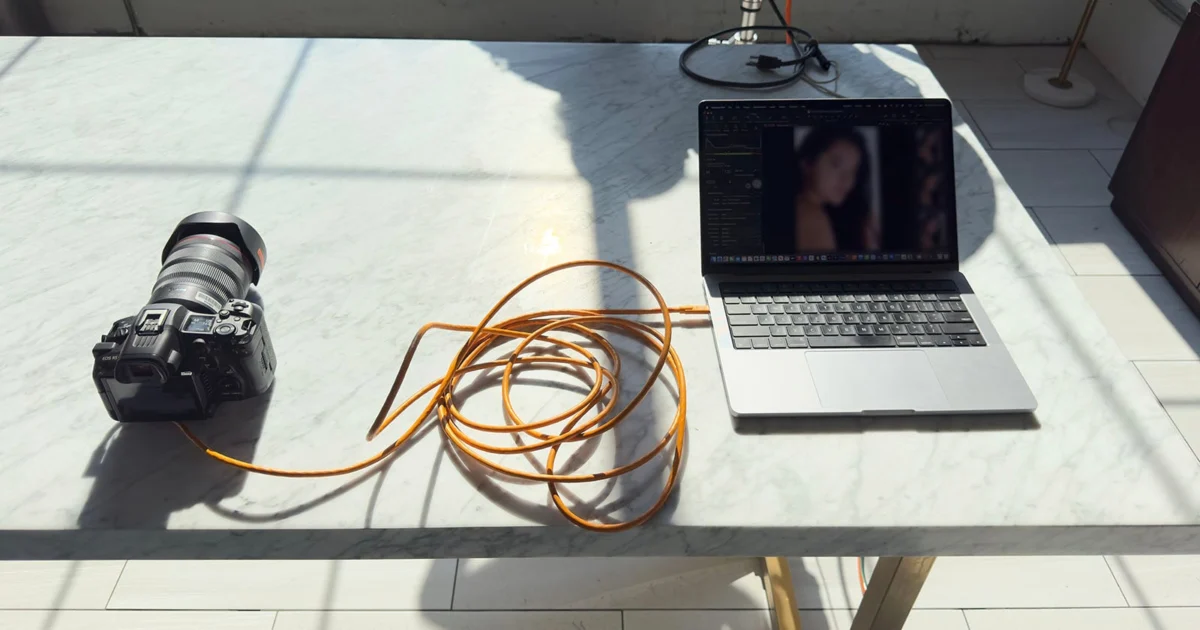
In the high-stakes environment of commercial photography, the transition from a raw camera sensor’s data to a visible image on a client’s monitor represents a critical juncture that often determines the success of a production. While the photographer remains the primary creative lead, a specialized role has emerged as the linchpin of the digital workflow: the Digital Imaging Technician (DIT). Far more than a data manager, the modern DIT acts as a bridge between the raw technical output of high-end camera systems and the psychological expectations of clients, art directors, and subjects. The visual feedback provided on set, often referred to as the "preview grade," has become one of the most significant yet underutilized tools in the commercial advertising industry, shaping the energy of the shoot and the efficiency of the creative process.
The Technical Infrastructure of the Modern Photo Set
To understand the impact of the DIT, one must first recognize the complexity of the modern digital workflow. In a commercial setting, cameras are rarely operated in isolation. Instead, they are "tethered" via high-speed data cables—typically USB-C or Thunderbolt—to a mobile workstation. This station is managed by the DIT, who oversees a sophisticated array of hardware and software designed to ensure data integrity and visual accuracy.
The DIT’s responsibilities begin long before the first frame is captured. The process involves the assembly of a "DIT cart," which serves as a mobile command center. This cart typically houses a high-performance laptop or Mac Studio, professional-grade color-calibrated monitors (such as those from EIZO or BenQ), and redundant RAID storage systems. The software of choice is almost universally Capture One Pro, valued for its robust tethering engine and advanced color manipulation tools.
The baseline technical requirements for a DIT include:
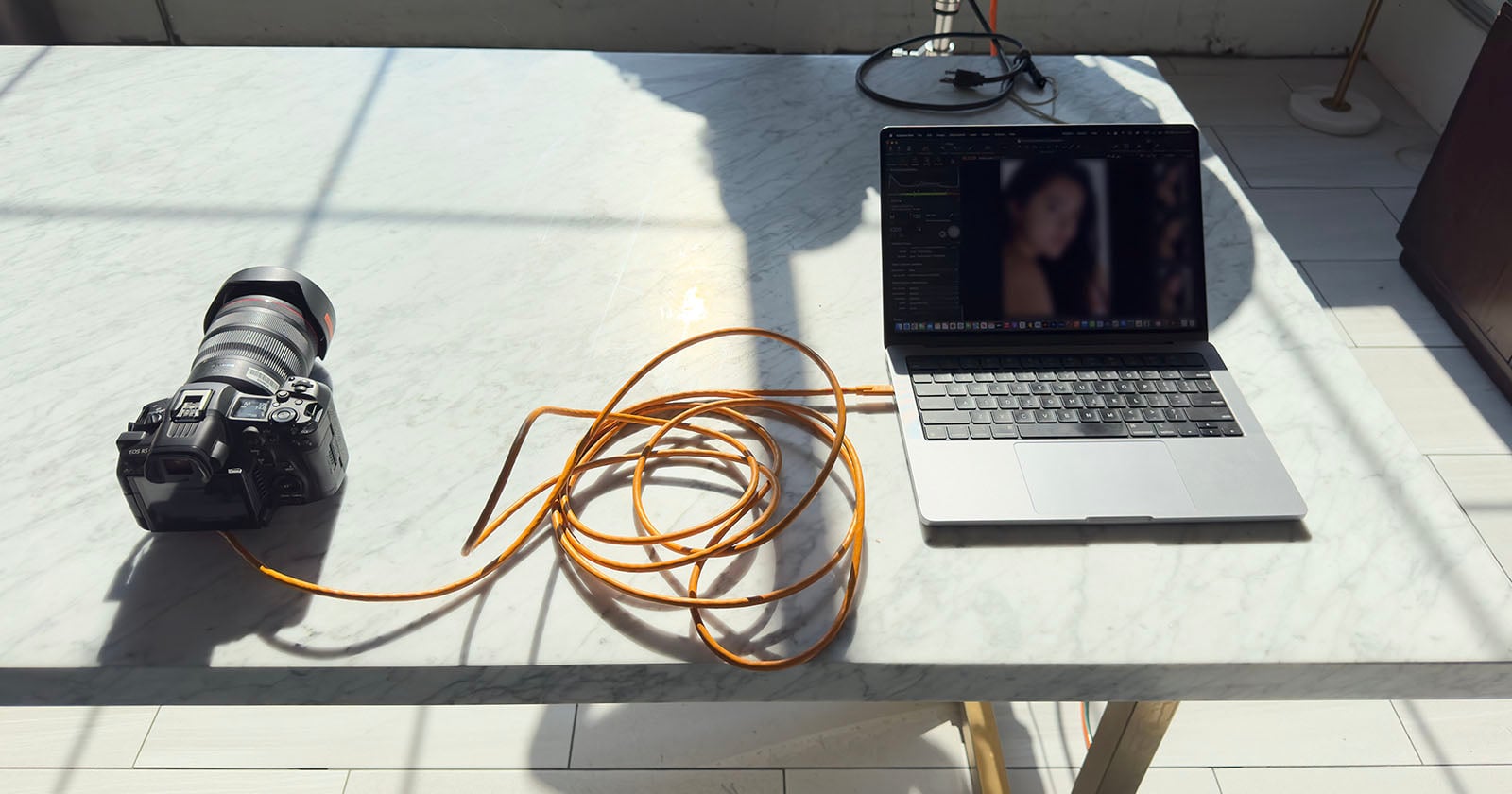
- Tethered Capture Management: Ensuring a stable connection between the camera and computer, often over long distances using active repeaters.
- Color Management: Calibrating monitors to ensure that the colors seen on set match industry standards (sRGB, Adobe RGB, or Rec.709).
- Data Redundancy: Executing a "3-2-1" backup strategy—three copies of the data, on two different media types, with one copy off-site or on a separate drive—in real-time.
- Quality Control: Monitoring every incoming frame for critical focus, exposure clipping, and sensor artifacts.
The Chronology of a Commercial Production Day
A DIT’s workflow follows a rigid timeline that aligns with the broader production schedule. Understanding this chronology reveals how the DIT’s role evolves from a technical one into a creative and psychological one.
07:00 – Load-in and Setup: The DIT arrives early to establish the workstation. This includes building the folder hierarchy for the day, which is often structured by "Shot Number," "Look," or "Product SKU." Initial communication with the photographer ensures that the camera’s metadata—such as copyright info and naming conventions—is correctly configured.
08:30 – The Pre-Light and Test Shots: As the lighting crew adjusts the strobes or continuous lights, the DIT analyzes the initial RAW files. They check for "fringing," "moiré" on clothing, and the "dynamic range" of the scene. This is the moment where the DIT and photographer align on the technical baseline.
09:30 – The "Energy Shift" Phase: This is the most critical window of the shoot. Once the talent (models or subjects) enters the frame, the DIT begins applying non-destructive "styles" or "LUTS" (Look-Up Tables) to the incoming RAW data. As noted by industry experts, the first 20 minutes of a shoot often dictate the mood of the entire day. If a client sees a flat, grey, uncorrected RAW image, their confidence can waver. If they see a polished, vibrant preview, the "energy" in the room lifts.
13:00 – Mid-Day Review: During lunch, the DIT often selects "selects" or "hero shots" for a quick internal review with the Art Director. This ensures the production is hitting its marks before moving to the afternoon setups.
18:00 – Wrap and Data Handoff: As the set is struck, the DIT finalizes the file organization. The client receives a "master" drive and a "backup" drive, containing organized RAW files, the Capture One session (including all preview grades), and often a set of low-resolution JPEGs for immediate review.
The Psychological Impact of the Preview Grade
The "preview grade" is a real-time, non-destructive edit applied to the images as they appear on the monitor. Because RAW files are designed to preserve maximum data, they often appear "flat" and "washed out" to the untrained eye. For a professional model, seeing a flat RAW file can lead to self-consciousness. For a non-professional subject, such as a corporate executive, it can lead to outright anxiety.
When a DIT applies a gentle S-curve to increase contrast, adjusts the white balance to warm up skin tones, and adds a touch of sharpening, the image begins to look like a finished photograph rather than raw data. The psychological impact of this transition is profound.
- Talent Confidence: When a subject walks over to the monitor and sees a flattering version of themselves, their posture improves, their facial muscles relax, and they become more willing to take creative risks.
- Client Reassurance: For clients and art directors, a polished preview removes the "cognitive load" of having to imagine what the final retouched image will look like. It allows them to focus on composition and brand messaging rather than questioning why the colors look "off."
- Efficiency in Communication: A preview grade provides a common visual language. Instead of a client asking for "more pop" (a vague term), they can see the contrast adjustments in real-time and provide specific feedback on the aesthetic direction.
Supporting Data: The Growth of the DIT Market
The demand for DIT services has surged as commercial photography has moved toward higher-resolution systems. Medium-format cameras like the Phase One XF or Fujifilm GFX series produce RAW files ranging from 100MB to 200MB per frame. On a typical commercial shoot, a photographer may capture between 1,000 and 3,000 frames.
Managing this volume of data—potentially 500GB to 1TB per day—requires specialized hardware that goes beyond a standard consumer laptop. According to industry analysis, the market for digital technicians has expanded outside of traditional hubs like New York and Los Angeles into secondary markets like Chicago, Atlanta, and Austin. This growth is driven by the increasing complexity of "hybrid" sets, where stills and motion (video) are captured simultaneously, requiring a DIT who can manage both photo RAW files and video log footage.

Industry Reactions and Professional Ethics
While the benefits of on-set grading are clear, the practice requires a delicate balance of professional ethics. The DIT must operate as a support system for the photographer, not a replacement for the retoucher.
The Photographer’s Perspective: Most professional photographers welcome a DIT who can enhance the "vibe" of the set. However, some prefer a "hands-off" approach to ensure the RAW files remain a blank slate for their specific post-production house. Communication prior to the shoot is essential to determine how much "look" should be applied to the monitor.
The Art Director’s Reaction: Art directors at major agencies often rely on the DIT to provide "confidence clips" or "temp grades." This allows them to send screenshots to off-site stakeholders for immediate approval, significantly speeding up the production cycle.
The Retoucher’s Caveat: A potential risk of an overly polished on-set preview is the "expectation gap." If a client falls in love with a temporary grade created by a DIT in 30 seconds, they may be disappointed if the final high-end retouching takes a different creative direction. Therefore, DITs must clearly communicate that the monitor view is a "preview only" and not the final deliverable.
Implications for Career Development in Photography
The rise of the DIT role offers a strategic career path for photographers, particularly those in the early-to-mid stages of their careers. Serving as a DIT allows an individual to observe the working methods of top-tier photographers, learn the nuances of client management, and master the technical aspects of color science.

As the industry continues to evolve, the DIT is no longer a luxury for high-budget shoots; they are a necessity for any production where time, money, and brand reputation are on the line. The ability to control "the screen that changes the shoot" is a powerful skill set that combines technical mastery with an intuitive understanding of human psychology.
Conclusion: The Future of On-Set Digital Services
The principle of the DIT’s role remains rooted in the "energy" of the room. A great photograph is a confluence of light, subject, and feeling. By ensuring that the digital representation of that moment is as compelling as possible, the DIT protects the creative vision and fosters an environment where excellence can occur. As camera technology moves toward even higher resolutions and integrated AI-assisted workflows, the DIT’s role as the guardian of the digital image will only become more central to the art and business of commercial photography. The screen on set is not just a monitor; it is a mirror of the production’s success, and making sure it tells the right story is the ultimate goal of the modern digital imaging technician.

