


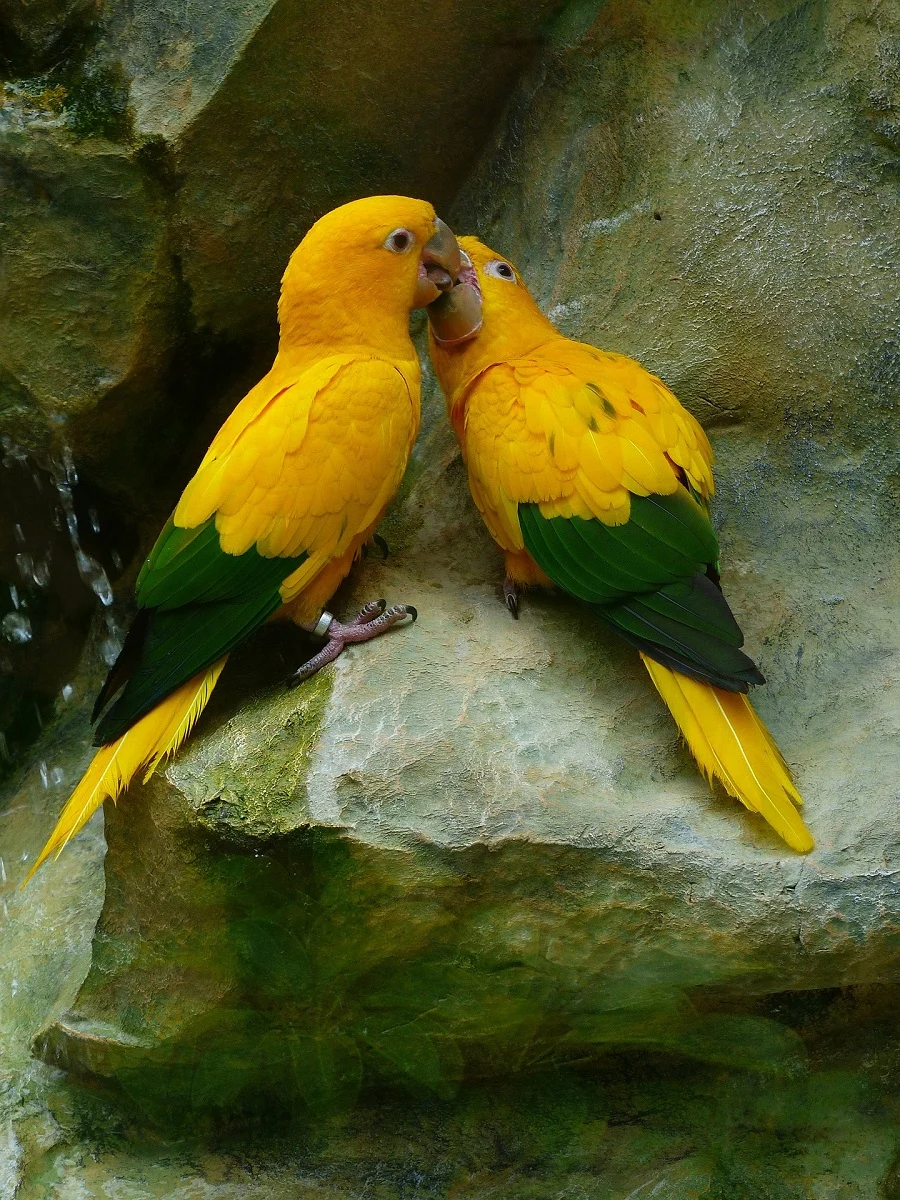
The Golden Conure, often celebrated as the Queen of Bavaria Conure or Golden Parakeet, stands as one of the most visually stunning parrots globally, captivating potential owners with its resplendent golden plumage. This article delves into the intricate details of this magnificent bird, exploring its unique characteristics, natural habitat, dietary needs, specific care requirements in captivity, and the critical conservation challenges it faces.
Physical Characteristics: A Royal Plumage
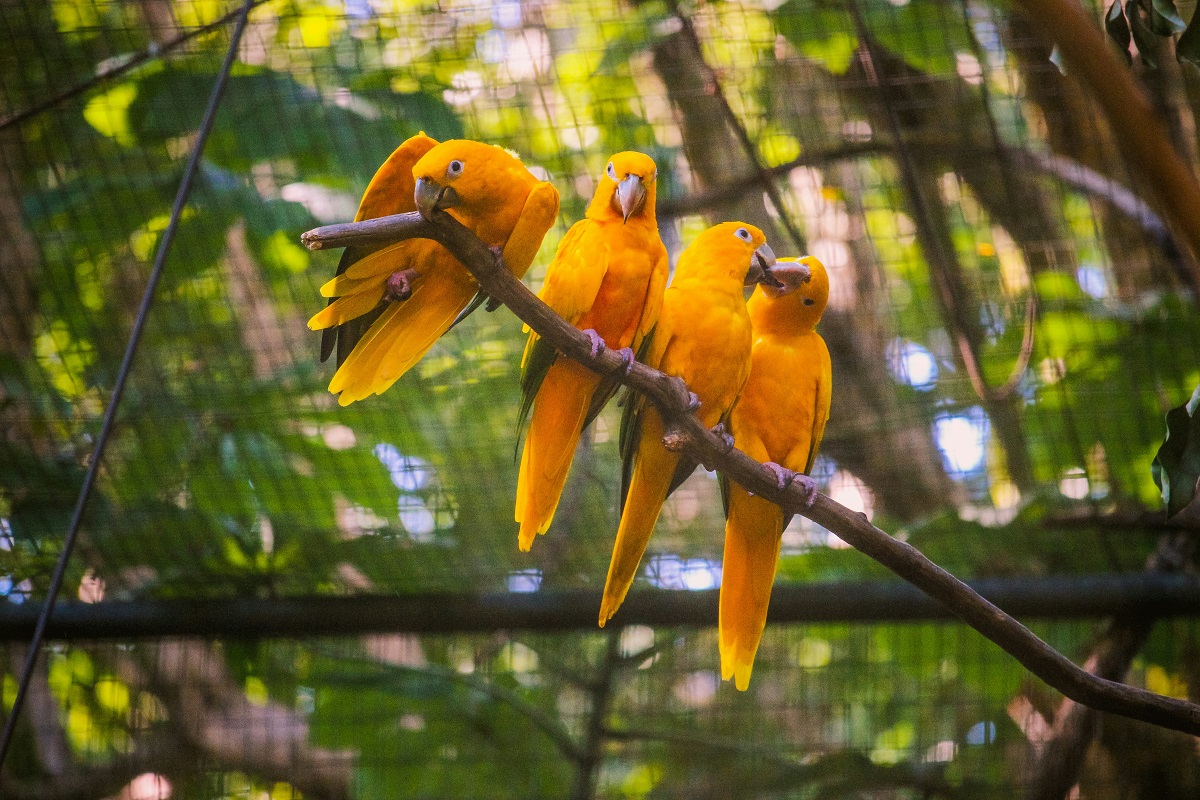
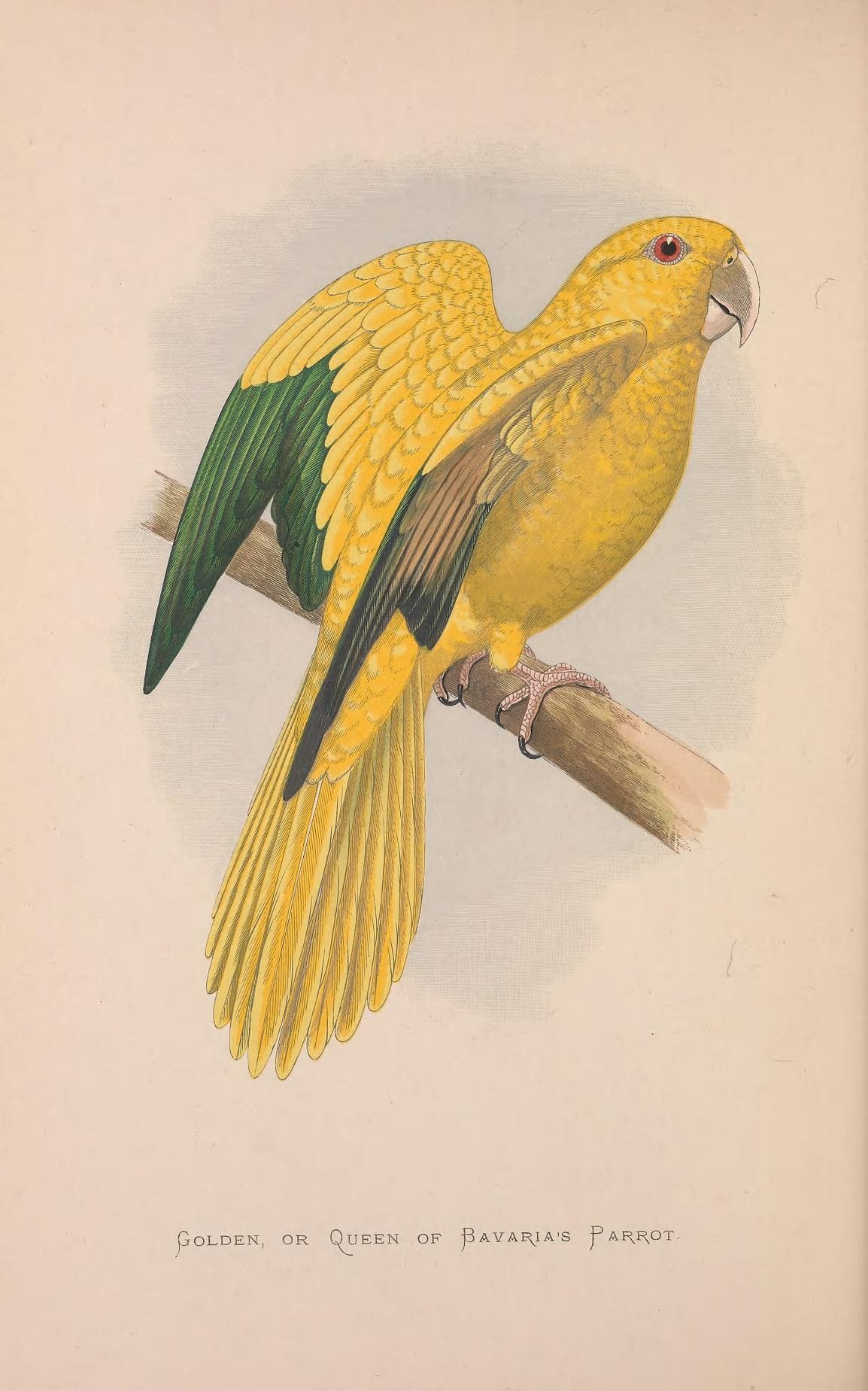
Distinguished by its almost entirely uniform golden-yellow coloration, the Golden Conure (scientific name: Guaruba guarouba) is the sole species within its genus, Guaruba, underscoring its unique evolutionary path. This medium-sized parrot typically reaches lengths of up to 14 inches (35 cm) and weighs an average of 250 grams. Its prominent, horn-colored beak is a distinctive feature. While adults boast an unbroken expanse of yellow across their bodies, punctuated only by dark green wingtips, juvenile birds exhibit a more varied palette, displaying significant green speckling on their wings, and sometimes across their backs and heads. A notable aspect of the species is its monomorphic nature, meaning there are no visible differences between males and females. Determining the sex of a Golden Conure requires a DNA test, a common practice in avian husbandry.
Evolution of a Name: A Taxonomic Journey
The scientific classification of parrots, often fraught with common name ambiguities, is a dynamic field where understanding of species relationships constantly evolves. The Golden Conure’s taxonomic history is a prime example of this ongoing scientific refinement. Initially described under the genus Conurus, it subsequently moved through Eupsittula and then Aratinga. However, ornithologists consistently suspected its distinctiveness warranted placement in its own genus. This hypothesis was solidified when ornithologist Joseph Forshaw, in his authoritative 2006 guide "Parrots of the World," formally listed it as Guaruba guarouba. This designation has since been widely accepted and supported by robust phylogenetic studies. A pivotal 2006 article in Systematic Biology, for instance, presented molecular evidence demonstrating that Guaruba is more closely related to the red-shouldered macaws of the genus Diopsittaca than to the Aratinga conures, thereby confirming its unique generic status and solidifying its current scientific name. This intricate taxonomic journey highlights the continuous efforts in ornithology to accurately map the tree of life.
The Amazonian Realm: Habitat and Range
Native to South America, specifically the Brazilian Amazon Basin, the Golden Conure’s natural range primarily encompasses the state of Pará, with potential extensions into neighboring Maranhão. Within this vast and biodiverse ecosystem, these parrots exhibit a preference for dry lowland (terra firme) forests. However, they are also known to venture into seasonally flooded areas (várzea) in search of food and nesting sites, showcasing a degree of adaptability to their dynamic environment. The species is characterized by its nomadic behavior, with observations indicating that during the breeding season, pairs or small groups often depart denser jungle areas for less congested zones, possibly to reduce competition or enhance foraging opportunities.
Nesting activities are typically conducted in the hollows of relatively isolated trees, sometimes involving the enlargement of cavities previously utilized by other species. A fascinating aspect of their reproductive biology is the propensity for multiple female Golden Conures to lay eggs in the same nest, resulting in unusually large clutches that can exceed ten eggs. This communal nesting strategy, while intriguing, presents unique challenges and dynamics within the breeding group.
Conservation Imperative: Protecting a Vulnerable Species
Despite its striking beauty, the Golden Conure faces a precarious future. The International Union for Conservation of Nature (IUCN) Red List currently classifies Guaruba guarouba as a Vulnerable species, a designation that underscores the significant threats to its survival in the wild. While direct trapping for the international pet trade has seen a decline due to increased awareness and legal protections, the primary drivers of population reduction today are habitat fragmentation and destruction. The relentless expansion of agriculture, logging, mining, and infrastructure development in the Amazon rainforest continues to decimate the pristine forests these birds call home. Between 2000 and 2012, the Brazilian Amazon lost an average of 6,240 square kilometers of forest annually, directly impacting the Golden Conure’s critical habitat. Conservationists warn that without sustained and effective intervention, the species’ long-term viability remains uncertain.
Historically, the Golden Conure held significant cultural and economic value for indigenous populations in Brazil, locally known as "Ararajuba." Beyond its role in the pet trade, its vibrant golden feathers were highly prized for ceremonial attire and decorative purposes. This historical demand, coupled with its intrinsic beauty, sometimes led to illicit practices, with reports of other conure species being dyed yellow to command higher prices in local animal markets, a testament to the enduring allure of the "Ararajuba."
Statements from conservation organizations, such as the World Parrot Trust, frequently emphasize the urgent need for integrated conservation strategies. "Protecting the Golden Conure requires a multi-faceted approach," states Dr. Elena Petrova, a leading avian conservationist. "This includes establishing and enforcing protected areas, promoting sustainable land use practices, and engaging local communities in conservation efforts. Captive breeding programs also play a vital role, not just for maintaining genetic diversity, but also for educating the public about the species’ plight." These programs aim to create a safety net for the species and potentially support future reintroduction efforts, though the latter remains complex given ongoing habitat threats.
Dietary Needs: From Wild Foraging to Captive Care
In their natural Amazonian environment, wild Golden Conures enjoy a diverse and seasonally varied diet. Scientific studies have revealed that their primary food source consists of fruits, with particular favorites including the fruits of açaí and bacaba palms, as well as those from cashew, ice cream bean, nance, and locustberry trees. Flowers and flower buds also constitute an important part of their diet. Like many other parrot species, they are opportunistic feeders and will occasionally raid local agricultural crops, showing a particular fondness for corn and mango. This natural diet, rich in diverse nutrients, reflects the abundance of the rainforest.
In captivity, replicating this natural dietary diversity is crucial for the Golden Conure’s long-term health and well-being. Avian veterinarians universally recommend a high-quality, commercially formulated parrot pellet as the cornerstone of their diet. These pellets are designed to be nutritionally balanced, providing essential vitamins, minerals, and amino acids, and are significantly lower in fat than traditional seed mixes. Pellets should constitute approximately 60-70% of the daily intake.
To ensure variety and mental stimulation, the remaining 30-40% of their diet should consist of a wide array of fresh foods. This includes:
- Vegetables: Leafy greens (kale, spinach, romaine lettuce), bell peppers (all colors), carrots, broccoli, zucchini, sweet potatoes, green beans.
- Fruits: Apples (seeds removed), berries (blueberries, raspberries, strawberries), mango, papaya, melon, kiwi, grapes. Fruits should be offered in moderation due to their sugar content.
- Healthy Grains & Legumes: Cooked brown rice, whole wheat pasta, quinoa, lentils, chickpeas.
- Limited Nuts: Almonds, walnuts, pistachios (unsalted, in moderation, as treats due to high fat content).
- Safe Herbs: Parsley, cilantro, basil.
Foods to strictly avoid include avocado, chocolate, caffeine, alcohol, fruit pits/seeds (apple, cherry, peach, apricot), and anything with added salt, sugar, or artificial sweeteners. A healthy diet is paramount for preventing common avian health issues such as obesity, vitamin deficiencies (e.g., Vitamin A deficiency leading to respiratory problems), and liver disease, all of which can significantly reduce a Golden Conure’s lifespan. Presenting food in foraging toys is an excellent way to combine mealtime with mental and physical enrichment, mimicking their natural foraging behaviors and preventing boredom.
Captive Care Requirements: Housing and Environment
Golden Conures are not small birds, and their active nature necessitates a spacious living environment. For owners who intend to keep their bird primarily caged, a full-sized indoor aviary is ideal, providing ample room for flight and exercise. If the bird will be allowed out of its enclosure for several hours daily, a cage with a minimum width of 40 inches (1 meter) and a proportional height and depth is generally considered acceptable. However, larger is always better for these energetic parrots.
The cage interior must be thoughtfully furnished to promote physical and mental well-being. A variety of natural wood perches of different diameters and textures should be provided to prevent foot problems like bumblefoot. Platforms and ladders further encourage climbing and exploration. Critically, the enclosure must be filled with a diverse selection of parrot toys. Golden Conures are highly intelligent and playful beings that bore easily, making toys essential for chewing, shredding, preening, and noise-making. Toys made from natural fibers, wood, and safe plastics are recommended. Regular rotation of toys prevents monotony.
Beyond the cage, dedicated spaces for out-of-cage time are vital. A cage-top playground equipped with additional perches and toys offers a safe and stimulating area for interaction. Alternatively, a free-standing parrot tree can provide an expansive and engaging environment. These external play areas are crucial for encouraging exercise, social interaction, and preventing behavioral issues stemming from confinement. The ambient temperature should be kept between 65-80°F (18-27°C) with moderate humidity, mimicking their tropical origins.
Enrichment: Stimulating Minds and Bodies
As previously highlighted, Golden Conures, like all parrots, possess complex cognitive abilities and a strong drive for social interaction and foraging. In the wild, they spend significant portions of their day engaging with their flock, searching for food, and navigating their environment, all of which provide constant mental and physical stimulation. In captivity, a lack of adequate enrichment can lead to profound stress and a range of undesirable behaviors, including excessive screaming, feather plucking (a serious self-mutilating behavior), or even aggression. Therefore, keeping these birds actively engaged is paramount for their welfare.
Effective enrichment strategies include:
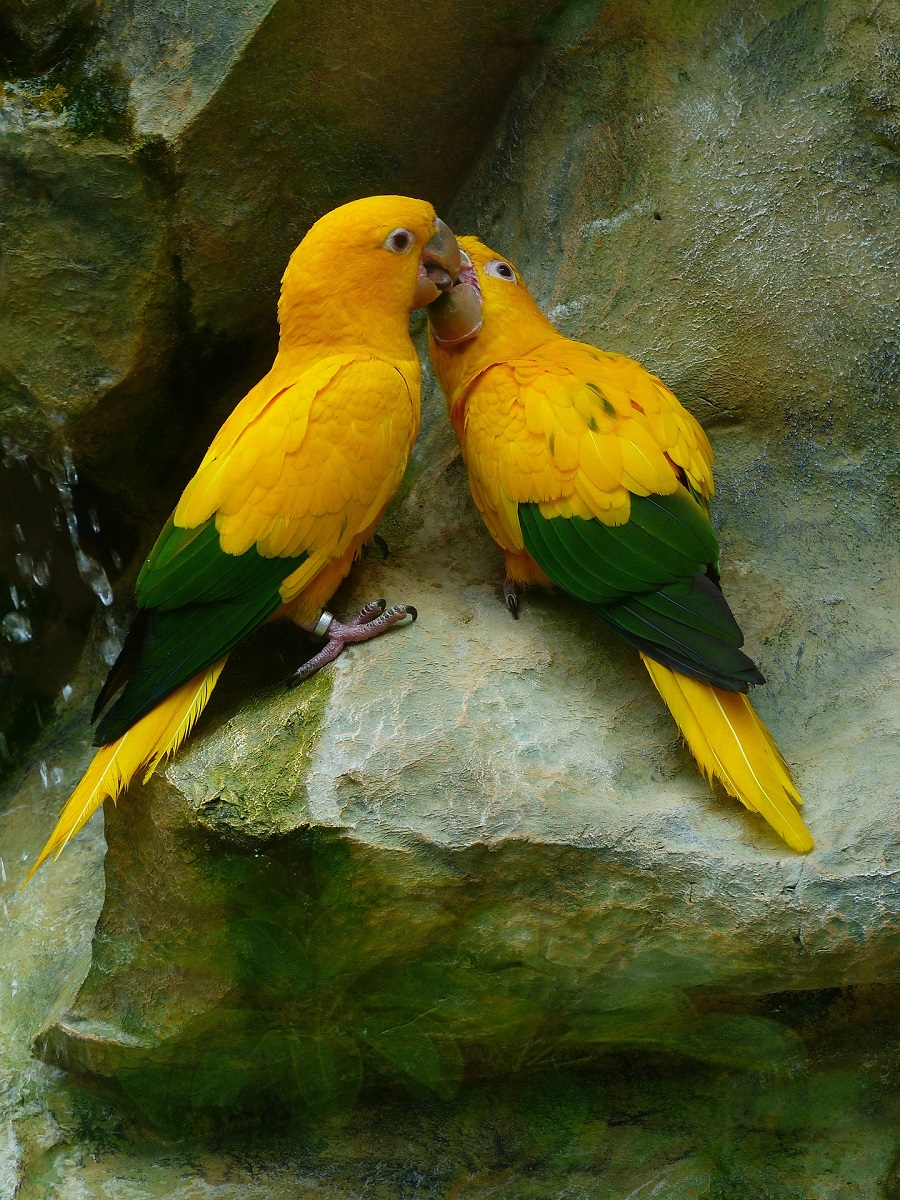
- Social Interaction: Golden Conures thrive on interaction with their human flock. Daily dedicated playtime, training sessions, and simply spending time in the same room are crucial. They often bond with multiple family members, making them excellent family pets if attention is consistently provided.
- Foraging Opportunities: Instead of simply presenting food in a bowl, hide treats in foraging toys, cardboard boxes, or rolled-up paper. This mimics their natural behavior of searching for food and provides mental challenge.
- Chewing and Shredding Toys: Parrots have an innate need to chew. Provide a constant supply of safe chewable items, such as untreated wood blocks, natural ropes, paper, and cardboard, to satisfy this instinct and prevent destructive chewing on household items.
- Physical Exercise: Encourage flight and climbing both inside and outside the cage. Supervised out-of-cage time is essential for muscle development and cardiovascular health.
- Sensory Stimulation: Offer a variety of sounds (music, nature sounds), sights (different toys, safe views from windows), and textures (different perches, foraging materials).
- Training: Positive reinforcement training not only strengthens the bond between owner and bird but also provides mental exercise. Teaching simple tricks or commands can be highly rewarding for both parties.
Before allowing a Golden Conure free access to any room, it is imperative to thoroughly parrot-proof the area. This involves identifying and removing potential hazards such as toxic plants, exposed electrical wires, open windows or doors, other pets, and small ingestible objects. Parrots are naturally curious and can easily get into dangerous situations. It is a stark reality that obesity is a primary cause of death for pet parrots. These enrichment tips, therefore, not only prevent boredom and stress but also actively encourage physical activity, contributing significantly to a longer, healthier life for the Golden Conure.
Temperament and Socialization: A Bright Personality
Golden Conures are renowned for personalities as vibrant as their coloration. While individual variations exist, and early socialization plays a crucial role, most Golden Conures are characterized by a friendly, affectionate, and even-tempered disposition. Unlike some parrot species that may form exclusive bonds with a single individual, Golden Conures often display a willingness to bond with multiple family members, making them adaptable companions.
These energetic birds revel in playtime and enjoy close physical proximity, often content to perch on a shoulder for extended periods, accepting gentle cuddles. Their sociable nature means they thrive on attention and interaction, forming strong bonds with their caregivers. They are not typically known for aggression and are generally considered playful and inquisitive. However, their need for constant attention underscores that they are not low-maintenance pets. Prospective owners must be prepared to dedicate significant time daily to interaction and enrichment to ensure a happy, well-adjusted bird.
Vocalization and Communication: A Powerful Voice
While the Golden Conure’s screams may not possess the same piercing intensity as those of some Aratinga conures, such as the Sun Conure, they are by no means quiet birds. Their relatively large size contributes to a powerful voice, and the noise level can vary between individuals. Prospective owners must seriously consider whether they can comfortably accommodate the species’ vocalizations within their living environment. It is highly recommended to visit a breeder or individuals who own Golden Conures to experience their typical noise levels firsthand before committing to ownership. Online resources, such as xeno-canto, offer recordings of Guaruba guarouba vocalizations, providing an auditory preview of what to expect.
Regarding their ability to mimic human speech, most parrots possess the capacity to remember and imitate sounds from their environment. However, conures, including the Golden Conure, are not typically recognized as champion talkers in the same league as African Greys or Amazon parrots. While some individuals may pick up simple words, their names, short phrases, easy tunes, and household sounds, their voices are often not exceptionally clear or extensive. Their communication tends to lean more towards a variety of squawks, chirps, and whistles, which are integral to their social interactions.
Broader Implications and Responsible Ownership
The decision to bring a Golden Conure into one’s home carries significant ethical and practical implications, especially given its vulnerable conservation status. Responsible pet ownership extends beyond providing basic care; it encompasses understanding the species’ needs, supporting ethical breeding practices, and contributing to its conservation.
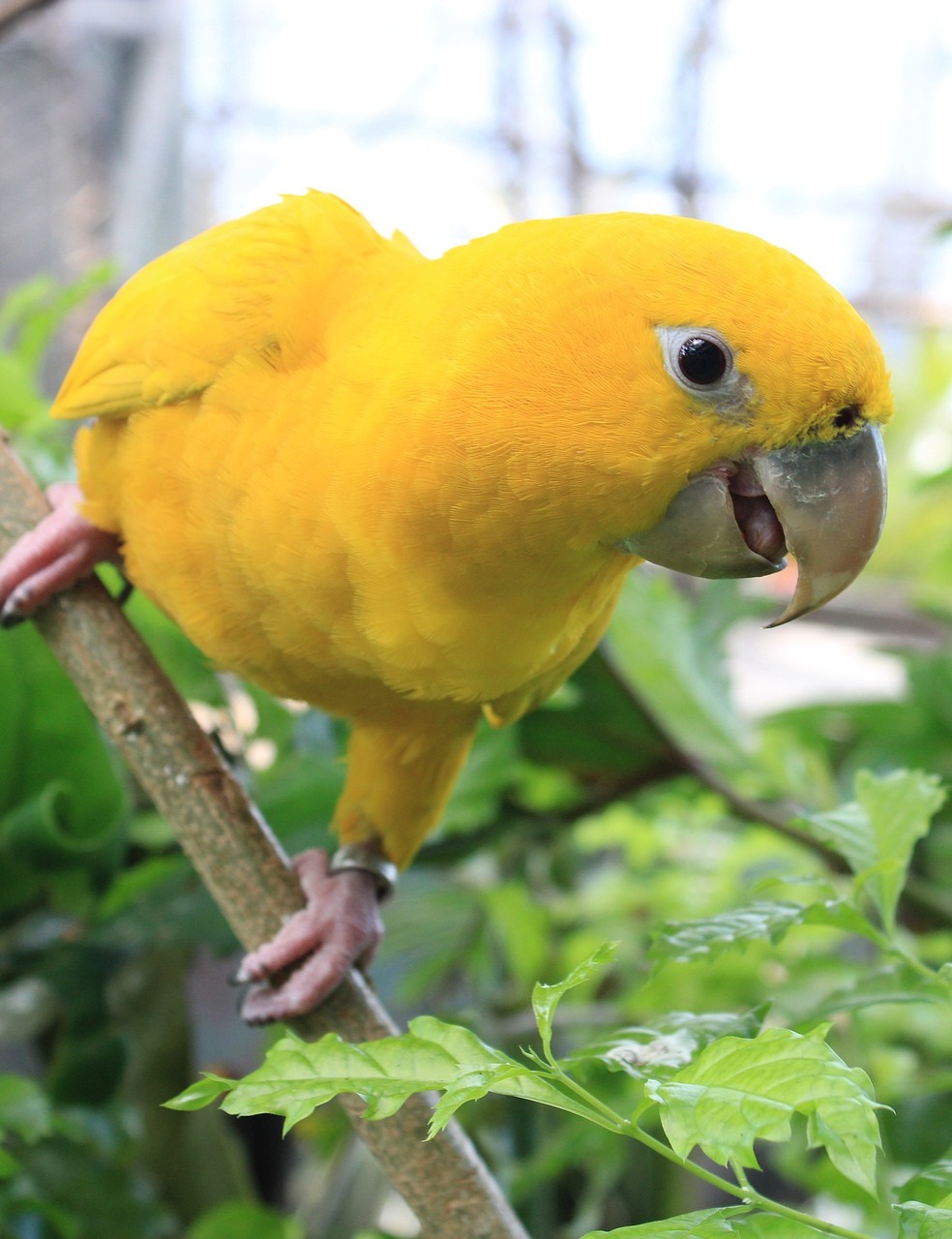
The beauty that makes the Golden Conure so desirable as a pet also ironically contributed to its decline in the wild through historical trapping. Today, while legal trade is regulated, the underlying threats of habitat destruction persist. This creates a paradox where captive populations, if managed ethically, can serve as ambassadors for their wild counterparts and as a genetic reservoir. However, it also places a heavy burden of responsibility on owners to provide an environment that genuinely caters to the complex needs of such an intelligent and long-lived creature, capable of living up to 30 years.
Ethical considerations mandate that potential owners thoroughly research the species, ensuring they can provide the necessary space, diet, enrichment, and social interaction for decades. Supporting reputable breeders who prioritize the health and welfare of their birds, and who adhere to legal and ethical standards, is crucial. Furthermore, advocating for conservation efforts in the Amazon, whether through donations to wildlife organizations or supporting sustainable product choices, can indirectly contribute to the survival of the Golden Conure in its native habitat.
The Golden Conure is more than just a beautiful pet; it is a sentient being with complex needs and a species facing significant threats in the wild. Its care demands dedication, knowledge, and a long-term commitment. For those prepared to meet these demands, the "Queen of Bavaria" offers a rewarding companionship, enriching lives with its vibrant presence and lively personality, while also serving as a poignant reminder of the critical importance of avian conservation.

