


The New Iberia Research Center (NIRC), a facility under the auspices of the University of Louisiana at Lafayette, has come under intense scrutiny following the release of whistleblower footage detailing allegations of systemic neglect and animal welfare violations. As the largest primate testing facility in the United States, the NIRC houses more than 12,000 primates, including rhesus macaques, long-tailed macaques, pig-tailed macaques, and African green monkeys. The newly surfaced video, shared with the animal rights organization PETA, appears to document a environment of filth, psychological distress, and physical trauma that challenges the facility’s compliance with federal standards.
The footage provides a rare glimpse into the daily lives of animals used in biomedical research, showing primates confined to small, barren cages where feces, urine, and rotting food collect in the spaces beneath them. According to the whistleblower, many of these animals are subjected to solitary confinement in closet-sized rooms, a practice that prevents them from engaging in natural social behaviors. This isolation often leads to severe chronic stress, evidenced in the footage by animals suffering from extensive hair loss and self-mutilation.
Observations of Confinement and Breeding Practices
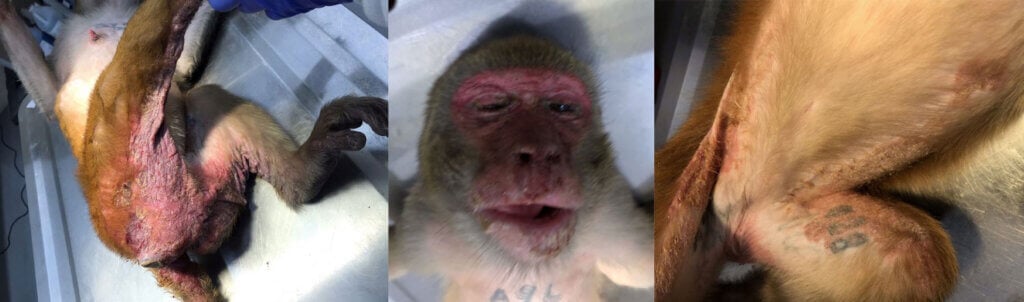
The whistleblower’s documentation highlights specific instances of what is described as "force-breeding" setups. In these scenarios, male rhesus macaques are reportedly given access to trapped females within confined cage systems, offering the females no means of escape or choice. The footage captures at least one female macaque with visible injuries, including wounds on her head and significant patches of missing hair.
Furthermore, the video depicts African green monkeys held in breeding cages where the floors are allegedly smeared with thick layers of excrement. The visual evidence suggests a lack of routine sanitation, a direct violation of the basic husbandry requirements mandated by the federal Animal Welfare Act (AWA). One specific case noted in the report involves a rhesus macaque named "Helen," who reportedly suffered from unresolved, chronic skin irritation for years. According to internal records obtained through public records requests by the group Rise for Animals, Helen’s condition eventually became so debilitating that staff were forced to euthanize her.
The Scope of Biomedical Experiments at NIRC
Beyond the living conditions, the NIRC is a hub for invasive biomedical research, much of which is funded by U.S. taxpayers through grants from the National Institutes of Health (NIH). The facility serves as a primary site for studies involving infectious diseases, including respiratory syncytial virus (RSV) and simian immunodeficiency virus (SIV), the latter being the primate equivalent of HIV.
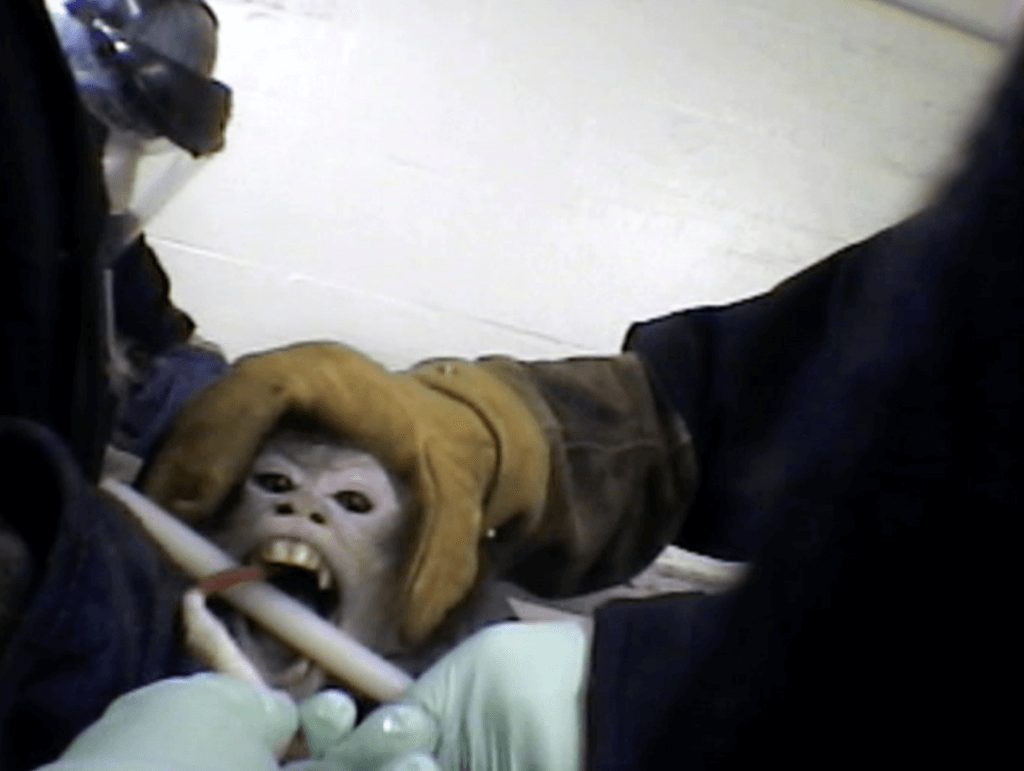
The experimental protocols described in the report involve a traumatic cycle of procedures. Primates are reportedly subjected to repeated anesthesia, frequent blood draws, and the forced ingestion of substances via tubes inserted through their noses or down their throats. To study the progression of viruses, experimenters inject pathogens into the animals’ rectums or vaginas. These procedures are often followed by invasive biopsies of sensitive tissues, including the cervix and rectum, to monitor viral loads and immune responses.
In other documented tests, fluid is flushed into the lungs of the monkeys and subsequently suctioned out for analysis. Some primates are injected with radioactive substances for imaging purposes. The culmination of these studies almost invariably results in the terminal dissection of the animals, as researchers seek to examine internal organs and tissue changes post-infection.
A Chronology of Regulatory Violations and Animal Deaths
The New Iberia Research Center has a documented history of federal violations that predates the current whistleblower allegations. Since 2007, the U.S. Department of Agriculture (USDA), which is responsible for enforcing the Animal Welfare Act, has fined the laboratory more than $158,000 for various infractions.
A particularly harrowing incident cited by the USDA involved the deaths of 19 monkeys. Records indicate that these animals were left outdoors for several days during a period of extreme weather, with temperatures dropping as low as 2 degrees Fahrenheit. The only protection provided to the animals were plastic barrels. Subsequent necropsies revealed that 13 of the 19 monkeys had underlying health conditions that made them even more vulnerable to the cold, yet they were left exposed regardless.
The facility’s history of preventable deaths includes:
- Dehydration: Infant monkeys have reportedly died from thirst following the failure of automated water systems.
- Infrastructure Failures: Animals have been electrocuted by faulty electrical systems and have died from exposure to both extreme heat and freezing temperatures due to inadequate climate control in aging structures.
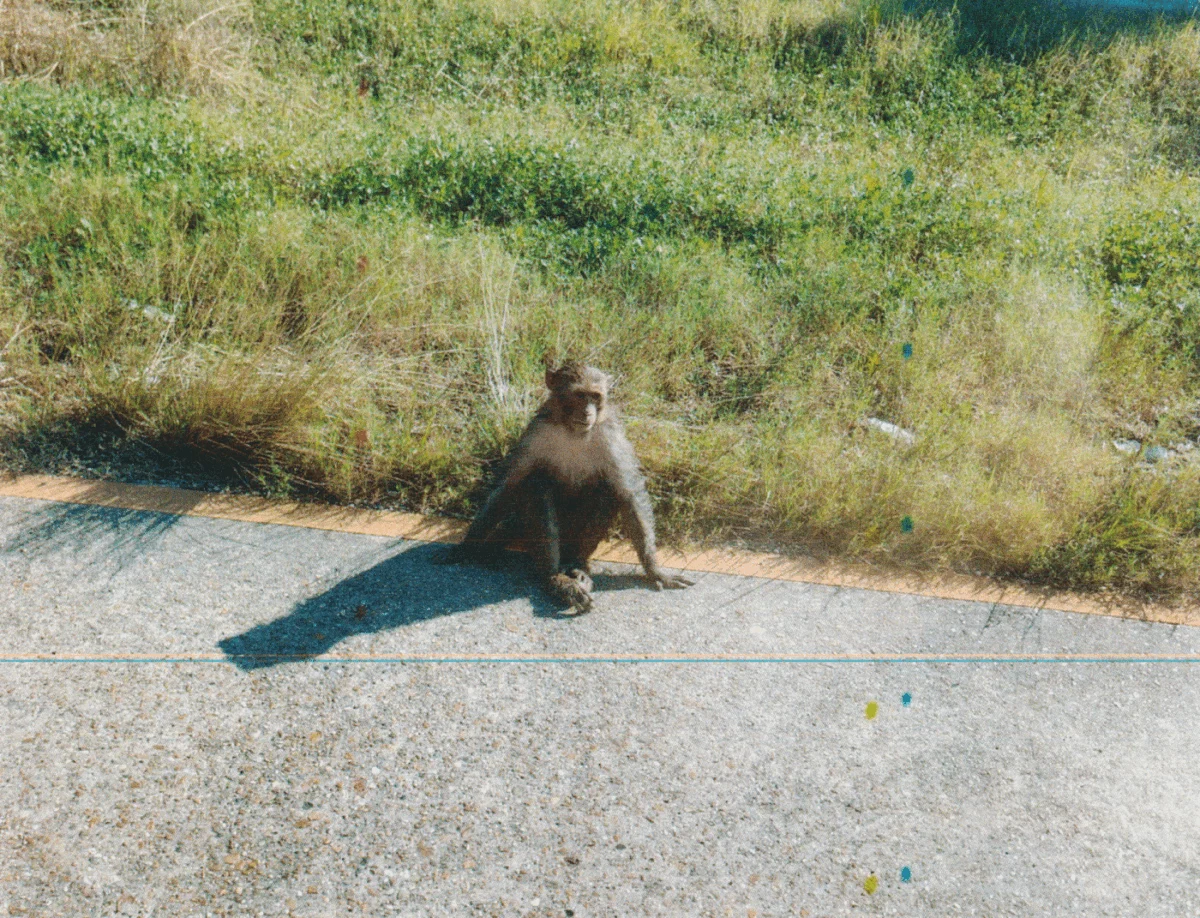
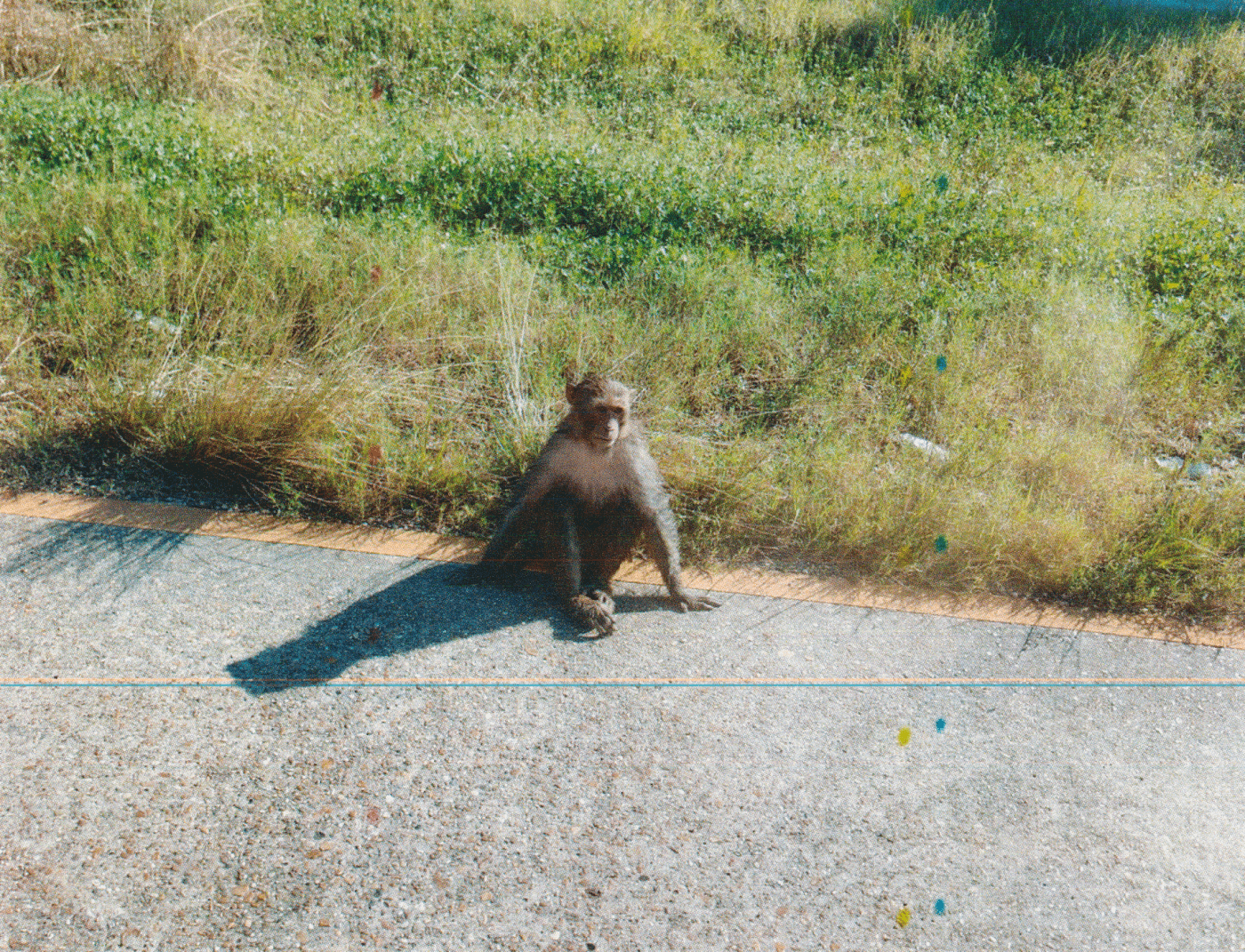
- Escapes: Poorly maintained enclosures have allowed multiple monkeys to escape. One notable case involved a five-year-old male rhesus macaque, identified as "A13X040," who escaped into nearby woods and was found on a public roadway two days later.
- Mutilation and Neglect: Necropsy reports have uncovered instances where the remains of infant monkeys were found mutilated by other stressed primates. In some cases, the bodies were so decomposed by the time staff retrieved them that a cause of death could not be determined.
Internal Culture and Financial Pressures
The whistleblower allegations suggest that these failures are not merely accidental but are the result of a deliberate corporate culture focused on cost-cutting. Staff members have reportedly been instructed to maintain aging and failing infrastructure with "improvised fixes" rather than investing in necessary equipment upgrades. This systemic underfunding of maintenance is believed to be a primary driver behind the repeated incidents of animal deaths during weather extremes and equipment malfunctions.
The financial model of the NIRC relies heavily on its ability to provide a massive inventory of primates for the global research market and the U.S. government. However, critics argue that the millions of dollars in federal grants funneled into the center are being used to sustain a facility that consistently fails to meet the most basic ethical and legal requirements for animal care.
Broader Implications for the Scientific Community
The controversy surrounding the New Iberia Research Center arrives at a time of significant debate within the scientific community regarding the necessity of primate research. While many researchers argue that non-human primates are essential for developing vaccines and treatments for human diseases, there is a growing movement toward "New Approach Methodologies" (NAMs). These include organ-on-a-chip technology, sophisticated computer modeling, and the use of human cell cultures, which proponents argue are often more accurate and humane than animal models.
The allegations at NIRC provide ammunition to advocates who argue that the "primate model" is not only ethically fraught but also scientifically stagnant when conducted in environments of extreme stress. Chronic stress in laboratory animals is known to alter physiological data, potentially compromising the results of the very experiments the animals are forced to endure.
Institutional Response and Call for Action
In response to the footage and the whistleblower’s claims, PETA has formally urged the USDA to launch a comprehensive investigation into the apparent AWA violations. Furthermore, the organization is calling on the National Institutes of Health to cease the renewal of grants and contracts with the University of Louisiana at Lafayette’s research arm.
The University of Louisiana at Lafayette has historically defended the NIRC, emphasizing the facility’s role in critical biomedical advancements and asserting that it operates under the oversight of various regulatory bodies. However, the recurring nature of the USDA citations and the graphic nature of the whistleblower footage have led to increased public and political pressure for greater transparency.
As of the latest reports, over 19,000 individuals have signed petitions calling for an end to federal funding for the NIRC. The situation remains a focal point for the debate over the balance between scientific progress and the moral obligation to provide humane treatment to sentient beings. The outcome of the requested USDA investigation could have far-reaching consequences for the future of large-scale primate research facilities in the United States.
Fact-Based Analysis of Regulatory Oversight
The recurring fines and citations against NIRC highlight a potential gap in the effectiveness of current regulatory oversight. While the USDA has the authority to issue fines, critics point out that for a facility receiving millions in federal funding, a $158,000 fine over 17 years may be viewed as a "cost of doing business" rather than a meaningful deterrent.
The reliance on whistleblowers to bring these conditions to light suggests that routine inspections may not be capturing the full extent of daily operations. For the scientific community, the NIRC case serves as a cautionary tale regarding the reputational and ethical risks associated with large-scale animal confinement. As the public demands higher standards of animal welfare, facilities like New Iberia may find themselves facing an ultimatum: undergo radical structural and cultural reform or face the permanent loss of the federal support that sustains their existence.

