


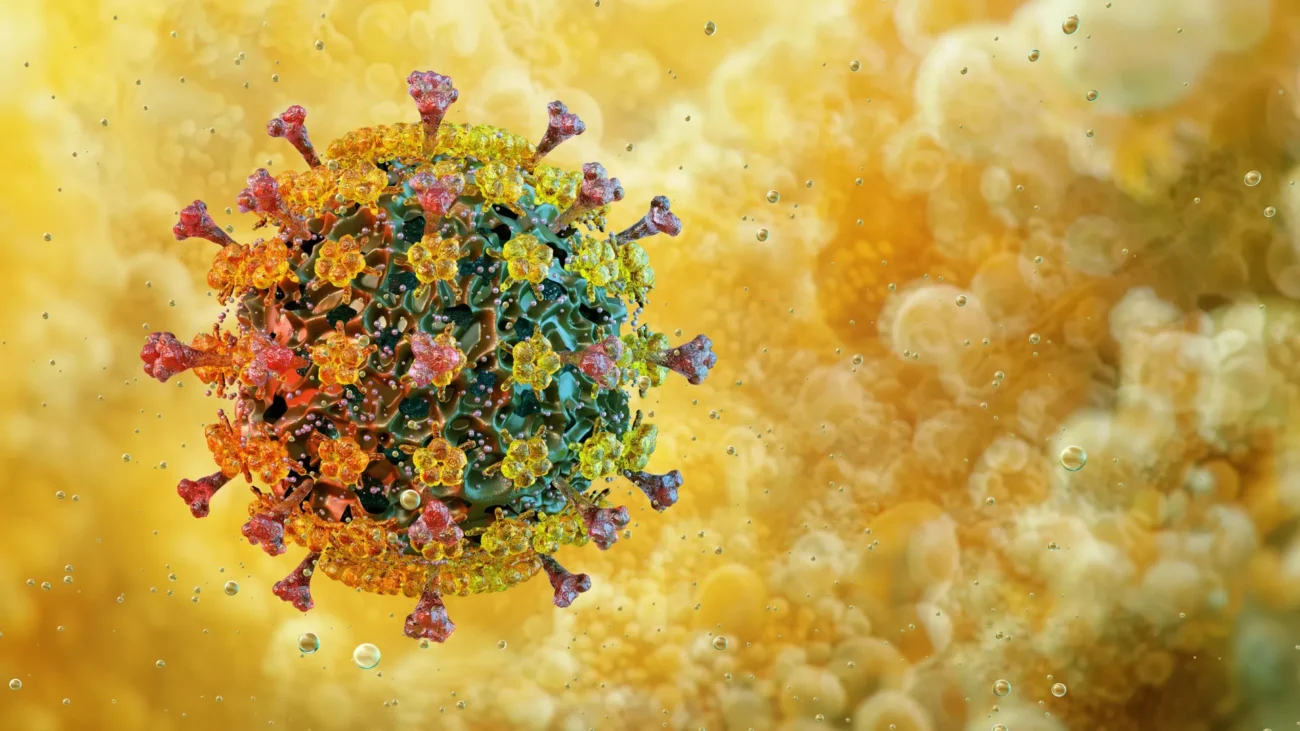
New research spearheaded by scientists at the University of Cambridge and the University of Glasgow has unearthed a critical vulnerability in humanity’s fight against avian influenza: the ability of bird flu viruses to proliferate even at temperatures that typically incapacitate common human flu strains. This groundbreaking discovery, published in the esteemed journal Science on November 28, 2023, identifies a specific gene that confers remarkable heat resistance to these avian pathogens, casting a stark light on their persistent potential to cause devastating pandemics. The findings challenge long-held assumptions about fever’s efficacy as a natural defense mechanism and underscore the urgent need for enhanced surveillance of bird flu.
The research team’s meticulous work reveals that avian influenza viruses possess a distinct advantage over their human counterparts: they can continue to replicate effectively at temperatures warmer than a typical human fever. While fever is a cornerstone of the body’s immune response, designed to create an inhospitable environment for viral invaders, certain bird flu strains appear to have evolved to overcome this biological barrier. This resilience is largely attributed to a specific gene that has historically played a pivotal role in the emergence of severe flu pandemics, including those of 1957 and 1968, by facilitating the transfer of advantageous traits from avian viruses to human strains.
The Biological Arms Race: Fever’s Role and Avian Flu’s Resilience
Fever, a controlled elevation of core body temperature, is a vital, albeit uncomfortable, tool deployed by the human body to combat infections. When a pathogen enters the system, the immune response can trigger a rise in temperature, often reaching up to 41 degrees Celsius (105.8 degrees Fahrenheit). This increased heat directly impedes the replication cycle of many viruses by disrupting the delicate enzymatic processes they rely on to multiply. For seasonal human influenza viruses, which typically thrive in the cooler environment of the upper respiratory tract (around 33 degrees Celsius or 91.4 degrees Fahrenheit), even a modest increase in temperature can significantly hinder their spread. These viruses, such as common influenza A strains, demonstrate reduced efficiency in replicating in the warmer lower respiratory tract, which hovers closer to the body’s normal core temperature of approximately 37 degrees Celsius (98.6 degrees Fahrenheit).
Avian influenza viruses, however, operate under a different set of thermal parameters. Endemic in wild birds, particularly waterfowl like ducks and seagulls, these viruses often infect the gastrointestinal tract, an environment that can naturally reach temperatures as high as 40-42 degrees Celsius (104-107.6 degrees Fahrenheit). This inherent adaptation to higher temperatures is a key factor in their ability to withstand fever-induced thermogenesis. Previously, studies conducted in cell cultures had hinted at this enhanced thermal tolerance in bird flu viruses. However, the new research provides definitive in vivo evidence, utilizing mouse models, to illustrate precisely how fever protects against human flu and why this protection proves insufficient against avian strains.
Unraveling the Mechanism: Experimental Insights into Viral Thermotolerance
The core of the new research involved meticulously recreating fever conditions in laboratory mice to observe the differential responses of human and avian influenza viruses. Scientists employed a laboratory-adapted human-origin influenza strain, known as PR8, which poses no direct risk to human populations, to serve as a baseline. Crucially, mice do not spontaneously develop fever when infected with influenza A viruses. Therefore, the researchers ingeniously simulated a fever by raising the ambient temperature of the mice’s environment, thereby artificially elevating their body temperature.
The results were striking. When the mice’s body temperature was elevated to fever levels, the replication of the human-origin PR8 virus was profoundly inhibited. This experimental simulation confirmed fever’s potent antiviral effect against human flu strains. In stark contrast, similar temperature increases had a negligible impact on the replication of avian influenza viruses. A mere 2-degree Celsius (3.6 degrees Fahrenheit) rise in body temperature was sufficient to transform what would have been a potentially lethal infection with the human-origin virus into a mild, manageable illness. This critical observation highlights the stark difference in thermal resilience between the two viral types.
The PB1 Gene: A Master Regulator of Fever Resistance
Central to this thermotolerance is a specific gene known as the PB1 gene. This gene is indispensable for the virus’s ability to replicate its genetic material within infected host cells. The research unequivocally demonstrated that the presence of an avian-like PB1 gene confers significant resistance to high temperatures. Viruses equipped with this gene were not only able to tolerate the elevated temperatures associated with fever but also continued to cause severe disease in the infected mice.
This discovery holds profound implications, particularly given the well-documented phenomenon of genetic reassortment between bird and human flu viruses. When avian and human influenza viruses co-infect the same host, such as pigs, they can exchange genetic segments, leading to the emergence of novel strains with mixed genetic material. The researchers pointed to the major flu pandemics of 1957 and 1968 as historical examples where this gene swapping likely played a crucial role. In these instances, human flu viruses are believed to have acquired the PB1 gene from avian strains, potentially explaining the severe morbidity and mortality observed during those global health crises.
Dr. Matt Turnbull, the study’s lead author and a researcher at the Medical Research Council (MRC) Centre for Virus Research at the University of Glasgow, emphasized the ongoing threat posed by viral gene exchange. "The ability of viruses to swap genes is a continued source of threat for emerging flu viruses," Dr. Turnbull stated. "We’ve seen it happen before during previous pandemics, such as in 1957 and 1968, where a human virus swapped its PB1 gene with that from an avian strain. This may help explain why these pandemics caused serious illness in people." He further stressed the importance of continuous monitoring: "It’s crucial that we monitor bird flu strains to help us prepare for potential outbreaks. Testing potential spillover viruses for how resistant they are likely to be to fever may help us identify more virulent strains."
A Persistent Global Threat: The High Stakes of Avian Influenza
Professor Sam Wilson, the senior author of the study and a researcher at the Cambridge Institute for Therapeutic Immunology and Infectious Disease at the University of Cambridge, underscored the gravity of the findings. "Thankfully, humans don’t tend to get infected by bird flu viruses very frequently, but we still see dozens of human cases a year," Professor Wilson commented. "Bird flu fatality rates in humans have traditionally been worryingly high, such as in historic H5N1 infections that caused more than 40% mortality." This statistic, reflecting the severe outcome of past H5N1 outbreaks, serves as a stark reminder of the potential lethality of avian influenza in humans.
The researchers’ insights into the factors driving severe illness in humans are therefore paramount for public health strategies. "Understanding what makes bird flu viruses cause serious illness in humans is crucial for surveillance and pandemic preparedness efforts," Professor Wilson added. "This is especially important because of the pandemic threat posed by avian H5N1 viruses." The ongoing circulation of highly pathogenic avian influenza viruses, such as H5N1, and their increasing capacity to infect mammals, including humans, necessitates a proactive and informed approach to pandemic preparedness.
Historical Context and Emerging Concerns
The history of influenza pandemics is punctuated by the emergence of novel strains with devastating consequences. The 1918 Spanish Flu pandemic, caused by an H1N1 virus of avian origin, is estimated to have killed tens of millions worldwide. Subsequent pandemics, like those in 1957 (H2N2) and 1968 (H3N2), also involved reassortment events and significant mortality. More recently, the emergence of H1N1pdm09 in 2009, though less severe than previous pandemics, demonstrated the continued threat of novel influenza viruses.
Avian influenza viruses, particularly highly pathogenic strains like H5N1 and H7N9, have repeatedly demonstrated their ability to cross the species barrier and infect humans. While human-to-human transmission has historically been limited and inefficient for most avian strains, the potential for adaptation and sustained transmission remains a significant concern. The finding that these viruses can bypass the fever response, a fundamental human defense, amplifies this worry. It suggests that if an avian strain were to acquire the ability for efficient human-to-human spread, its inherent resistance to fever could contribute to a more severe and widespread outbreak than might otherwise be expected.
Implications for Public Health and Future Research
The implications of this research extend beyond fundamental virology, potentially influencing clinical practice and public health policy. The study’s findings may eventually lead to a re-evaluation of treatment recommendations for influenza, particularly concerning the use of antipyretic medications. Traditionally, fever is treated with over-the-counter drugs like ibuprofen and aspirin to alleviate discomfort. However, some clinical evidence has suggested that suppressing fever might not always be beneficial for patients and could, in some instances, inadvertently support the proliferation of influenza A viruses in humans.
While the researchers emphasize that more studies are necessary before any definitive changes to treatment guidelines are implemented, their work opens a crucial avenue for investigation. Understanding the precise role of fever in controlling different influenza strains could lead to more nuanced therapeutic strategies. For instance, in the context of a confirmed avian flu infection, a decision regarding fever management might need to consider the specific viral strain’s known thermotolerance.
The research was supported by substantial funding from various governmental and research bodies, including the Medical Research Council, the Wellcome Trust, the Biotechnology and Biological Sciences Research Council, the European Research Council, the European Union Horizon 2020 program, the UK Department for Environment, Food & Rural Affairs, and the US Department of Agriculture. This broad financial backing highlights the international recognition of the significance of influenza research and pandemic preparedness.
The Road Ahead: Surveillance, Vaccine Development, and Novel Therapies
The discovery of the PB1 gene’s role in fever resistance presents several key avenues for future research and public health interventions:
- Enhanced Surveillance: The findings strongly advocate for intensified surveillance of avian influenza viruses in both wild and domestic animal populations, with a particular focus on identifying strains possessing avian-like PB1 genes. This would enable a more targeted approach to risk assessment and early warning systems.
- Diagnostic Tools: Developing rapid diagnostic tools that can assess the fever resistance of circulating influenza viruses could be invaluable in predicting the potential severity of an outbreak.
- Vaccine Design: While current influenza vaccines are designed to elicit broad immunity, a deeper understanding of viral resistance mechanisms could inform the development of next-generation vaccines that target more conserved viral components or induce immune responses that are less susceptible to viral adaptations.
- Antiviral Therapies: Research into novel antiviral therapies that can effectively inhibit the replication of fever-resistant influenza strains is crucial. This could include drugs that target the PB1 gene itself or other essential viral proteins.
- Fever Management Strategies: Further clinical research is warranted to precisely delineate the benefits and drawbacks of fever suppression in the context of different influenza infections, particularly in the face of known thermotolerant strains.
In conclusion, the research from Cambridge and Glasgow has illuminated a critical aspect of the ongoing battle against influenza. By demonstrating that certain avian flu viruses can defy fever’s natural defenses, the study provides a compelling scientific rationale for the persistent threat posed by these pathogens. This knowledge is not merely academic; it is vital for strengthening global surveillance, informing public health policy, and ultimately, preparing for and mitigating the impact of future influenza pandemics. The ability of viruses to evolve and adapt is a constant challenge, and understanding these intricate mechanisms, like the PB1 gene’s role in thermotolerance, is paramount to safeguarding global health.

