


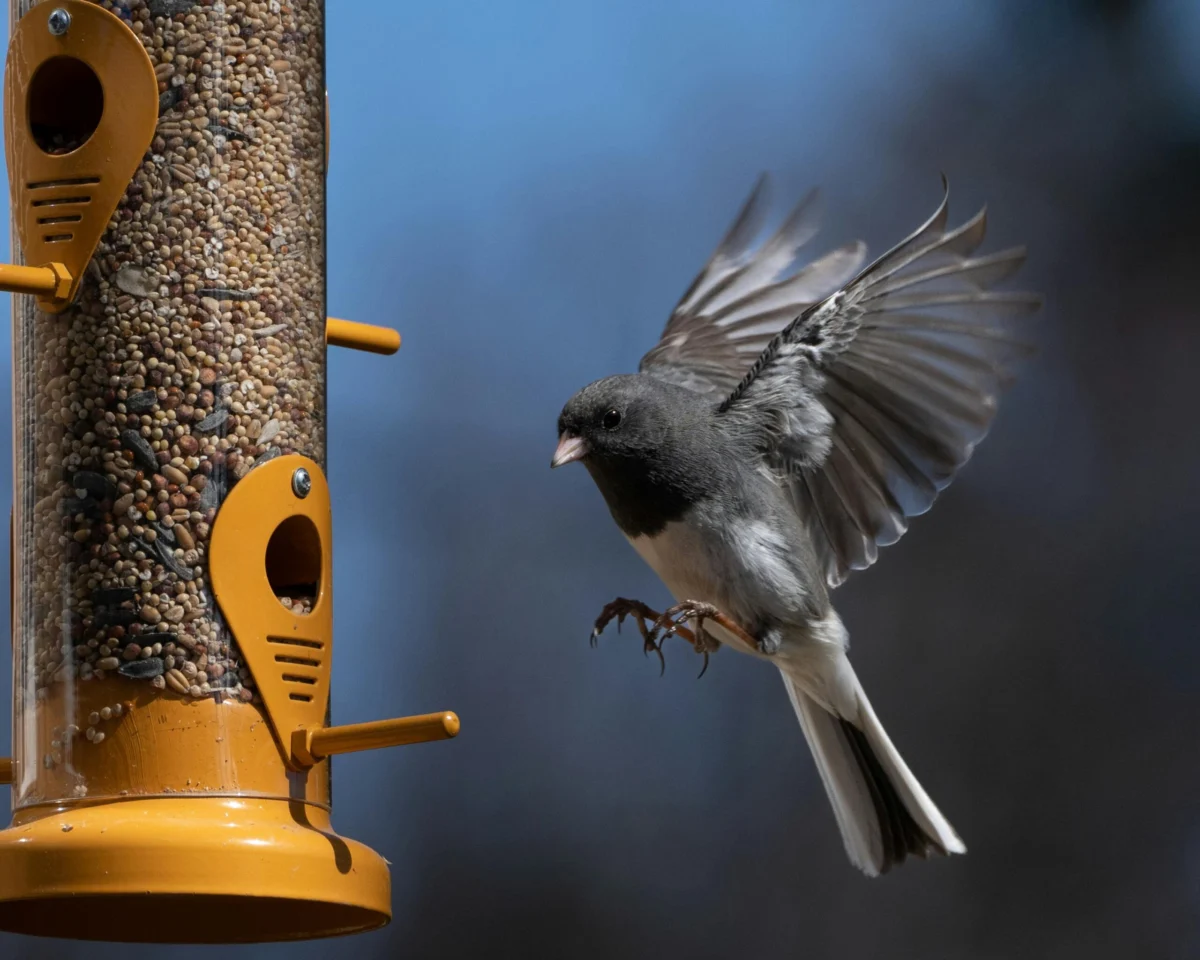
The seemingly instantaneous appearance of birds at a freshly refilled feeder can evoke a sense of wonder, almost as if these feathered visitors possess an uncanny psychic ability to know when sustenance is available. While birds are not telepathic, their capacity to locate food sources, particularly strategically placed bird feeders, is a testament to their remarkable observational skills, intelligence, and complex social awareness. This phenomenon, often dismissed as mere coincidence, offers a fascinating glimpse into the intricate mechanisms by which avian populations navigate their environment and secure vital resources. Understanding these processes reveals a sophisticated interplay of sensory input, learned behavior, and community interaction that underpins their survival strategies.
The Multifaceted Art of Feeder Detection
Birds employ a sophisticated, multi-pronged approach to find bird feeders, a process that hinges primarily on their keen senses of sight and memory, amplified by their innate social behaviors. From a distance, they visually scan their surroundings, spotting the distinctive shapes and colors of feeders and noting any movement associated with them. This visual acuity is complemented by an impressive spatial memory, allowing them to recall the locations of reliable food sources from previous visits. Furthermore, the presence and activity of other birds at a feeder serve as powerful social cues, drawing in individuals who might not have otherwise discovered the food source. While sight and memory are paramount, auditory cues, such as the rustling of seeds or the calls of other birds, can also play a secondary, yet important, role in confirming the availability of food. This integrated system explains the remarkably rapid congregation of birds around a feeder once it has been replenished.
The Dominance of Sight in Avian Navigation
Contrary to a common misconception, the sense of smell in most common backyard bird species is relatively underdeveloped. Their primary tool for locating food, and indeed for navigating their world, is their exceptional eyesight. Many bird species possess visual capabilities that far surpass human perception. They can detect subtle changes in their environment from considerable distances, making the act of refilling a bird feeder a visually prominent event for observing birds. The act of adding fresh seed, cleaning the feeder, or even just the movement of the feeder itself creates visual stimuli that are immediately noticeable to birds perched in nearby trees, hedges, or on rooftops.
Further enhancing their visual detection is the ability of some bird species to perceive ultraviolet (UV) light. This spectral range, invisible to humans, can make certain seeds and feeder designs appear more vibrant and distinct against natural backgrounds, essentially acting as an ultraviolet beacon for these birds. This ability to discern subtle visual cues, including those in the UV spectrum, allows them to efficiently scan their environment for potential food opportunities, making newly filled feeders stand out as attractive targets.
Debunking the Myth: Do Birds Smell Bird Seed?
The notion that birds are drawn to feeders by the scent of bird seed is largely a myth for most common species. While some avian species, particularly those with more developed olfactory senses like vultures or certain seabirds, do utilize smell for foraging, the majority of birds that frequent backyard feeders rely on other senses. Their sense of smell is typically not sensitive enough to detect the aroma of seeds from significant distances. Therefore, the primary attractant for these birds is not the fragrance of the food but rather its visual presence or the visual cues associated with its availability.
However, it is worth noting that in specific contexts, scent might play a minor role. For instance, if a feeder is very close by, or if the seed has been significantly altered (e.g., through fermentation), a faint scent might be perceived. Nevertheless, for the typical scenario of a backyard feeder, the visual confirmation and memory of food availability are the dominant factors. The rapid arrival of birds is a testament to their efficient visual search patterns and their ability to quickly process environmental changes.
The Power of Memory: Birds as Consistent Foragers
Birds possess a surprisingly robust and reliable memory, particularly when it comes to identifying and returning to locations that have consistently provided sustenance. Once a bird feeder has proven to be a dependable source of food, avian visitors will repeatedly check it, even if it is temporarily empty. This learned association between a specific location and the availability of food is crucial for their survival, especially during seasons when natural food sources become scarce.
Birds quickly learn to associate the visual appearance of the feeder with the reward of food. This memory acts as a navigational tool, guiding them back to known feeding grounds. This is particularly vital during winter months, when foraging for natural food can be a challenging and energy-intensive endeavor. The ability to recall and revisit reliable feeders significantly enhances their chances of survival by ensuring a consistent intake of calories. Consequently, when birds appear at a feeder shortly after it has been refilled, it is often because they were already in the vicinity, having previously visited the location and remembering it as a potential food source, ready to capitalize on its renewed availability.

Social Learning: The Flock Mentality in Feeder Discovery
Beyond individual perception and memory, birds also leverage the collective intelligence of their social groups to locate food. They are not solely reliant on their own discoveries; they actively observe and learn from each other. This phenomenon, often referred to as "local enhancement" or social learning, allows birds to discover food sources by witnessing the foraging success of their conspecifics.
When one bird discovers a feeder and begins to feed, its activity often attracts the attention of other birds in the vicinity. This initial discovery can trigger a cascade effect. Other birds may observe the feeding individual, note its location, and then proceed to investigate. This behavior is particularly pronounced in social species such as tits, finches, sparrows, and starlings, which are often seen congregating at feeders. The presence of one bird at a feeder can quickly signal to others that a valuable food resource is available, leading to a rapid increase in visitor numbers. This indirect sharing of information through observation and imitation allows entire flocks to efficiently exploit newly available food sources.
The Indirect Communication Network: Do Birds "Tell" Each Other?
While birds do not engage in verbal communication to direct each other to food in the way humans might share directions, they possess a sophisticated system of indirect information sharing. When one bird locates a feeder and begins to consume the seeds, its actions serve as a powerful signal to others. The visible activity, the movement of the bird, and sometimes even its vocalizations, can alert nearby individuals to the presence of a food source.
This "ripple effect" of discovery means that a single bird’s success can quickly lead to the congregation of many. Birds are adept at following visual cues and recognizing patterns of activity. They will often join feeding groups, observing where others are successfully foraging and learning which gardens or locations are reliable sources of food. This social dynamic is a key reason why a feeder can transform from a solitary spot to a bustling avian gathering place within a matter of minutes. It highlights their capacity to interpret and respond to the behavior of their peers, optimizing their chances of finding sustenance in a dynamic environment.
The Subtle Influence of Sound and Activity
While sight and memory are the primary drivers of feeder location, auditory cues also contribute to a bird’s decision-making process. The distinct sounds associated with a feeder can act as secondary confirmations of food availability. The subtle rattle of seeds falling into the feeder tray, the gentle sway of the feeder in the wind, or the characteristic chirps and calls of other feeding birds can all reinforce the visual information a bird has already processed.
These sounds serve to corroborate the visual evidence, solidifying the bird’s perception that food is indeed present and accessible. This multi-sensory confirmation enhances the efficiency of their foraging efforts, ensuring that they are not expending energy investigating false leads. The combination of visual cues, learned memories, social interactions, and subtle auditory signals creates a highly effective and robust system for birds to locate and exploit food resources in their environment.
The Instantaneous Arrival: A Symphony of Preparedness
The phenomenon of birds arriving almost the moment you step away from a refilled feeder is not a sign of precognition, but rather a demonstration of their constant vigilance and efficient foraging patterns. Several factors contribute to this seemingly instantaneous response:
- Proximity and Vigilance: Many birds, particularly those accustomed to feeders, will often be in the immediate vicinity, patiently waiting or actively scanning their surroundings for opportunities. They are in a state of readiness, constantly monitoring their environment for signs of food.
- Learned Routines: Birds develop routines and associate human activity with the replenishment of feeders. They learn that after a certain period of human presence, food becomes available. Your movement away from the feeder signals the opportune moment to approach.
- Visual Confirmation: The act of refilling the feeder itself is a significant visual cue. Birds observing from nearby vantage points can immediately detect the change and the availability of fresh food.
- Pre-existing Knowledge: As previously discussed, birds remember reliable feeding locations. Refilling the feeder simply transforms it from a known but currently empty location to a known and now actively provisioned one.
Birds dedicate a significant portion of their day to moving between known food sources and repeatedly checking them. The act of refilling your feeder doesn’t necessarily "attract" birds from afar; rather, it converts a location they might have already been monitoring from "worth checking" to "actively feeding at now." This constant cycle of observation and exploration means that when food is made available, they are often already nearby and ready to take advantage.
Enhancing Feeder Accessibility for Avian Visitors
For bird enthusiasts aiming to attract more feathered friends and encourage frequent visits, several practical steps can enhance the visibility and appeal of their feeders:

- Strategic Placement: Position feeders in open areas with clear sightlines, making them easily visible from surrounding trees and shrubs. Avoid placing them too close to dense foliage where predators might hide, but ensure there are nearby perches for birds to survey the area before approaching.
- Visible and Contrasting Designs: Choose feeders that are visually distinct from their surroundings. Bright colors or reflective materials can catch a bird’s eye. Consider feeders that are also visible in UV light, as this can make them even more conspicuous to certain species.
- Variety of Food Types: Offering a diverse range of seeds, nuts, and suet can attract a wider array of bird species. Different birds have different dietary preferences, and a varied menu increases the likelihood of appealing to a broader spectrum of visitors.
- Regular Maintenance and Refilling: Consistent refilling is key to maintaining a reliable food source. Birds learn to depend on the predictability of a feeder, and empty feeders can lead to them seeking sustenance elsewhere. Regular cleaning also ensures the health of the visiting birds.
- Proximity to Water Sources: Birds need water for drinking and bathing. Placing feeders relatively close to a bird bath can make your garden a more attractive destination overall.
The Question of Dependency: Do Birds Become Reliant on Feeders?
A common concern among well-meaning bird feeders is the potential for avian dependency on artificial food sources. However, extensive research and long-term observations suggest that this concern is largely unfounded for most wild bird populations. Bird feeders typically serve as a supplementary food source, augmenting the natural diet rather than entirely replacing it.
Birds are remarkably adaptable creatures and continue to forage for natural food sources even when feeders are available. Should a feeder be removed, they are generally quick to adjust their foraging strategies and revert to relying solely on natural resources. The primary benefit of feeders is their consistency, especially during periods of environmental stress. During harsh weather conditions, such as prolonged droughts or severe winters, predictable and readily available food from feeders can be crucial for survival, helping birds conserve energy and maintain their body condition. Therefore, while feeders provide a valuable resource, they do not typically lead to a detrimental dependency that compromises a bird’s ability to survive in the wild.
A Glimpse into Avian Intelligence and Adaptation
The seemingly magical appearance of birds at a refilled feeder is, in reality, a sophisticated display of their inherent intelligence and adaptive capabilities. This phenomenon is a direct result of:
- Acute Visual Acuity: Their ability to spot subtle changes from afar.
- Exceptional Memory: Their capacity to recall reliable food locations.
- Social Learning: Their skill in observing and learning from other birds.
- Environmental Awareness: Their constant monitoring of their surroundings for opportunities.
Observing these behaviors unfold offers a profound insight into how birds interact with and understand their environment. It is one of the many quiet joys derived from feeding birds, serving as a constant reminder that even the most familiar garden visitors are dynamic beings, continuously observing, learning, and adapting to the ever-changing landscape of their world. This interaction enriches our understanding of avian intelligence and strengthens our connection to the natural world that surrounds us.
Do Birds Recognize Humans Who Feed Them?
The question of whether birds recognize the humans who provide their sustenance is multifaceted. While they may not recognize individuals in the same way humans recognize faces, many birds develop a practical form of recognition based on association and routine. Over time, birds can learn to associate specific people, places, and consistent behaviors with the provision of food and a sense of safety.
This learned association can lead to a reduction in their wariness towards the person who regularly refills the feeder. This is particularly true if the individual approaches calmly and predictably. Certain species are known for their rapid learning abilities, and individual birds within a species can exhibit varied behaviors based on their unique past experiences. Even in the absence of facial recognition, birds can establish a clear behavioral association: "this person equals food and low threat." This learned response can influence how closely they approach and interact with humans, demonstrating a sophisticated form of cognitive processing and adaptation to their human-influenced environment.
Bird Feeder FAQs
Do birds find feeders by smell?
No. Most common backyard birds have a weak sense of smell and primarily rely on their sharp eyesight, memory, and social cues to locate feeders.
How long does it take birds to find a new feeder?
The time it takes for birds to discover a new feeder can vary significantly. It can range from as little as a few hours in areas with high bird activity and good feeder visibility to several weeks in more remote locations or if the feeder is less conspicuous. Factors like the type of food offered and the presence of other established feeders in the vicinity also play a role.
Do birds remember feeder locations?
Yes. Many bird species possess excellent spatial memory and can remember reliable feeding spots. They will regularly revisit these locations, even if the feeder is temporarily empty, demonstrating their capacity for learned foraging routes.

