


The world of birds is a testament to evolutionary ingenuity, showcasing an astonishing array of adaptations that allow them to thrive in virtually every terrestrial and aquatic habitat on Earth. From the minuscule hummingbird, weighing less than a U.S. quarter, to the colossal ostrich, standing taller than an average human, birds have colonized deserts, dense forests, sprawling wetlands, vast oceans, and even the bustling metropolises of human civilization. This unparalleled diversity in form and function is mirrored by an equally broad spectrum of dietary habits. To ask "What do birds eat?" is akin to inquiring about human diets; the answer is profoundly dependent on the specific species, its geographical location, and the availability of food resources throughout the changing seasons. Understanding these dietary preferences is not merely an academic exercise; it provides crucial insights into the evolutionary shaping of their unique beak structures, their intricate behaviors, and their indispensable roles in maintaining the health and balance of ecosystems worldwide.
The Fundamental Role of Diet in Avian Evolution and Ecology
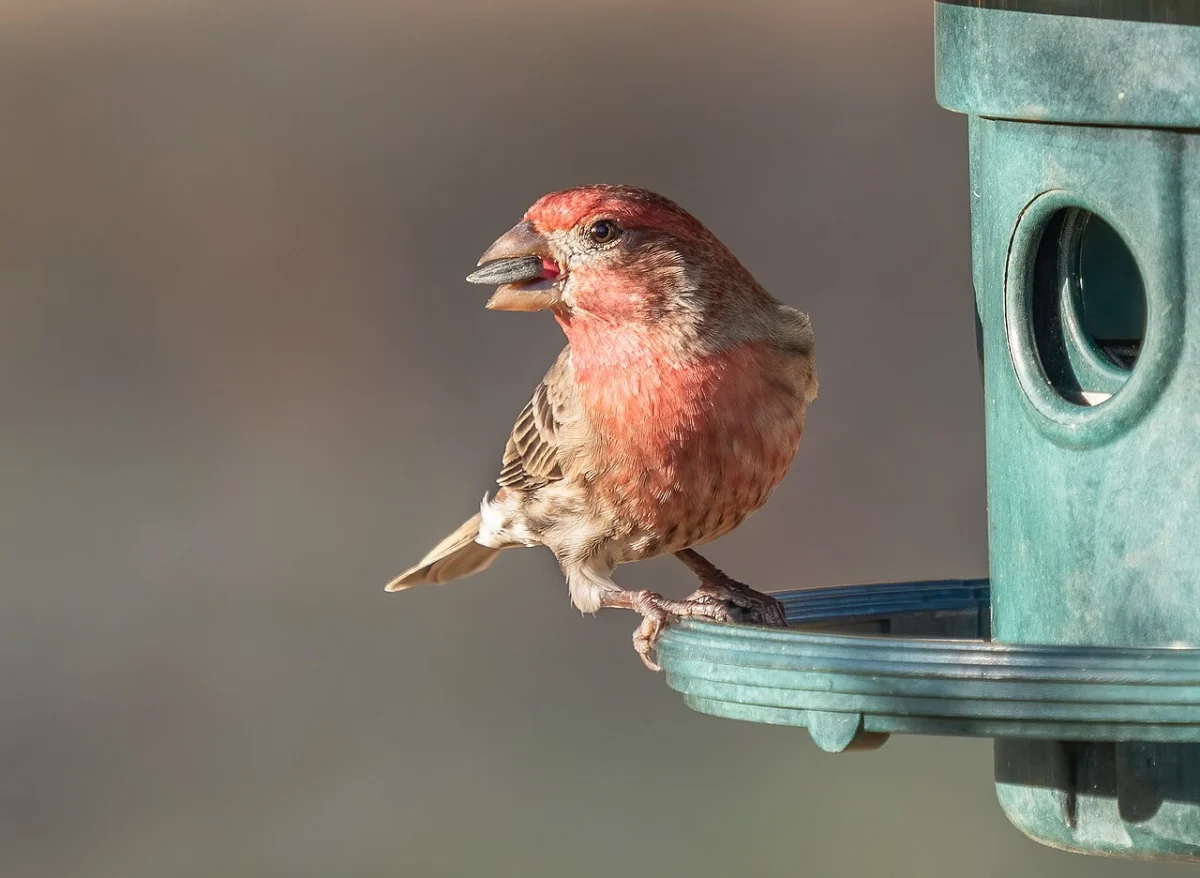
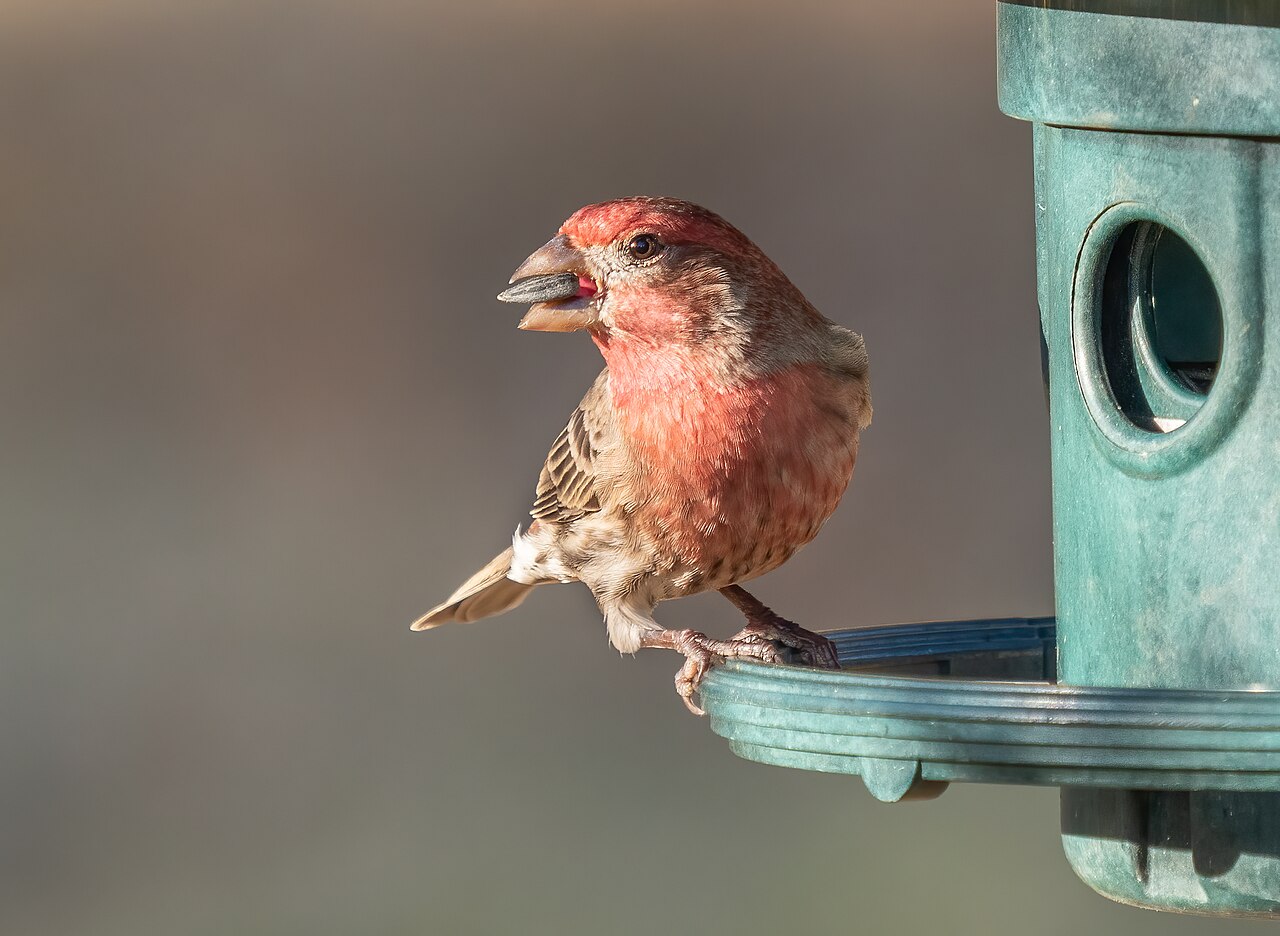
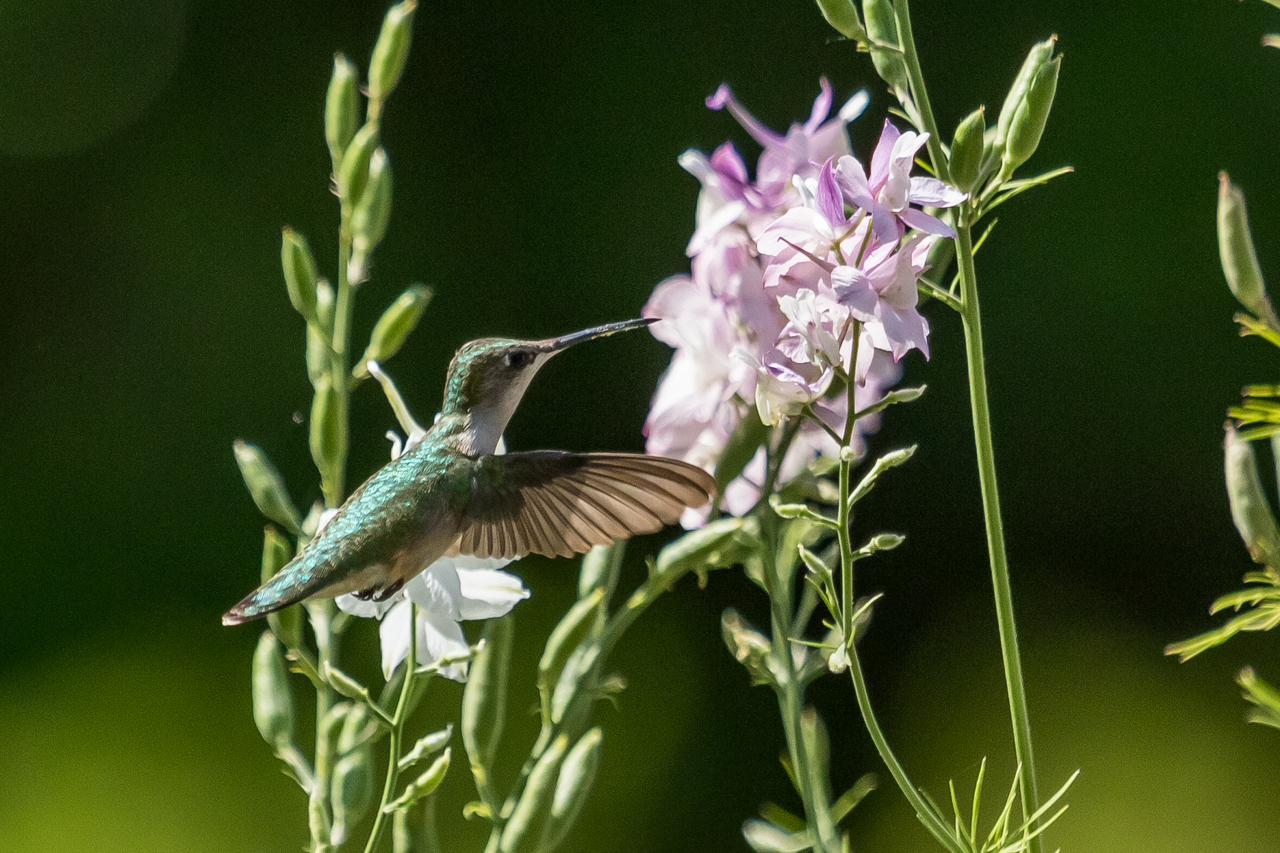
The intricate relationship between a bird’s diet and its survival is a cornerstone of ornithology. Evolutionary pressures have sculpted not only their physical characteristics, such as the remarkable variations in beak morphology, but also their behavioral patterns and physiological adaptations. A bird’s beak, for instance, is a highly specialized tool, perfectly engineered for its primary food source. The short, stout, conical beaks of finches are ideal for cracking seeds, while the long, slender proboscis of a hummingbird is designed to access nectar deep within flowers. These adaptations are the result of millions of years of natural selection, where individuals with beaks best suited to exploit available food sources were more likely to survive, reproduce, and pass on their advantageous traits.
Beyond morphology, diet dictates behavior. Insectivorous birds, like swallows and swifts, exhibit aerial acrobatics to capture flying insects, while ground-dwelling birds such as robins employ keen senses of hearing and sight to locate earthworms beneath the soil. The energy derived from their food fuels everything from sustained flight and migration to the demanding process of raising young. Furthermore, birds play critical roles as pollinators, seed dispersers, and pest controllers, all functions directly linked to their feeding habits. The health of forests, agricultural lands, and even urban environments is intrinsically tied to the presence and feeding activities of diverse avian populations.
Seeds and Grains: The Staple Diet for Many
A significant portion of the avian world relies heavily on seeds and grains, a dependable and energy-rich food source. Species such as sparrows, finches, pigeons, and parrots have evolved to thrive on these carbohydrate-rich staples. The abundance and storability of seeds make them a reliable option, particularly during leaner months.
The morphology of seed-eating birds provides a clear example of dietary adaptation. Their beaks are typically short, robust, and cone-shaped, functioning as miniature nutcrackers. This design allows them to efficiently grasp and break open the hard outer shells of seeds. Finches, renowned for their powerful bills, can husk seeds with remarkable speed. Parrots, with their complex, curved beaks and dexterous tongues, demonstrate exceptional precision in manipulating and processing a variety of seeds and nuts.
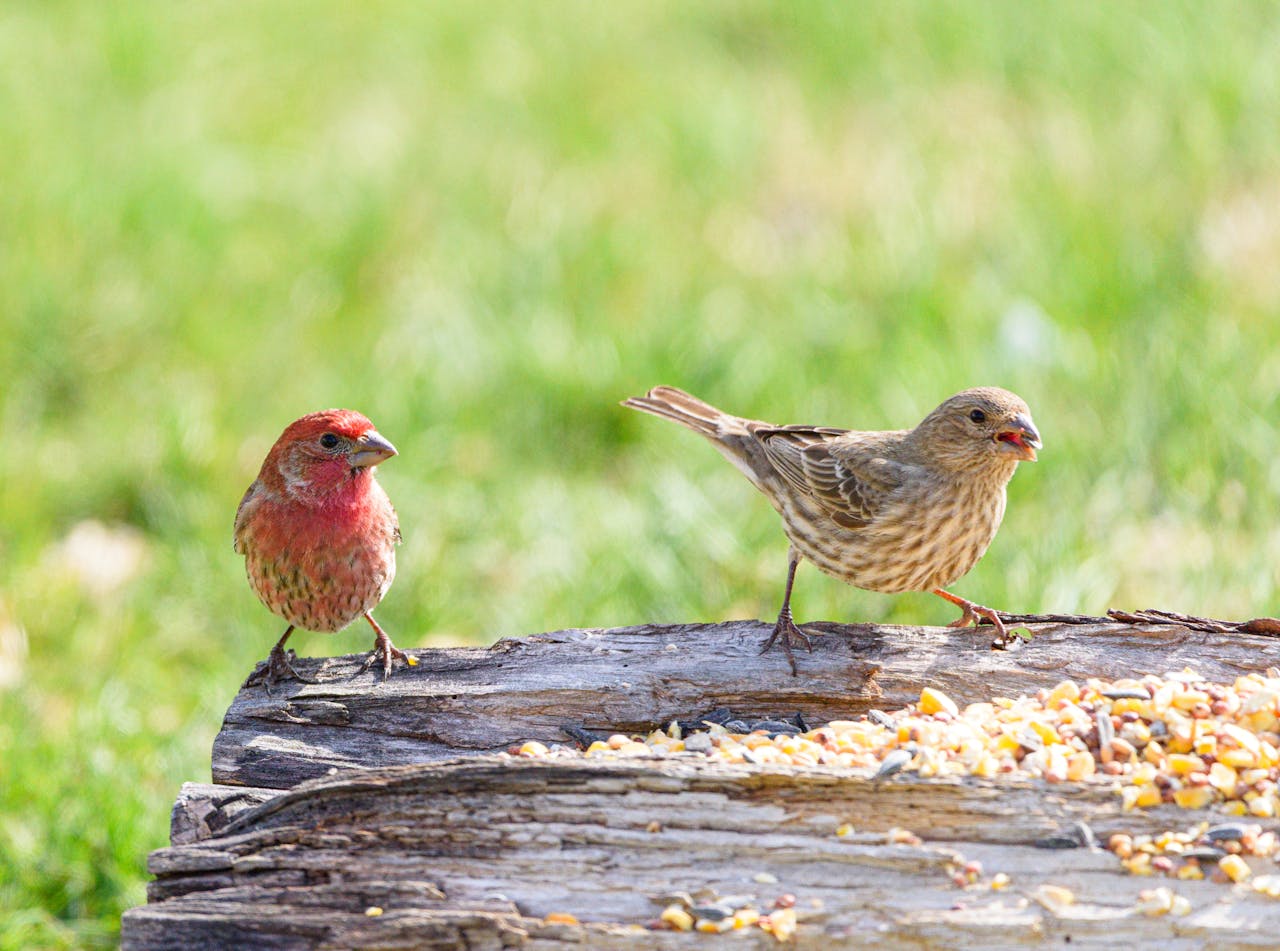
Dietary flexibility is also a hallmark of many seed-eating species. While seeds may form the bulk of their diet, especially during winter, some birds, like certain finch species, will pivot to consuming insects in the spring. This seasonal shift is driven by the increased protein requirements for egg production and chick rearing, highlighting how environmental cues and reproductive needs can influence dietary choices.
Insects and Invertebrates: Fueling Flight and Growth
Insects, spiders, worms, and other small invertebrates constitute a vital food source for a vast number of bird species. These creatures are packed with essential proteins and fats, providing the high-energy fuel necessary for sustained flight, rapid growth, and the physiological demands of avian life.
The methods birds employ to capture these small prey items are as varied as the birds themselves. Aerial insectivores, such as swallows and swifts, are masters of the sky, performing breathtaking aerial maneuvers with open mouths to scoop up flying insects. Ground foragers, like the American Robin, exhibit specialized hunting techniques. Robins are known for their characteristic head-tilting, a behavior believed to aid in detecting the subtle movements of earthworms beneath the soil surface before a swift extraction. Woodpeckers, on the other hand, are arboreal specialists, using their strong beaks to chisel into tree bark in search of beetle larvae and other wood-boring insects hidden within.
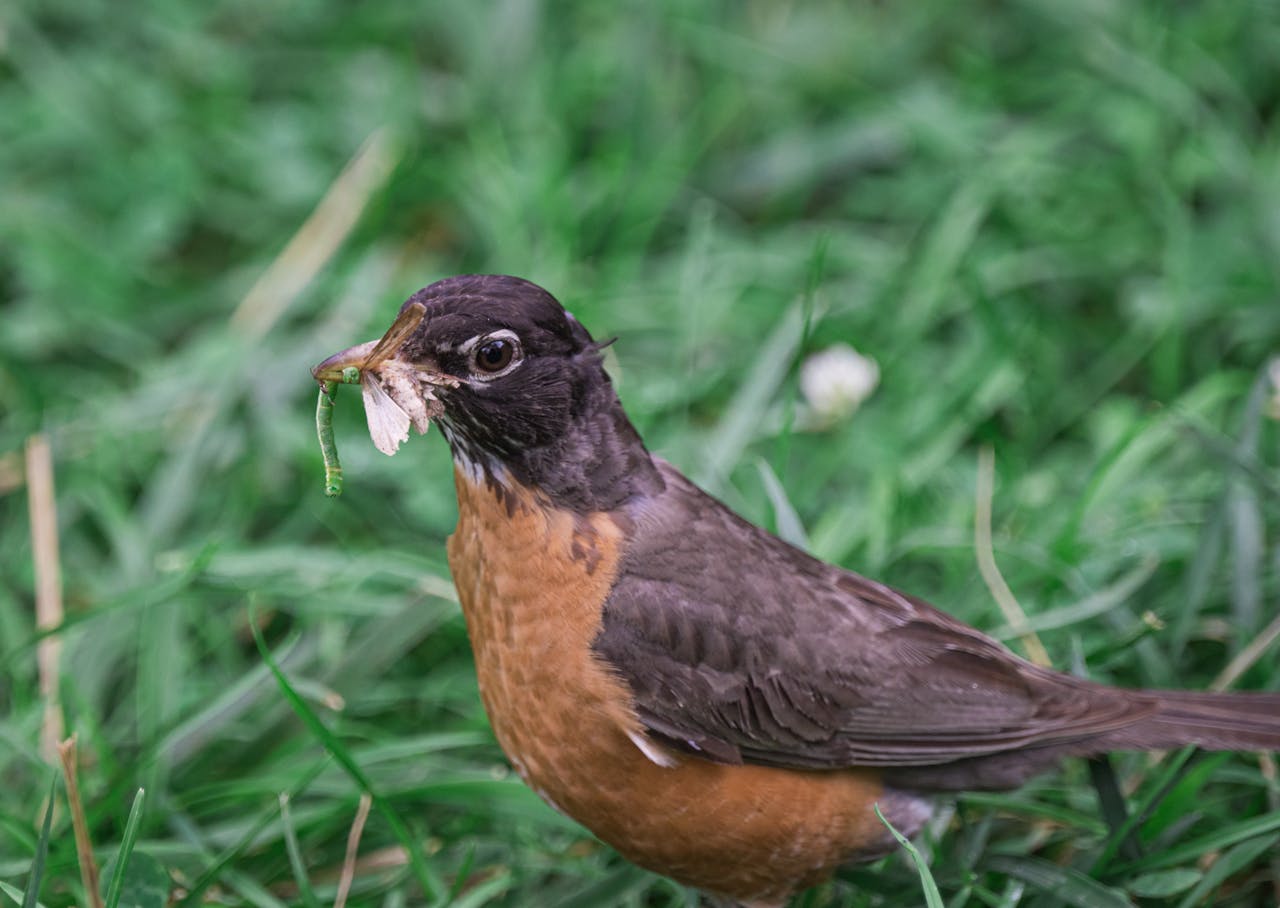
Even birds primarily known for seed consumption often supplement their diets, and crucially, their young’s diets, with insects. Caterpillars, grasshoppers, and grubs represent nutrient-dense, high-energy "snack bars" for nestlings, providing the essential building blocks for rapid development.
The ecological impact of insectivorous birds is profound. By acting as natural pest controllers, they play an indispensable role in maintaining the health of agricultural lands, forests, and gardens. Their consumption of vast quantities of insects helps to regulate populations, preventing outbreaks that could otherwise devastate crops and natural ecosystems.
Fruit, Nectar, and Plant Material: Sweet Rewards and Seed Dispersal
A considerable number of bird species exhibit a preference for fruits and nectar, particularly in warmer climates where these food sources are available year-round. This sweet bounty provides readily accessible energy.

Hummingbirds and sunbirds are prime examples of nectarivores. They possess long, slender beaks and specialized tongues that allow them to sip nectar from the depths of flowers. While nectar provides a quick energy boost, it is often insufficient to meet all their nutritional needs. Consequently, these birds also consume small insects to obtain essential proteins.
Other birds, including parrots, hornbills, and numerous rainforest dwellers, are frugivores, swallowing fruits whole. Their role as seed dispersers is ecologically critical. As they digest the fruit, the seeds pass through their digestive tracts and are deposited in their droppings, often far from the parent plant. This process facilitates the colonization of new areas and contributes significantly to the regeneration and diversity of plant life, especially in forest ecosystems.
Some birds adopt a more herbivorous lifestyle, grazing on plant material. Geese and swans are well-known for cropping grasses, while other species may nibble on leaves, buds, or aquatic vegetation. This diverse consumption of plant matter further underscores the adaptability of avian diets.
Carnivores, Piscivores, and Scavengers: The Apex Predators and Nature’s Clean-Up Crew
Birds of prey, encompassing eagles, hawks, falcons, and owls, represent the carnivorous segment of the avian world. These skilled hunters feed on a wide range of prey, including mammals, reptiles, other birds, and fish. Their physical adaptations are geared towards predation: sharp, powerful talons for gripping prey and hooked beaks for tearing flesh.
Hunting strategies vary significantly among raptors. The peregrine falcon, renowned for its speed, executes breathtaking stoops, diving at incredible velocities to strike airborne prey. Owls, with their silent flight and acute hearing, are adept at hunting mammals in the low light conditions of dawn and dusk. Kingfishers, perched above water, employ a different tactic, plunging with precision into the water to capture fish.
Scavengers, such as vultures, occupy a unique and vital niche. Rather than hunting live prey, they feed on carcasses of animals that have already died. This role, while seemingly unappealing, is immensely important for ecosystem health. By efficiently consuming dead animals, vultures prevent the spread of diseases and play a crucial role in nutrient cycling, returning essential elements to the environment.

Omnivores: The Adaptable Opportunists
A significant group of birds, classified as omnivores, exhibits remarkable dietary flexibility, consuming a little bit of everything available. Crows, gulls, and magpies are prime examples of these opportunistic feeders. Their diets can encompass insects, eggs, fruits, human scraps, and even small animals. This adaptability allows them to thrive in a wide variety of habitats, including the increasingly urbanized landscapes shaped by human activity.
The ability to switch between food sources is a significant evolutionary advantage. When one food item becomes scarce, omnivorous birds can readily transition to another, ensuring their survival and reproductive success. This trait has contributed to their widespread distribution and resilience in diverse environmental conditions.
The Intricate Link Between Beak Morphology and Diet
The beak of a bird is arguably its most recognizable and informative anatomical feature, serving as a direct indicator of its dietary preferences. Millions of years of evolution have finely tuned these structures to match specific feeding strategies. Long, slender beaks are adept at probing flowers for nectar, while thick, heavy beaks are perfectly designed for cracking hard seeds. The sharply hooked beaks of raptors are built for tearing flesh, and the spear-like bills of kingfishers are ideal for spearing fish.

This specialization extends beyond the beak to other physiological systems. Seed-eating birds often possess muscular gizzards, which act as grinding organs to process tough plant matter. Nectar feeders, in contrast, have digestive systems optimized for the rapid processing of liquid sugars.
Feeding the Next Generation: Specializations in Chick Rearing
The dietary needs of young birds often differ significantly from those of adults. As they undergo rapid growth, nestlings require a high intake of protein. This necessitates that parent birds, even those that primarily consume seeds or fruits, will dedicate considerable effort to foraging for insects and other invertebrates to feed their offspring.
Some species have evolved truly remarkable methods for nourishing their young. Pigeons and flamingos, for example, produce a nutrient-rich substance known as "crop milk" within their digestive tracts. This milky secretion is regurgitated and fed to chicks during their initial days of life, providing essential nourishment and antibodies.

Avian Diets in the Human Landscape
In urban and suburban environments, many bird species have adapted to exploit food resources provided by humans. Backyard bird feeders can offer a valuable supplementary food source, particularly during harsh weather conditions. However, it is crucial for individuals to offer appropriate nutrition. Seeds, nectar mixes, and specially formulated bird pellets are generally beneficial, whereas common items like bread lack the essential nutrients birds require for optimal health.
The act of feeding birds can foster a deeper connection with nature, providing opportunities for close observation and learning about avian behavior. This practice, when conducted responsibly, can contribute to the well-being of local bird populations.
A World of Culinary Diversity: The Unifying Success of Avian Diets
In conclusion, the answer to "What do birds eat?" is a resounding testament to their extraordinary adaptability and evolutionary success. Their diets span an almost unimaginable range, encompassing seeds, insects, fruits, nectar, fish, meat, plant matter, and carrion. This incredible dietary diversity is a primary reason for the widespread distribution and resilience of birds across the globe. They have ingeniously evolved to capitalize on nearly every available food source, demonstrating a mastery of ecological niches.

The next time you encounter a bird, take a moment to observe its beak, its foraging location, and its movements. By paying attention to these details, you may be able to surmise its current mealtime plans. Witnessing birds feed is not only a captivating spectacle but also a profound revelation of the intricate, interconnected web of life that sustains natural ecosystems. Understanding their diets offers a window into the fundamental processes that maintain ecological balance and biodiversity.

