


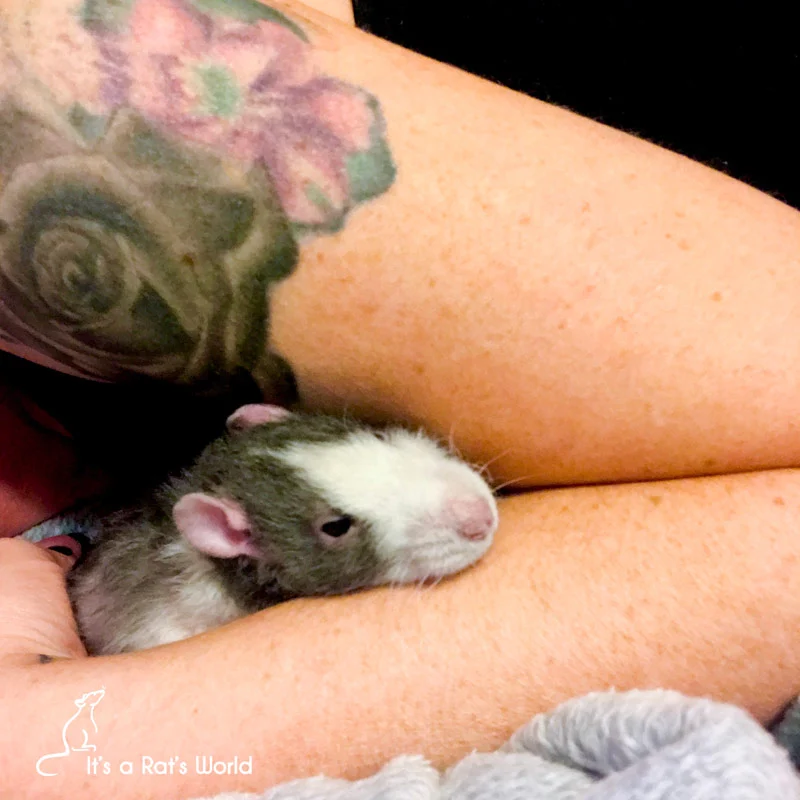
The absence of a cherished animal companion can leave a significant void, a sentiment keenly felt by Brandi Saxton, an advocate and enthusiast of pet rats. In a recent reflection, Saxton articulated the unique depth of connection she experienced with rats, describing it as an unparalleled bond that has not been replicated by other animals, including the dogs and cat currently sharing her household. This personal narrative underscores a broader understanding within the pet community: that rats, often misunderstood, possess the capacity for profound emotional attachments with their human caretakers. Saxton’s journey highlights the torturous nature of being "ratless" and the longing for the specific brand of companionship these intelligent rodents offer.
Saxton’s experience predates her deep dive into rat ownership, having shared her life with a variety of animals. However, it was the rats that truly captured her heart, a sentiment she notes ferrets came close to matching. The essence of this connection, she explains, lies in the accumulation of everyday moments. These are not grand gestures, but rather the subtle intimacies that define a relationship: shared quietude on a couch during movie nights, the gentle nuzzle of a "rattie kiss," and the meticulous grooming sessions rats would offer on her hands. She recalls the eager anticipation of her rats at the cage door, their excited dances at her approach, and even the amusing displays of jealousy as they vied for head scratches. The sight of them stretched out on her lap or beside her as she worked are etched in her memory as cherished, personal moments. Crucially, these affections were directed solely at her, fostering a sense of being their singular, favorite human.
The Path to Trust: Navigating Early Challenges with Rats
For individuals new to rat ownership or contemplating it, Saxton emphasizes that the ultimate goal should be to cultivate this profound level of closeness. She asserts that only through such a deep connection can one truly appreciate the full spectrum of these animals’ personalities and capabilities. However, she acknowledges that this desired closeness isn’t always immediate. Many new owners struggle to connect with their rats, particularly when the animals exhibit skittishness or aloofness, displaying little interest in interaction. This can lead to feelings of hopelessness regarding the possibility of forming a strong bond.

Saxton reassures that this situation is far from a dead end. Instead, it necessitates a recalibration of approach. She identifies a common pitfall for new owners: the tendency to misinterpret a rat’s timid or jumpy behavior as aggression, leading to a fear of being bitten. In reality, most rats require a period of adjustment to their new environment. Rats that have experienced trauma may need even more time and patience to acclimate. Without an understanding of how to support their adjustment, these animals can become further withdrawn and fearful, creating a cycle that impedes bonding. Saxton offers her article, "Helping A Scared Pet Rat," as a resource for those encountering these challenges, detailing how rats express fear, potential causes, and strategies for earning their trust.
Distinguishing Trust from True Companionship
Understanding the nuanced difference between earning a rat’s trust and forging a genuine bond is crucial. Saxton explains that trust, from a rat’s perspective, is the fundamental belief that their human is not a threat. Bonding, however, transcends this basic safety assurance. It involves a mutual desire for companionship and the development of a deeper, more reciprocal connection.
A rat’s individual personality and past experiences play a significant role in the formation of this bond. When a rat feels insecure or is operating in a state of self-preservation, its primary focus is on survival, making it difficult to form affectionate attachments. However, as they begin to feel safe and relaxed, they start to recognize the value and pleasure derived from spending time with their human companions. This shift is a pivotal moment in the journey toward a strong bond.
Understanding Rat Personalities: A Spectrum of Temperaments
Saxton categorizes rat temperaments along a spectrum, with "brave, extroverted" rats being the most readily bonded. These animals adapt quickly to new surroundings and humans, often exhibiting immediate confidence and seeking interaction from the moment they are encountered. Saxton describes these rats as often demanding to be held and climbing all over her, giving the impression of trusting her before she has even had a chance to earn it.

At the other end of the spectrum are rats that are deeply frightened and apprehensive, perceiving humans, even their owners, as predators. For these individuals, breaking through this initial barrier of fear is the primary objective. While some may never entirely shed their wariness, achieving recognition and acceptance as a caregiver is a monumental accomplishment in itself. The depth of the subsequent relationship is then dependent on the rat’s individual capacity and the sustained effort invested by the owner.
The majority of pet rats fall somewhere between these two extremes. They may initially appear nervous, but with consistent daily interaction, they typically begin to feel safe and secure. This gradual acclimatization is key to unlocking their potential for companionship.
The Cornerstone of Connection: Providing Quality Time
Consistent, quality time is identified as the most vital element in building a robust relationship with a rat. This involves being a constant, reassuring presence, engaging in verbal interaction, gentle petting, holding, and play. Saxton stresses that this is not merely beneficial but absolutely necessary for establishing a genuine connection and for understanding each rat’s unique characteristics.
Integrating rats into one’s daily life, such as keeping them in a room where the owner spends a significant amount of time, can be highly effective. The mere presence of the owner’s voice and scent familiarizes the rats with their human, weaving the owner into the fabric of their daily routine.

Beyond passive presence, daily out-of-cage time, ideally one to two hours, is essential. This provides not only physical exercise but also crucial opportunities for quality interaction. These sessions can take place on a couch, a bed, or within a rat-proofed room. Saxton advocates for concentrated cuddling time, suggesting activities like watching a movie, reading, or listening to music together. This shared downtime allows owners to learn their rat’s preferred methods of handling and petting, discovering specific spots that elicit particular enjoyment.
Specialized tools like bonding pouches and rat-sized blankets can be particularly helpful for skittish rats. These items cater to a rat’s natural instinct to burrow, providing a sense of security within the owner’s embrace and encouraging closer snuggling.
Even when rats are in their cages, regular verbal engagement is beneficial. This accustoms them to the owner’s voice without the immediate stress of being handled, fostering a sense of safety and reducing apprehension at the owner’s approach. The act of petting itself has been scientifically shown to release endorphins, beneficial brain chemicals, in both humans and animals, promoting stress relief and well-being. Gently stroking a rat’s back or head while conversing can initiate this positive physiological response.
For owners facing persistent resistance or struggling to initiate interaction, Saxton recommends her article, "Honoring Your Rat’s Personal Space." She emphasizes that each rat has individual boundaries, and respecting these is paramount to successful bonding.

Leveraging the Power of Food and Treats
Food is presented as one of the most effective tools for both trust training and bonding. Saxton humorously admits that the enthusiastic "happy dances" her rats performed upon her approach might have been as much about the anticipation of treats as about her presence. Regardless, their excitement was always a source of amusement.
Making mealtimes a significant event helps rats quickly associate their owner with the provision of sustenance, thereby earning their favor. Selecting a healthy, favored snack and consistently announcing its arrival with a specific phrase or word delivered in a distinct tone can train rats to associate the owner with positive feelings. Saxton’s personal cue, "Treats, Treats, Treats!" delivered with increasing pitch, was instantly recognized by her rats, capable of rousing even the deepest sleepers from their slumber. This ritual often resulted in a playful scramble to be the first in line, a behavior that even her most reserved rats participated in, signaling significant progress in bonding efforts.
Advancing the Bond: Enrichment and Shared Experiences
For those seeking to deepen their rat friendships, Saxton suggests engaging in activities like teaching tricks or constructing mazes. While she notes limited personal experience in these areas, she points to numerous online resources as evidence of their effectiveness in fostering engagement and exploring rat personalities in novel ways.
Traveling with rats is also cited as a method for strengthening bonds. Saxton recounts that road trips consistently resulted in a more pronounced connection with her rats, often making them more affectionate upon their return. She posits that the novel experience of being outside their usual environment may have demonstrated to her rats the extent of their trust in her.
Setting Realistic Expectations for Rat Relationships
The nature of the bond formed with each rat is unique. Some relationships develop with apparent ease, while others may present significant challenges. Regardless of a rat’s inherent disposition, maintaining a thriving connection requires continuous effort from the owner. Saxton advises against comparing one’s own rat relationships to those depicted on social media, and cautions against discouragement if a rat is less responsive. Each rat is an individual with its own personality.
Saxton’s own experiences span the spectrum from "soulmate" connections to relationships characterized by a rat’s mere tolerance, described as "you’re the human I dislike the least, so I’m willing to tolerate you." Even these less intense bonds were considered special due to the effort involved in achieving them. The moment a fearful rat lowers its guard and accepts the owner’s presence in its life is described as a profound honor.
Ultimately, Saxton concludes that every rat is worth the endeavor. The bonds forged and the unique memories created are what endure when their lives conclude, residing permanently in the hearts of their devoted caretakers. These enduring connections, built on patience, understanding, and consistent affection, represent the profound impact these often-underestimated creatures can have on human lives.

