


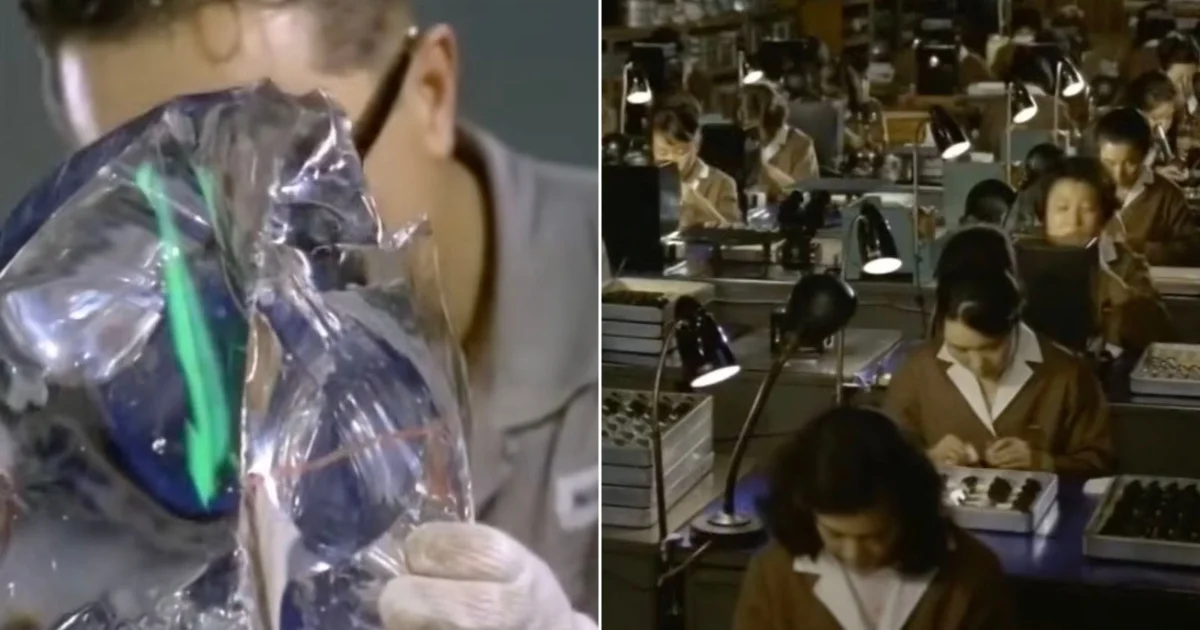
Modern optical engineering is a discipline defined by computational perfection. Today’s lens designers rely on complex digital simulations, algorithmic light-path modeling, and robotic molding techniques that produce elements of near-perfect consistency. Yet, beneath the veneer of modern high-resolution optics lies a lineage of craftsmanship that began decades before the advent of autofocus and internal computer processing. A 1966 documentary produced by Nippon Kogaku Kogyo (now Nikon) in collaboration with Tokyo Cinema offers an invaluable technical record of an era when the "human element" was not merely a part of the process, but the defining factor of optical quality.
The documentary, titled "The Eye of Science," which secured the Japan Industrial Film Contest Encouragement Award in 1967, serves as more than a historical artifact; it is a detailed chronicle of the mid-20th-century industrial standards that cemented Nikon’s reputation as a leader in global optics.
A Chronology of Optical Advancement
The mid-1960s represented a pivotal juncture for the Japanese camera industry. Following the post-war economic boom, companies like Nikon were transitioning from rudimentary glass production to high-precision industrial output.
- 1917: Establishment of Nippon Kogaku Kogyo K.K.
- 1948: Introduction of the Nikon I, marking the company’s entry into the 35mm camera market.
- 1959: Launch of the Nikon F, the company’s first professional SLR, which set the standard for modular camera systems.
- 1966: Production of the "The Eye of Science" documentary, documenting the peak of manual-intensive glass manufacturing.
- 1970s–1980s: Gradual transition to computer-aided design (CAD) and automated lens coating technologies.
- Present Day: Industry-wide adoption of AI-driven optical simulations and nano-crystal coatings.
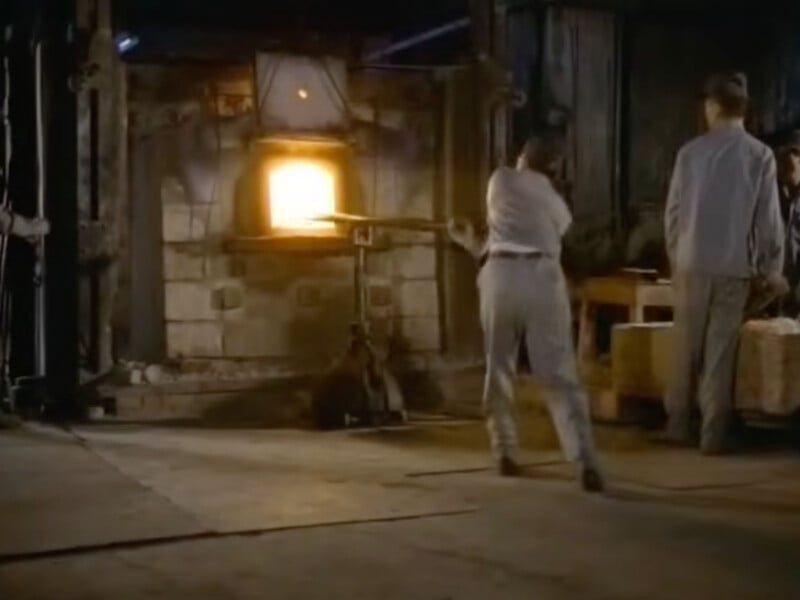
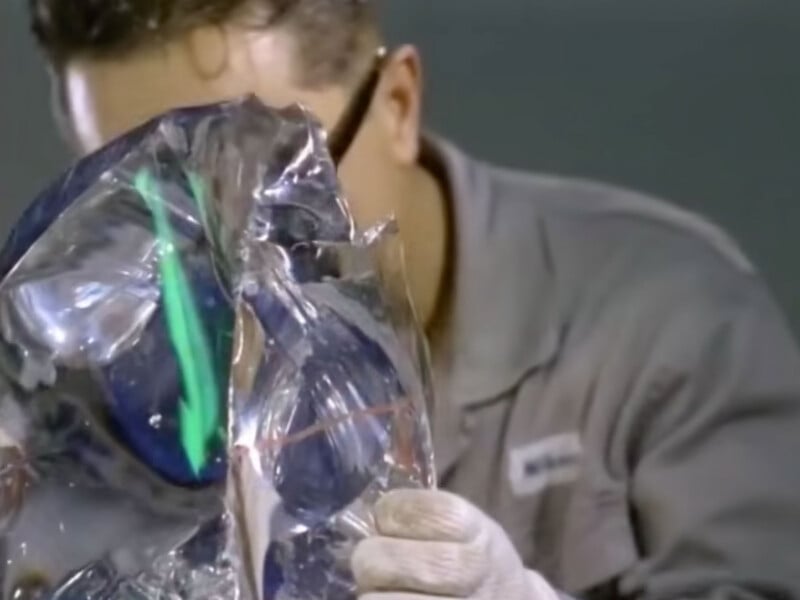
In 1966, the manufacturing floor at Nikon was a theater of intense physical labor. The raw materials—silica sand combined with specific metallic oxides—were melted in crucibles at temperatures exceeding 1,000 degrees Celsius. Once cooled, the resulting glass was broken into manageable chunks and inspected for impurities. Every stage that followed, from the pressing of the molten glass into circular blanks to the final polishing, was subject to stringent manual intervention.
The Mechanics of 1966: Precision Through Manual Labor
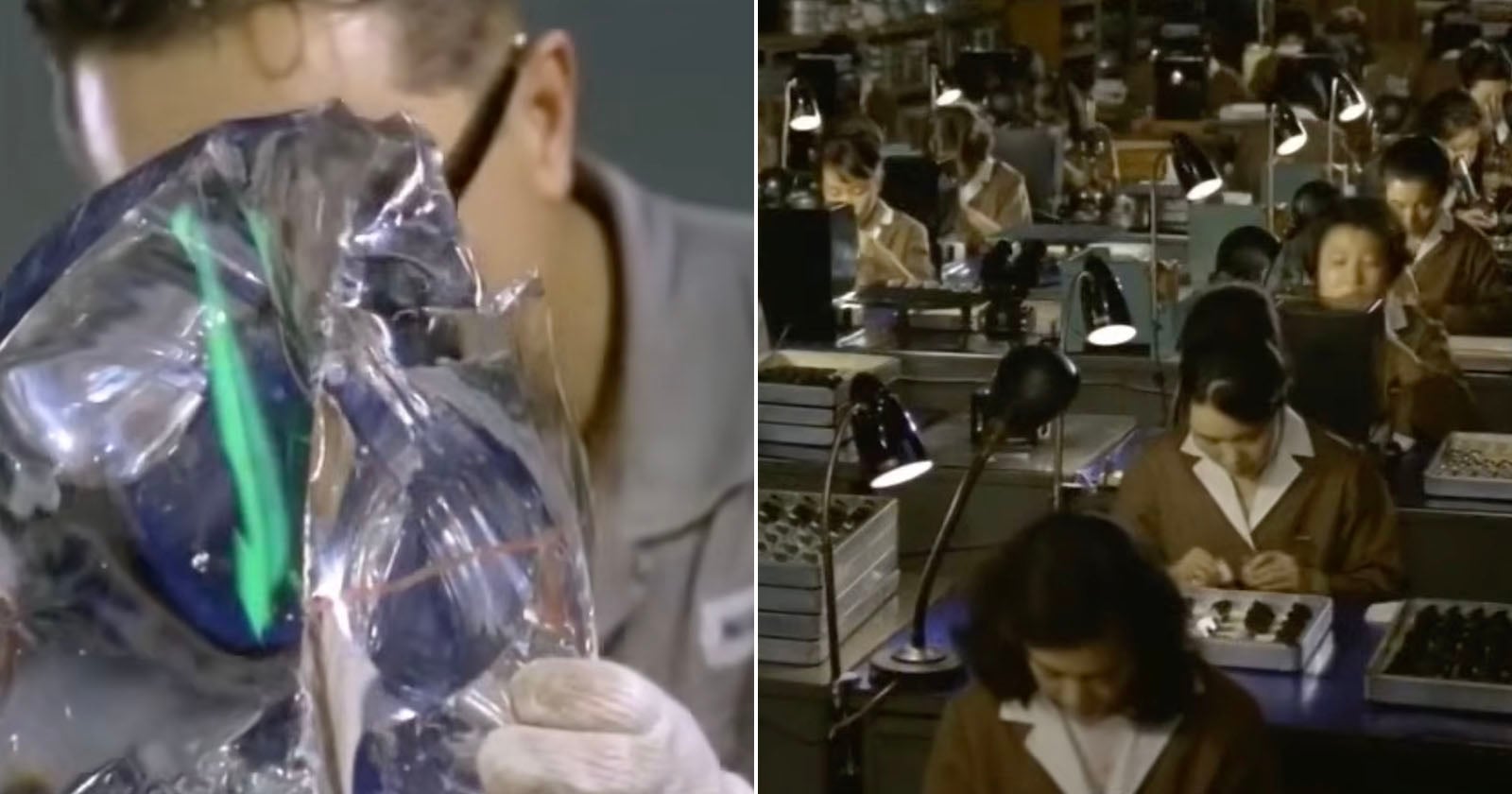
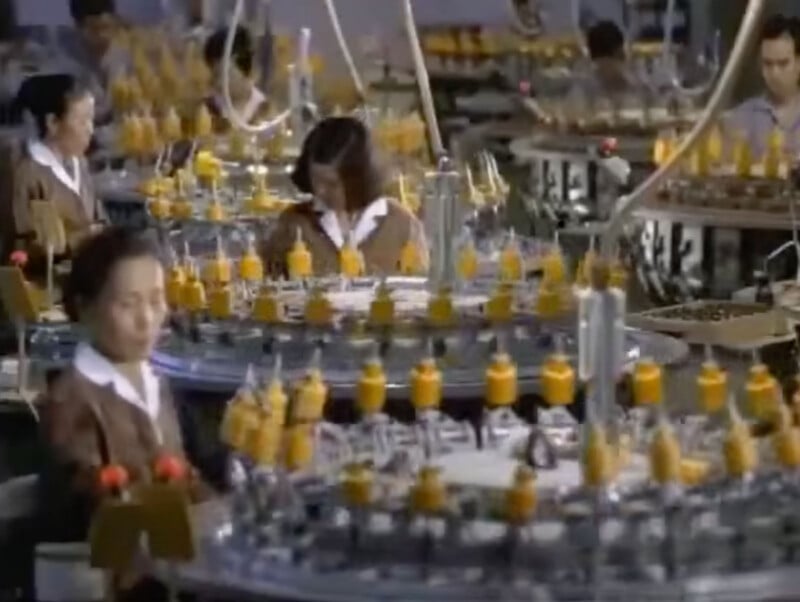
The technical requirements for lens manufacturing in the 1960s were remarkably unforgiving. According to the documentary, Nikon engineers worked with tolerances of just a few micrometers. Achieving this level of precision without modern computer-controlled lathes necessitated a workforce of highly trained technicians who operated grinding and polishing machinery by hand.
The assembly process was equally rigorous. A lens barrel is a complex mechanical housing that must hold multiple glass elements in perfect alignment. In the 1960s, this required the manual placement of elements, with technicians using specialized lamps and mechanical jigs to ensure each piece was centered to a degree that avoided chromatic aberration and peripheral softness. The documentary reveals that the Nikon F and the Nikon F Photomic T required the assembly of over 1,000 individual components, a testament to the mechanical complexity of the era’s professional hardware.
Supporting Data and Technical Context
To understand the significance of this 1966 era, one must look at the physical limitations of the time. Modern lenses benefit from "aspherical" elements—complex shapes that are molded with high-pressure machines to correct spherical aberration. In 1966, creating such shapes was prohibitively difficult and expensive, leading to the use of more glass elements in a single barrel to achieve the same result.
This resulted in lenses with a unique optical signature. Because they lacked the complex, multi-layered anti-reflective coatings found on modern lenses, 1966-era optics were prone to "flaring"—a phenomenon where light scatters internally. While engineers of the time viewed this as a deficiency to be corrected, contemporary cinematographers and photographers now view these imperfections as "character," providing a warmth and organic aesthetic that modern, clinically perfect glass often lacks.
Official Perspectives and Industry Legacy
While Nikon has moved toward fully automated cleanroom environments where human hands rarely touch the final glass, the foundational principles documented in 1966 remain the bedrock of the company’s internal training programs. The company’s historical archives suggest that the move toward automation was driven not just by the need for consistency, but by the necessity of scaling production to meet the demands of a global market that would eventually number in the millions of units annually.
Industry analysts note that the shift from the 1966 manufacturing model to current practices has resulted in a 99.9% reduction in optical variance between units. However, the legacy of the Nikon F series persists. Thousands of these units remain in circulation today, maintained by a dedicated community of analog enthusiasts. The longevity of these devices—often functioning perfectly six decades after production—stands in stark contrast to the rapid obsolescence of digital electronics, which rarely possess the same repairability or mechanical durability.
Broader Impact: The Value of Vintage Optics
The continued demand for 60-year-old Nikon lenses on the secondary market provides a unique case study in value retention. Unlike modern consumer electronics, which depreciate as soon as they are unboxed, well-preserved Nikkor lenses from the 1960s have seen their market value stabilize or increase.
This trend is driven by three primary factors:
- Mechanical Repairability: The all-metal construction allows for complete disassembly and cleaning, extending the lifespan of the lens indefinitely.
- Aesthetic Utility: Modern digital sensors can be overly clinical; vintage lenses provide a "texture" to images that reduces the need for heavy post-production digital manipulation.
- Historical Significance: As the world moves toward a future defined by software-defined hardware, there is a growing appreciation for the tangible, tactile engineering that characterized the mid-20th century.
Implications for Future Manufacturing
The transition from the manual, crucible-based glass production of 1966 to the silicon-wafer precision of 2026 is a narrative of human progress. However, the documentary serves as a reminder that technological advancement often comes at the cost of the artisan’s touch.
Looking forward, the camera industry is entering a new phase where software integration is becoming as important as glass quality. As we look back at the 1966 Nikon production cycle, the primary takeaway is the extreme level of care required to produce a single reliable piece of equipment. If a 1966 Nikon F required 1,000 parts and hours of manual labor to achieve its status as a reliable tool, the modern equivalent—which relies on digital sensors and complex circuitry—faces a different challenge: the challenge of long-term sustainability.

As noted in the 1966 footage, the goal was to create an "eye" for the photographer—a tool that bridged the gap between reality and the film strip. Whether that bridge is built by a technician at a polishing lathe or by an automated robot in a vacuum-sealed room, the objective remains the same: the mastery of light. The documentary remains an essential watch for those interested in the history of industrial design, reminding us that while our tools evolve, the pursuit of optical excellence remains a constant in the history of human innovation.

