


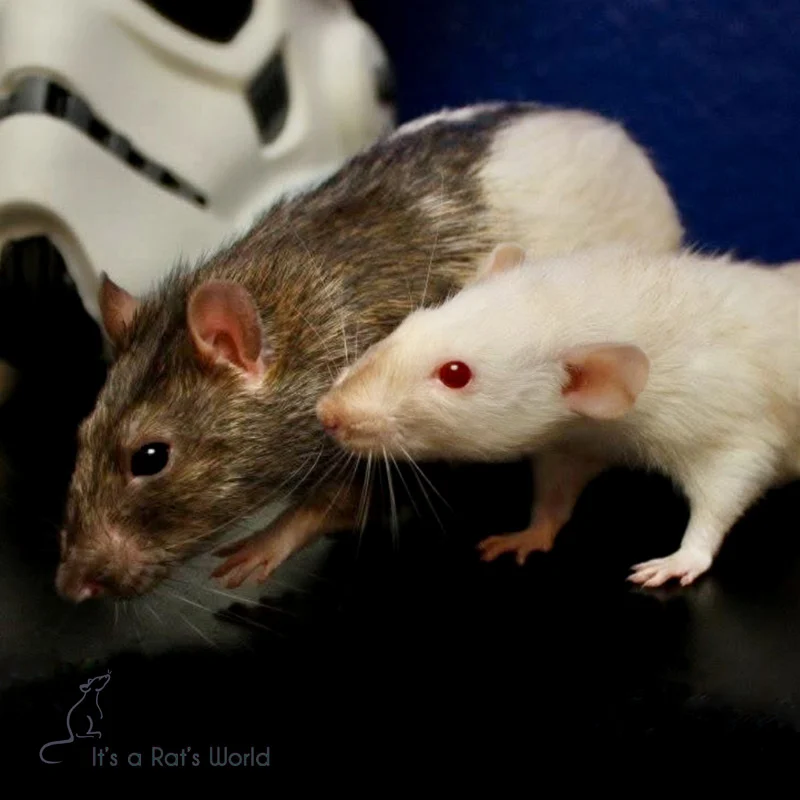
Prospective pet owners frequently face the decision of selecting between male and female rats, a choice that carries significant implications for husbandry, social dynamics, and long-term veterinary care. While both sexes are renowned for their high intelligence, social complexity, and capacity for human bonding, they possess distinct biological and behavioral profiles that can influence the suitability of a pet for a specific household. Understanding these nuances is essential for ensuring the welfare of the animals and the success of the human-rat relationship.
Physiological Characteristics and Sexual Dimorphism
Physical differentiation between male and female rats is primarily defined by sexual dimorphism, with males generally exhibiting larger skeletal structures and greater body mass. On average, an adult male rat typically measures between 10 and 12 inches in length—excluding the tail—and maintains a weight range of 450 to 650 grams. Conversely, females are more diminutive, usually measuring 9 to 10 inches and weighing between 350 and 450 grams. While these figures represent the standard, individual growth variations and genetic predispositions can occasionally lead to overlaps, with some females reaching the size of smaller males, and exceptionally large males exceeding 900 grams.

A notable physiological distinction exists in the integumentary system. Intact males produce significant quantities of sebaceous secretions, colloquially referred to as "buck grease." This yellowish, oily substance is a normal component of male skin health but can accumulate in the fur, potentially leading to a coarse texture or dermatological irritation if not managed through occasional grooming or cleaning. Female rats, by contrast, typically maintain softer, less oily coats throughout their lives.
Olfactory Profiles and Sensory Differences
The sensory experience of owning rats is often shaped by their distinct, sex-specific scent profiles. Scientific observation and anecdotal reporting from experienced breeders suggest that intact males and females possess unique pheromonal odors. Intact males are frequently noted for a scent profile reminiscent of warm corn tortillas or cereal grains, a result of their specific lipid and hormone secretions. Females tend to emit a lighter, more floral or "grape-like" aroma.
These scent profiles are heavily dependent on hormonal status. Neutering or spaying often neutralizes the more pungent aspects of these odors, with neutered males often adopting the milder, sweeter scent typical of females. However, hygiene remains a factor for both sexes. Rats are naturally fastidious groomers, but they are prone to "marking" territory. Males are statistically more inclined to engage in frequent urine marking to establish dominance or claim territory, while females are generally less prone to this behavior.
Behavioral Development and Social Maturity
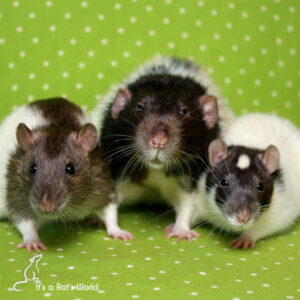
The developmental timeline of a rat is rapid, with social maturity occurring significantly earlier than in many other mammalian pets. Puberty is generally reached between 6 and 8 weeks of age; however, social maturity—the phase where hierarchical structures and territorial behaviors are solidified—typically occurs between 5 and 9 months.
During this window, male rats may undergo a period of increased irritability or "hormonal angst." While not all males exhibit behavioral volatility, a subset may display heightened aggression toward cage mates or, in rare instances, human handlers. This behavioral shift is often manageable through environmental enrichment and social stabilization, though in cases of persistent aggression, veterinary consultation regarding chemical or surgical castration is standard practice.
Female rats, while generally less prone to territorial aggression than males, exhibit distinct behavioral cycles. Intact females experience estrus cycles every four to five days. During these periods, owners may observe increased activity levels, restlessness, and specific physical manifestations such as ear-flicking or rapid twitching. These behaviors are indicators of normal reproductive health but underscore the necessity for owners to understand the biological rhythm of their pets.

Veterinary Considerations: Spay and Neuter Implications
The medical implications of sterilization in rats are substantial, particularly regarding the prevention of reproductive cancers. Female rats are highly susceptible to mammary tumors, which are frequently hormone-dependent. Clinical research indicates that spaying females at a young age—ideally between 3 and 5 months—can serve as a preventative measure against the development of mammary, uterine, and ovarian pathologies.
For males, the primary medical benefit of neutering is behavioral regulation, though it also eliminates the risk of testicular cancer and prevents the formation of proteinaceous plugs, which can cause significant discomfort in elderly or mobility-impaired males. Veterinarians emphasize that while both procedures carry the standard risks associated with anesthesia in small exotic mammals, the potential for long-term health benefits often outweighs the surgical risks, particularly for females.
Broader Implications for Multi-Rat Households
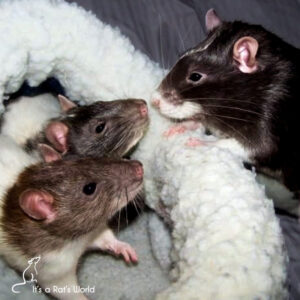
The introduction of new rats into an established colony is a process that requires careful management, regardless of sex. However, the dynamics of these introductions vary. It is widely observed within the rescue and breeding community that same-sex pairings—particularly between males—can be more challenging due to territorial instincts. Introductions between males often require a longer acclimation period and strict supervision to ensure that hierarchy-testing does not escalate into injurious fighting.
Mixed-sex households present the most critical management challenge. To prevent unplanned and potentially large litters—which can consist of 8 to 18 pups—at least one sex must be sterilized if they are to be housed in proximity. Relying on cage bars as a barrier is insufficient, as rats are adept escape artists and can mate through enclosure wire. Responsible ownership requires a commitment to either separating colonies entirely or ensuring that all members are fixed.
Comparative Analysis of Care Requirements
When evaluating the "better" pet, data suggests that the choice should be based on the owner’s lifestyle and capacity for care rather than a perceived superiority of one sex over the other. Both sexes are highly capable of forming deep, affectionate bonds with their owners.
Summary Table of Comparative Factors:
| Factor | Male Rats | Female Rats |
|---|---|---|
| Size | Larger (450–650g+) | Smaller (350–450g) |
| Coat Texture | Can be oily (buck grease) | Generally soft |
| Scent | Corn-like/musky | Floral/grape-like |
| Activity Level | Prone to lethargy with age | Often more active/climbing |
| Territoriality | Higher, prone to marking | Lower, generally easier intros |
| Health Risks | Testicular/penile issues | High risk of mammary tumors |
Expert Consensus and Future Outlook
Veterinary experts and established rescue organizations consistently advocate for informed decision-making. The consensus is that the individual personality of the rat, shaped by genetics and early socialization, is a more accurate predictor of "cuddliness" and temperament than sex alone. While trends exist, such as the tendency for older males to become more sedentary, these are generalizations rather than absolute rules.
For the prospective owner, the decision should be grounded in the ability to provide adequate space, social interaction, and, crucially, access to exotic animal veterinary care. As the popularity of rats as companion animals continues to grow, so too does the body of knowledge regarding their care. By prioritizing spaying and neutering as a standard of preventative health, owners can significantly enhance the quality of life and longevity of their pets. Ultimately, whether one chooses the stoic, relaxed presence of a male or the energetic, inquisitive nature of a female, both offer a unique and rewarding experience for those prepared to meet their specific, intelligent needs.

