


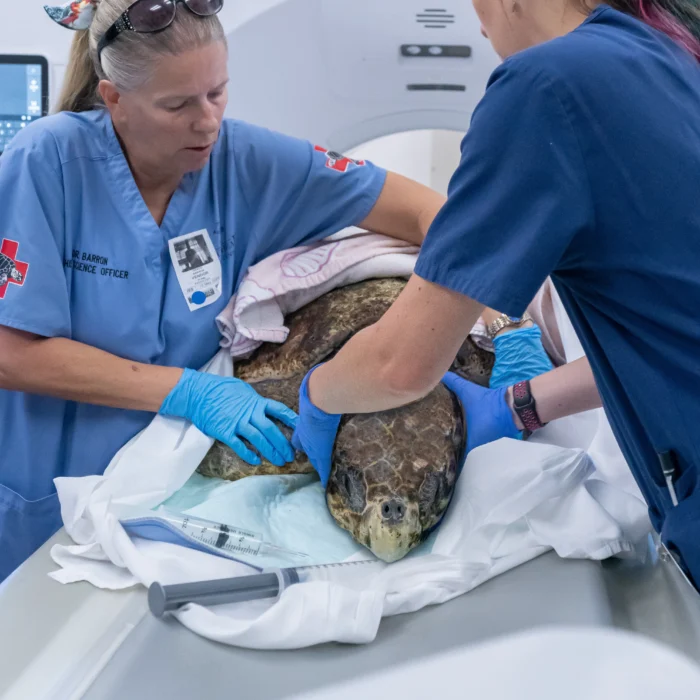
The field of marine wildlife conservation has reached a critical juncture, necessitating advanced medical interventions to address the mounting health challenges faced by sea turtle populations globally. As environmental stressors, anthropogenic activities, and shifting oceanic climates continue to impact these ancient reptiles, veterinary professionals are increasingly required to develop specialized diagnostic and therapeutic protocols. LafeberVet, a prominent resource for veterinary continuing education, has recently highlighted the importance of standardized clinical training through its latest educational initiatives, aimed at equipping practitioners with the expertise needed to manage complex sea turtle cases.
The Evolution of Marine Veterinary Practice
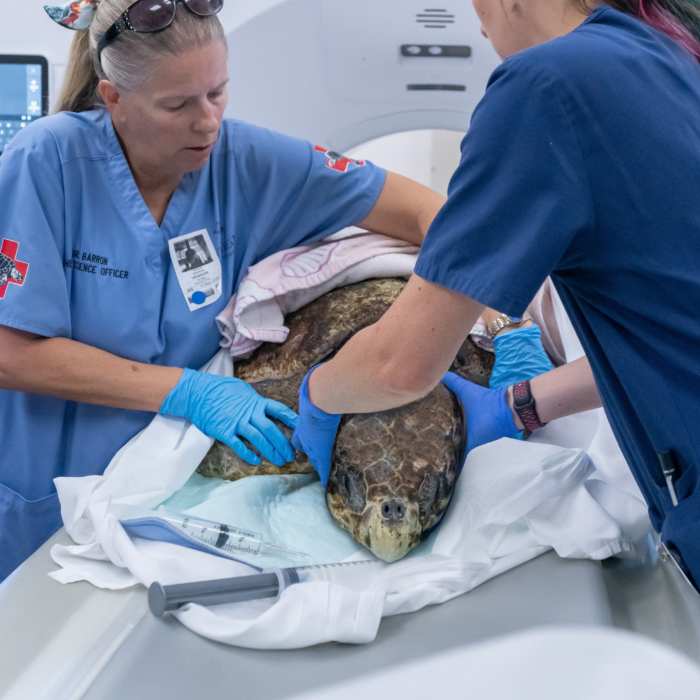
The study of sea turtle medicine has evolved from basic opportunistic rescues into a sophisticated discipline that integrates internal medicine, surgery, diagnostic imaging, and conservation physiology. Historically, the treatment of sea turtles was limited by a lack of baseline physiological data and specialized veterinary facilities. However, the last two decades have seen a significant transformation. Modern veterinary centers, often operating in collaboration with governmental agencies and non-profit organizations, now employ high-frequency ultrasound, CT imaging, and advanced hematology to treat injuries resulting from boat strikes, entanglement in fishing gear, and ingestion of marine debris.
The rise of fibropapillomatosis—a debilitating, tumor-forming disease associated with the herpesvirus—has particularly necessitated a rapid expansion of clinical knowledge. Veterinary teams are currently at the forefront of researching the etiology of these tumors, which can severely impede a turtle’s ability to swim, feed, and evade predators. The emphasis on standardized care, as promoted by professional resources like the recently updated LafeberVet webinar series, serves to bridge the gap between field research and clinical application, ensuring that veterinary teams across the globe are utilizing the most effective, evidence-based methodologies.
Chronology of Conservation Challenges
The timeline of sea turtle health crises corresponds closely with the escalation of human-impact events in coastal and pelagic zones. In the 1990s and early 2000s, the primary focus of marine veterinary medicine was on acute trauma—specifically, turtles injured by commercial fishing longlines and trawlers. These incidents led to the development of the Turtle Excluder Device (TED) and subsequent advancements in surgical stabilization for shell fractures.
By the 2010s, the narrative shifted toward chronic health issues linked to environmental degradation. Plastic ingestion emerged as a leading cause of mortality, with veterinarians discovering that even small amounts of synthetic material could cause life-threatening gastrointestinal impactions. Concurrent with this, the increasing prevalence of cold-stunning events—where turtles become lethargic and hypothermic due to rapid drops in water temperature—has forced veterinary clinics to scale their intake capacity during winter months, particularly along the Atlantic coast of the United States. Today, the focus has broadened to include the long-term monitoring of rehabilitation success, utilizing satellite tagging to ensure that released individuals are successfully reintegrating into wild populations.
Clinical Data and Diagnostic Standards
Data collected from major rehabilitation facilities indicate that successful outcomes are highly dependent on the speed of triage and the quality of supportive care. According to veterinary literature, the mortality rate of sea turtles suffering from acute trauma drops by approximately 30% when specialized intensive care is provided within the first 24 hours of rescue. This care includes aggressive fluid therapy, targeted antibiotic administration, and nutritional support, often utilizing specialized formulas such as those developed by EmerAid for herbivorous and omnivorous species.
The importance of continuing education in this sector cannot be overstated. By participating in accredited programs—such as those offering RACE-approved modules—veterinarians gain insights into the latest pharmacokinetics, anesthesia techniques for reptiles, and the nuances of necropsy, which are essential for population health surveillance. The certification processes associated with these educational platforms ensure that practitioners meet the rigorous standards required to hold federal and state permits for sea turtle rehabilitation.

Institutional and Industry Responses
The role of corporate and institutional sponsorship in these educational efforts is vital. By providing the financial and logistical support for webinars and clinical training materials, organizations like EmerAid allow for the dissemination of critical information to a global audience. The recent “Sea Turtle Medicine” module, which includes structured components such as post-test assessments and evaluation forms, reflects a commitment to maintaining high clinical standards within the veterinary community.
Industry experts emphasize that such educational initiatives are not merely supplementary; they are foundational to the sustainability of marine conservation efforts. As Dr. [Name/Representative] noted during recent industry discussions, “The ability to accurately diagnose and treat a sea turtle is the last line of defense against the extinction of these keystone species. Without a trained workforce capable of performing complex medical procedures, the success rate of rehabilitation efforts would plummet.”
Broader Implications for Global Biodiversity
The implications of advancements in sea turtle medicine extend far beyond the individual animal. Sea turtles act as "sentinels" of ocean health; their physiological condition often reflects the presence of toxins, pathogens, and pollutants in the marine environment. When veterinarians perform comprehensive physical exams and blood work on these reptiles, they are effectively conducting a biopsy of the ocean itself.
Furthermore, the data collected during clinical interventions contribute to long-term population modeling. Understanding the health status of a specific nesting beach or foraging ground allows conservationists to implement better policy, such as closing specific areas to commercial shipping or enforcing stricter waste management regulations. The integration of clinical data into broader environmental policy is becoming a hallmark of modern conservation science.

Future Outlook and Educational Integration
Looking ahead, the integration of artificial intelligence and machine learning in diagnostic imaging could further revolutionize how veterinarians interpret sea turtle health. Preliminary research into AI-assisted ultrasound interpretation suggests that future clinical tools could identify tumor growth or internal parasites with greater accuracy than current manual methods.
However, technology is only as effective as the clinician wielding it. The emphasis on professional development—evidenced by the resources offered by platforms like LafeberVet—is expected to grow. Future curricula are projected to cover increasingly specialized topics, such as the impact of microplastics on endocrine function and the development of non-invasive biomarkers for tracking stress in wild populations.
For the veterinary professional, the path forward requires a dedication to lifelong learning. The availability of digital resources, such as the downloadable “Housekeeping” guides and automated quiz modules, streamlines the process of obtaining continuing education credits (CECs). This accessibility ensures that whether a veterinarian is working in a high-tech facility in a metropolitan area or a remote field station, they have access to the same rigorous medical standards.
Conclusion: The Necessity of Specialized Training
The survival of sea turtles in an increasingly volatile oceanic environment is inherently linked to the proficiency of those tasked with their medical care. As the complexity of medical cases rises, the standard of care must rise in tandem. Through the collective efforts of educational providers, industry sponsors, and the dedicated veterinary community, the field of sea turtle medicine continues to refine its approach, transforming critical rescues into successful releases.

By utilizing standardized protocols and maintaining a commitment to ongoing clinical education, the veterinary profession remains a cornerstone of marine conservation. Whether through formal certification, participation in peer-reviewed webinars, or the application of specialized intensive care nutrition, every step taken in the clinic contributes to a larger goal: the protection and restoration of one of the planet’s most vulnerable and vital marine species. The journey of a rescued turtle, from the initial diagnostic scan to its eventual return to the ocean, is a testament to the progress made in this specialized field and a call to continue advancing the frontiers of veterinary medicine for the benefit of global biodiversity.

