


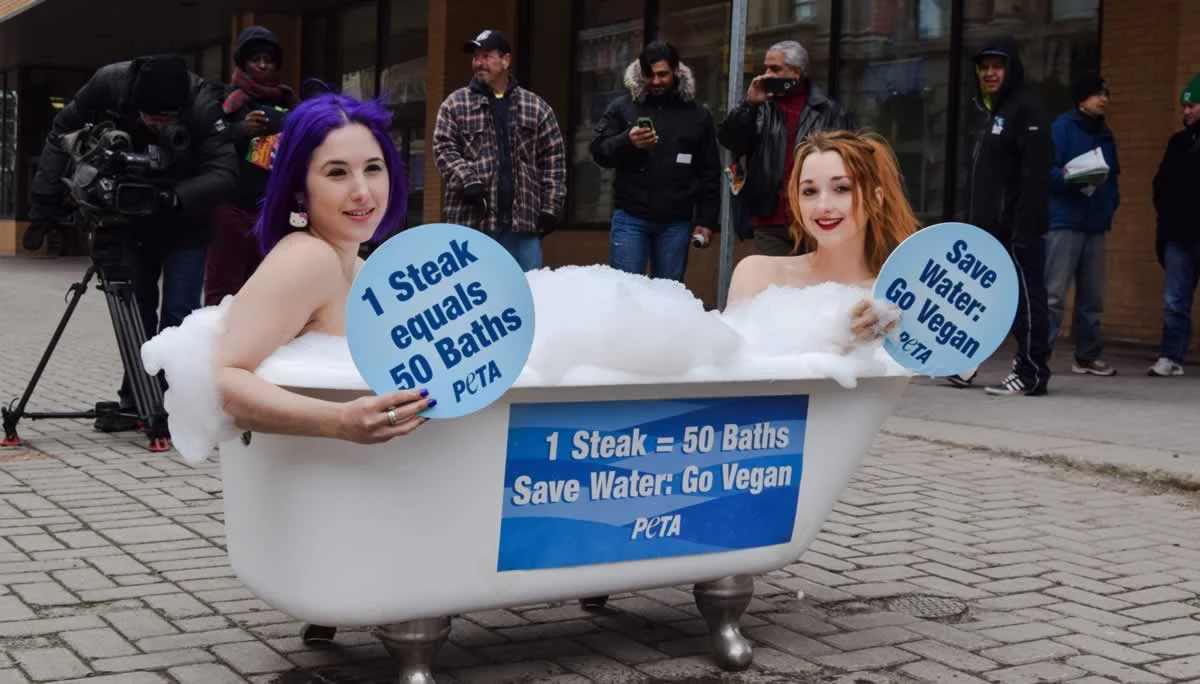
The observation of World Water Day on March 22, 2026, serves as a critical juncture for international policymakers, environmental scientists, and the global public to reassess the management of the planet’s most vital resource. As freshwater supplies continue to dwindle under the dual pressures of climate change and population growth, the discourse surrounding conservation has shifted from minor domestic adjustments to a comprehensive examination of industrial consumption. While traditional public service announcements emphasize household conservation—such as repairing leaks and reducing shower times—emerging data suggests that the most significant impact on global water reserves is rooted in the global food supply chain, specifically within the sectors of animal agriculture and commercial fishing.
The Evolution and Context of World Water Day
World Water Day was first formally proposed in Agenda 21 of the 1992 United Nations Conference on Environment and Development in Rio de Janeiro. The United Nations General Assembly responded by designating March 22, 1993, as the first World Water Day. In the three decades since its inception, the event has evolved from a general awareness campaign into a targeted platform for addressing Sustainable Development Goal 6: water and sanitation for all by 2030.
By 2026, the urgency of this mission has intensified. According to UN-Water, billions of people still lack access to safely managed drinking water and sanitation. The theme for this year’s observance focuses on the "Hidden Water Footprint," highlighting the volume of freshwater used to produce the goods and services consumed by society. This concept, often referred to as "virtual water," accounts for the vast majority of human water usage, far outstripping the quantities used for drinking, hygiene, and domestic maintenance.
The Agricultural Sector as the Primary Driver of Water Consumption
Data from the United States Geological Survey and various international environmental agencies indicate that agriculture accounts for approximately 70 percent of all freshwater withdrawals globally. Within this sector, the production of animal-based proteins—meat, dairy, and eggs—is disproportionately water-intensive. In the United States, research suggests that approximately 55 percent of the total freshwater supply is directed toward raising livestock for food.
This high consumption rate is attributed to several stages of the production cycle. First, massive quantities of water are required to irrigate the crops, such as soy and corn, which serve as the primary caloric source for livestock. Second, the animals themselves require significant amounts of drinking water throughout their lifespans. Finally, industrial-scale slaughterhouses and processing facilities utilize millions of gallons of water daily for sanitation and carcass processing.
Comparative Analysis of Water Footprints
To understand the scale of water usage in food production, environmental researchers often utilize comparative metrics. The disparity between plant-based and animal-based products is stark:
- Beef Production: Estimates suggest that producing one pound of beef requires between 1,500 and 2,000 gallons of water. This includes the water used for the cattle’s feed, hydration, and the eventual processing of the meat.
- Poultry and Pork: While less intensive than beef, the production of one pound of chicken requires approximately 500 gallons of water, while pork requires roughly 700 gallons.
- Dairy: The dairy industry is similarly resource-heavy, with a single gallon of cow’s milk requiring an estimated 1,000 gallons of water to produce, factoring in the needs of the lactating animal and the irrigation of pasture and silage.
- Plant-Based Alternatives: In contrast, the water footprint of plant-based staples is significantly lower. Producing one pound of wheat requires approximately 25 gallons of water. Recent life-cycle assessments indicate that plant-based meat substitutes, such as veggie burgers, require more than 75 percent less water than their bovine counterparts.
Environmental Degradation and Water Quality
The impact of animal agriculture extends beyond mere consumption; it is also a leading cause of water pollution. The intensive confinement of thousands of animals in Concentrated Animal Feeding Operations (CAFOs) results in the production of vast quantities of waste. This waste, often stored in large "lagoons," can leak or overflow into local watersheds, introducing nitrates, phosphates, antibiotics, and pathogens into the groundwater and nearby river systems.
This nutrient runoff is a primary contributor to "dead zones" in coastal waters, such as the persistent hypoxic zone in the Gulf of Mexico. These areas are characterized by oxygen levels so low that marine life cannot survive, leading to the collapse of local biodiversity and the disruption of commercial and subsistence fishing.
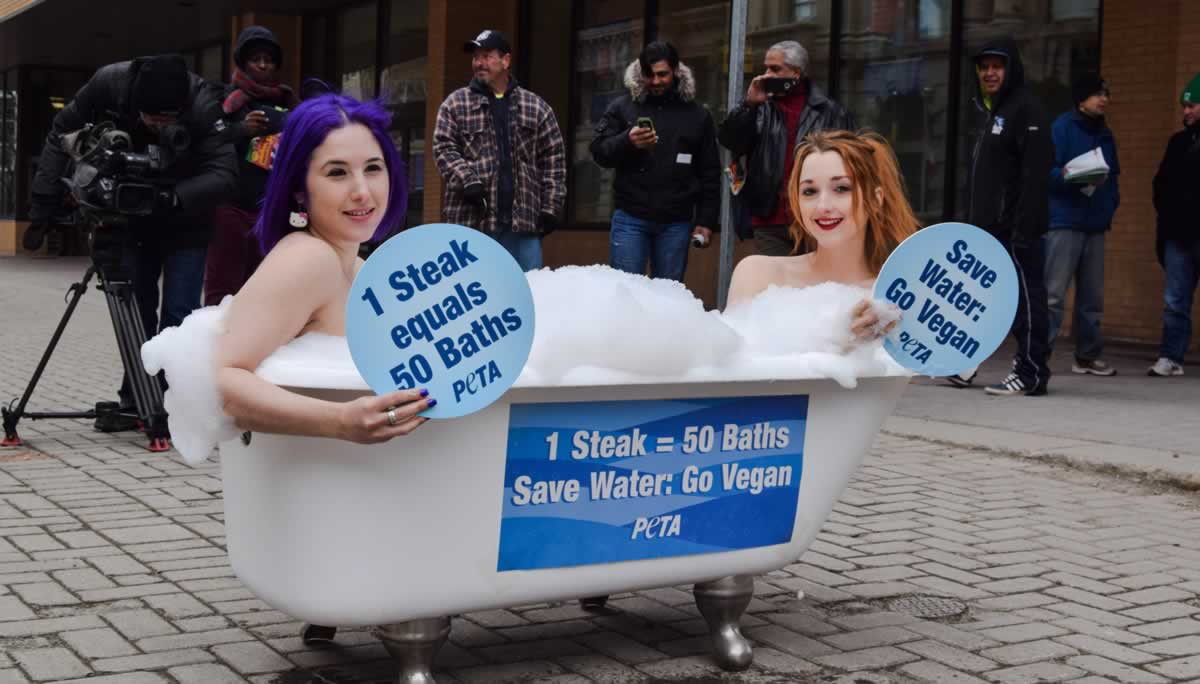
Furthermore, the commercial fishing and aquaculture industries contribute to the degradation of marine environments. Coastal fish farms are frequently criticized for releasing concentrated waste, parasites, and non-native species into sensitive ecosystems. The use of antibiotics in these farms to prevent disease in overcrowded pens further complicates the chemical balance of the surrounding water, potentially leading to the development of antibiotic-resistant bacteria in the wild.
Economic and Policy Implications
The economic ramifications of water scarcity are profound. As freshwater becomes a rarer commodity, the cost of production for water-intensive industries is expected to rise, leading to increased food prices and potential instability in global markets. Governments are increasingly faced with the challenge of balancing the water needs of industrial agriculture with the fundamental rights of citizens to access clean drinking water.
In response, some nations have begun to re-evaluate agricultural subsidies. Historically, subsidies have often favored the production of feed crops for livestock, effectively masking the true environmental cost of meat and dairy. Policy analysts suggest that redirecting these funds toward sustainable, water-efficient crop production—such as pulses, grains, and drought-resistant vegetables—could be a key strategy in mitigating future water crises.
Official Responses and Expert Insights
Environmental advocacy groups and scientific bodies have become increasingly vocal in their calls for systemic change. "We cannot solve the water crisis without addressing the food system," stated Dr. Aris Vangelis, a senior analyst at the Global Water Institute, in a recent briefing. "While individual conservation is commendable, the structural shift toward a plant-forward food system is the most effective lever we have for preserving global freshwater reserves."
Conversely, industry representatives from the meat and dairy sectors argue that technological advancements are improving water efficiency. Innovations in precision agriculture, such as automated irrigation systems and genetically modified drought-resistant feed crops, are cited as evidence of the industry’s commitment to sustainability. However, environmentalists argue that these incremental improvements are insufficient to offset the sheer volume of water required by the current global demand for animal protein.
The Path Toward 2030 and Beyond
As the international community looks toward the 2030 deadline for the UN Sustainable Development Goals, the focus on "water-wise" diets is expected to grow. The concept of a "3-week vegan challenge," often promoted by animal rights and environmental organizations, is increasingly viewed not just as an ethical choice, but as a practical environmental intervention. Proponents argue that if a significant portion of the global population transitioned to a plant-based diet, the resulting water savings would be measured in the trillions of gallons annually.
Calculations provided by environmental non-profits suggest that an individual transitioning to a vegan diet can save approximately 219,000 gallons of water per year. Beyond water conservation, this shift is linked to a reduction in greenhouse gas emissions and a decrease in the rate of deforestation, as less land is required for grazing and feed production.
Conclusion: A Data-Driven Approach to Conservation
World Water Day 2026 underscores the reality that water security is inextricably linked to global consumption patterns. The data indicates that while domestic efforts to conserve water are necessary, they are secondary to the massive volumes of water embedded in industrial food production. The "every drop counts" mantra is now being applied to the macro-economic level, urging a transition toward agricultural practices that prioritize the preservation of the Earth’s finite freshwater supply.
The transition toward more sustainable food systems involves a multi-faceted approach: policy reform, technological innovation, and a shift in consumer behavior. As the global population continues to rise, the ability to provide clean water for all will depend on the willingness of society to address the major culprits of water depletion and adopt a more efficient, plant-centric model of nutrition. The message of World Water Day is clear: the future of water security is on the plate.

