


The prevailing narrative of avian life in autumn often paints a picture of a grand, heroic exodus. Thousands of species are envisioned embarking on a perilous, yet necessary, pilgrimage south, trading the biting winds and scarce resources of the north for the promise of warmth and abundant sustenance. This romanticized image, however, masks a far more complex and nuanced reality. For a significant and growing number of bird species, the evolutionary calculus points not towards migration, but towards staying put, enduring the formidable challenges of northern winters. This strategic decision, often overlooked, represents a sophisticated balancing act between the inherent risks of long-distance travel and the demanding resilience required to survive the cold, storms, and food scarcity of their native territories. Understanding the "why" behind this seemingly counterintuitive choice reveals a fascinating interplay of ecological pressures, physiological adaptations, and the profound impact of a changing global climate.
The Perils of the Long Journey
Migration, while often depicted as a vital survival mechanism, is far from a gentle or guaranteed passage. The sheer scale of these journeys is staggering. Consider the songbirds, many weighing mere ounces, that must undertake non-stop flights across vast bodies of water like the Gulf of Mexico, a feat that demands immense energy reserves and precise navigation. Raptors, while larger, face their own set of formidable obstacles. Lacking the protective canopy of dense forests that can offer refuge, they are exposed to the full fury of winter storms, buffeted by winds that can push them off course or exhaust them beyond recovery.
The statistics underscore the brutal reality of migration. It is estimated that millions of birds perish annually during these arduous treks. The causes of mortality are manifold: sheer exhaustion that leaves them vulnerable, increased predation in unfamiliar territories, disorientation due to weather patterns or artificial light pollution, and tragically, collisions with human-made structures such as buildings, wind turbines, and power lines. A comprehensive study published in the journal PLOS Biology in 2019 estimated that between 3.5 and 7.3 billion individual birds are lost from the United States each fall due to migration. This staggering attrition rate naturally prompts a critical question: under what circumstances might staying put offer a more favorable survival outcome?
The answer lies in the availability of consistent and accessible food sources. For species that can reliably find sustenance in their northern habitats, the risks associated with migration can indeed outweigh the perceived benefits. These reliable food sources can include lingering fruits on trees and shrubs, the seeds of conifers that remain through the winter, or even the burgeoning availability of food provided by human-managed bird feeders. When these resources are stable and predictable, the energy expenditure and inherent dangers of a thousand-mile journey become a less attractive proposition compared to the localized challenges of a northern winter.
Northern Champions: Species Thriving in Winter
Several species have become emblematic of this "staying put" strategy. The Northern Cardinal, with its vibrant red plumage a striking contrast against snow-laden branches, is a prime example. These birds have a diverse diet that includes seeds, fruits, and insects, and their ability to readily utilize backyard bird feeders has proven instrumental in their successful expansion northward. Similarly, the Downy Woodpecker, a familiar sight on tree trunks, relies on a diet of insects, larvae, and seeds, often caching food for later consumption. Its ability to forage on a variety of trees and its relatively small size allow it to access food sources that larger birds might miss. The Blue Jay, known for its intelligence and adaptability, also remains a common winter resident in many northern locales. Its omnivorous diet, which includes nuts, seeds, fruits, and even insects and small vertebrates, coupled with its remarkable ability to cache food, enables it to navigate the winter months successfully.
These species, by holding their ground, demonstrate that a deep understanding of their local environment and the utilization of available resources can be a more effective survival strategy than undertaking the hazardous journey south. Their territories are familiar, their food sources are known, and their predators, while present, are often predictable within their established ranges. While winter undoubtedly presents challenges, the constant threat of mortality during migration is, for these birds, a greater risk.
Climate Change: Redrawing the Winter Map
The landscape of avian winter residency is not static; it is a dynamic mosaic constantly being reshaped by environmental shifts, most notably, climate change. Over the past century, scientists have observed a discernible northward expansion of the winter ranges for numerous bird species. This phenomenon is directly linked to increasingly milder winters, which reduce the severity of cold snaps and the duration of deep snow cover, making it more feasible for birds to find food and shelter.
The Northern Cardinal’s northward creep is a well-documented case study. Their range has extended significantly into regions previously considered too cold for year-round residency. This expansion has been further facilitated by the widespread adoption of bird feeding by humans, providing an artificial but crucial food source that supplements natural offerings. American Robins, once quintessential spring migrants, are now increasingly observed overwintering in large flocks across the northern United States. Their diet shifts to focus on persistent winter berries and fruits, which are more readily available due to warmer conditions. Even certain warbler species, historically considered strictly migratory, are now being recorded lingering through the winter in areas where food sources, such as late-blooming insects or available seeds, persist.

These shifts are more than just ornithological curiosities; they carry significant ecological implications. The altered winter distribution of birds can disrupt delicate predator-prey dynamics. For instance, an increased presence of insectivorous birds in winter might exert greater pressure on overwintering insect populations, potentially impacting spring breeding cycles. The composition of backyard feeder communities is also changing, leading to novel interspecies interactions. Furthermore, as birds remain in their breeding territories for longer periods, the timing of breeding seasons can be influenced. Birds that arrive earlier in the spring, having overwintered nearby, may establish territories and secure mates and nesting sites before the arrival of migratory counterparts, potentially altering the competitive landscape for breeding resources.
The Physiology of Persistence: Mastering the Cold
Remaining in northern climes during winter is not a passive endeavor; it demands remarkable physiological adaptations and behavioral strategies. Birds that choose to overwinter must operate within an unforgiving energy economy, where every calorie counts. Many species have evolved sophisticated mechanisms to conserve heat and maximize energy intake.
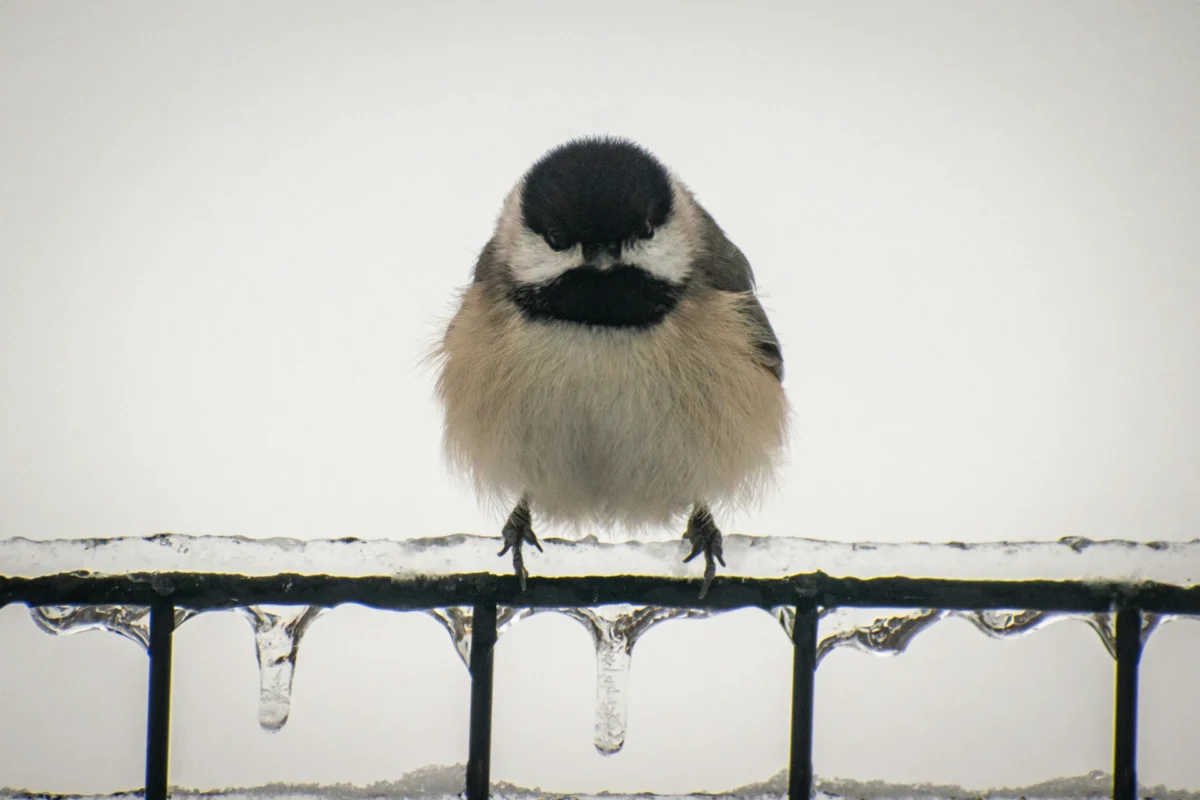
Black-capped Chickadees, for example, are masters of thermoregulation. During the frigid nights, they are capable of entering a state of controlled hypothermia, lowering their body temperature significantly to reduce their metabolic rate and conserve precious energy stores. This remarkable ability allows them to survive nights where ambient temperatures can plummet far below freezing. Woodpeckers, such as the Downy Woodpecker, rely on a meticulous strategy of food caching. They diligently store acorns, nuts, and seeds in bark crevices or other sheltered locations throughout the warmer months, creating a vital pantry for the lean winter months.
Other species, like Mourning Doves and various finch species, exhibit dietary flexibility. They shift their foraging efforts towards high-fat foods, such as seeds and suet, which provide a more concentrated source of energy. This shift in diet is crucial for fueling their metabolic furnaces through the long, cold nights, enabling them to generate sufficient body heat to survive. The challenge is immense, requiring birds to constantly balance energy expenditure with intake, a tightrope walk that can be tipped by a single severe storm or a prolonged period of food scarcity.
Winter as a Competitive Advantage
Paradoxically, for species that possess the necessary adaptations, staying north during winter can offer a significant competitive advantage in the subsequent breeding season. By avoiding the perils of migration, these birds are already established in their familiar territories when spring arrives. This proximity to prime breeding grounds means they can begin courtship rituals, establish territorial boundaries, and claim the most desirable nesting sites long before their migratory counterparts complete their arduous journeys.
This early arrival allows them to secure mates of higher quality and access to optimal nesting locations, which can directly influence reproductive success. The energy reserves that migratory birds must expend to reach their breeding grounds are instead utilized by resident birds for immediate breeding activities. This head start can translate into earlier nesting, larger clutch sizes, and ultimately, a greater number of fledglings. In essence, by braving the winter, these birds effectively "win" the race for reproductive resources in the spring.
A Calculated Decision, Not an Instinctual Error
The decision of a bird species to remain in its northern territory throughout the winter is not a random occurrence or a lapse in instinct. It is the product of millions of years of evolutionary refinement, a complex calculation influenced by a multitude of factors including the inherent risks associated with migration, the availability of local resources, the physiological capabilities of the species, and the ever-changing environmental conditions.
Migration offers the allure of abundant resources and a respite from the harshest conditions, but it comes at a steep price of potential mortality. Conversely, overwintering in the north presents the challenge of enduring extreme cold and food scarcity, but it offers the advantage of safety from the dangers of long-distance travel and the potential for a significant competitive edge in the breeding season. As the planet continues to warm and habitats evolve, the balance of these risks and rewards is increasingly tipping in favor of staying put for many species. This ongoing evolutionary drama, unfolding in our backyards and wild spaces, highlights the remarkable adaptability and resilience of avian life in the face of a rapidly changing world.

