


For many pet owners, the journey into animal companionship is often marked by a steep learning curve. For those who choose to welcome rats into their homes, this learning curve can be particularly pronounced, as a lack of readily accessible, accurate information has historically led to common but avoidable missteps. Brandi Saxton, a seasoned rat enthusiast with over three decades of experience and two decades dedicated to researching and disseminating accurate rat care, highlights ten critical errors that new and even some experienced owners might make. These mistakes, ranging from inadequate housing to improper feeding and insufficient social interaction, can significantly impact the health, happiness, and longevity of these intelligent and social creatures.
The Evolution of Rat Care Information
The landscape of pet care advice has undergone a dramatic transformation over the past few decades. In the 1990s, when Saxton first became a rat owner, information was scarce and often unreliable. Pet stores, while intended to be sources of guidance, sometimes showcased questionable products and outdated care practices. This era predated the widespread availability of the internet as a research tool and the rise of specialized online communities dedicated to exotic pet care. The limited access to veterinary expertise and peer-reviewed scientific literature meant that many owners, like Saxton, learned through trial and error, often with detrimental consequences for their pets.

The advent of the internet, while a boon for information sharing, also presented new challenges. Misinformation can spread rapidly through blogs, social media influencers, and even artificial intelligence chatbots that may synthesize inaccurate data. Saxton emphasizes the critical need for owners to become discerning consumers of information, actively seeking out reputable sources backed by veterinary science and experienced, knowledgeable breeders and rescue organizations. This shift from anecdotal advice to evidence-based practices is crucial for ensuring the well-being of pet rats.
Common Pitfalls in Rat Ownership
Saxton’s experience, coupled with extensive research and consultation with veterinarians and rescue professionals, has led to the identification of ten prevalent mistakes that can be easily rectified with proper knowledge.

1. Relying on Unreliable Information Sources
One of the most significant hurdles for new rat owners is navigating the vast and often contradictory information available online. Saxton cautions against blindly accepting advice from every website, blog, or social media personality. The longevity and track record of a source, their personal rat care practices, and whether they cite veterinary professionals or well-established rat care resources are key indicators of credibility. Saxton herself draws upon over 30 years of hands-on experience and more than two decades of dedicated research, collaborating with numerous veterinarians and experienced individuals in rescue and health fields. She specifically recommends resources like The Rat Guide for health-related advice, highlighting its thorough and scientifically-backed information. She also advises extreme caution with AI-generated content, as it can often misinterpret or present inaccurate information without the necessary nuance.
2. Inadequate Housing and Supplies
The living environment of a rat is paramount to its health and well-being. Saxton recounts her early mistake of using a 10-gallon aquarium as a cage, a practice now widely recognized as detrimental due to poor ventilation. Suitable rat cages should offer ample space, multiple levels, and excellent airflow. Wire bar spacing is crucial to prevent escapes and injuries, and wire floors are a significant hazard, leading to bumblefoot, a painful foot condition, and unsanitary living conditions. Covering wire floors with solid surfaces or appropriate bedding is essential.

Beyond the cage itself, the choice of bedding and accessories is vital. Pine and cedar shavings, which Saxton once used, are now known to be toxic to small animals due to their aromatic oils, which can cause respiratory distress. Safer alternatives include fleece or paper-based bedding. For litter boxes, crushed walnut shells, when properly treated (frozen for 24-48 hours to kill parasites), can be a suitable option. Saxton’s own experience with forgetting this crucial step resulted in a mite infestation, underscoring the importance of meticulous preparation. She also points to the need for thoughtful cage placement, considering factors like drafts, direct sunlight, and exposure to other household pets, which can cause stress.
3. Insufficient Cage Cleaning Frequency
A pristine cage is not merely an aesthetic concern; it is a fundamental aspect of a rat’s health. The accumulation of ammonia from urine can severely irritate a rat’s sensitive respiratory system, leading to illnesses. It can also cause eye irritation, impart an unpleasant odor to their fur, and is simply unhygienic. Saxton emphasizes the need for regular, thorough cleaning to maintain a healthy environment, recommending owners consult resources that detail effective cleaning routines.

4. Poor Feeding Habits and Nutritional Misconceptions
Diet is another area where significant mistakes can occur. Not all commercial rat foods are created equal; claims on packaging do not always reflect genuine nutritional adequacy. Overfeeding and offering rats unhealthy "junk" foods, such as human snacks like fries, pizza, chips, and sugary treats, are common and lead to obesity and associated health problems. While occasional, tiny, controlled treats can be part of a bonding experience, they should never form a regular part of the diet. Even healthy fruits and vegetables, which are essential daily components, must be given in appropriate proportions to prevent dietary imbalances and weight gain. Saxton advocates for a balanced staple diet supplemented with fresh produce, referencing comprehensive dietary guidelines available from reputable sources like The Rat Guide.
5. Lack of Exercise and Mental Stimulation
Rats are intelligent and active creatures that require both physical exercise and mental stimulation to thrive. A sedentary lifestyle can contribute to obesity, behavioral issues, and a reduced quality of life. Saxton stresses the importance of providing opportunities for daily exercise, whether through supervised free-ranging in a safe environment or through interactive toys and games. Engaging their minds with puzzle feeders, foraging activities, and training sessions can prevent boredom and promote cognitive health.

6. Improper Handling: The Danger of Grabbing the Tail
A rat’s tail is a vital appendage, far more than just a decorative appendage. It plays a crucial role in thermoregulation, balance, sensory input, and communication, and is essentially an extension of their spine. Grabbing a rat by its tail can cause significant injury, including tail degloving (where the skin is pulled off), fractures, or even spinal damage. Saxton strongly advises against this practice, encouraging owners to learn safe and gentle handling techniques that support the rat’s body, rather than grasping the tail.
7. Financial Unpreparedness for Veterinary Care
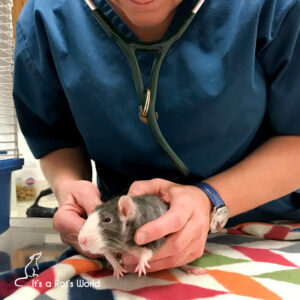
The cost of veterinary care for exotic pets, including rats, can be substantial and has seen a significant increase in recent years. Owners must be financially prepared for routine check-ups, potential illnesses, and age-related conditions. Respiratory infections, tumors, and other ailments are common in rats, and prompt veterinary intervention is often necessary for treatment and pain management. Saxton highlights that unexpected vet bills were a primary reason she had to temporarily step back from her own rat companionship to prioritize her health. Establishing a dedicated savings account for pet care and identifying a veterinarian experienced with rats before an emergency arises are crucial steps.
8. Rushing into Free-Ranging Without Preparation
While free-ranging allows rats to explore and exercise, it presents numerous risks if not managed correctly. Homes contain potential hazards such as electrical cords, toxic plants, small objects that can be ingested, and chemicals. Furthermore, rats can cause damage to furniture and carpets, and their waste can be unhygienic if not properly managed. Saxton emphasizes the need for thorough preparation, including rat-proofing the environment and understanding the potential consequences before allowing unsupervised exploration.
9. Neglecting the Needs of Senior Rats
As rats age, their physical and medical needs change. Owners must be observant and make necessary adjustments to their care. This includes modifying ramps and access points in the cage for those with mobility issues, ensuring food and water are easily accessible, and adapting feeding methods if appetite changes. Senior rats are more prone to illnesses such as tumors and respiratory problems, and prompt veterinary care, including pain management and antibiotics, can significantly improve their quality of life and extend their lifespan. Saxton’s article on senior rat care provides essential guidance for this stage of assisted living.

10. Lack of Full Commitment to Daily Care
Rat ownership is a significant commitment that requires daily attention to their physical and emotional well-being. This means more than just providing food and water; it involves daily interaction, playtime, and bonding. Rats are social creatures that thrive on routine and attention. Neglecting their need for daily quality time can lead to them feeling like mere occupants of a home rather than cherished members of the family. Establishing consistent daily routines for feeding, playtime, and interaction not only benefits the rat’s well-being but also fosters a deep and rewarding bond between owner and pet. The dedication to their daily needs, Saxton notes, is reciprocated with unparalleled affection and companionship.
In conclusion, while the journey of rat ownership can present challenges, particularly for newcomers, a commitment to ongoing education and awareness of common pitfalls can ensure a fulfilling and healthy life for these remarkable pets. By actively seeking reliable information, providing appropriate environments and nutrition, and dedicating consistent time and attention, owners can avoid costly mistakes and cultivate a strong, loving relationship with their rat companions.

