


In the historic St. Johns neighborhood of Portland, Oregon, a small storefront with a deep blue facade stands as a defiant guardian of a medium once thought to be on the brink of extinction. Blue Moon Camera and Machine, founded by Jake Shivery in late 2001, has evolved from a quiet startup into a globally recognized cornerstone of the analog photography community. While the early 2000s marked the aggressive ascent of digital imaging and the subsequent shuttering of thousands of traditional film labs across the United States, Blue Moon Camera and Machine pursued a different trajectory. By focusing on the tactile, the mechanical, and the chemical, the shop has not only survived the digital revolution but has become a primary catalyst for the modern resurgence of film photography.
The Founding and Early Struggles of an Analog Visionary
The origin of Blue Moon Camera and Machine is a study in timing and perseverance. When Jake Shivery decided to open the shop in 2001, the photographic landscape was in a state of volatile transition. At the time, Portland was home to 11 established camera stores, most of which were beginning to pivot toward the burgeoning digital market. Despite the stiff competition and the industry’s clear shift away from silver halide technology, Shivery remained committed to the traditional processes he loved.
The doors of Blue Moon Camera and Machine officially opened on December 1, 2001. The initial response from the public was underwhelming, bordering on non-existent. For the first several weeks, the shop saw virtually no foot traffic. Shivery recalls a period of significant professional anxiety, wondering if he had miscalculated the market’s appetite for analog tools. The turning point occurred through a combination of mentorship and local journalism. A former mentor of Shivery’s contacted The Oregonian, Portland’s primary daily newspaper, to pitch a story about the new shop’s unique focus on traditional machinery and film.
On Christmas Eve, 2001, Shivery arrived at work feeling discouraged, only to find a crowd gathered at the front door. A feature article had been published that morning, introducing the city to a shop that prioritized the craft of photography over the convenience of digital megapixels. That day marked the end of the shop’s obscurity and the beginning of its status as a local institution. Since that surge in December 2001, the business has maintained a consistent level of activity that has only grown as the "analog renaissance" took hold in the 2010s and 2020s.
A Multifaceted Approach to Photographic Preservation
What distinguishes Blue Moon Camera and Machine from a standard retail outlet is its integrated business model. The establishment is not merely a store; it is a specialized laboratory, a mechanical repair shop, and a cultural archive. The business is divided into several key pillars: the retail of vintage and used cameras, the sale of new film stocks, a full-service chemical darkroom, and an International Camera Museum.
The International Camera Museum, housed within the shop, serves as a physical history of optical engineering. It features a rotating collection of rare and significant photographic instruments, ranging from early 19th-century plate cameras to the sophisticated mechanical SLRs of the mid-20th century. This educational component reinforces the shop’s mission to connect modern users with the historical lineage of their tools.
In terms of technical services, the shop’s laboratory is renowned for its versatility. While many remaining film labs limit their services to standard C-41 color or black-and-white processing, Blue Moon’s technicians pride themselves on their ability to handle nearly any photographic medium. This includes discontinued processes and aged film stocks that have been sitting in attics for decades. According to staff member David Malenborg, the lab is willing to innovate and "make up" chemical processes when traditional ones are no longer available, ensuring that images thought to be lost to time can be successfully recovered.
The Analog Manifesto: Technique over Technology
Central to the identity of Blue Moon Camera and Machine is its official manifesto, a document that outlines the philosophical underpinnings of the business. The manifesto posits that analog photography is "the antidote to the often overlooked compromises of an ever-automated world." It argues that the shift toward digital automation has created a disconnect between the creator and the tool, leading to a "homogeny of practice" where the software often makes more decisions than the photographer.
The shop advocates for a "lifestyle of rigor over ease." This philosophy resonates with a growing demographic of younger photographers—specifically Gen Z and Millennials—who have found digital photography to be lacking in tactile satisfaction. By embracing the "lit fuse of planned obsolescence" found in modern electronics, Blue Moon positions itself as a purveyor of "forever tools"—mechanical cameras that, if properly maintained, can function for a century or more.
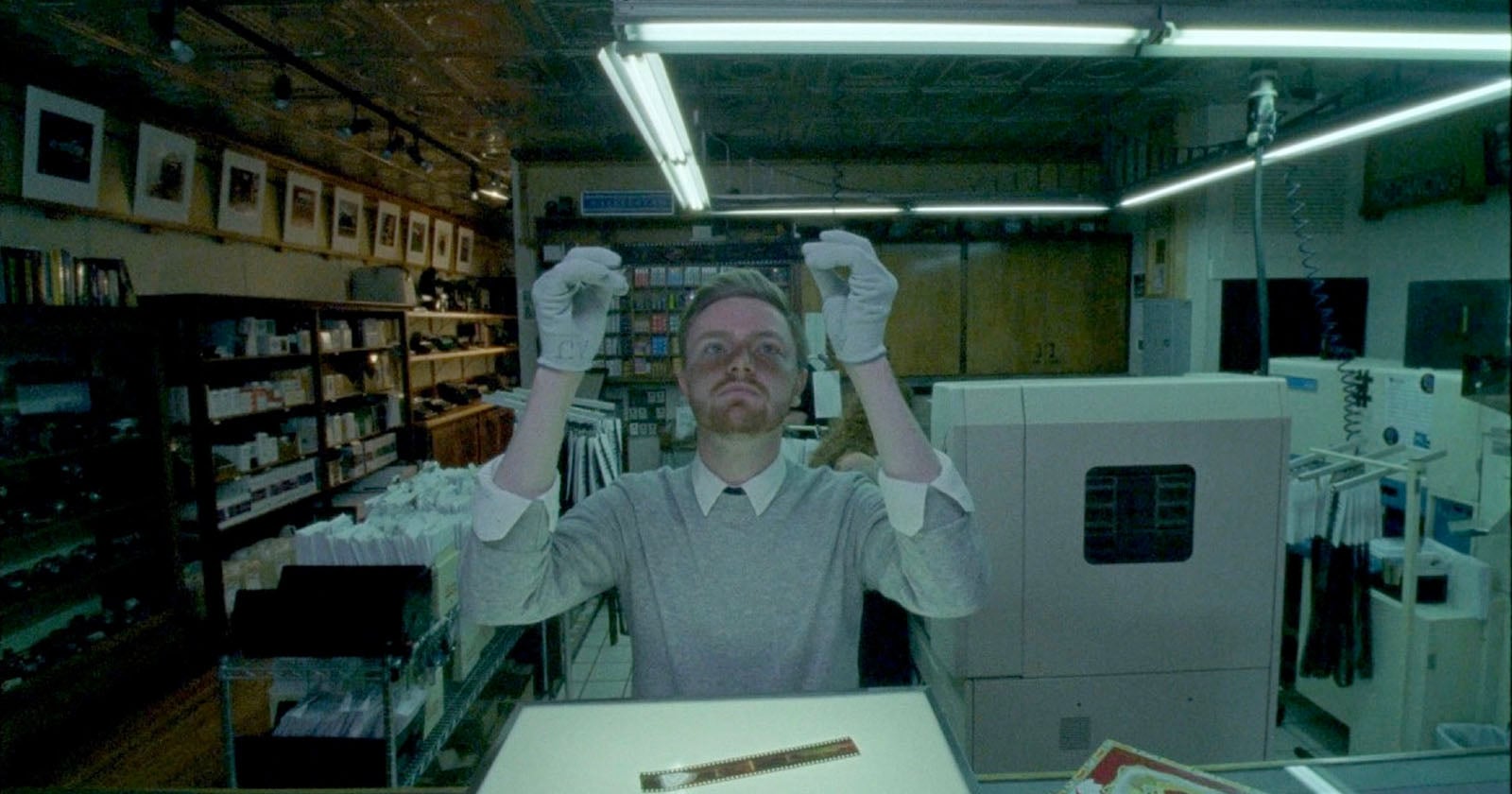
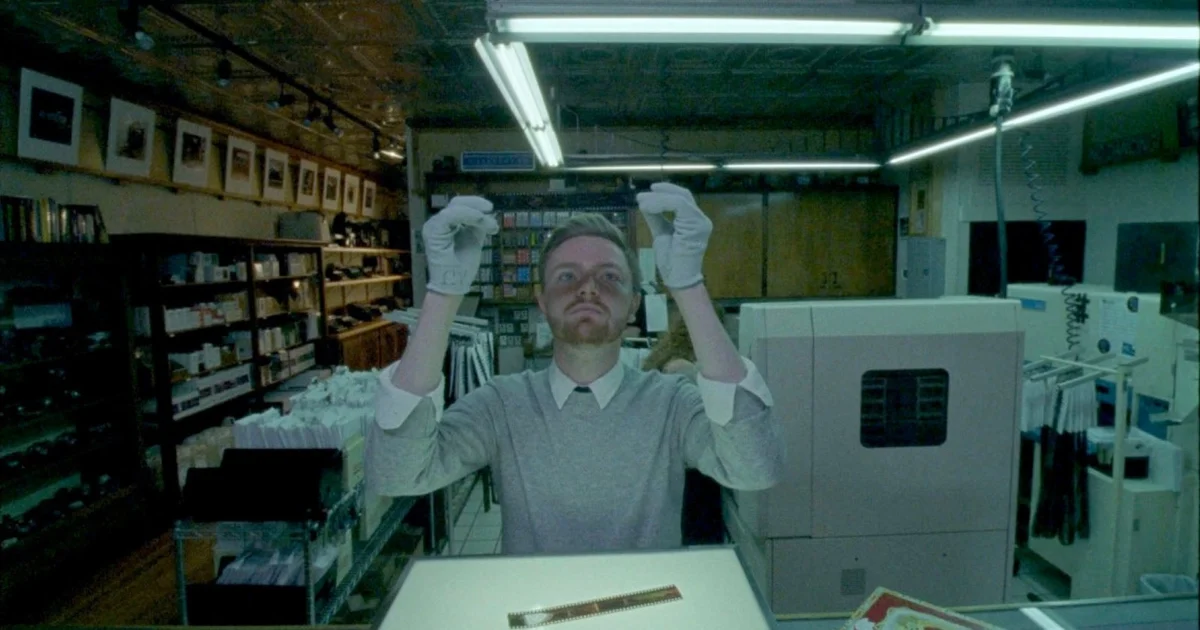
This commitment to the tangible extends to the shop’s internal culture. Staff members are known for wearing ties and maintaining a formal, professional demeanor that reflects the seriousness of the craft. This "old-school" approach includes answering every phone call personally and providing same-day service for certain processes—a level of human interaction that has become increasingly rare in the retail and service sectors.
Documenting the Legacy: Your First and Last Camera Store
The impact of Blue Moon Camera and Machine was recently captured in a short documentary titled "Blue Moon – Your First and Last Camera Store." Directed by local filmmaker Mike Marchlewski, the 15-minute film provides an intimate look at the shop’s operations and the people who sustain it. In a move that mirrors the shop’s own values, the documentary was produced entirely on 16mm motion picture film, with support from Kodak.
The choice of 16mm film for the production was both a stylistic and a political statement. In an era where high-definition digital video is the default, filming on motion picture stock requires a higher level of discipline, lighting expertise, and financial investment. The resulting aesthetic—characterized by natural grain, rich color depth, and organic textures—serves as a visual testament to the beauty of the medium that Blue Moon strives to protect.
The film features testimonials from staff members like Arthur Ruckle, who describes the shop as a "collective of people who have all decided we’re going to pull on this rope at the same time in the same direction." This sense of unified purpose is what many customers cite as the reason for their loyalty to the brand.
The Broader Context of the Analog Resurgence
The success of Blue Moon Camera and Machine is reflective of a global trend. Data from the photographic industry suggests that after a sharp decline between 2003 and 2012, interest in film photography has seen a steady incline. Kodak Alaris, the company that produces Kodak-branded still film, reported significant growth in film sales over the last five years, leading to the reintroduction of discontinued stocks like Ektachrome and Gold 200 in medium format.
Several factors contribute to this resurgence, which provides the economic backdrop for Blue Moon’s continued growth:
- Tactile Satisfaction: Users report a greater emotional connection to physical negatives and prints compared to digital files stored on a cloud.
- Deliberate Practice: The limited number of exposures on a roll of film (typically 24 or 36) forces photographers to be more intentional with their compositions.
- Aesthetic Uniqueness: The chemical "look" of film remains difficult to perfectly replicate with digital filters, particularly regarding highlights and skin tones.
- The "Slow" Movement: Much like the revival of vinyl records, film photography is part of a broader cultural shift toward "slow living," where the process is as valued as the result.
Community Impact and Future Outlook
Beyond its role as a retail and service hub, Blue Moon Camera and Machine functions as a community center for the visual arts. The shop hosts annual exhibitions and "Film Friday" social media features that highlight the work of local artists and enthusiasts. By providing a platform for film photographers to display their work, the shop ensures that the medium remains a living, breathing art form rather than a museum curiosity.
The shop’s presence has also been a boon for the St. Johns neighborhood. As a "destination" business, it draws visitors from across the Pacific Northwest and beyond, contributing to the local economy and maintaining the neighborhood’s reputation as a hub for independent, specialized businesses.
As Blue Moon Camera and Machine moves further into its third decade of operation, its mission remains unchanged. While the technology of the world continues to accelerate toward AI-generated imagery and instant digital gratification, the team in St. Johns continues to focus on the chemistry of the darkroom and the precision of the mechanical shutter. Their success serves as a powerful reminder that in a world of fleeting digital data, there is still a profound and growing demand for things that are tangible, permanent, and made by hand.
Jake Shivery’s "First and Last Camera Store" is more than a business; it is a statement of resistance against the ephemeral nature of modern life. For the photographers who frequent the shop, it represents a commitment to the idea that some things are too valuable to be modernized out of existence. Whether developing a roll of Kodakchrome from the 1960s or selling a first-time user their first manual SLR, Blue Moon Camera and Machine continues to prove that the "nobody" who still shoots film is, in fact, a vibrant and growing global community.

