


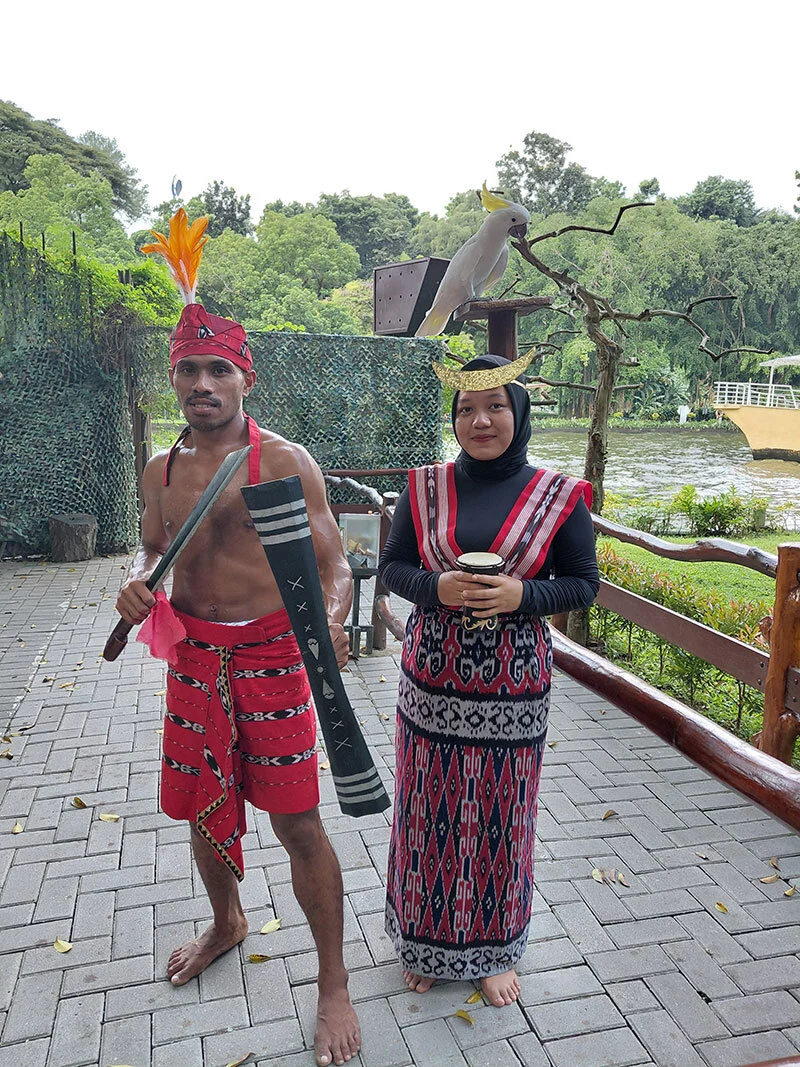
The majestic salmon-crested cockatoo, scientifically known as Cacatua moluccensis and commonly referred to as the Moluccan cockatoo, faces a precarious future in its native Indonesian habitat. Endemic to Seram, the largest island within Indonesia’s eastern Maluku province, this iconic parrot is a creature of striking beauty and profound cultural significance. Renowned for its soulful dark eyes, glorious peachy crest feathers that erupt in a fan when alarmed or excited, and a booming call that can reach an astonishing 135 decibels, the Moluccan cockatoo is unfortunately also one of the world’s most endangered parrot species.
The Plight of the Salmon-Crested Cockatoo
The conservation status of the Moluccan cockatoo has been a grave concern for decades. Since 1989, it has been listed on Appendix I of the Convention on International Trade in Endangered Species of Wild Fauna and Flora (CITES), a designation that strictly prohibits all international commercial trade in wild-caught specimens. This international accord reflects the severe threat posed by the illegal pet trade, which historically decimated wild populations. Further underscoring its vulnerability, the species is also categorized as endangered on the International Union for Conservation of Nature (IUCN) Red List.
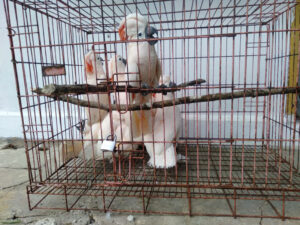
Historically, the Moluccan cockatoo’s distribution extended beyond Seram to several satellite islands, including Haruku, Saparua, and Nusa Laut. Tragically, these vibrant birds have now been declared extinct from these smaller islands, a stark testament to the relentless pressures they face. The primary drivers of this dramatic decline are multifaceted, encompassing both rampant trapping for the illegal pet trade and extensive habitat loss.
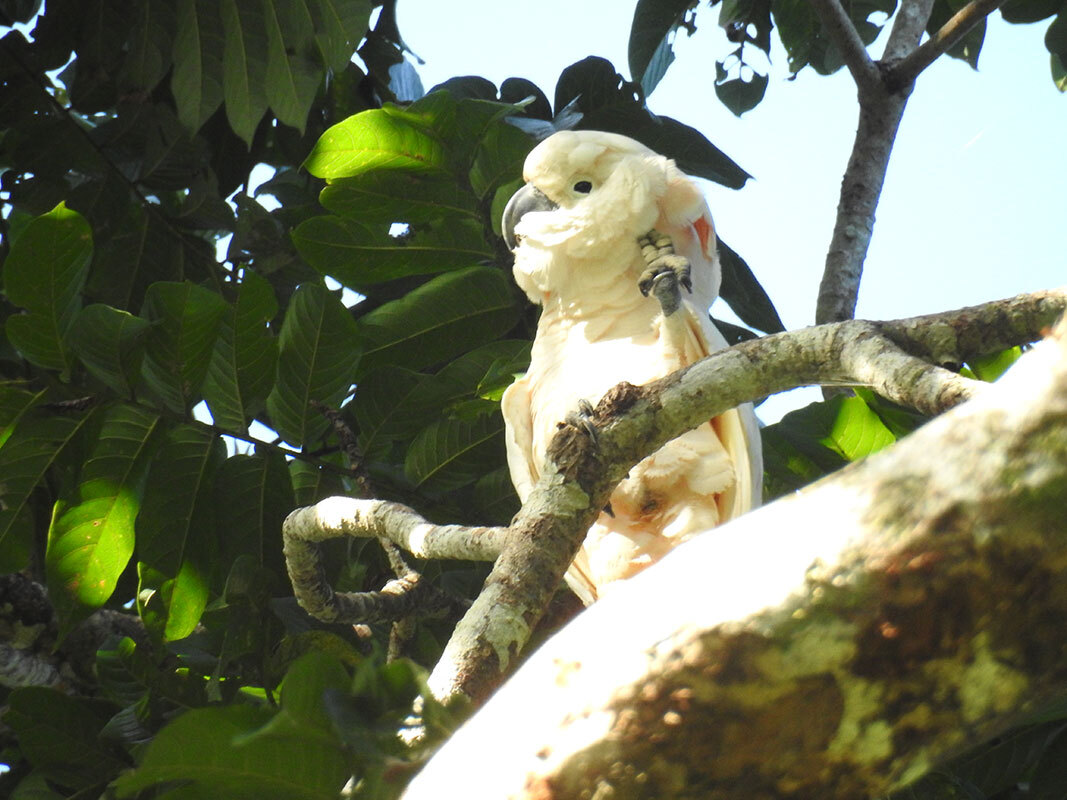
The lush tropical rainforests of Seram, once a sanctuary for these parrots, are increasingly succumbing to deforestation. Logging, both legal and illegal, agricultural expansion – particularly for palm oil plantations – and infrastructure development fragment and degrade critical foraging and nesting sites. These activities not only reduce the available habitat but also increase accessibility for poachers. Trapping methods, often crude and inhumane, capture adult birds, disrupting breeding cycles and further accelerating population collapse. The demand for these intelligent and long-lived birds as pets, despite their challenging needs in captivity (requiring substantial space, enrichment, a nutritious diet, and tolerance for their formidable vocalizations), continues to fuel the black market, where a single bird can fetch thousands of dollars. Studies looking at avian lifespans have even documented Moluccan cockatoos living up to 92 years in captivity, highlighting their potential for longevity but also the immense commitment required for their care, which often goes unmet in unsuitable environments. This paradox amplifies the urgent need to protect them in their natural environment.
A Sacred Bird: The Huaulu Tribe’s Enduring Connection
In the remote northern region of Seram, amidst the dense rainforests, resides the indigenous Huaulu tribe. For generations, the salmon-crested cockatoo, known locally as lakam, has held a profound and sacred significance within their culture. It is not merely an animal but a spiritual emblem deeply intertwined with their identity and traditions.
Central to Huaulu tribal life is the Cidaku ritual, a pivotal coming-of-age ceremony for young men. Between the ages of 12 and 17, boys are expected to undertake this ritual as a passage to adulthood, demonstrating their readiness to assume the responsibilities of manhood. A critical element of the Cidaku ceremony is the creation of a head-dress called a puheliam, which is adorned with the prized salmon-colored crest feathers of the Moluccan cockatoo. Historically, this involved the hunting of wild cockatoos, a practice deeply ingrained in their ancestral customs.
The significance of the pink crest feather transcends mere aesthetics. It is an irreplaceable component of the ceremony, symbolizing the existence of sacred life and embodying a sense of great strength and courage, much like the cockatoo’s stance when its head crest is erect in display. The erect crest further symbolizes an adult male defending his holiness, self-respect, and alertness to threats – qualities essential for a man entering adulthood within the Huaulu community. The Cidaku ceremony is meticulously structured, following the birth order of boys within a family, and can only be performed once a year for any given family, ensuring its solemnity and cultural weight. This deep cultural reverence, however, presented a complex challenge for conservation efforts, as traditional practices directly impacted the endangered species.
Forging a Collaborative Solution: The KKI Initiative
Recognizing the intricate intersection of cultural heritage and conservation imperative, Perkumpulan Konservasi Kakatua Indonesia (KKI), an Indonesian non-governmental organization dedicated to parrot conservation, embarked on an innovative and sensitive approach. In 2019, KKI initiated a groundbreaking proposal: to provide molted salmon-crested cockatoo feathers from its rehabilitation center to the Huaulu indigenous community for their Cidaku ritual. This initiative sought to honor the tribe’s sacred traditions while simultaneously alleviating the pressure on wild cockatoo populations.
The rationale behind KKI’s proposal was rooted in a deep understanding of the Huaulu culture and the recognition that outright prohibition of a sacred practice would likely be ineffective and potentially alienating. Instead, by offering a sustainable alternative – feathers naturally shed by cockatoos under human care – KKI aimed to foster a collaborative conservation model. This approach acknowledged the irreplaceable symbolic value of the feathers for the Huaulu, demonstrating respect for their cultural identity, while also providing a tangible solution to protect the endangered birds.
Following extensive consultations and negotiations, the proposal gained traction. In October 2019, a landmark agreement was formally signed by the Head of Huaulu village. The significance of this accord was further underscored by the presence and witnessing of several local government officials, and crucially, its official acknowledgment and approval by the Ministry of Forestry. This multi-stakeholder endorsement marked a pivotal moment, signaling a new era of cooperation between conservationists, indigenous communities, and governmental bodies in Indonesia. The agreement was hailed by many as a monumental step forward, offering a pragmatic and culturally sensitive pathway toward preserving wild Moluccan cockatoos for future generations.
Implementation, Challenges, and Ongoing Efforts
Despite the initial success of formalizing the feather collection agreement, the path to sustained conservation through cultural collaboration has not been without its challenges. Ensuring complete monitoring of Cidaku traditional ceremonies to verify that participants exclusively utilize crest feathers from KKI’s rehabilitation facility, rather than from wild cockatoos, remains a complex task. The remote nature of the Huaulu territory and the deeply ingrained historical practices mean that vigilance and continuous engagement are essential.
Furthermore, not all segments of the community or external parties immediately embraced the new feather collection program. Skepticism, logistical hurdles, and the sheer inertia of tradition required persistent effort. However, KKI has remained steadfast in its commitment, consistently honoring the agreement by providing a steady supply of ethically sourced crest feathers from its rehabilitation facility.
Beyond the provision of feathers, KKI maintains intensive communication channels with the Huaulu tribe. This ongoing dialogue is crucial for building trust, addressing concerns, and reinforcing the shared goal of conservation. Regular workshops are conducted within the community, focusing on topics such as sustainable resource management, the ecological importance of the Moluccan cockatoo, and the long-term benefits of preserving their natural heritage. These workshops have seen encouraging attendance and participation from tribe members, indicating a growing understanding and acceptance of the collaborative conservation model. Conservation experts highlight that such community engagement is not merely an add-on but the bedrock of successful long-term conservation, particularly when dealing with species intertwined with indigenous cultures.
Broader Implications and Future Vision
The agreement between KKI and the Huaulu tribe represents a pioneering model for conservation that holds significant implications beyond the borders of Seram. It demonstrates that effective wildlife protection can be achieved not through forced assimilation or prohibition, but through respectful dialogue, mutual understanding, and the development of sustainable alternatives that honor cultural practices. This innovative approach could serve as a blueprint for similar situations globally, where indigenous traditions intersect with the survival of endangered species.
Looking ahead, KKI is actively developing additional conservation programs that aim to deepen the active participation of the Huaulu community. One key initiative is the formation of a "Parrot Squad" – a community-based patrol unit trained to monitor cockatoo populations, report poaching activities, and educate fellow villagers on conservation best practices. This empowers local residents to become direct stewards of their natural environment, leveraging their intimate knowledge of the land and its wildlife.
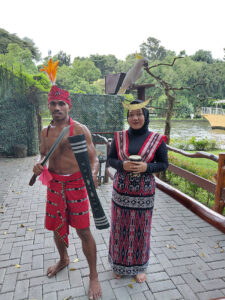
In parallel, KKI is working with the Huaulu tribe to explore and establish alternative income options for the community, aiming to reduce economic pressures that might otherwise lead to unsustainable resource exploitation. Ecotourism, for instance, is being developed as a potential pathway, allowing the community to generate revenue through guided tours that showcase their unique culture and the island’s rich biodiversity, including the Moluccan cockatoo. By linking the preservation of the native Moluccan cockatoo directly to tangible economic benefits, KKI hopes to cultivate a stronger sense of ownership and a deeper appreciation for improving the species’ conservation status.
Official responses to this initiative have been largely positive. A spokesperson for the Ministry of Forestry lauded the agreement as an example of localized solutions being crucial for Indonesia’s ambitious biodiversity goals. A KKI representative emphasized, "This agreement is a testament to what can be achieved when cultural respect meets conservation urgency. It’s not just about saving a bird; it’s about fostering a sustainable relationship between people and nature." Leaders within the Huaulu community, while acknowledging the challenges, have expressed a desire to maintain their traditions in a way that safeguards their sacred lakam for future generations, stating, "The lakam feather is our heritage, and this agreement allows us to honor our traditions without harming our sacred bird."
The continued conservation efforts for the magnificent salmon-crested cockatoo require sustained support. This month, a donation from Lafeber, a company dedicated to avian health and well-being, is directed towards supporting KKI’s vital work. Such contributions are instrumental in funding the provision of feathers, facilitating workshops, training the Parrot Squad, and developing sustainable ecotourism initiatives. The delicate balance between preserving ancient cultural practices and protecting critically endangered species is a complex challenge, but the collaborative model pioneered in Seram offers a hopeful vision for a future where both can thrive. The survival of the Moluccan cockatoo in its natural habitat depends not only on scientific intervention but also on the enduring spirit of cooperation and respect for the intricate web of life and culture.

