


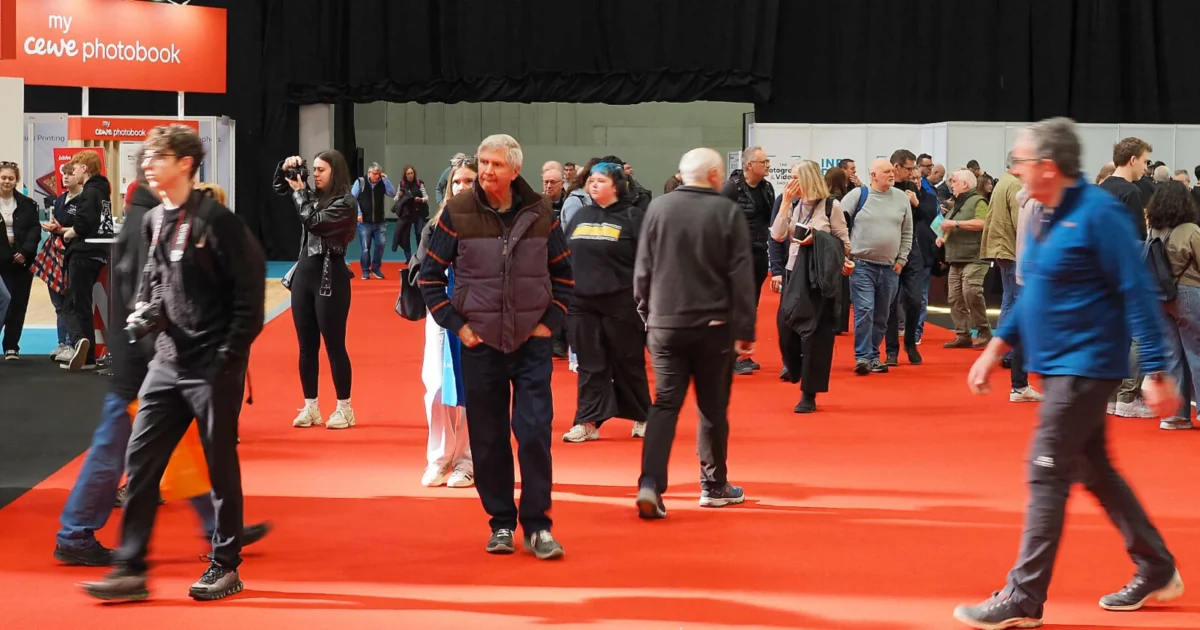
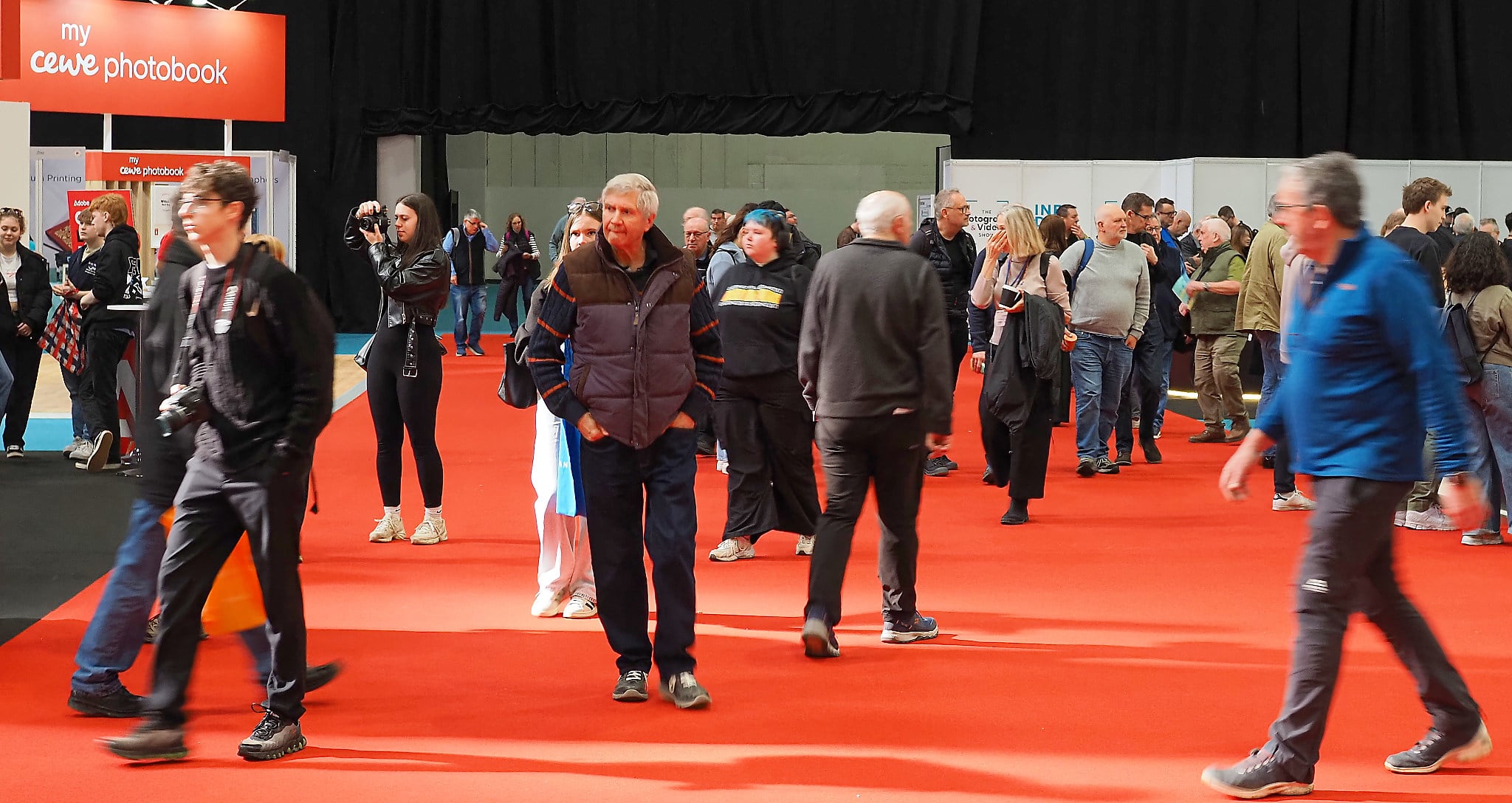
The Photography and Video Show, hosted annually at the National Exhibition Centre (NEC) in Birmingham, England, remains one of Europe’s most significant gatherings for imaging professionals, hobbyists, and manufacturers. Spanning a massive 440-acre site, the NEC serves as a barometer for the health and direction of the photography industry. As the landscape of digital imaging shifts toward video integration, artificial intelligence, and a more diverse manufacturing base, the logistics of attending and exhibiting at such large-scale events have become increasingly complex. Understanding the current trends, from the surge of international manufacturers to the shifting strategies of legacy brands, is essential for anyone looking to maximize their engagement with the trade show circuit.
The Evolving Landscape of Global Manufacturing
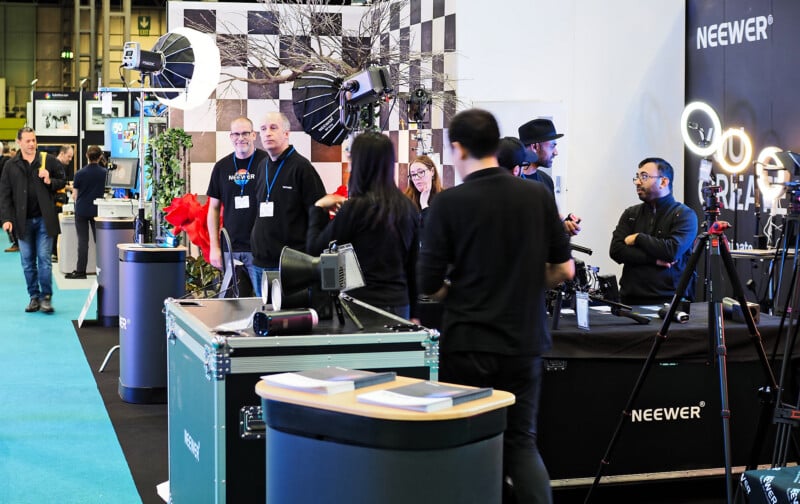
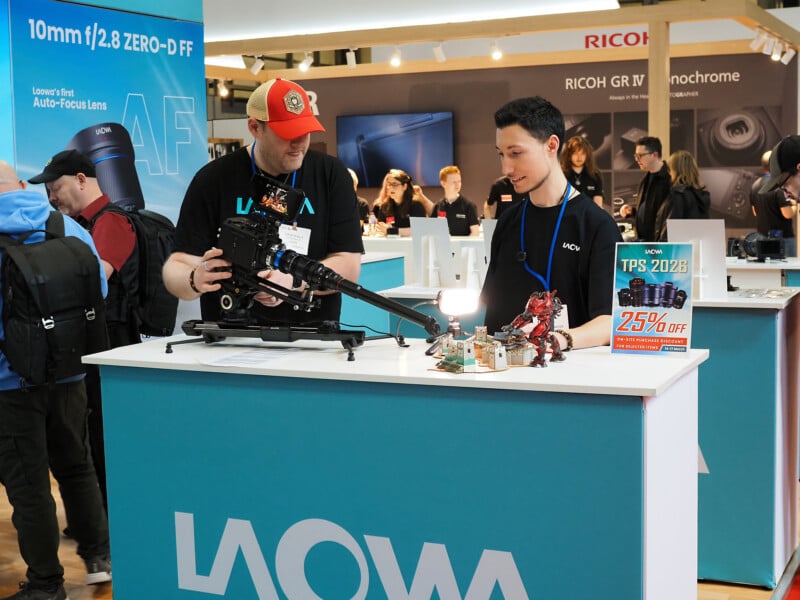
One of the most prominent shifts observed in recent years is the overwhelming presence of Chinese manufacturing companies. While established names such as Godox, Viltrox, Neewer, Benro, TTArtisan, Laowa, and Insta360 have been staples of the show for over half a decade, a new wave of secondary and tertiary brands has emerged. This influx represents a nearly complete alphabetical spectrum of manufacturers, ranging from Accsoon and Xencelabs to Yololiv and Zitay.
This trend reflects a broader macroeconomic shift in the photography industry. Chinese firms are no longer merely providing low-cost alternatives; they are increasingly leading in innovation, particularly in the sectors of LED lighting, wireless video transmission, and specialized optics. The proliferation of these brands has democratized high-end gear, allowing consumers to access professional-grade equipment at significantly lower price points. Furthermore, many major legacy camera brands now utilize Chinese manufacturing bases, blurring the lines between "budget" and "premium" origins.
Conversely, the absence of certain major players highlights a shift in marketing strategies. High-profile companies such as DJI, 7Artisans, K&F Concept, and SmallRig were notably absent from recent iterations, as were luxury and niche brands like Leica and DxO. Industry analysts suggest this may be a calculated move to redirect marketing budgets toward direct-to-consumer digital campaigns and localized "roadshow" events rather than the high-overhead environment of a national trade fair.
Strategic Visitor Preparation and Market Research
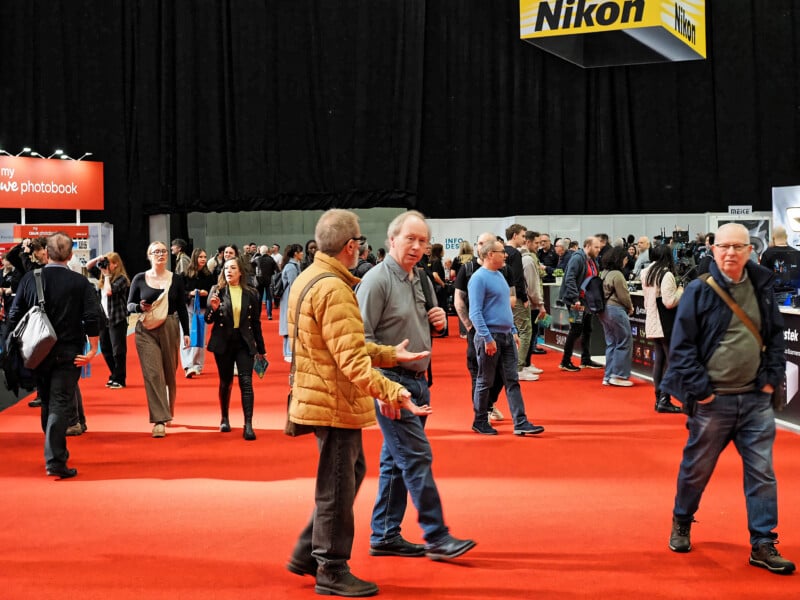
For the thousands of visitors who descend upon the NEC, the sheer volume of information can be overwhelming. The sensory environment—characterized by high noise levels, bright studio lighting, and crowded thoroughfares—is often the antithesis of the quiet, controlled environments many photographers prefer. Consequently, physical and mental preparation is a prerequisite for a productive visit.
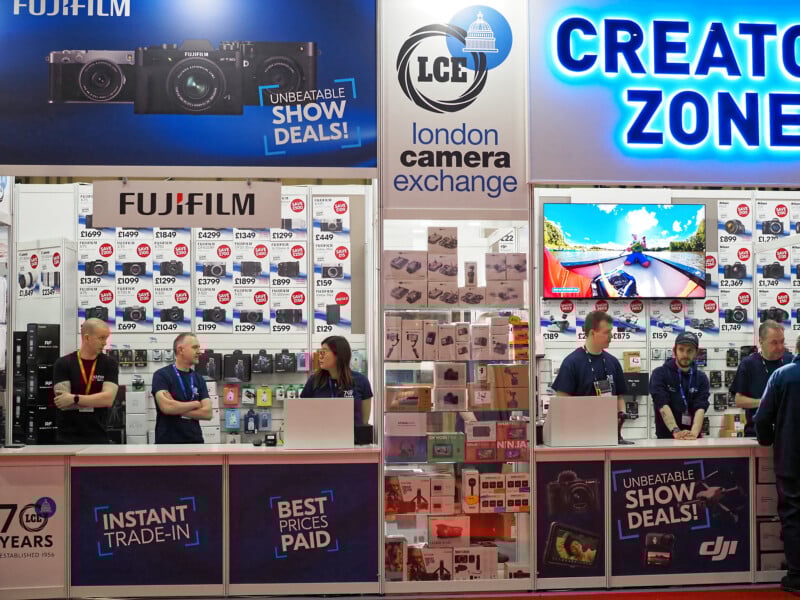
Market research is the most critical pre-event activity. With the rise of omnichannel retailing, the "show deal" is no longer a guaranteed bargain. Savvy consumers are advised to monitor prices on major e-commerce platforms weeks before the event to verify if show-exclusive discounts are genuine. Additionally, engaging with exhibitors via social media or email prior to the event can secure personalized demonstrations and ensure that specific technical queries are handled by senior staff rather than temporary promotional personnel.
The "cycle of innovation" also dictates that attending every year may not be necessary for all users. Observations from the 2024 show suggest that many booth layouts and product demonstrations remained largely unchanged from 2021. While flagship camera bodies receive incremental updates, the peripheral market—tripods, bags, and basic accessories—often sees slower cycles of significant change. For many, a biennial visit is sufficient to stay abreast of meaningful technological leaps.
Operational Logistics: Transport, Clothing, and Budgeting
The NEC’s scale necessitates a tactical approach to logistics. As the UK’s largest exhibition venue, the distances between car parks, hotels, and specific halls (such as Hall 5) can be substantial.
Transport and Parking
While the NEC is well-served by the Birmingham International rail station and Birmingham Airport, many visitors choose to drive. However, parking logistics present a significant cost factor. On-site parking at the NEC is notoriously expensive, often exceeding the cost of local municipal parking by several hundred percent. Frequent attendees recommend utilizing hotel parking and taking short taxi rides or using the venue’s internal "travelator" system to mitigate both costs and physical fatigue.
Apparel and Environment
There is often a stark disparity between the external climate of Birmingham in early spring and the internal temperature of the exhibition halls. The combination of thousands of people and high-intensity display lighting creates a warm indoor environment. Experienced attendees opt for layered clothing and, most importantly, professional-grade athletic footwear. The physical toll of standing on concrete floors for eight hours can lead to significant fatigue, impacting a visitor’s ability to engage effectively with technical demonstrations.
Provisions and Sustenance
The "captive audience" nature of trade shows results in inflated prices for food and beverage services. Internal catering often prioritizes speed over quality, leading many professional attendees to seek dining options in the nearby Resorts World complex or to bring their own supplies to avoid long queues and high costs.
The Psychology of the Exhibitor: Engagement and Enthusiasm
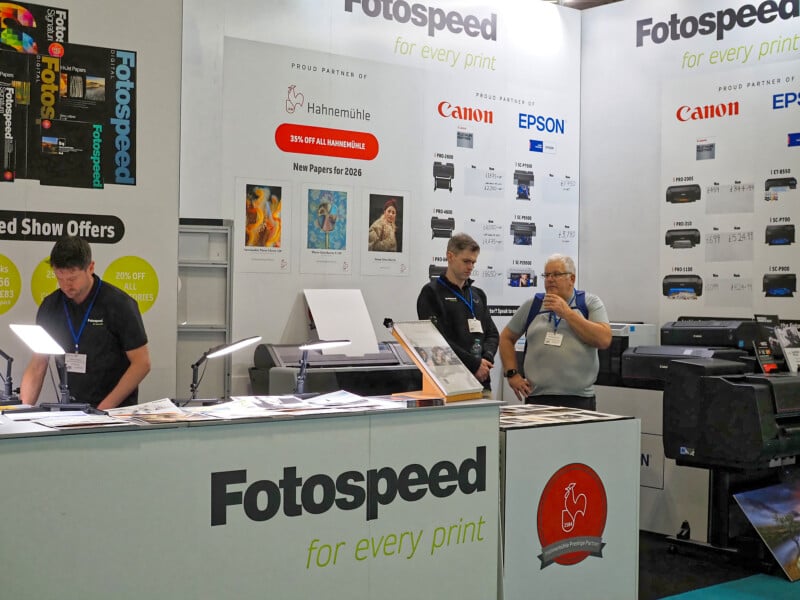
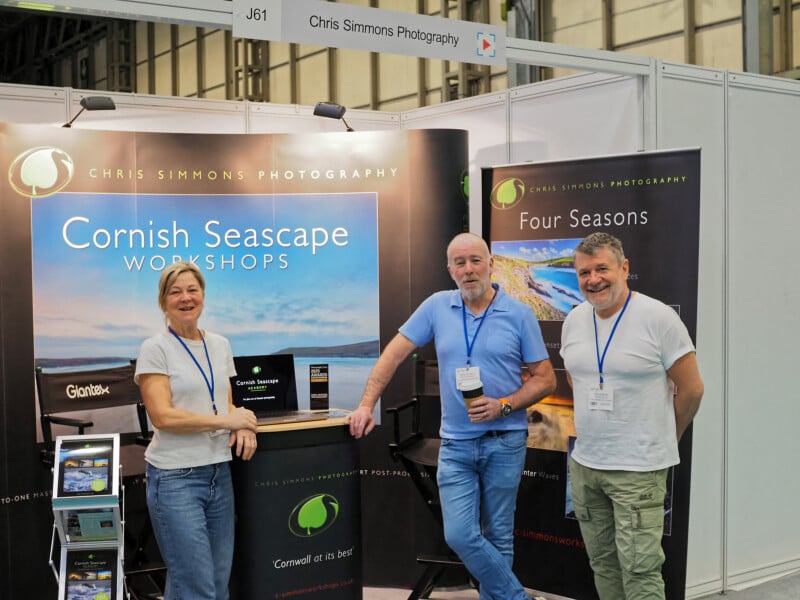
A notable observation at recent shows has been the varying levels of engagement from booth staff. While small businesses and boutique manufacturers often display a high degree of enthusiasm and a willingness to engage in deep technical conversations, some larger brands have faced criticism for a perceived lack of proactivity.
In many cases, major brands outsource their booth staffing to local distributors or promotional agencies. This can result in a disconnect between the brand’s identity and the visitor’s experience. For a brand, the trade show is a high-stakes opportunity to build loyalty; a dismissive or bored staff member can do long-term damage to a brand’s reputation. Conversely, companies that foster a welcoming, "eyes-up" culture—where staff actively make eye contact and initiate conversation—tend to see higher levels of social media mentions and post-event sales.
Educational Opportunities and Specialized Content
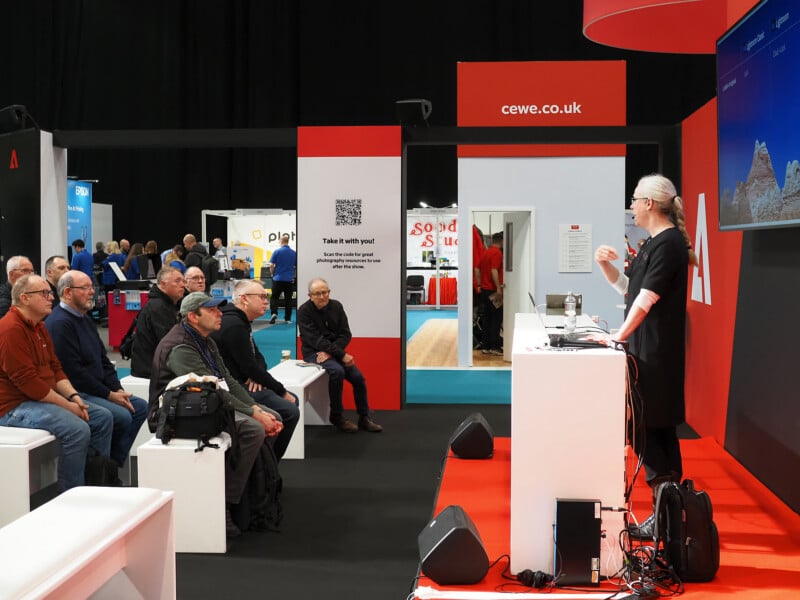
Beyond the hardware, the Photography and Video Show serves as a major educational hub. The event features dozens of talks across multiple stages, ranging from free "taster" sessions to premium, booked masterclasses.
A shifting trend in audience behavior shows that photographers are increasingly looking outside their own niches for inspiration. Landscape photographers are attending wildlife sessions, and portraitists are exploring architectural talks. This cross-pollination of genres is fueled by the realization that techniques in lighting, composition, and post-processing are often transferable. Furthermore, as the industry moves toward a "hybrid" model where stills and video are equally important, educational sessions focusing on audio capture and video editing have seen record attendance.
Charitable Integration and Ethical Photography
The trade show also provides a platform for charitable organizations that align with the interests of the photographic community. Organizations such as Borneo Orangutan Survival (BOS) UK utilize these events to reach visual storytellers who can help amplify their message.
The presence of these NGOs introduces an ethical dimension to the event. Photographers, particularly those in the wildlife and travel sectors, are increasingly concerned with the impact of their work on the environment and the subjects they capture. Engaging with these charities allows photographers to align their professional practices with conservation efforts and ethical standards, a factor that is becoming increasingly important for brand building in the 21st century.
Practical On-Site Tactics: The "Afternoon Strategy"
To navigate the crowds effectively, seasoned visitors employ an "afternoon strategy." The morning hours are typically dominated by a rush toward the major camera brand stands (Sony, Canon, Nikon, Fujifilm). By reversing the standard flow—visiting small innovative vendors and accessory manufacturers in the morning and hitting the major camera stands after 3:00 PM—visitors can often secure more hands-on time with flagship gear without the long wait times.
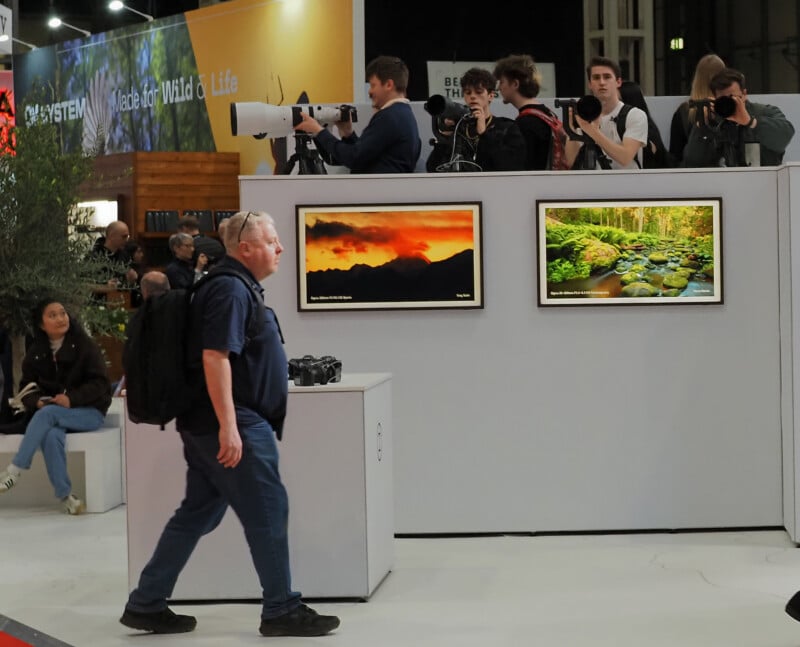
Taking a personal camera body is also highly recommended. Most exhibitors allow visitors to mount demo lenses onto their own cameras, providing the opportunity to save sample files to their own memory cards. This allows for a sober, objective analysis of image quality, bokeh, and autofocus performance in a home environment, away from the high-pressure sales atmosphere of the show floor.
Broader Implications for the Imaging Industry
The persistence of the Photography and Video Show, despite the digital shift, proves that the physical "touch and feel" of equipment remains vital to the photographic community. However, the show must continue to evolve. The integration of mobile photography, AI-driven editing suites, and social-media-first hardware is no longer optional but a central pillar of the industry’s future.
As trade shows adapt, the focus is shifting from simple "box shifting" to creating an "experience." The most successful exhibitors are those who provide interactive sets, live shoots, and genuine community engagement. For the visitor, the show is no longer just a marketplace; it is a networking event, a classroom, and a source of creative rejuvenation. By approaching the event with a strategic mindset—balancing research, logistics, and open-mindedness—both exhibitors and visitors can ensure that the Photography and Video Show remains a cornerstone of their professional calendar.

