


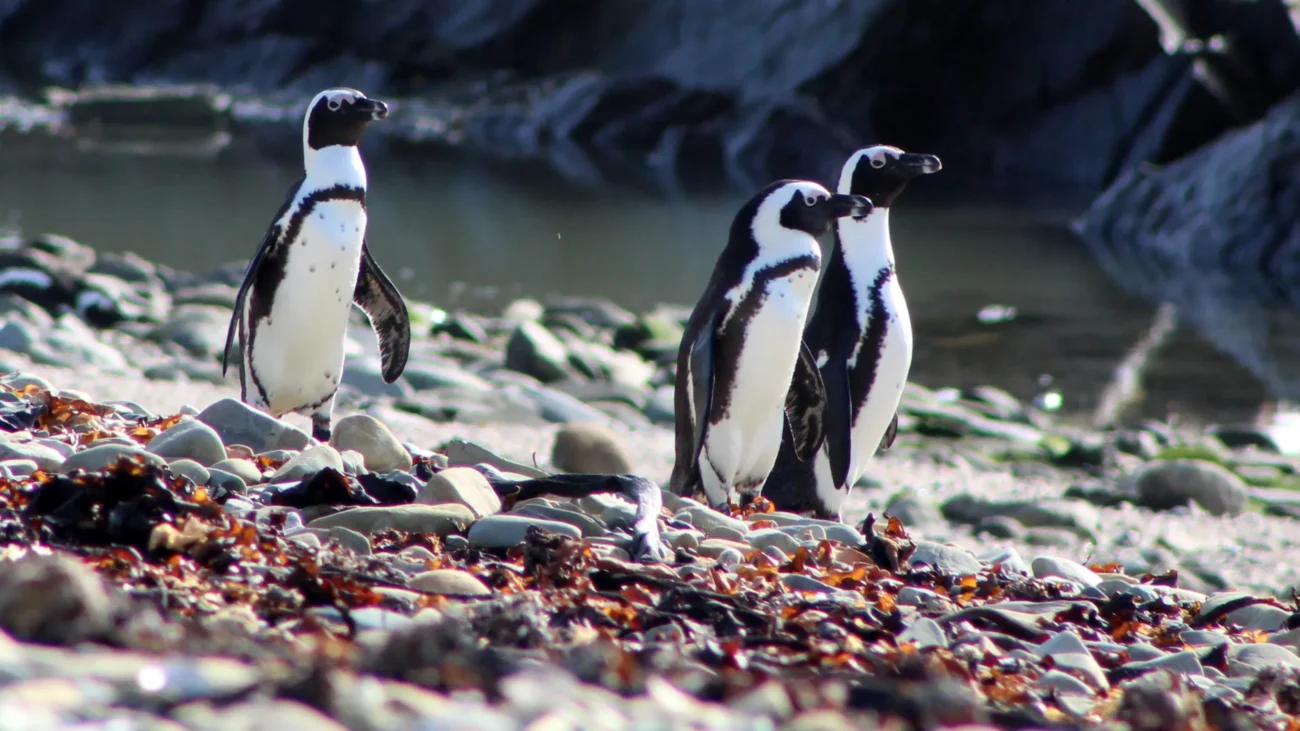
A groundbreaking new study, spearheaded by researchers at the University of St Andrews, has revealed a deeply concerning pattern of behavior among the Critically Endangered African penguin (Spheniscus demersus). The findings indicate that these vulnerable seabirds are significantly more likely to forage in the same waters occupied by commercial fishing fleets during periods of low fish abundance. This heightened overlap not only intensifies competition for dwindling food resources but also places immense pressure on a species already teetering on the brink of severe decline, with its population having plummeted by nearly 80% over the past three decades.
The research, published on November 17 in the prestigious Journal of Applied Ecology, introduces a novel metric termed "overlap intensity." This innovative approach moves beyond simply identifying shared geographical spaces between penguins and fishing vessels. Instead, it quantifies the extent to which individual penguins are affected by these interactions, providing a more nuanced understanding of the ecological pressures at play.
The Perilous Plight of the African Penguin
The precipitous decline in African penguin numbers is a stark ecological crisis. While multiple factors contribute to this alarming trend, competition with local fisheries for their primary prey – sardines and anchovies – has been identified as a major driver. These small, schooling fish form the cornerstone of the African penguin’s diet, providing the essential nutrition needed for survival and breeding. The commercial fishing industry, particularly those employing purse-seine nets, directly targets these same fish. This fishing method involves encircling schools of fish with a vast wall of netting, effectively removing large quantities of prey from the marine ecosystem.
Dr. Jacqueline Glencross, the lead author of the study and a researcher at the Scottish Oceans Institute at the University of St Andrews, articulated the driving force behind this critical research. "We recognized the need for a more sophisticated method to evaluate the true impact of fisheries operating in proximity to penguin colonies," Dr. Glencross stated. "Our aim was to move beyond simple spatial overlap and to understand precisely how many penguins are potentially impacted by these interactions, rather than just where those interactions occur."
Quantifying the Crisis: Tracking Data Reveals Alarming Overlap
The study leveraged extensive tracking data collected from African penguins nesting on Robben and Dassen Islands, two of the species’ most significant breeding sites. This vital data was compiled through a collaborative effort involving scientists from the University of Exeter, the South African Department of Forestry, Fisheries and the Environment, and BirdLife South Africa. The comprehensive analysis revealed a dramatic and worrying surge in the overlap between penguin foraging grounds and active fishing areas in years characterized by diminished fish stocks.
In 2016, a year notably marked by critically low fish biomass, approximately 20% of the tracked penguins were observed foraging within regions actively being fished by commercial vessels. In stark contrast, during years when fish populations were more robust, this figure dropped to a considerably lower percentage, around 4%. This dramatic disparity underscores a critical ecological reality: competition for food intensifies exponentially when prey is scarce.
The Chick-Rearing Crisis and Intensified Competition
The implications of this increased overlap are particularly severe during the chick-rearing season. This is a period of immense energetic demand for adult penguins, who must locate and retrieve sufficient food to nourish their rapidly growing chicks. When foraging grounds are compromised by intense fishing activity and prey is already limited, adult penguins face an agonizing dilemma. They must either travel further, expending more energy, to find scarce food, or attempt to forage in areas already heavily exploited by fishing fleets, risking direct competition and potentially lower catch rates. This heightened competition during such a critical breeding phase can have devastating consequences for chick survival and, consequently, for the long-term viability of penguin colonies.
A New Compass for Conservation and Fishery Management
The development of the "overlap intensity" metric represents a significant advancement in the field of marine conservation and fishery management. This tool offers conservationists and policymakers a more precise way to assess the ecological risks posed by fishing activities to vulnerable marine species. It can inform the implementation of more effective and targeted management strategies, moving away from generalized approaches towards a more nuanced, ecosystem-based framework.
The findings also provide strong support for the establishment and refinement of dynamic marine protected areas. Unlike static protected zones, dynamic areas can adapt in real-time to shifts in predator and prey behavior, as well as to changing environmental conditions. By integrating real-time data on fishing activity and prey availability, these adaptable zones could offer crucial refuges for penguins when they are most vulnerable, ensuring access to vital food resources during periods of scarcity.
Legal Battles and the Dawn of Updated Fishing Closures
The urgent need for more effective conservation measures for the African penguin has recently been underscored by a significant legal battle in South Africa. A landmark court case challenged the perceived lack of meaningful fishing restrictions in areas crucial for penguin breeding. This legal challenge brought together conservation organizations and representatives from the fishing industry, highlighting the complex interplay between human economic activities and wildlife conservation.
Earlier this year, a pivotal agreement was reached in the high court, acknowledging the necessity of implementing fishing closures in proximity to penguin breeding sites. Following this landmark decision, the South African government has taken steps to reinstate more biologically significant no-fishing zones around Robben Island, a key breeding colony that was central to the research study.
Dr. Glencross emphasized the direct relevance of the study’s findings to these recent policy changes. "Our research unequivocally demonstrates why these closures are not merely beneficial but absolutely essential," she asserted. "Areas that were previously unprotected, yet exhibited high overlap intensity with fishing vessels, were precisely where the African penguins faced the greatest level of risk. These findings provide concrete scientific evidence to support the implementation and enforcement of these vital conservation measures."
Broader Implications: The Interconnectedness of Marine Ecosystems
The plight of the African penguin serves as a potent microcosm for the broader challenges facing marine ecosystems worldwide. The study’s findings highlight the intricate web of interactions within these environments and the profound impact that human activities can have on even the most resilient species. The increased competition for food resources between commercial fisheries and endangered predators is not an isolated phenomenon; it is a recurring theme in many marine environments where human demands on fish stocks are high.
The concept of "overlap intensity" can be applied beyond the African penguin, offering a valuable tool for assessing the ecological footprint of various human activities on diverse marine life. This could include evaluating the impact of shipping lanes, offshore energy development, and even recreational fishing on vulnerable species. By understanding these complex interactions, we can develop more sustainable practices that minimize conflict and promote the health of marine ecosystems for future generations.
The research also underscores the critical importance of precautionary approaches to fisheries management. In an era of increasing environmental uncertainty, characterized by climate change and its cascading effects on marine food webs, adopting a conservative stance regarding fishing quotas and spatial management is paramount. Proactive measures, informed by robust scientific data like that presented in this study, are far more effective and less costly than attempting to mitigate ecological collapse after it has occurred.
Furthermore, the study’s findings have implications for international cooperation in marine conservation. Many marine species, including migratory birds and fish stocks, transcend national boundaries. Effective conservation requires collaboration and shared strategies among nations to ensure the protection of shared marine resources and the species that depend on them. The African penguin, while primarily a South African concern, is part of a larger ocean system that demands a global perspective on its management and preservation.
The future of the African penguin remains precarious, but this latest research provides a vital beacon of hope. By offering a clearer, more quantifiable understanding of the pressures they face, the study equips conservationists and policymakers with the knowledge needed to implement targeted, effective interventions. The success of these interventions will ultimately depend on a collective commitment to prioritizing the long-term health of marine ecosystems, recognizing that the fate of species like the African penguin is inextricably linked to our own. The scientific community’s ongoing efforts to monitor, understand, and advocate for these vulnerable creatures are crucial in the global endeavor to preserve biodiversity and maintain the delicate balance of our planet’s oceans.

