


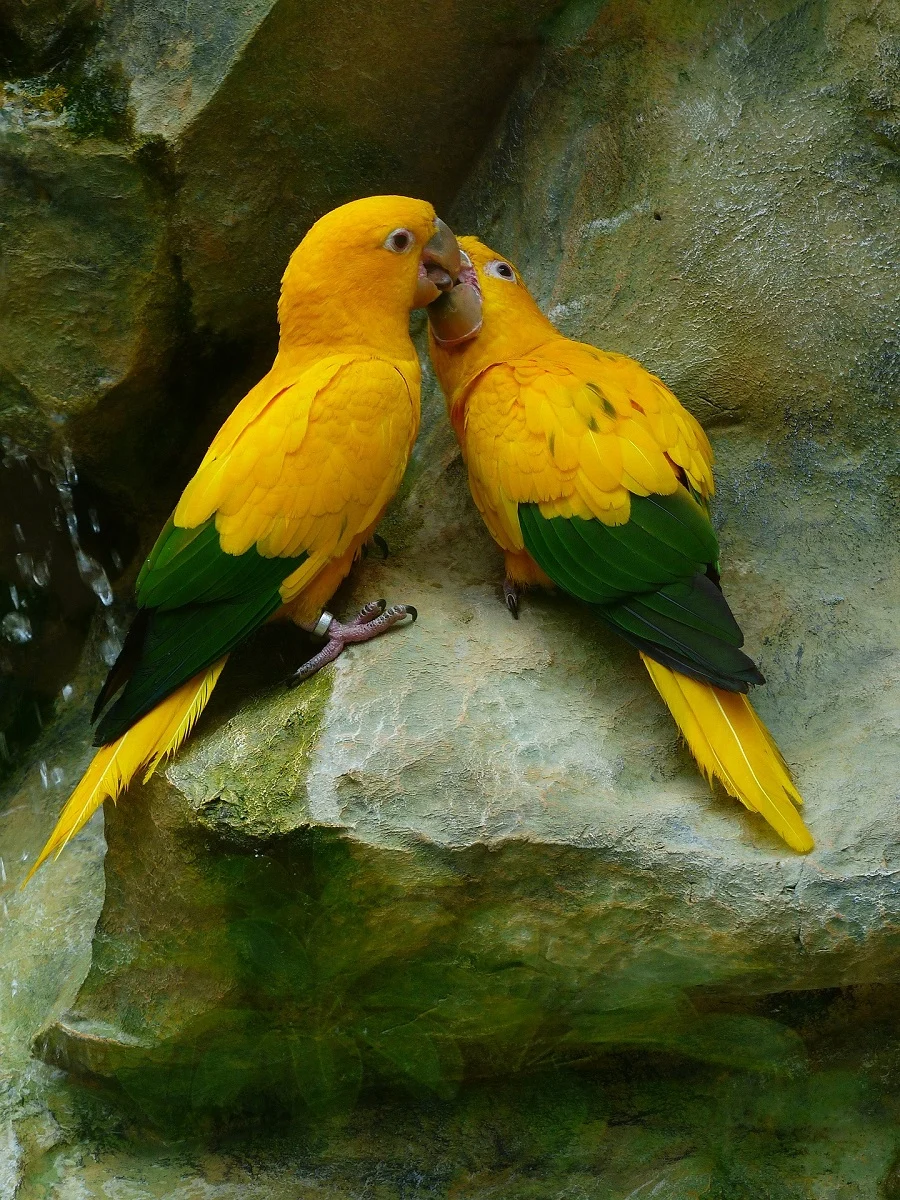
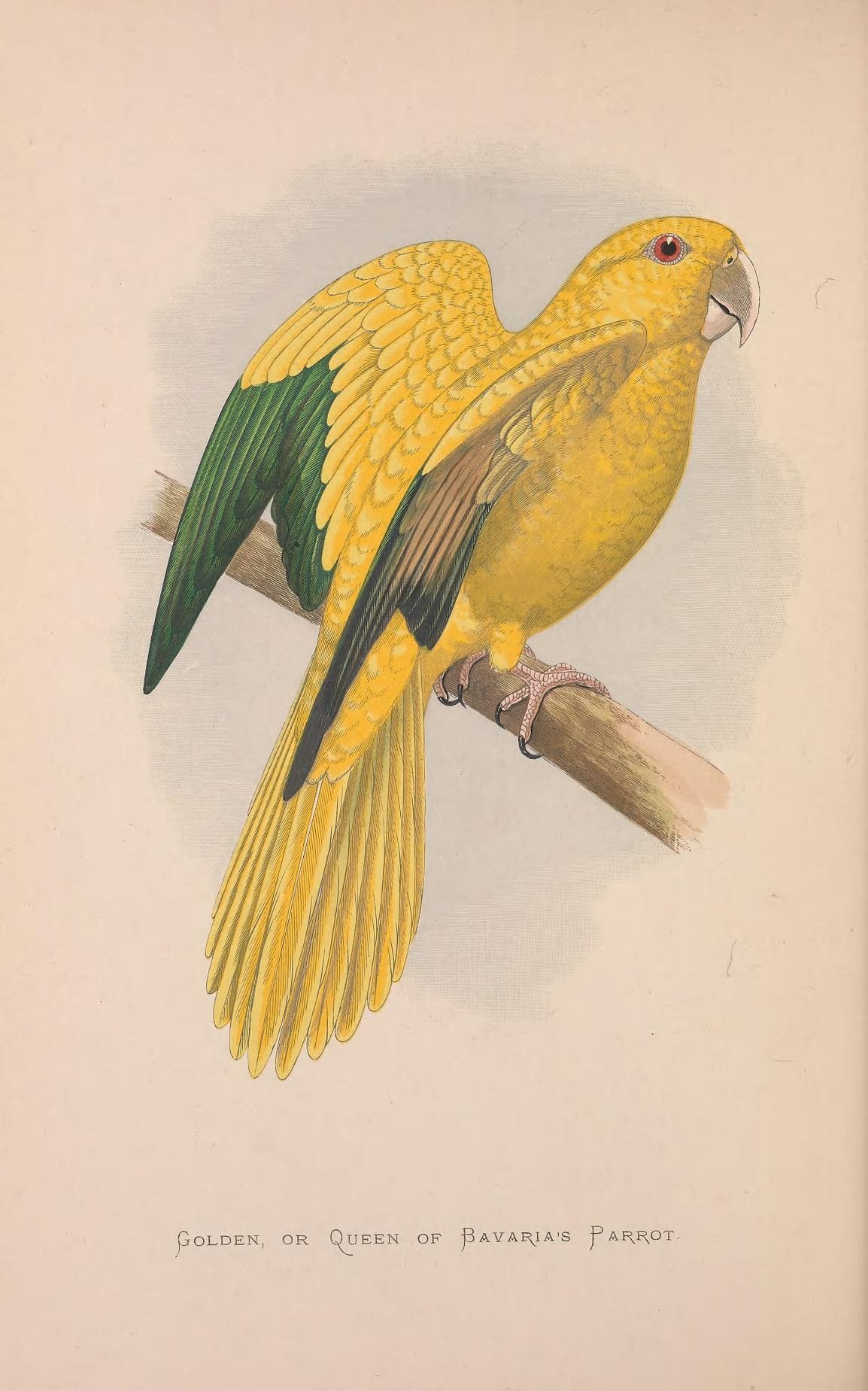
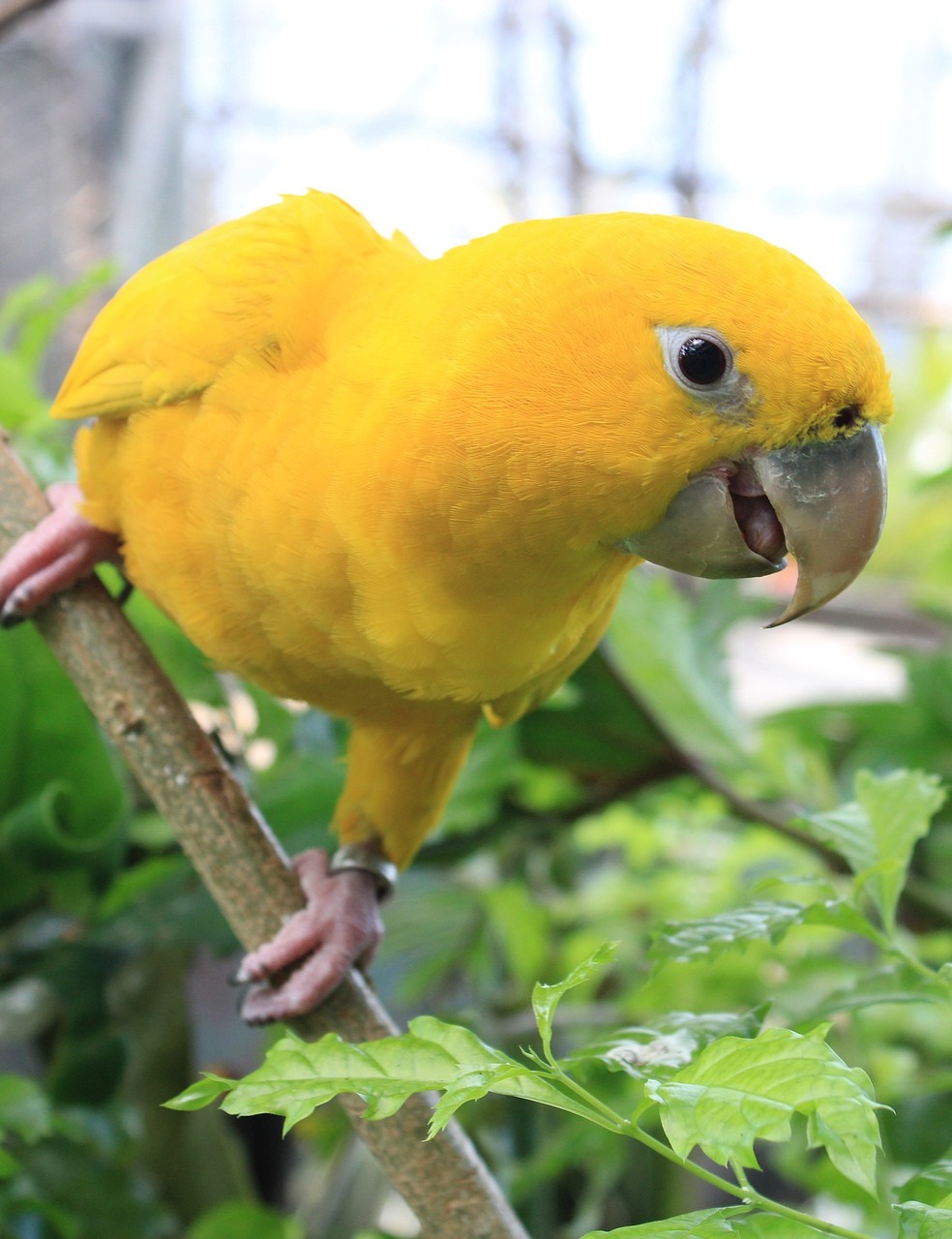
The golden conure (Guaruba guarouba), often hailed as the "Queen of Bavaria conure" or "golden parakeet," stands as one of the most visually striking members of the parrot family. Its vibrant, almost uniformly golden plumage captures the attention of both avian enthusiasts and conservationists alike. While this species is increasingly sought after as a companion animal due to its dazzling appearance and engaging personality, it simultaneously faces significant threats in its natural habitat, categorizing it as a Vulnerable species on the IUCN Red List. Understanding the multifaceted existence of the golden conure, from its unique biological characteristics to its conservation challenges and requirements in captivity, is crucial for both its preservation and the well-being of individual birds under human care.
A Regal Presence: Appearance and Unique Taxonomy
The golden conure’s aesthetic appeal is undeniable, marked by its distinctive bright yellow coloration across its body. Adult birds exhibit this striking golden hue, punctuated only by dark green primary flight feathers, giving the impression of a regal cloak. Juveniles, in contrast, display a more varied plumage, featuring greater green speckling, particularly on the wings, back, and head, which gradually transitions to the adult golden livery as they mature. This medium-sized parrot typically reaches lengths of up to 14 inches (35 cm) and weighs an average of 250 grams. Its prominent, horn-colored beak is well-suited for its diet of fruits and seeds. Distinguishing between male and female golden conures visually is impossible, necessitating DNA testing for accurate sex determination.
The scientific classification of the golden conure reflects a dynamic understanding of avian phylogeny. Historically, this species has undergone several reclassifications, a common occurrence as ornithological research advances. Initially placed within the genus Conurus, it later moved to Eupsittula, and then to Aratinga. However, for a considerable period, ornithologists suspected its unique characteristics warranted placement in its own genus. This suspicion was confirmed by Joseph Forshaw in his 2006 guide, "Parrots of the World," where he listed it as Guaruba guarouba. Subsequent phylogenetic studies, including a significant 2006 article in Systematic Biology, corroborated this reclassification, demonstrating that Guaruba is more closely related to the red-shouldered macaws of the genus Diopsittaca than to the Aratinga conures. This taxonomic journey underscores the species’ evolutionary distinctiveness and the ongoing efforts to precisely map avian relationships based on genetic evidence.
The Amazonian Home: Habitat, Range, and Ecological Role
The natural domain of the golden conure is the lush, biodiverse Brazilian Amazon Basin, predominantly found in the state of Pará, with potential extensions into neighboring Maranhão. Within this vast ecosystem, they primarily inhabit dry lowland (terra firme) forests, though they are also observed venturing into seasonally flooded areas (várzea). The species exhibits a somewhat nomadic lifestyle, with observations indicating that during the breeding season, pairs or family groups often migrate from dense jungle interiors to less dense, more open forested zones. This nomadic behavior is believed to be linked to the availability of food resources and suitable nesting sites.
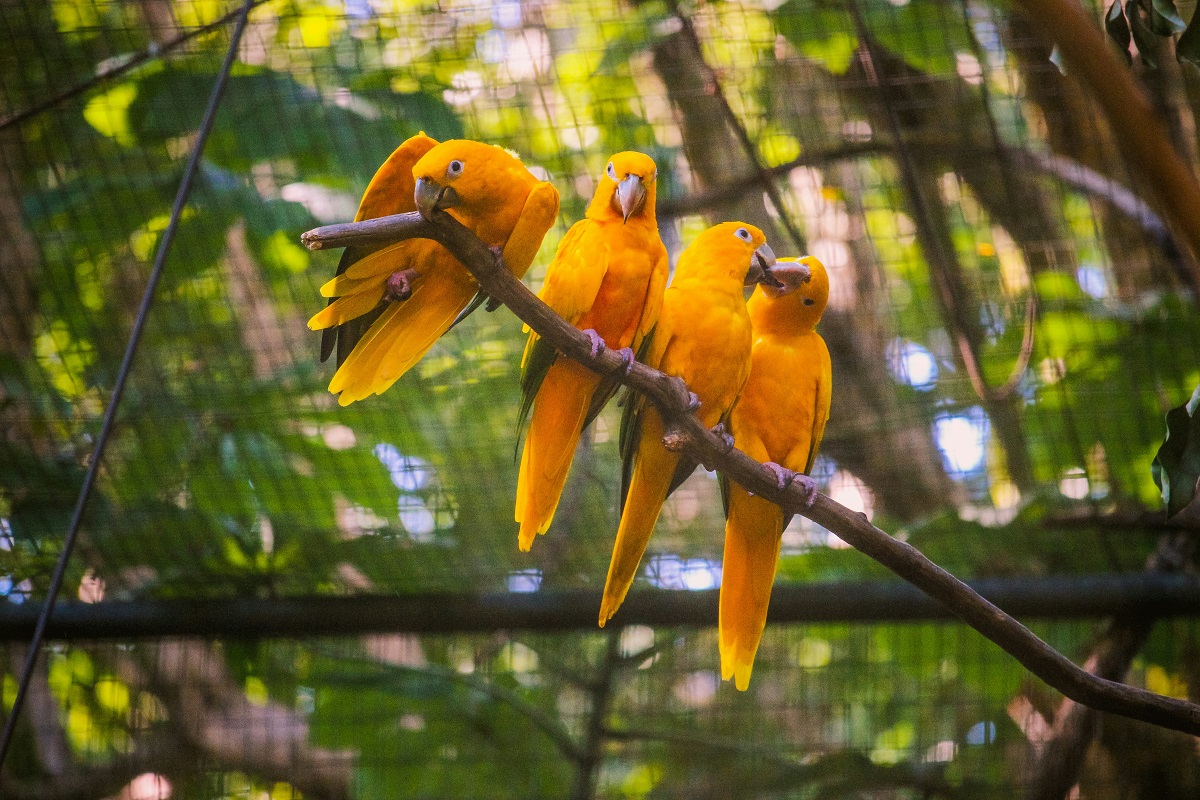
Nesting habits of the golden conure are particularly intriguing. They typically select isolated hollow trees, sometimes enlarging cavities previously utilized by other species. Uniquely, multiple female golden conures frequently lay their eggs in the same nest, leading to remarkably large clutches that can contain ten or more eggs. This communal nesting strategy, while not fully understood, may offer advantages in terms of shared parental duties, increased protection against predators, or more efficient resource utilization in a challenging environment. The lifespan of a golden conure in the wild is estimated to be around 15-20 years, though in captivity, with optimal care, they can live up to 30 years.
Conservation Challenges: A Vulnerable Species
Despite its striking beauty and ecological adaptations, the golden conure faces a precarious future. The IUCN Red List classifies Guaruba guarouba as a Vulnerable species, primarily due to rapid population declines attributed to habitat destruction and fragmentation. The Brazilian Amazon, a global biodiversity hotspot, is under relentless pressure from deforestation driven by logging, agricultural expansion (particularly for soy and cattle ranching), and illegal mining operations. These activities directly destroy the primary forest habitats that golden conures rely on for food, shelter, and nesting. While large-scale trapping for the international animal trade has significantly decreased following stricter regulations and increased awareness, localized poaching for the domestic market and the historical impact of past trade continue to exert pressure on wild populations.
Conservationists emphasize the critical need for robust enforcement of environmental protection laws and the expansion of effectively managed protected areas within the golden conure’s range. Reports from environmental agencies highlight the ongoing struggle to curb illegal deforestation, particularly in the state of Pará, which consistently records some of the highest rates of forest loss in Brazil. Efforts to monitor populations, understand their ecological requirements, and implement community-based conservation programs are vital for the long-term survival of the species. Without concerted action, the fragmentation of their forest habitat will continue to isolate populations, reduce genetic diversity, and increase their vulnerability to local extinctions.
Cultural Significance: The "Ararajuba" Legacy
Beyond its scientific classification and conservation status, the golden conure holds significant cultural value, particularly among indigenous populations in Brazil. Locally known as "Ararajuba," meaning "yellow macaw" or "golden parrot," the bird’s resplendent feathers have historically been highly prized. These feathers were, and in some contexts still are, used for ceremonial purposes, decorative items, and as symbols of prestige. The cultural reverence for the golden conure is so deeply ingrained that, according to historical accounts by ornithologist Helmut Sick in his "Ornitologia Brasileira," other conure species were occasionally dyed yellow and sold at animal markets, attempting to capitalize on the high value placed on the genuine "Ararajuba." This practice underscores the profound cultural impact and desirability of the golden conure, reflecting a long-standing and complex relationship between humans and this avian jewel of the Amazon.
Dietary Needs: From Wild Foraging to Captive Care
In their natural Amazonian habitat, golden conures enjoy a diverse and seasonally varied diet. Scientific studies, such as one published in Diversity in 2024 on the feeding ecology of reintroduced golden parakeets, confirm that fruits constitute the majority of their diet. Favorites include the fruits of açai and bacaba palms, as well as those from cashew, ice cream bean (Inga edulis), nance (Byrsonima crassifolia), and locustberry trees. Beyond fruits, they also consume flowers and flower buds. Like many other parrot species, golden conures are opportunistic feeders and will occasionally raid local agricultural crops, showing a particular fondness for corn and mango.
In captivity, replicating this dietary variety and nutritional balance is paramount for the bird’s health and longevity. The cornerstone of a captive golden conure’s diet should be high-quality, veterinarian-recommended parrot pellets. Unlike traditional seed mixes, which are often high in fat and deficient in essential vitamins and minerals, pellets provide a complete and balanced nutritional profile. To supplement pellets and provide crucial enrichment, a wide array of fresh foods should be offered daily. This includes various safe fruits (e.g., apples, berries, melon, grapes), vegetables (e.g., leafy greens, carrots, bell peppers, broccoli), and occasional healthy cooked grains or legumes. Foods to avoid include avocado, chocolate, caffeine, and alcohol, all of which are toxic to parrots. A healthy, varied diet is a primary determinant of a golden conure’s long and happy life, helping to prevent common avian health issues such as obesity and vitamin deficiencies.
Creating a Thriving Environment: Housing and Enrichment
Golden conures are active and intelligent birds that require a spacious and stimulating environment to thrive in captivity. Given their size and energetic nature, a conventional small cage is insufficient. For birds that will spend significant time confined, a full-sized indoor aviary is ideal. For those allowed out of their enclosure for several hours daily, a cage with a minimum width of 40 inches (1 meter) and ample height is recommended. The enclosure must be constructed from durable, non-toxic materials and feature appropriate bar spacing to prevent escape or injury.
The interior of the cage should be thoughtfully furnished to encourage natural behaviors. A variety of natural wood perches of different diameters and textures helps maintain foot health. Platforms, ladders, and ropes provide additional opportunities for climbing and exercise. Crucially, golden conures require a constant supply of engaging toys. These highly playful and intelligent birds bore easily, and a lack of mental stimulation can lead to stress-related behavioral issues such as excessive screaming, feather plucking, or even aggression. Toys that encourage chewing, shredding, preening, and problem-solving (e.g., foraging toys) are essential. Foraging toys, in particular, combine mealtime with play, mimicking the natural search for food and providing significant mental stimulation. To further enhance their environment, cage-top playgrounds or dedicated parrot trees can offer additional spaces for interaction and exercise when the bird is outside its primary enclosure.
Enrichment extends beyond toys and cage setup. Daily interaction with their human caregivers is vital. This can include training sessions, teaching simple tricks, or simply quiet time spent together. Introducing new objects, sounds, and experiences can also prevent boredom. To ensure the bird’s safety during out-of-cage time, any room it has access to must be thoroughly parrot-proofed, removing potential hazards such as toxic plants, exposed electrical wires, open windows, and small ingestible objects. It is important to note that obesity is a leading cause of death in pet parrots; therefore, these enrichment strategies not only prevent behavioral issues but also encourage physical activity, contributing to the golden conure’s overall health and well-being.
Behavior and Vocalization: A Companion’s Character
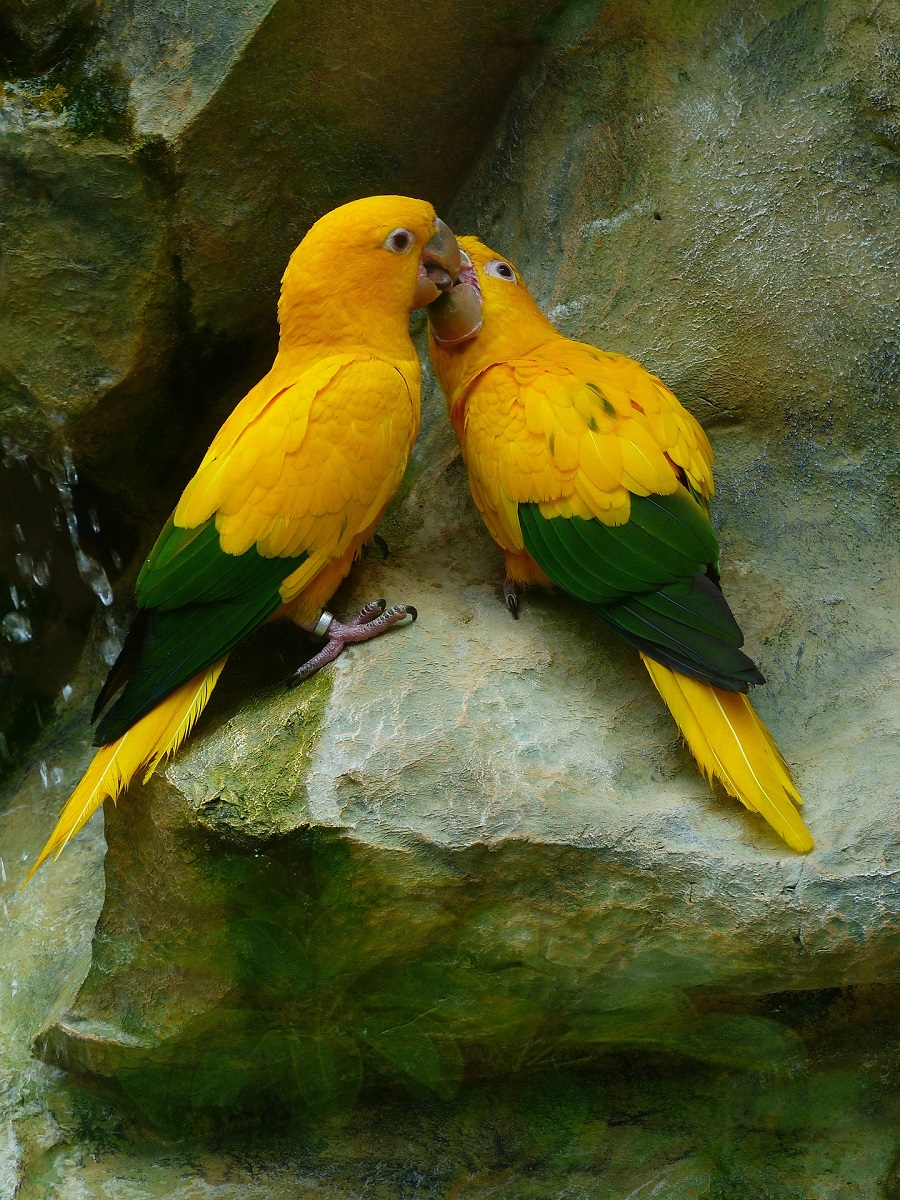
Golden conures are renowned for their bright and engaging personalities, often described as friendly, affectionate, and energetic. They tend to form strong bonds with multiple family members, rather than exhibiting the "one-person" bird tendency seen in some other parrot species. They thrive on social interaction, enjoying playtime as much as quiet moments perched on a shoulder. Their generally even-tempered nature means they are not typically prone to aggression, provided they are well-socialized and receive adequate attention. However, it is imperative for prospective owners to understand that golden conures, like all parrots, are high-maintenance pets that demand significant time, commitment, and social interaction. They are not suitable for individuals seeking a low-maintenance companion.
Regarding vocalization, golden conures are not quiet birds. While their screams may not be as piercing as those of certain Aratinga conures, such as the sun conure, their relatively large size grants them powerful voices capable of producing considerable noise. The exact noise level can vary between individuals, but potential owners must be prepared for regular vocalizations, especially during morning and evening hours or when seeking attention. Visiting a breeder or observing a golden conure in a home environment is highly recommended to gauge personal tolerance for their noise level before acquiring one.
As for talking ability, while nearly all parrots possess the capacity to mimic sounds from their environment, golden conures are not among the "champion talkers" of the parrot world. They can be expected to pick up simple words, short phrases, easy tunes, and household sounds, but their vocabulary is generally limited, and their voices are often described as less clear or articulate compared to species like African Greys or Amazon parrots. The primary appeal of a golden conure lies in its vibrant personality and visual splendor, rather than its potential for extensive speech.
Implications for Conservation and Responsible Pet Ownership
The golden conure embodies a critical intersection of natural beauty, ecological vulnerability, and the responsibilities of human interaction. As a species classified as Vulnerable, its future hinges on robust conservation efforts in its native Amazonian habitat. This includes addressing the systemic issues of deforestation and habitat degradation, strengthening protected areas, and fostering sustainable practices within local communities.
Simultaneously, for those considering a golden conure as a companion, responsible pet ownership is paramount. This entails a deep understanding of their complex needs for diet, housing, enrichment, and social interaction. Providing a stimulating, safe, and loving environment not only ensures the well-being of the individual bird but also contributes indirectly to the species’ conservation by reducing demand for wild-caught birds and supporting ethical captive breeding programs. The choice to bring a golden conure into a home carries with it a significant commitment to its care for potentially three decades. By recognizing their inherent value, both in the wild and in captivity, humans can play a vital role in securing a brighter future for the magnificent Queen of Bavaria.
Sources & Further Reading
David, N., DICKINSON, E., & Gregory, S. (2009). Contributions to a list of First Reviser actions: ornithology. Zootaxa, 2085(1), 1-24.
Oren, D. C., & Novaes, F. C. (1986). Observations on the golden parakeet Aratinga guarouba in northern Brazil. Biological Conservation, 36(4), 329-337.
Vilarta, M. R., De Moraes, T. T., Gondim, M. F. N., Lobato, C., Da Costa, M. N. R. F., Oliveira, R. D. A., & Silveira, L. F. (2024). Feeding Ecology of Reintroduced Golden Parakeets (Guaruba guarouba, Psittacidae) in a Protected Area in the Amazon Forest. Diversity, 16(3), 188.
Tavares, E. S., Baker, A. J., Pereira, S. L., & Miyaki, C. Y. (2006). Phylogenetic relationships and historical biogeography of Neotropical parrots (Psittaciformes: Psittacidae: Arini) inferred from mitochondrial and nuclear DNA sequences. Systematic Biology, 55(3), 454-470.
Sick, H. (1997). Ornitologia Brasileira (2nd ed.). Editora Nova Fronteira.

