


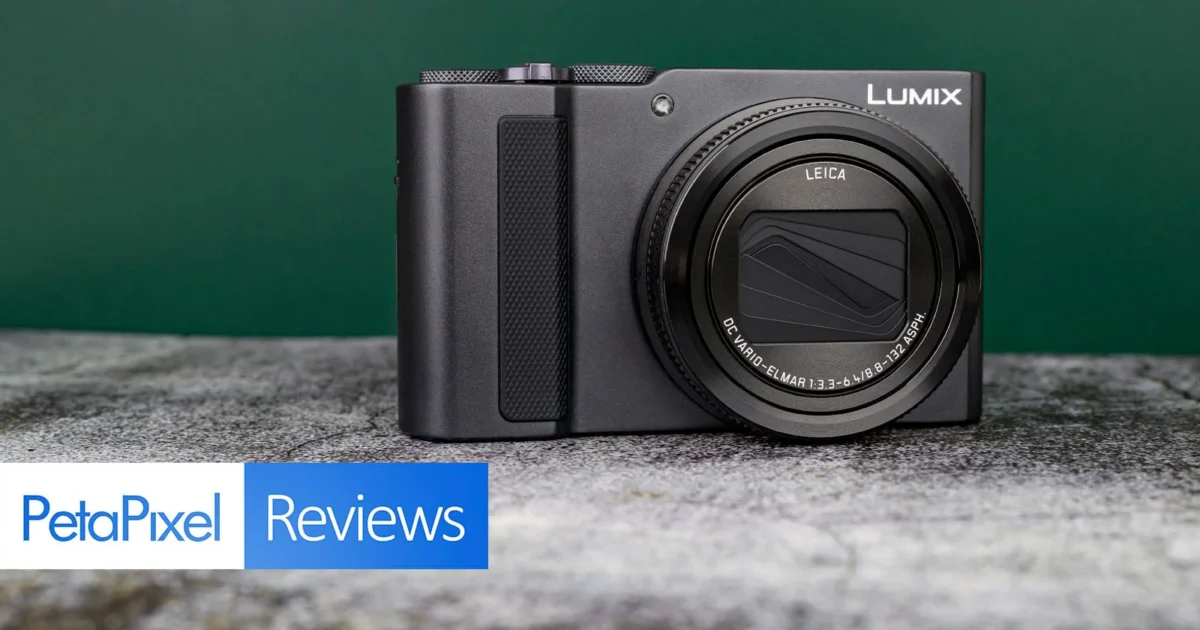
The release of the Panasonic Lumix ZS300 marks a significant, if polarizing, milestone in the evolution of the travel compact camera market. Eight years after the debut of its predecessor, the ZS200, Panasonic has introduced a successor priced at $899, aiming to recapture the interest of photographers seeking a versatile, pocketable device with substantial optical reach. However, as the digital imaging landscape has shifted dramatically toward high-end smartphones and mirrorless systems, the ZS300 arrives with a suite of specifications that suggest a conservative approach to hardware updates, coupled with a controversial removal of a key feature that long defined the series’ appeal to enthusiasts.
The Evolution of the Travel Zoom: A Historical Context
The Panasonic "ZS" series, known as the "TZ" (Travel Zoom) series in international markets, was instrumental in creating the niche for long-zoom compacts. In 2018, the ZS200 was hailed as a breakthrough, successfully cramming a 1-inch type sensor and a 15x optical zoom lens into a body small enough to fit in a jacket pocket. For nearly a decade, this formula remained the gold standard for travelers who demanded better image quality than a phone but lacked the space for interchangeable lenses.
The industry expected the ZS300 to modernize this legacy with a new sensor, phase-detection autofocus, and improved video capabilities. Instead, the ZS300 largely retains the core architecture of the 2018 model while making adjustments to meet modern regulatory standards and shifting consumer demographics. This conservative iteration reflects a broader trend in the camera industry where research and development resources are increasingly diverted toward professional-grade full-frame mirrorless systems, leaving the point-and-shoot segment in a state of relative stasis.
Technical Specifications and Physical Handling
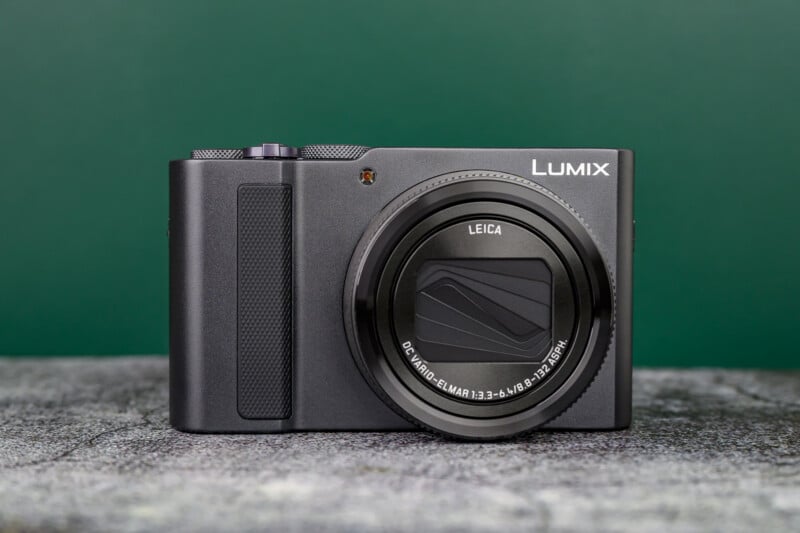
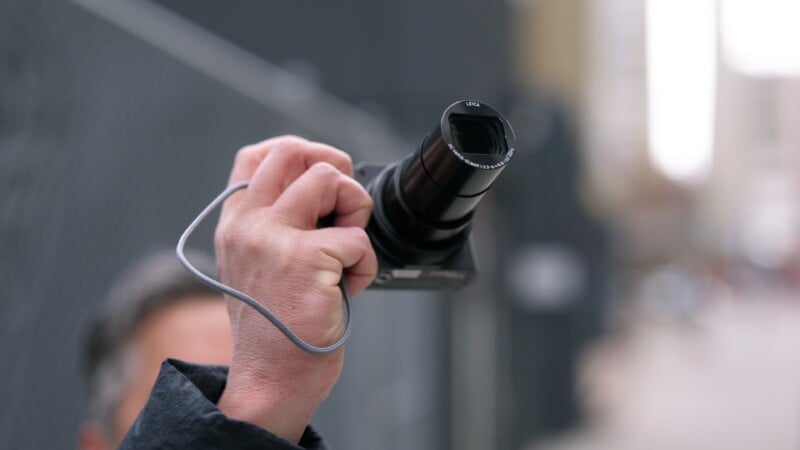
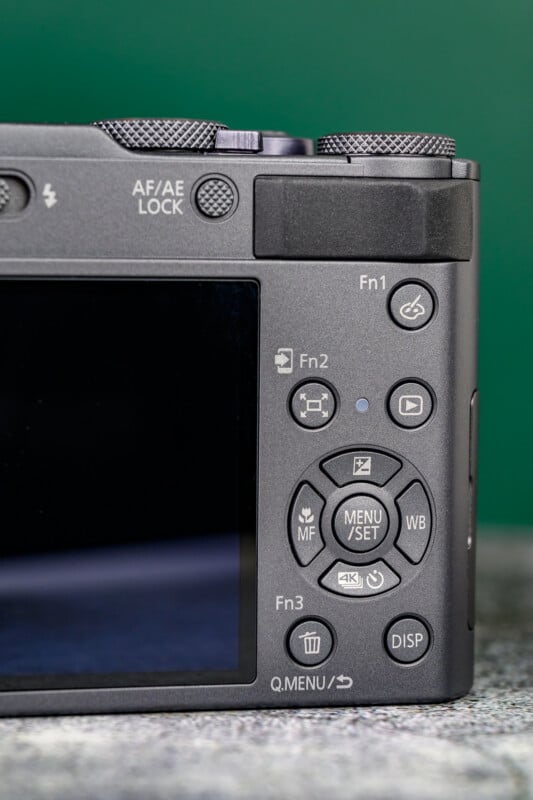
From a design and ergonomics perspective, the ZS300 maintains the high standards set by its predecessor. The camera weighs approximately 13 ounces (370 grams) and retains the compact dimensions that allow for one-handed operation. The build quality remains robust, featuring a textured rubber grip on the front and a well-placed thumb rest on the rear, ensuring secure handling during extended shooting sessions.
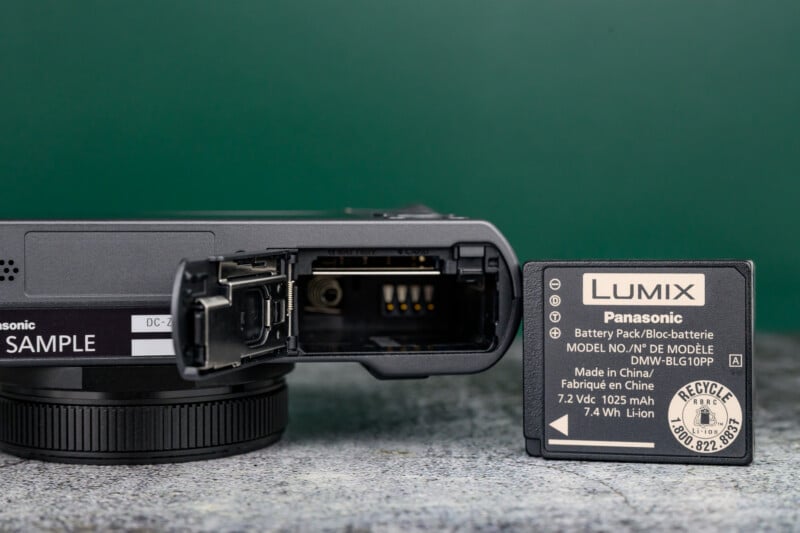
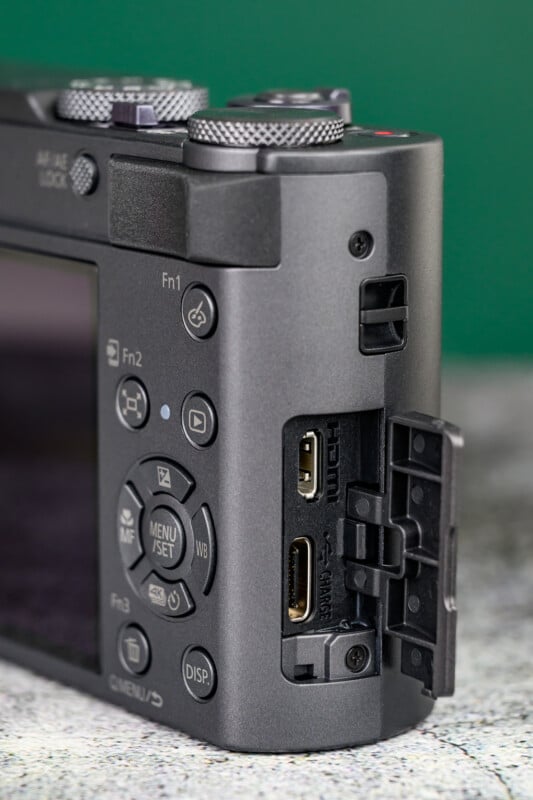
A primary update to the physical chassis is the transition to a USB-C port for charging and data transfer, a necessary move to comply with current European Union regulations and global consumer expectations. The battery system remains unchanged, utilizing the DMW-BLG10PP rechargeable lithium-ion battery. According to CIPA-standard testing, users can expect approximately 360 shots per full charge, though real-world performance may vary depending on LCD brightness and the frequency of power cycles.
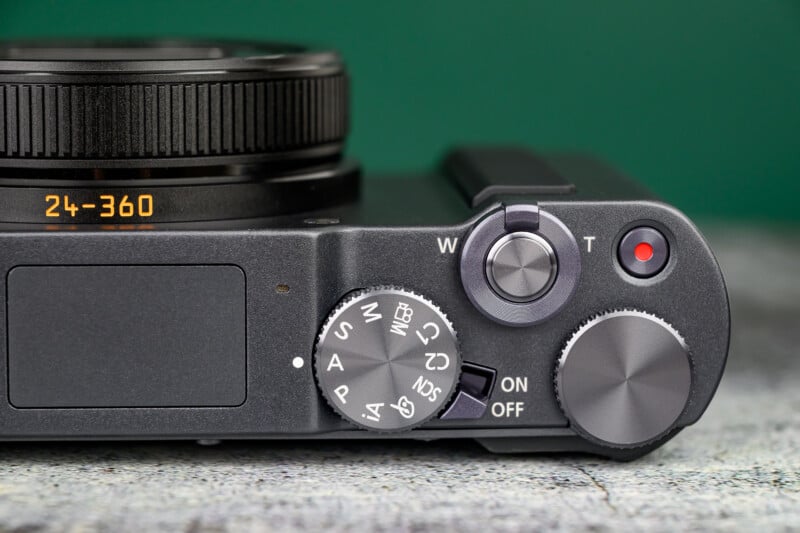
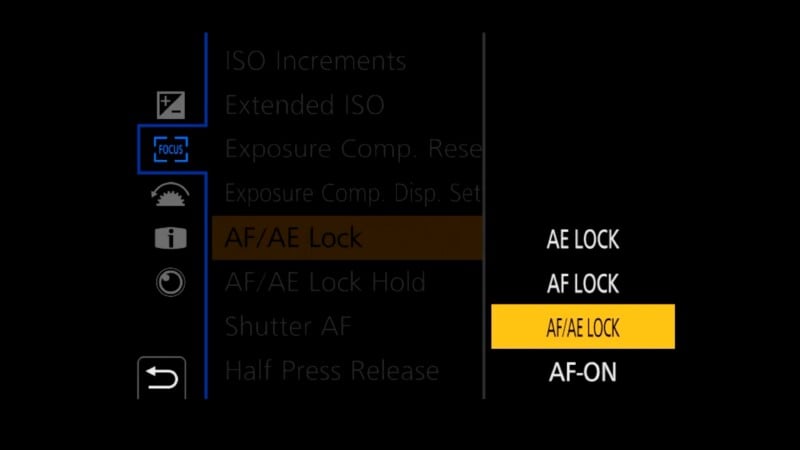
The control layout continues to favor manual operation, a rarity in the modern compact market. The ZS300 features dual command dials: one situated at the thumb position and a second encircling the lens mount. These dials provide tactile feedback for adjusting aperture, shutter speed, or exposure compensation. Furthermore, many of the physical buttons remain customizable, allowing photographers to assign specific functions like back-button autofocus (AF-ON) to the autoexposure lock button.
The Lens and Sensor: Familiar Performance in a Changing World
At the heart of the ZS300 is the same Type 1 (1-inch) 20-megapixel MOS sensor found in the ZS200. While a 1-inch sensor is significantly larger than those found in standard smartphones—offering better dynamic range and lower noise in varied lighting—it is no longer the undisputed leader in the pocketable category, as high-end mobile devices now utilize advanced computational photography to bridge the gap.

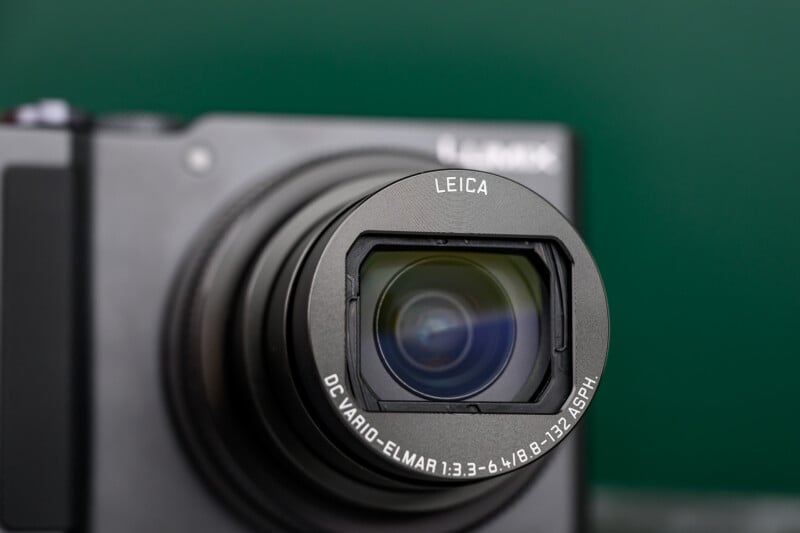
The defining feature of the ZS300 remains its Leica DC Vario-Elmar 24-360mm equivalent lens. This 15x optical zoom range is achieved through a complex optical design that allows the lens to retract almost completely into the body. The aperture range of f/3.3-6.4 is modest, meaning that at the telephoto end (360mm), the maximum aperture of f/6.4 limits low-light performance and results in a deep depth of field.
Technical analysis of the lens performance reveals:
- Wide-Angle (24mm): Excellent center sharpness and respectable corner performance, making it ideal for landscapes and architecture.
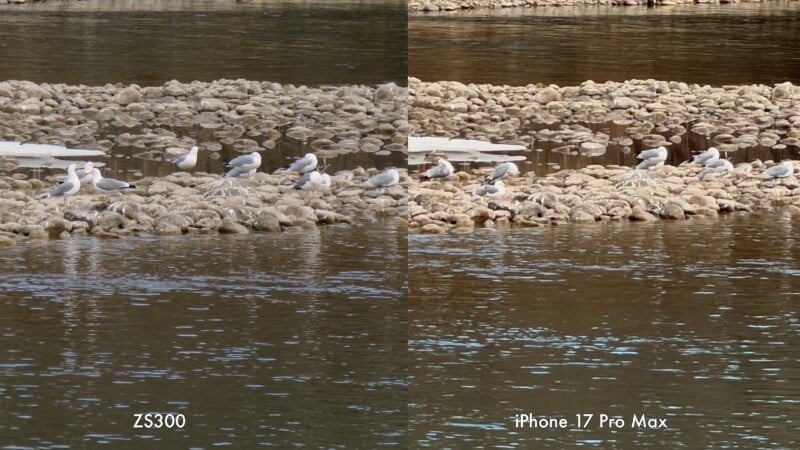
- Telephoto (360mm): Noticeable but acceptable softening of fine details. Despite this, the optical reach far surpasses the digital or hybrid zooms of the latest flagship smartphones, providing clear advantages for discreet street photography and daytime wildlife.
- Color Science: The addition of the "Leica Monochrome" profile provides a sophisticated black-and-white aesthetic, characterized by high contrast and rich tonal transitions.
The Viewfinder Controversy: A Step Backward for Enthusiasts
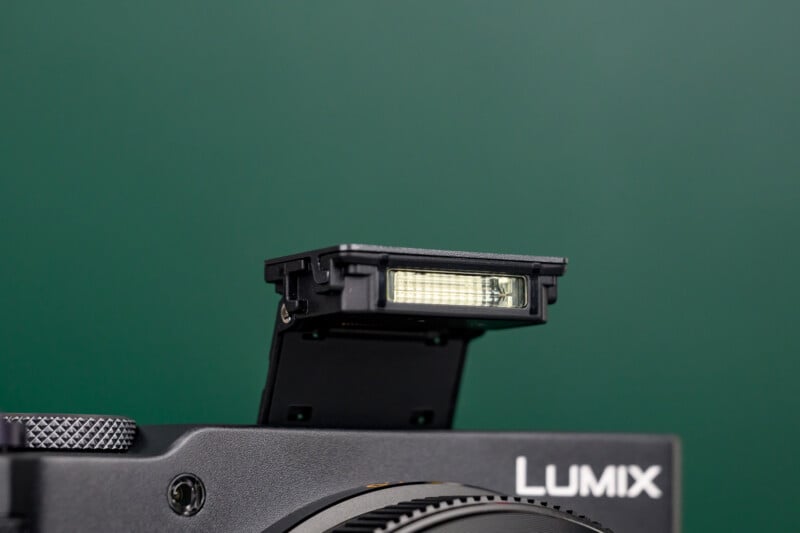
The most significant and debated change in the ZS300 is the total removal of the Electronic Viewfinder (EVF). The ZS200 featured a compact 2.36-million-dot EVF that, while small, was indispensable for several reasons. First, it allowed for accurate framing in bright sunlight, where rear LCD screens often wash out. Second, it provided a third point of contact (the photographer’s forehead) to stabilize the camera when shooting at the 360mm telephoto limit.

Panasonic’s decision to omit the EVF in the ZS300 has been met with criticism from the enthusiast community. While manufacturers often cite market research suggesting that younger "smartphone-first" users prefer shooting via the rear screen, the removal of the viewfinder effectively demotes the ZS300 from a "prosumer" travel tool to a more basic point-and-shoot. The rear LCD has been upgraded to a higher resolution of 1.84 million dots, but it remains a fixed panel that does not tilt or articulate, further limiting its utility for vlogging or high/low-angle compositions.
Autofocus and Operational Speed
Despite the shift in the industry toward Phase Detection Autofocus (PDAF) in compact cameras—most notably seen in Sony’s RX100 series—Panasonic has opted to stick with its proprietary Depth from Defocus (DFD) technology for the ZS300. DFD is a contrast-based system that calculates distance by analyzing two images with different sharpness levels.
In practice, the ZS300’s autofocus is:

- Sufficient for Static Subjects: In well-lit environments, focus acquisition is snappy and accurate for landscapes and portraits.
- Lacking for Action: The system struggles with "hunting" (pulsing back and forth) when tracking fast-moving subjects, such as children at play or birds in flight.
- Ponderous in Operation: The physical extension of the lens during power-on and the zoom motor’s travel speed remain relatively slow, mirroring the performance of the eight-year-old ZS200.
Video Capabilities and Software Integration
The video suite of the ZS300 remains largely unchanged from the previous generation, which is a missed opportunity given the advancements in video technology since 2018. The camera supports 4K recording, but it does so with a significant crop factor. This means that at the 24mm wide-angle setting, the field of view becomes much narrower when 4K is engaged, making it difficult to film wide vistas or handheld vlogs.

Furthermore, the ZS300 lacks a dedicated microphone jack and does not support the modern 24p frame rate in 1080p Full HD mode. In an era where content creators demand seamless workflows, the ZS300 is also incompatible with the new "Lumix Lab" app, forcing users to rely on the older "Panasonic Image App" for wireless transfers. This prevents users from utilizing "Real Time LUTs" or custom color presets that have become a staple of Panasonic’s recent S-series and G-series cameras.

Market Analysis and Broader Implications
The release of the ZS300 at an $899 price point places it in a difficult market position. It faces stiff competition from two fronts:

- The Second-Hand Market: The ZS200, which includes the EVF and offers nearly identical image quality, can often be found at a lower price point.
- Premium Compacts: The Sony RX100 VII remains the benchmark for the category, offering superior autofocus and a pop-up EVF, though at a higher retail price.
Industry analysts suggest that the ZS300 represents a "bridge" product—a way for Panasonic to keep a presence in the compact market using existing components while navigating supply chain constraints that make sourcing small EVF panels increasingly difficult. For the average consumer, the ZS300 remains one of the few ways to obtain a 15x optical zoom in a device of this size. However, for the dedicated hobbyist, the removal of the viewfinder and the lack of updated sensor technology may be seen as a sign of the declining priority of the point-and-shoot segment.

Conclusion: A Specialized Tool with Significant Compromises
The Panasonic Lumix ZS300 is a camera defined by its contradictions. It is a masterfully designed physical object with excellent manual controls and a lens that defies the laws of compact optics. It offers a photographic experience that is undeniably more tactile and versatile than any smartphone, particularly for travelers who value long-distance reach.

However, by removing the electronic viewfinder and failing to modernize the autofocus and video systems, Panasonic has created a product that feels less capable than the model it replaces. The ZS300 is a functional, stylish, and capable travel companion for those who never used the viewfinder to begin with. Yet, for the legacy users who helped build the Lumix brand, the ZS300 serves as a reminder that in the current era of digital imaging, progress is no longer a linear path, and sometimes, the best way forward is to look back at the more feature-rich models of the past.

