


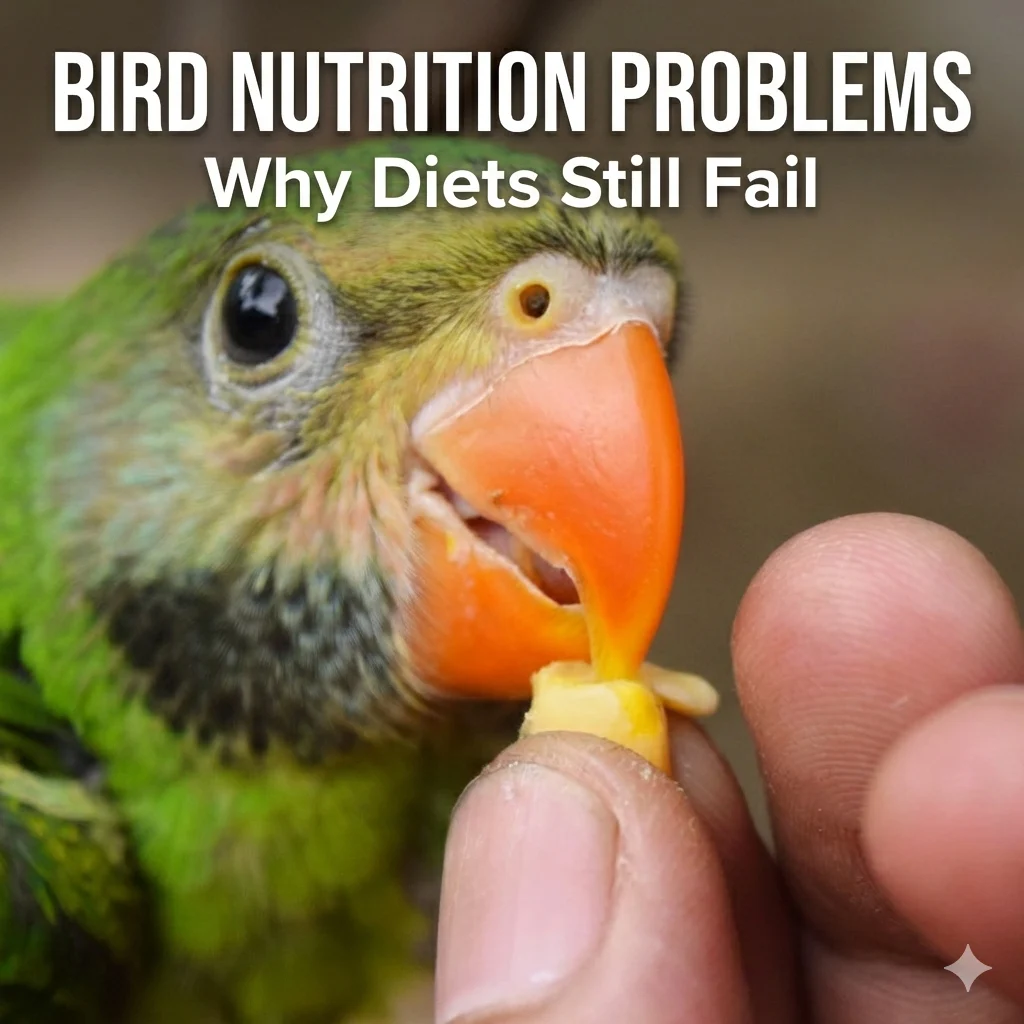
Despite diligent efforts by dedicated bird owners, many parrots exhibit signs of weakness, dull plumage, or behavioral changes even when provided with what appears to be a "good" diet. The underlying issue often extends beyond mere food intake to the complex interplay of nutrient absorption and metabolic activation. A bird can consume adequate quantities of high-quality feed, yet if the physiological pathways for processing and utilizing those nutrients are compromised, the system ultimately fails. This critical distinction between consumption, absorption, and activation is paramount to understanding and resolving chronic health issues in companion birds.
The Intricate Dance of Avian Metabolism: Beyond the Food Bowl
The question, “My bird eats well – so why do they still look weak?” probes the core challenge of avian nutrition. It highlights that the presence of nutrients in a bird’s bowl does not automatically equate to their effective use within the body. Take calcium, for instance, a cornerstone mineral for avian health. While present in many formulated diets, its journey from the digestive tract into the bloodstream is not passive. This vital absorption process is heavily dependent on adequate levels of vitamin D3. Without sufficient D3, whether synthesized by the bird’s own body through exposure to specific wavelengths of ultraviolet B (UVB) light or provided through dietary supplementation, calcium struggles to cross the intestinal wall efficiently. The consequence is a silent, progressive decline in health, manifesting initially as subtle muscle weakness and reduced gripping strength, often overlooked until more severe symptoms emerge.
Calcium, D3, and the Silent Erosion of Strength
The role of calcium extends far beyond bone structure. It is indispensable for nerve impulse transmission, muscle contraction, blood clotting, and eggshell formation in hens. When circulating calcium levels are suboptimal, even marginally, the first areas to show compromise are often those requiring high neuromuscular control. Owners may observe their birds exhibiting shorter flights, hesitating before takeoff, or displaying unstable perch transfers. These are early warning signs that the bird’s intricate muscular and nervous systems are not receiving the necessary support.
Furthermore, feather quality, a visible indicator of overall health, can deteriorate despite a seemingly balanced diet. Feathers are complex protein structures, and their development during molting periods is energetically and nutritionally demanding. If mineral balance, particularly calcium and its cofactors, or overall nutrient absorption is compromised, feather shafts may appear thinner, duller, or structurally weaker. This can occur even in birds consuming premium pellets, underscoring that the issue lies not just in the diet’s composition but in the bird’s ability to metabolize its contents effectively.
The Neophobic Challenge: Converting Parrots to Pellets
A common frustration for owners is the parrot’s reluctance to embrace new foods. “My bird won’t eat pellets. Will they starve?” is a valid concern rooted in avian psychology. Parrots are inherently neophobic, meaning they have an aversion to new or unfamiliar objects and foods. This survival instinct, beneficial in the wild for avoiding toxins, poses a significant hurdle in a captive environment where dietary changes are often necessary for optimal health. A sudden, "cold turkey" switch from a familiar seed-based diet to pellets can be dangerous, as parrots may choose starvation over unfamiliar food, leading to rapid and perilous weight loss.
Successful dietary transition is not a battle of wills but a strategic process. It involves gradually introducing small amounts of pellets mixed with the existing diet, meticulously monitoring the bird’s weight on a gram scale weekly. A weight drop exceeding 3-5% of body weight is an immediate red flag, signaling insufficient intake and necessitating a slower transition pace. The priority during this phase is preventing weight loss and ensuring caloric stability, with nutritional optimization becoming the focus once the bird reliably consumes the new food. This transitional period often benefits from "bridging supplements" – carefully chosen additions that ensure essential nutrients like calcium and amino acids are maintained while the bird learns to trust the new food source.
The Insidious Nature of Seed-Dominated Diets
For many years, seeds formed the backbone of captive parrot diets. The question, “They only want seeds. Is that really so bad?” is frequently asked, and the answer, unequivocally, is yes, over time. While seeds provide calories and are palatable, most commercial seed mixes are notoriously deficient in several critical nutrients, including vitamin A, bioavailable calcium, and essential trace minerals such as zinc and iodine. Parrots on seed-only diets often appear energetic due to the high fat content, masking the slow development of nutrient imbalances that gradually undermine feathers, immunity, and bone strength.
This preference for seeds is a learned feeding behavior, driven by texture and fat content rather than an innate nutritional wisdom. Over time, these deficiencies can lead to severe health issues. Vitamin A deficiency, for example, impairs the epithelial lining of the mouth, sinuses, and respiratory tract. This crucial protective barrier thickens and loses its integrity, making the bird highly susceptible to bacterial and fungal infections. Early signs can include dullness around the nares, sneezing, labored breathing, or even changes in footpad texture. Similarly, chronic calcium deficiency, exacerbated by inadequate D3, leads to fragile bones, soft-shelled eggs, and compromised neuromuscular function.
When "Good" Diets Fall Short: The Activation Gap
Even birds consuming a diet of high-quality pellets and fresh vegetables can develop nutritional deficiencies if the metabolic activation pathways are incomplete. “They eat pellets and veggies – so why isn’t it working?” points to a critical oversight: the environmental factor of light. While window light may appear bright, standard window glass effectively blocks the UVB wavelengths essential for vitamin D3 synthesis in a bird’s skin. Consequently, many indoor birds, despite consuming calcium-rich diets, remain metabolically "under-activated." Without this crucial D3 synthesis or dietary supplementation, the calcium consumed simply cannot be efficiently absorbed and utilized, leading to the same deficiencies seen in birds on poorer diets.
The Efficacy of Supplements: Dosage and Stability
The use of supplements often raises questions, particularly regarding delivery methods. “Do supplements in water actually work?” is a common query. Water-soluble supplements can be effective, but their reliability is contingent on several variables: the stability of the ingredients, the consistency of the bird’s water intake, and the bioavailability of the nutrients. Many water-soluble vitamins degrade rapidly when exposed to light, heat, or even air, reducing their potency. Furthermore, a bird’s daily water consumption can fluctuate significantly, making it challenging to ensure a consistent, therapeutic dose.
Food-based delivery, where supplements are mixed into a known portion of chop or soft food, generally offers greater dose reliability. This method allows owners to confirm consumption and ensure a more stable delivery of essential nutrients like calcium, magnesium, or biotin, which require consistent dosing for optimal effect. However, caution is paramount. The principle of "more is not better" holds true; excessive supplementation, particularly of fat-soluble vitamins like A and D3 or certain minerals, can lead to toxicity, liver strain, kidney damage, and metabolic imbalances. Supplementation should always be intentional, targeted, and, ideally, guided by veterinary advice.
Seasonal Shifts: Winter’s Impact on Avian Health
The observation, “Why does everything get worse in winter?” has a strong physiological basis for many companion parrots. Most parrot species originate from tropical and subtropical regions where daylight length and intensity remain relatively stable year-round. In northern climates, winter brings a dramatic reduction in natural UVB exposure due to shorter days and weaker sunlight. As indoor birds receive virtually no UVB through glass, this seasonal shift can significantly impair vitamin D3 synthesis and, consequently, calcium absorption. This phenomenon explains why subtle signs of weakness or decline often become more pronounced during the late winter months.
Beyond D3 synthesis, light exposure profoundly regulates a bird’s circadian rhythm, hormone signaling, and metabolic stability. Inconsistent or shortened photoperiods can trigger a cascade of negative effects, including irritability, reduced activity, weaker grip strength, and compromised molt quality. When environmental light cues deviate sharply from the tropical consistency their physiology expects, both behavior and structural health can decline.
Decoding Deficiency: When to Seek Veterinary Intervention
Recognizing the signs of nutritional deficiency is crucial, but accurate diagnosis requires professional expertise. “Is this Vitamin A deficiency, calcium deficiency – or something worse?” underscores the fact that many nutritional imbalances can mimic other illnesses. It is vital to understand that while symptom lists are educational, they are not diagnostic. Both critically low and excessively high levels of certain nutrients can cause severe health complications.
Signs of Vitamin A Deficiency (Avian Hypovitaminosis A):
- Respiratory Issues: Chronic sneezing, nasal discharge, labored breathing.
- Oral Lesions: White plaques or abscesses in the mouth, on the tongue, or around the glottis.
- Eye Problems: Swollen eyelids, discharge, corneal opacity (often mistaken for conjunctivitis).
- Footpad Hyperkeratosis: Dry, cracked, or abnormally thick skin on the feet.
- Feather Abnormalities: Dull, discolored, or stress bars on developing feathers.
- Immune Compromise: Increased susceptibility to bacterial, fungal, and viral infections.
Signs of Hypocalcemia (Calcium Deficiency) in Parrots:
- Neuromuscular Weakness: Weak grip strength, slipping toes, unstable perching, tremors.
- Flight Impairment: Shorter flights, hesitation before takeoff, clumsy landings.
- Reproductive Issues (in hens): Thin-shelled or soft-shelled eggs, egg binding, dystocia.
- Behavioral Changes: Irritability, lethargy, increased aggression or nervousness.
- Skeletal Problems: Bone deformities, fractures (in severe, chronic cases).
- Seizures: In acute, severe crashes of circulating calcium.
It is imperative to understand that these symptoms represent a spectrum, and their progression often dictates the urgency of intervention.
Immediate Veterinary Consultation is Required for:
- Acute onset of tremors or seizures.
- Severe lethargy or collapse.
- Difficulty breathing or persistent gasping.
- Inability to perch or sudden loss of balance.
- Any rapid deterioration in condition.
These are not "watch and wait" scenarios. Acute calcium crashes, severe secondary infections arising from vitamin A deficiency, or other systemic illnesses can progress rapidly and prove fatal without immediate professional care. An avian veterinarian can perform crucial diagnostic tests, including blood calcium levels, vitamin A assays, radiographs to assess bone density, and provide supportive treatment that cannot be safely or effectively replicated at home. Documenting weight, grip strength, appetite, and behavioral changes can provide valuable information for the vet.
A Holistic Approach to Avian Wellness: The Path to Resolution
“What actually fixes the problem?” The solution is rarely singular; it almost always involves a multi-pronged approach that addresses the weak links in intake, absorption, and activation.
Key Strategies for Resolution:
- Structured Diet Foundation: Transition to a high-quality, formulated pellet diet as the primary caloric source (60-80%), supplemented with a variety of fresh, dark leafy greens, vegetables, and a small amount of fruit. Limit high-fat seeds to treats or controlled portions.
- Optimized Light Exposure: Install a full-spectrum UVB bird light, specifically designed for avian use, positioned at the correct distance and intensity, and replaced according to the manufacturer’s schedule (typically every 6-12 months, as UVB output degrades over time even if visible light remains). Provide safe outdoor access when weather permits.
- Targeted Nutritional Support: When indicated by veterinary assessment, use a balanced calcium, magnesium, and vitamin D3 supplement to support bone health, nerve function, and muscle contraction, particularly for indoor birds, egg-laying hens, or those showing early signs of weakness. For confirmed vitamin A deficiency, dietary correction with vitamin A-rich foods (e.g., carrots, sweet potatoes, dark greens) is preferred, with synthetic supplementation used cautiously under veterinary guidance due to the risk of toxicity.
- Consistent Monitoring: Regular weight checks, observation of droppings, and assessment of feather quality, grip strength, and overall demeanor provide critical feedback on the efficacy of interventions.
- Regular Avian Veterinary Care: Annual check-ups, and immediate consultation for any concerning symptoms, are indispensable for early detection and appropriate management of nutritional and other health issues.
Birds do not fail because their owners lack care; they fail when one or more links in their complex metabolic chain are compromised. When intake, absorption, and activation are harmonized through a structured diet, appropriate environmental enrichment, and targeted support, the benefits are profound. Strength returns, grip improves, feathers regain their structural integrity and sheen, and energy levels stabilize, allowing companion parrots to thrive and enjoy a longer, healthier life. The goal is not merely feeding, but truly nourishing.

